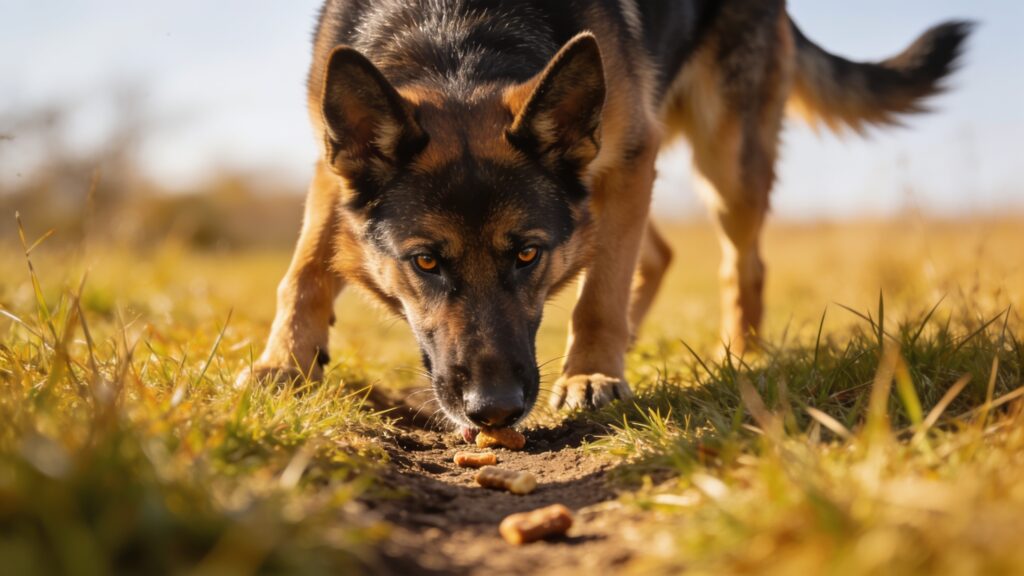
The Importance of Mental Stimulation for Working Dogs
Mental stimulation in working dogs is important for their cognitive and emotional health, as these breeds have been selectively bred for specific tasks that engage their intelligence and instincts. Working dogs, such as German Shepherds,...
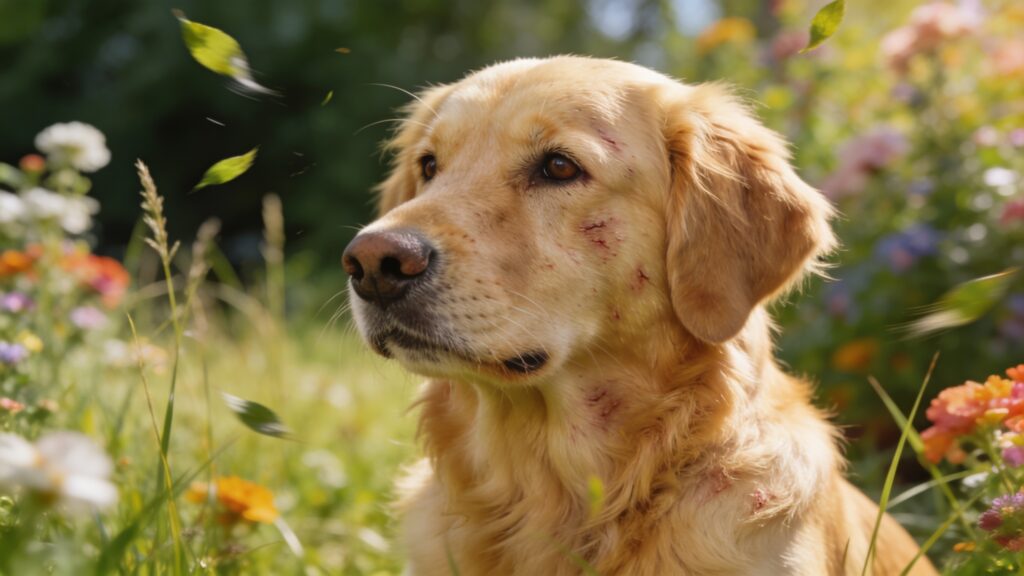
Coping with Canine Allergies – A Comprehensive Guide
Identifying allergens in dogs requires a systematic approach, as various factors contribute to allergic reactions. The most prevalent allergens include environmental triggers, food components, and contact agents. Environmental allergens often encompass pollen, mold spores, dust...

Dog Breeds and Their Unique Health Considerations
Each dog breed exhibits distinct health vulnerabilities influenced by genetic background and selective breeding practices. For instance, larger breeds such as Great Danes or St. Bernards are predisposed to conditions like bloat (gastric dilatation-volvulus), a...

Canine Obesity – Risks and Solutions
Excess adipose tissue is not inert storage; it is metabolically active and drives low-grade systemic inflammation through cytokines such as TNF-α, IL-6, and leptin dysregulation. In dogs, this inflammatory state increases insulin resistance, places greater...

The Power of Play – Fun and Fitness for Your Dog
Play is not merely “extra exercise”; it is a biologically efficient way to train neuromuscular coordination, regulate arousal, and reinforce species-typical movement patterns. In puppies, rough-and-tumble play, chasing, pouncing, and rapid directional changes strengthen proprioception,...

Creating a Safe and Healthy Home Environment for Your Dog
Effective dog-proofing starts with understanding canine foraging, chewing, climbing, and investigative behavior, which are amplified by breed history, age, and arousal state. Retrievers, scent hounds, terriers, herding breeds, and adolescent dogs are disproportionately likely to...
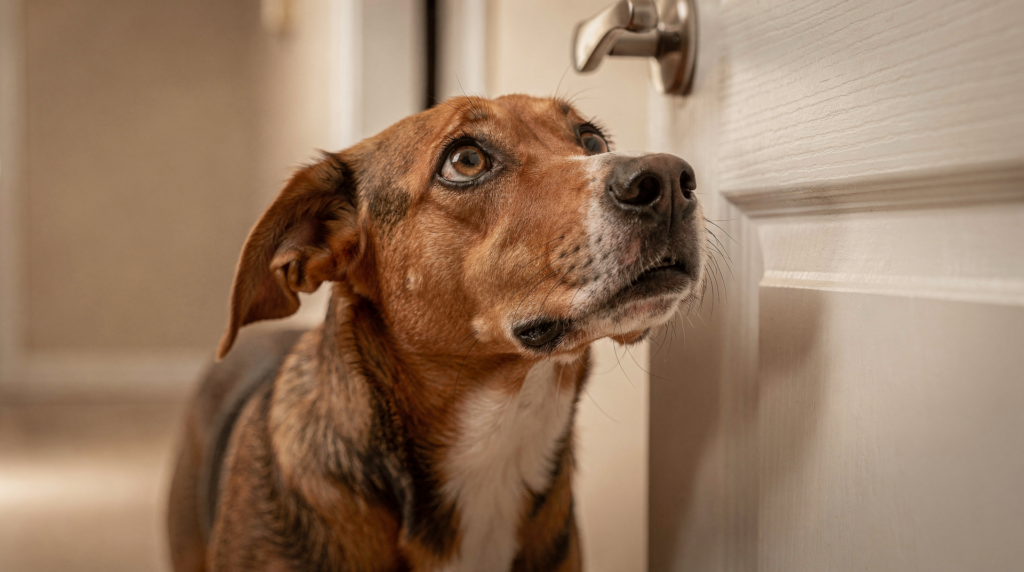
Dealing with Canine Separation Anxiety – Strategies for Success
Canine separation anxiety is not a defiance problem; it is a panic disorder triggered by social isolation or the anticipation of it. The dog’s attachment system becomes hypersensitized, so the absence of a specific person,...

Natural Ways to Relieve Your Dog’s Anxiety
Anxious dogs usually first show subtle displacement behaviors before any obvious “panic” appears. These include yawning when not tired, frequent lip-licking, rapid sniffing of the ground, shaking off as if wet, scratching, sudden interest in...
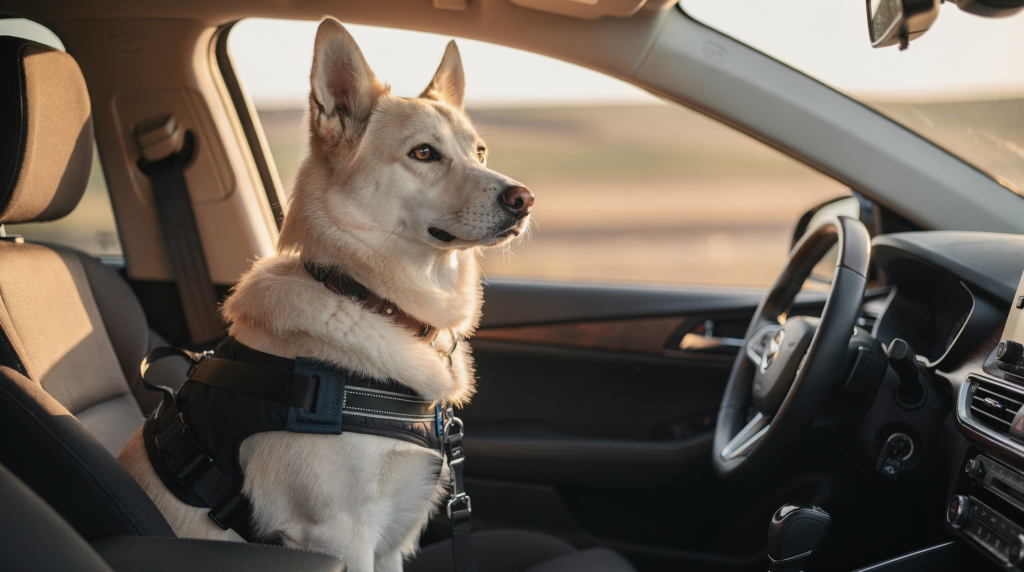
Traveling with Your Dog – Health and Safety Tips
Before any wheels turn or a carrier door closes, the dog must be prepared as a traveling organism, not merely a passenger. The body reads movement, confinement, noise, heat, and novelty as potential threat vectors;...