Canine Obesity – Risks and Solutions

Excess adipose tissue is not inert storage; it is metabolically active and drives low-grade systemic inflammation through cytokines such as TNF-α, IL-6, and leptin dysregulation. In dogs, this inflammatory state increases insulin resistance, places greater load on pancreatic beta cells, and raises the likelihood of impaired glucose tolerance and type 2–like diabetic pathology, especially in middle-aged and older individuals. Obesity also alters adipokine signaling, which affects appetite regulation and makes spontaneous weight loss harder once excess condition is established.
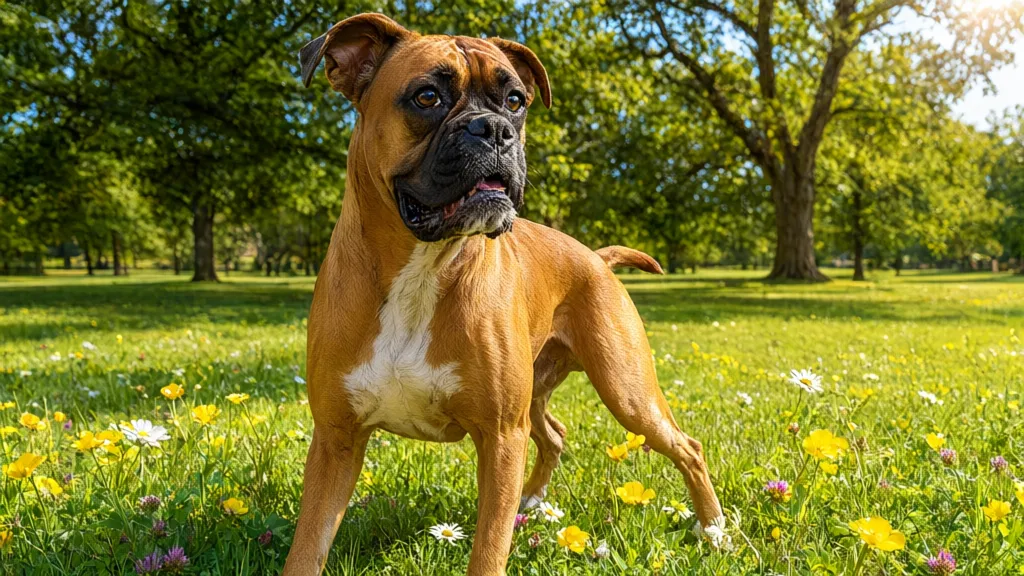
Biomechanically, extra mass increases peak force on weight-bearing joints with every step, accelerating cartilage wear and worsening osteoarthritis. Dogs with preexisting orthopedic vulnerabilities—hip dysplasia, elbow dysplasia, cruciate ligament laxity, patellar instability, intervertebral disc disease, or angular limb deformities—often show earlier pain, reduced range of motion, and muscle loss when fat gain obscures the problem. Short-legged breeds, giant breeds, and dogs selected for heavy frames, such as Labradors, Golden Retrievers, Pugs, Dachshunds, and Bulldogs, are particularly prone because conformation and body weight together magnify joint strain and abnormal gait mechanics.
Respiratory compromise is common because thoracic fat and abdominal loading reduce chest wall excursion and diaphragm movement. Brachycephalic dogs are at even higher risk, since narrowed airways, elongated soft palate, and everted laryngeal structures compound exercise intolerance, snoring, heat stress, and sleep-disordered breathing. Owners often mistake slower pace or reluctance to exercise for aging, when the real signal is reduced ventilatory reserve and rising effort cost.
Cardiovascular demands increase as adipose tissue expands, requiring higher cardiac output to perfuse additional tissue. This can unmask occult heart disease or worsen exercise-induced tachycardia and heat intolerance. Overweight dogs also dissipate heat poorly because fat acts as insulation and because reduced activity limits conditioning, which makes even modest warm-weather activity more dangerous. Panting that persists after brief exertion, collapsing in heat, or refusal to walk in mild temperatures should never be dismissed as simple laziness.
HONEY CARE All-Absorb A26 Male Dog Wrap, 50 Count, Small
$17.99 (as of October 14, 2026 10:23 GMT +00:00 - More infoProduct prices and availability are accurate as of the date/time indicated and are subject to change. Any price and availability information displayed on [relevant Amazon Site(s), as applicable] at the time of purchase will apply to the purchase of this product.)Hepatic lipidosis, altered lipid metabolism, and elevated triglycerides can develop, and excessive fat may complicate anesthesia by prolonging drug redistribution and reducing respiratory safety margin during recovery. Abdominal fat also makes palpation of organs less informative, delays detection of masses, and can obscure early illness. Reproductive consequences include reduced fertility, poorer semen quality in males, and more difficult pregnancies and whelping in females.
Behavior changes are often secondary to discomfort and altered reward pathways. Pain from overloaded joints lowers tolerance for stairs, jumping, and rough play; food-seeking behaviors intensify because palatable high-calorie diets reinforce operant patterns quickly, especially in breeds bred for appetite or persistence around food, such as retrievers and hounds. Early warning signs include loss of waist definition, inability to easily palpate ribs with light pressure, decreased willingness to sit or rise, shorter walks before fatigue, and new irritability when touched over hips or back.
Canine obesity shortens functional lifespan by increasing inflammatory burden, mechanical wear, anesthetic risk, heat injury, and the likelihood that silent disease will be missed until it’s advanced.
Weight reduction succeeds when calorie intake is measured against actual metabolic need, not owner perception. Most obese dogs require a structured diet based on a target body weight, with the daily ration calculated from resting energy requirement and then adjusted downward in controlled steps; free-pouring kibble, “a little extra” training food, and table scraps defeat every plan because even small unmeasured additions can erase the deficit. For many dogs, a 15 to 25 percent energy reduction from maintenance intake is the starting range, but dogs with severe obesity, endocrinopathies, or very low activity need closer monitoring because underfeeding protein or essential nutrients produces muscle loss before fat loss becomes visible.
A successful plan preserves lean tissue while mobilizing adipose tissue. That means selecting a diet with higher protein density, adequate essential fatty acids, and controlled energy density so satiety is improved without excess calories. Fiber can help by increasing gastric distension and slowing postprandial glucose rise, but excessive fiber in a dog with poor stool quality, high colonic sensitivity, or concurrent GI disease can reduce compliance and nutrient absorption. Treats should be counted as part of the daily energy budget and kept below 10 percent of total calories; using a portion of the measured meal for rewards is more reliable than adding separate snacks. High-value reinforcement can be maintained with very small pieces, especially in dogs that work for food because the learning history, not the size of the reward, drives behavior.
Physical activity must be dosed like medication: enough to increase expenditure and preserve muscle, but not so much that pain, heat stress, or refusal creates failure. In arthritic dogs, frequent low-impact walking on level surfaces is preferable to weekend “make-up” hikes, because regular movement improves joint lubrication, maintains proprioception, and is more tolerable for inflamed tissues. Sniff walks, food-search games, underwater treadmill work, and controlled leash walking often outperform ball chasing, which produces explosive acceleration and torsion through the stifled knees, hips, or spine of overweight dogs. If a dog pants excessively, lags behind, or lies down during exercise, the session has exceeded current capacity and should be shortened rather than pushed through.
Body condition scoring and serial weigh-ins are non-negotiable. A loss rate of about 1 to 2 percent of body weight per week is usually safe and more likely to preserve lean mass; faster loss increases the chance of muscle catabolism, behavioral frustration, and rebound eating. Scale weight alone can be misleading in muscular dogs or those with fluid retention, so rib palpation, waist contour, abdominal tuck, and muscle condition scoring should be tracked together. Plateau is often caused by owners adjusting portions upward after the first visible improvement, by hidden calories from chews and medications, or by a decline in spontaneous activity as the dog adapts to lower intake.
Breed and life-stage differences matter. Labradors, Beagles, Cocker Spaniels, and many terriers show strong food motivation and will persistently solicit extra calories, so environmental control is as important as diet selection. Senior dogs frequently lose muscle while gaining fat, creating the illusion of a “smaller” dog whose metabolic risk is actually higher; they need protein-forward weight loss, not simple carbohydrate restriction. Puppies must not be placed on aggressive calorie cuts, especially in large and giant breeds, because growth, skeletal development, and nutrient balance are still being established. When obesity is extreme or weight loss stalls despite strict compliance, screen for hypothyroidism, hyperadrenocorticism, insulin dysregulation, osteoarthritis pain limiting activity, and medications that alter appetite or metabolism.
Owner execution determines outcome. Feeding bowls, scoop size, and treats should be standardized; family members, neighbors, and daycare staff need the same instructions, because dogs do not distinguish “special” calories from regular ones. For dogs that counter-surf or beg intensely, management must remove rehearsal of the behavior rather than merely correcting it, since intermittent success strengthens persistence. Environmental changes such as puzzle feeders, divided meals, and food-dispensing toys slow consumption and reduce the drive to demand more, but they only work when the total calorie allotment remains fixed.
Related Posts
Bonding Activities – Strengthening Your Connection with Your Dog

PetVora Smart Collar