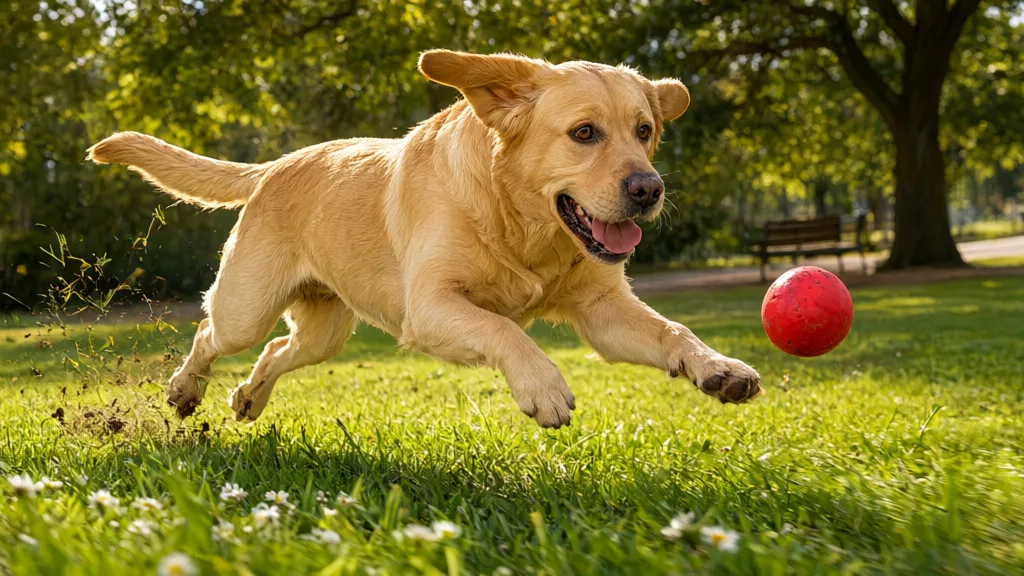
Teaching Your Dog to Fetch – Fun and Exercise Combined
Engaging in fetch provides both physical exercise and mental stimulation, essential for a dog’s health and well-being. The act of retrieving involves complex behaviors that draw upon a dog’s natural instincts, particularly those in breeds...

Canine Nutrition 101 – Customizing Meals for Your Dog
Canine nutrition is highly individualized, influenced by breed, age, weight, activity level, and specific health conditions. Puppies require increased protein and fat for growth, while adult dogs typically need a balance of macronutrients to maintain...

Tips for Introducing Your Dog to New People and Pets
Comprehending your dog’s behavior is pivotal for successful introductions to new people and pets. Each dog’s behavioral responses are shaped by breed-specific tendencies, individual history, and environmental stimuli. For example, a Border Collie may display...
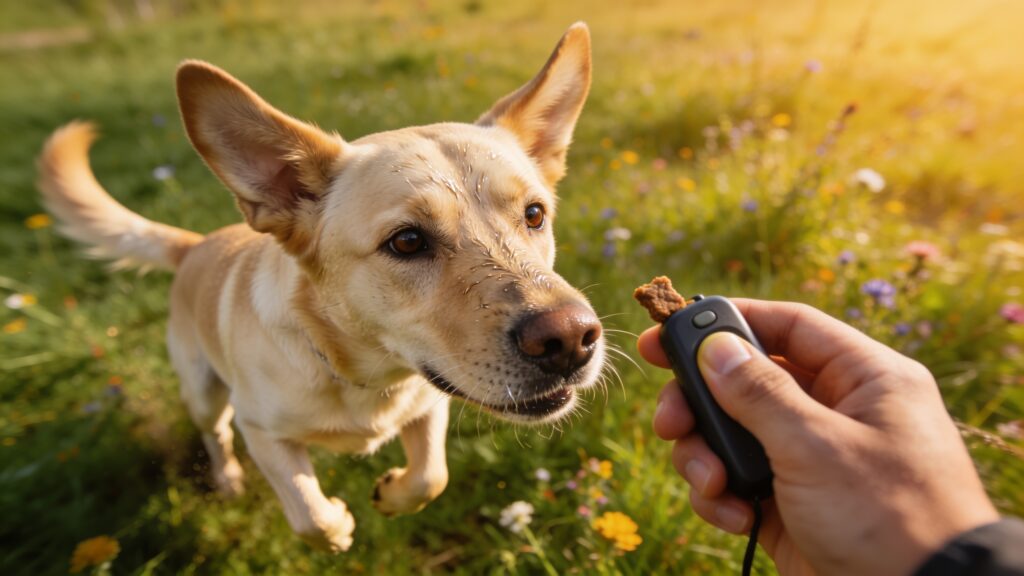
The Science of Dog Memory – What Your Pup Remembers
Canine memory functions through complex neurobiological processes, primarily involving the hippocampus and prefrontal cortex. These brain regions are crucial for encoding, storing, and retrieving information. Memory in dogs is not monolithic; it encompasses several types,...
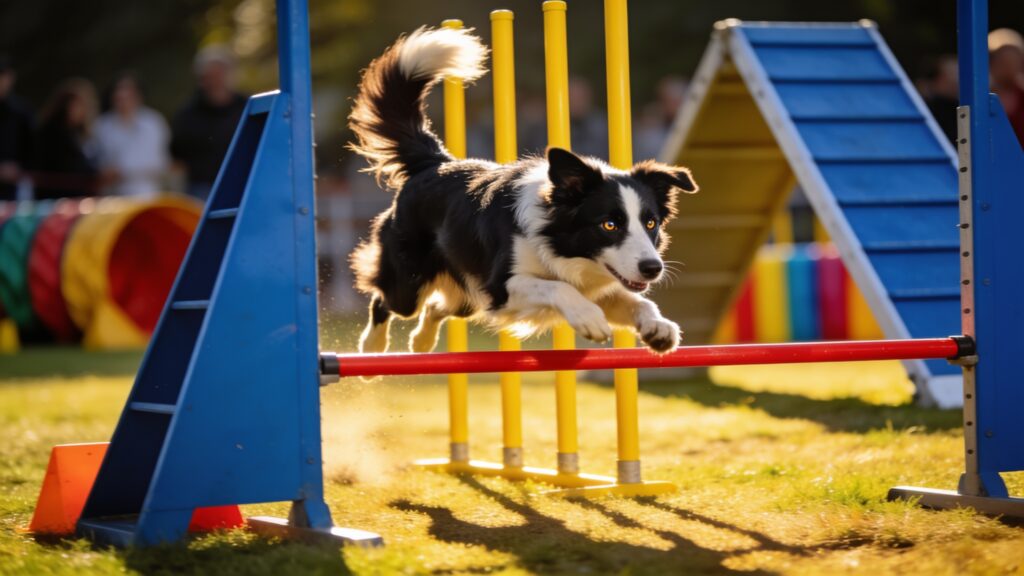
The Benefits of Canine Sports for Physical and Mental Health
Engaging in canine sports optimally supports the physical health of dogs through targeted exercise, socialization, and intellectual stimulation. Canine sports, such as agility, flyball, and herding, require dogs to use diverse muscle groups, which promotes...

Potty Training 101 – A Step-by-Step Guide
Readiness for potty training in canines varies significantly across breeds and individual dogs, influenced by physiological maturity, environmental factors, and socialization experiences. Generally, puppies show readiness between 12 weeks and 6 months. Signs indicative of...

Teaching Your Dog to Be Calm During New Year’s Eve Celebrations
Canine anxiety, especially during significant events like New Year’s Eve, can manifest due to various stimuli such as fireworks, loud noises, and unfamiliar crowds. The underlying mechanisms involve a heightened stress response, predominantly influenced by...
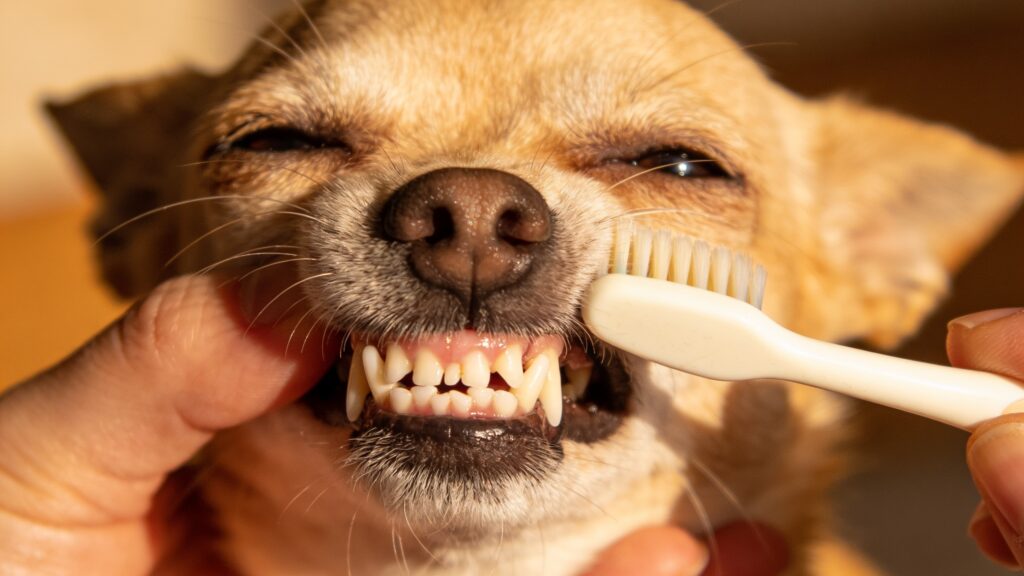
Canine Dental Care – Keeping Your Dog’s Teeth Healthy
Daily tooth brushing disrupts the bacterial biofilm before it mineralizes into calculus; once plaque hardens, home care cannot remove it and the gingival inflammation continues beneath the visible tartar. Mechanical brushing is more effective than...
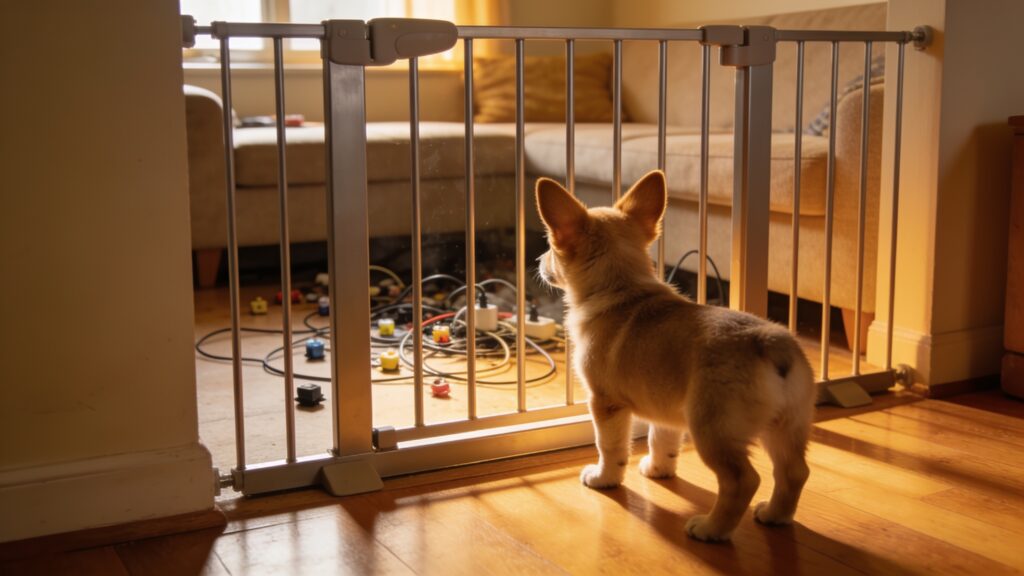
Pet-Proofing Your Home – Preventing Accidents and Mishaps
A truly safe home for dogs is built around controlling access, not relying on the dog’s judgment. Canines explore with the mouth, nose, and forelimbs, so hazards must be removed at the level of reach,...