Dog Breeds and Their Unique Health Considerations

Each dog breed exhibits distinct health vulnerabilities influenced by genetic background and selective breeding practices. For instance, larger breeds such as Great Danes or St. Bernards are predisposed to conditions like bloat (gastric dilatation-volvulus), a life-threatening condition resulting from excessive gas accumulation leading to stomach torsion. Notably, rapid eating or intense physical activity post-feeding exacerbates this risk, necessitating feeding management strategies such as using slow-feed bowls to mitigate hurried consumption.
Small breeds, including Chihuahuas and Pomeranians, often suffer from dental issues, particularly periodontal disease. The conformation of their jaws can lead to overcrowded teeth, creating a breeding ground for plaque buildup and gum disease. Regular dental care, including professional cleanings and daily brushing, is critical to prevent systemic health issues associated with oral pathogens.
Breeds like Dachshunds and Basset Hounds are genetically predisposed to intervertebral disc disease due to their elongated spines. This condition can lead to severe pain, weakness, and even paralysis. Owners should recognize early signs such as reluctance to move, changes in gait, or yelping when picked up. Maintaining a healthy weight and controlled physical activity, while avoiding high-impact exercises, can significantly reduce the risk of disc herniation.
Retrievers, such as the Labrador, are known for their susceptibility to obesity and associated metabolic disorders, including diabetes mellitus. Their eagerness to please combined with a tendency for overeating necessitates vigilant portion control and regular exercise routines. Nutritional management that prioritizes high-quality, low-calorie diets can help mitigate obesity risks.

Nutramax Cosequin Joint Supplement for Dogs, Chewable Tablets, 132ct | Glucosamine + Chondroitin for Dogs with MSM, Supports Healthy Joints, All Breeds & Sizes, All Ages
$34.91 (as of October 23, 2026 12:02 GMT +00:00 - More infoProduct prices and availability are accurate as of the date/time indicated and are subject to change. Any price and availability information displayed on [relevant Amazon Site(s), as applicable] at the time of purchase will apply to the purchase of this product.)Bulldog breeds frequently face respiratory complications due to brachycephaly, characterized by obstructive airway syndrome. Owners must be vigilant for signs of heat intolerance, excessive panting, or pronounced snoring. Environmental management, such as avoiding high humidity or extended exertion, is essential to prevent respiratory crises.
Working breeds like German Shepherds are often predisposed to hip dysplasia, a malformation of the hip joint that can lead to osteoarthritis. This condition often develops gradually, so early detection through radiographic evaluation very important. Weight management and tailored exercise regimens emphasizing joint health are vital in slowing disease progression.
Understanding these breed-specific health issues especially important for accurate monitoring and early intervention. A collaborative relationship with veterinarians is key for implementing preventive measures, timely diagnostics, and appropriate treatment strategies tailored to breed characteristics and health predispositions.
Preventive Care for Specific Breeds
Preventive care strategies must be tailored according to breed-specific health vulnerabilities and lifestyle factors. For example, breeds susceptible to bloat, like Great Danes, require owners to implement specific feeding protocols. Recommendations include offering smaller, more frequent meals throughout the day, using elevated food bowls, and avoiding strenuous exercise for at least an hour post-feeding. Monitoring for signs of discomfort, such as pacing or abdominal distension, is critical for early intervention.
Dental care for small breeds should include routine veterinary check-ups focusing on oral health, supplemented by a consistent at-home dental routine. Using dental-specific diets or chew toys can reduce plaque accumulation, but professional cleanings typically provide necessary thoroughness. Owners should observe their pets for signs of gum disease, such as bad breath, swollen gums, or difficulty eating, as these can indicate systemic issues.
For breeds prone to intervertebral disc disease, proactive management includes encouraging low-impact exercise while avoiding high jumps or steep stairs. Weight control is particularly important, given the increased stress excess weight places on the spine. Additionally, implementing preventive physical therapies, such as regular swimming sessions or physical rehabilitation, can contribute to spinal health and improve overall fitness.
With Labrador Retrievers and obesity-prone breeds, implementing a structured feeding regime is essential. Owners should avoid free-feeding and instead implement controlled meal schedules to prevent overeating. Using puzzle feeders can stimulate mental engagement while encouraging slower eating, thus aiding in weight management. Routine weigh-ins and monitoring body condition scores will assist in maintaining optimal weight, thereby reducing the risk of metabolic disorders.
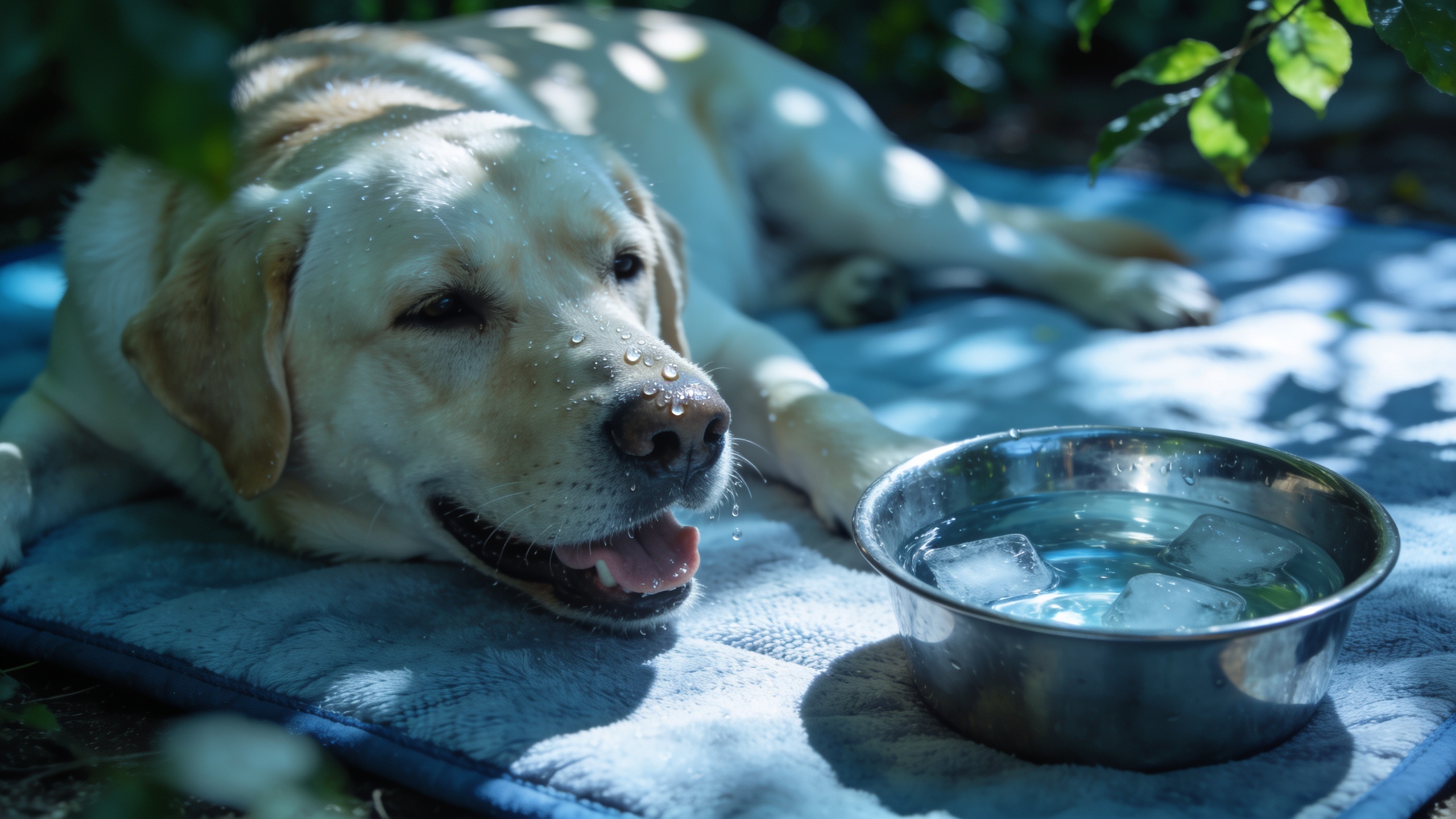
For Bulldogs and other brachycephalic breeds, environmental adjustments are vital to prevent exacerbation of respiratory issues. Limit outdoor activities during peak heat and humidity, and provide ample hydration alongside cool, ventilated living spaces. Investing in a canine cooling vest or mat during summer months can help mitigate heat stress. Owners should be educated to recognize early respiratory distress signs, such as labored breathing or excessive panting, allowing for prompt veterinary assessment.
German Shepherds and similarly affected breeds should be actively screened for hip dysplasia through early imaging, particularly if there is a familial history of joint issues. Once diagnosed, owners can implement joint supplements like glucosamine and omega fatty acids to support joint health, in conjunction with tailored exercise regimens aimed at maintaining a healthy weight and supporting muscular strength around the joint.
Genetic Risks and Considerations
Genetic predispositions significantly impact the health of specific dog breeds, with a high number of inheritable conditions that can affect quality of life. For instance, breeds known for their athletic builds, such as Greyhounds, face a heightened risk for conditions like osteosarcoma, a malignant bone cancer. Ongoing studies suggest a strong genetic component linked to their rapid growth rates and specific bone structures. Early signs include limping, reluctance to bear weight on a limb, or swelling in the affected area. Prompt veterinary evaluation very important for better prognosis, as the cancer’s aggressiveness necessitates swift intervention.
Moreover, some breeds, such as Bulldogs and Pugs, are predisposed to a myriad of genetic respiratory issues stemming from their brachycephalic anatomy. The underdevelopment of airways leads to obstructive sleep apnea and other airflow-related disorders. Owners should monitor for post-exercise coughing, snorting, or labored breathing, which are indicators of respiratory distress. Surgical interventions, such as soft palate resection or nares widening, may be warranted in severe cases to enhance airflow and overall quality of life.
Additionally, breeds like the Cavalier King Charles Spaniel genetically carry the risk of Mitral Valve Disease, characterized by the degeneration of heart tissue leading to heart failure. Routine echocardiograms can aid in early detection, thereby enabling preventative measures such as medication or dietary modifications to manage weight and reduce cardiac workload. Owners should remain vigilant for signs such as coughing, lethargy, or fainting, which necessitate immediate veterinary attention.
Certain herding breeds, like the Border Collie, are predisposed to Collie Eye Anomaly, a genetic condition resulting in varying degrees of ocular abnormalities. This condition can lead to blindness in severe cases. Regular veterinary check-ups and ophthalmic examinations are vital for early detection, while genetic screening of breeding dogs can mitigate the transmission of this condition to future generations. Observing for unusual behavior in low-light conditions can be an early sign of visual impairment.
In terms of color dilution alopecia, we see prevalence in breeds such as the Doberman Pinscher and the Weimaraner, leading to hair loss and skin irritations. This condition originates from specific gene mutations that affect hair follicle structure and function. Owners should be educated on the importance of proper dermatological care and nutrition. Products with fatty acids and anti-inflammatory ingredients can support skin health, along with regular veterinary dermatological evaluations if noticeable skin changes arise.
Understanding these genetic risks enables breed enthusiasts and owners to take proactive measures that can significantly enhance the chances of early detection and intervention. Surveillance for breed-specific problems through regular veterinary consultations and genetic testing for breeding candidates will not only improve individual health outcomes but also address broader breed health standards.
Related Posts

How to Transition Your Dog to a New Diet Safely

Calming Dog Bed Mat