Natural Ways to Relieve Your Dog’s Anxiety
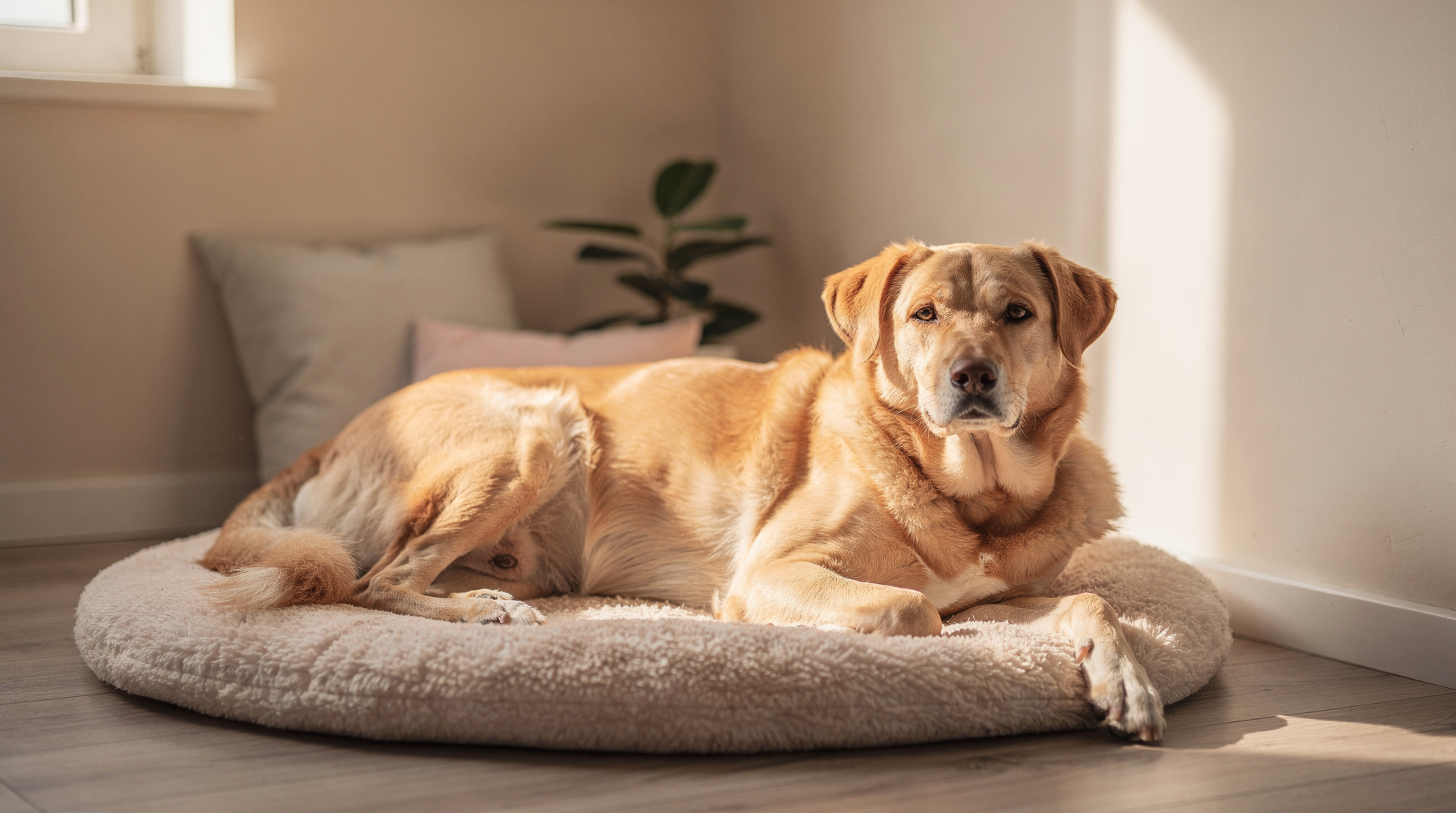
Anxious dogs usually first show subtle displacement behaviors before any obvious “panic” appears. These include yawning when not tired, frequent lip-licking, rapid sniffing of the ground, shaking off as if wet, scratching, sudden interest in unrelated objects, and repeated posture changes. These behaviors are not random; they’re short-term stress regulators used when the dog cannot easily resolve a social or environmental conflict. A soft mouth, lowered head, partially turned body, and weight shifted backward often indicate avoidance rather than relaxation, especially when accompanied by a tense tail held low or immobile.
Watch for changes in how the dog uses distance. Many anxious dogs try to move away from a trigger before they escalate, and when escape is blocked they may freeze, stare, or become noisily active. Freezing is often misread as calm, but a dog with a closed mouth, fixed gaze, reduced blinking, and rigid muscles is frequently in a high-arousal state. Some dogs increase reactivity only after repeated exposure because chronic stress lowers threshold and makes the nervous system more easily activated. In these cases, barking, lunging, or snapping may be the end stage of a sequence that began with much quieter signals.
Body language differs with temperament, breed heritage, and age. Herding breeds often become hypervigilant, scanning constantly and reacting to small movements because selective breeding favored fast orientation to environmental change. Scent hounds may appear “stubborn” when they’re actually overburdened by too many competing odors and auditory inputs. Toy breeds and many lines bred for close human attachment may show separation-related distress through following behavior, vocalization, house soiling, or destructive attempts at exit points. Adolescents frequently show unstable thresholds because the social brain is still maturing, while senior dogs may develop anxiety when sensory loss, pain, or cognitive decline reduces their ability to predict events.
Physiological signs matter because stress activates sympathetic output and suppresses normal digestive and resting patterns. Look for panting in a cool room, dilated pupils, tremors, salivation, shedding, recurrent diarrhea, urinary accidents, reduced appetite, or repeated swallowing. Some dogs yawn and stretch excessively as self-soothing, but in a stressed dog these signals appear in clusters and in specific contexts such as veterinary visits, car rides, visitors, or hearing noises through thin walls. A dog that cannot settle, changes sleeping location repeatedly, or startles from sleep is often under persistent arousal.
Now retrieving an image set.
Amazon Basics Dog Poop Leak Proof Bags with Dispenser and Leash Clip, Unscented, 13" x 9" Large Size, 300 Count
$10.43 (as of September 19, 2026 04:12 GMT +00:00 - More infoProduct prices and availability are accurate as of the date/time indicated and are subject to change. Any price and availability information displayed on [relevant Amazon Site(s), as applicable] at the time of purchase will apply to the purchase of this product.)Reliable interpretation depends on pattern, not one event. A single yawn means little; repeated calming signals combined with avoidance, muscle tension, and trigger-specific escalation strongly suggest anxiety.
Differentiate anxiety from pain, illness, or overexcitement. Pain can mimic anxiety through restlessness, guarding, and irritability; endocrine disease, gastrointestinal discomfort, otitis, and neurologic conditions can all alter behavior. Anxiety is more likely when signs are linked to predictable triggers, improve with increased distance, and worsen when the dog is unable to control exposure. Keep a brief log of trigger, posture, vocalization, elimination, recovery time, and intensity, because early identification allows intervention before the dog learns that barking, pulling, or biting reliably ends the situation.
Calming must reduce pressure, not force compliance. Many dogs become more unsettled when people repeat cues, lean over them, hold the collar, or insist on eye contact, because direct social pressure increases arousal and removes the dog’s ability to choose distance. A quieter human posture, slower movement, and turning the body slightly sideways often lower tension faster than verbal reassurance. In dogs that are already over threshold, touch can either help or worsen state; firm, deliberate contact may be useful for some individuals, but a distressed dog that stiffens, turns away, licks its lips, or lifts a paw is asking for space, not more handling.
Predictable routines help because the anxious nervous system performs poorly with uncertainty. Feed, walk, toilet, and rest at stable times so the dog does not have to constantly monitor for the next event. Use the same door, route, and pre-walk sequence when possible, but avoid turning routine into a rigid ritual that collapses if interrupted. The aim is lower cognitive load, not dependence on exact choreography. Dogs with separation distress often benefit from departures that are intentionally low-signal: no prolonged goodbyes, no sudden bursts of activity before leaving, and no dramatic return that magnifies arousal. If the dog is rehearsing panic at departure cues such as keys, shoes, or a changed coat, those cues should be broken into neutral, non-predictive fragments and paired with brief absences only below panic threshold.
Environmental control is often the most effective calming tool. Reduce visual triggers by limiting access to windows during peak stimulus periods, because repeated fence running, door barking, and street monitoring maintain adrenaline release. Lower auditory load with white noise, soft music, or closed doors if fireworks, thunderstorms, or hallway sounds are a problem. For dogs that orient strongly to movement, mat placement in a less exposed part of the home can reduce scanning behavior. In multi-dog homes, separate resources so the anxious dog is not forced into repeated social negotiation over food, resting places, or owner proximity.
Teach a conditioned relaxation cue only after the dog can settle at baseline. That is not a command to “calm down”; it is a learned association built by repeatedly pairing a word, mat, or location with rest and low arousal. The dog must be able to remain under threshold, because practice during escalation strengthens the stress response rather than the desired state. Use short, successful repetitions and stop before the dog becomes restless. Reward quiet orientation, soft muscles, and voluntary downshifts in activity, not frantic compliance.
Calm is not created by suppressing behavior; it’s created by removing conflict, predicting events, and allowing the dog to regain control of distance.
- Interrupt early pacing, scanning, and lip-licking by changing the picture before escalation begins.
- Increase distance from the trigger first; proximity reduction is often more effective than any cue.
- Avoid repeated exposure to the same trigger if the dog cannot recover within minutes, because sensitization accumulates.
- sniffing, quiet walking, and undisturbed rest.
- Monitor recovery time; a dog that remains hypervigilant long after the event is not coping well and needs a lower stimulus load.
Dogs with a strong need for control benefit from simple choices that do not increase arousal, such as selecting between two resting places or choosing whether to approach a person. Choice lowers learned helplessness, which is a common component of chronic anxiety. Food can be used to support calm states, but only if the dog can eat in a relaxed posture; a dog that snatches, scans, or refuses food is too activated for training or enrichment to be therapeutic at that moment.
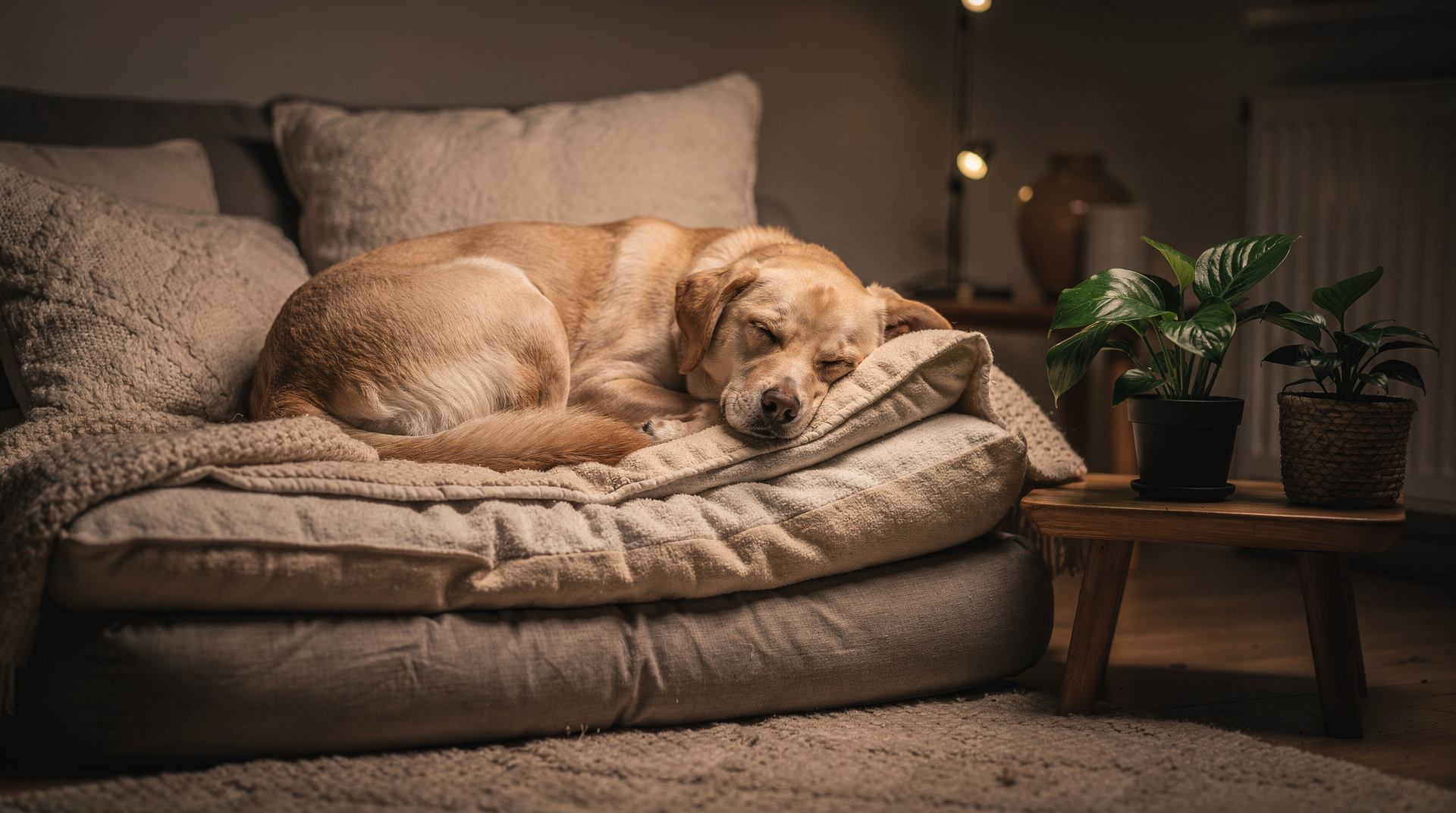
Sleep quality is a hidden factor. Chronic light sleep, frequent startling, or sleeping in passages where people and dogs pass continuously keeps the stress system activated. Provide a protected resting site with low traffic, good visibility if the dog is watchful, and an option to retreat without being followed. For older dogs, reduced vision or hearing can make sudden touch or approach especially distressing, so routines should include announcing presence gently and avoiding surprise contact.
Natural support works best when it’s matched to the dog’s underlying driver of anxiety. A dog with separation distress, noise phobia, generalized hypervigilance, or pain-related irritability will not respond identically, because the stress pathway is different in each case. The aim is to lower basal arousal and improve recovery, not to sedate the dog into immobility. Plants, supplements, and food changes can help, but only when they reduce sympathetic activation or support neurotransmitter balance without creating gastrointestinal upset, paradoxical agitation, or masking a medical problem.
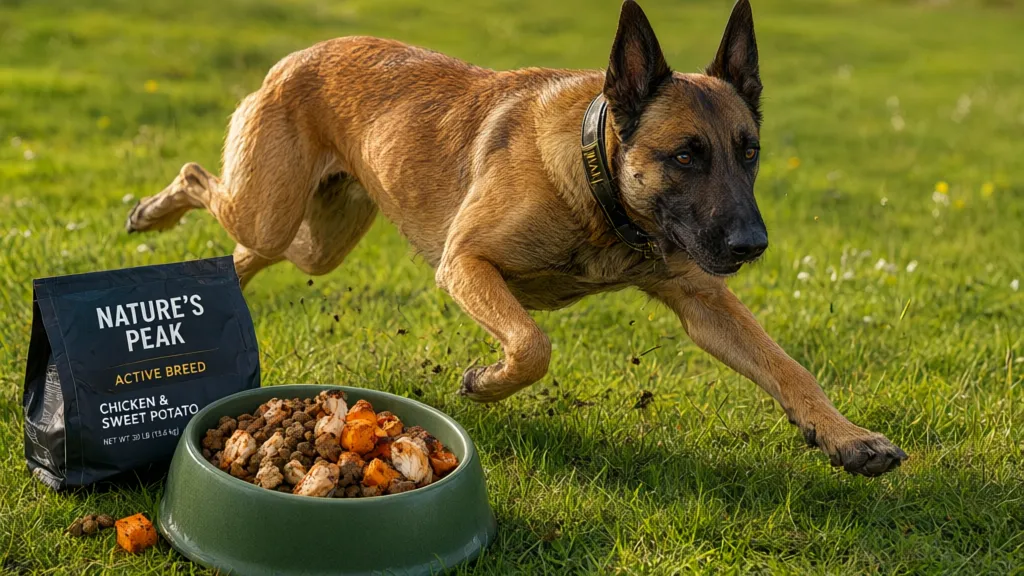
Nutrition is often overlooked because chronic low-grade digestive discomfort raises stress reactivity. Dogs with unstable stools, food hypersensitivity, reflux, or bloating often show restlessness, lip-licking, swallowing, and difficulty settling long before obvious gastrointestinal signs appear. A diet with adequate digestibility, consistent meal timing, and stable protein sources is preferable to frequent ingredient changes, which can increase gut vigilance in sensitive animals. In dogs that are thin, highly active, or working breeds with high metabolic demand, hunger itself can amplify irritability and scanning behavior, so food amount and distribution across the day matter. Omega-3 fatty acids, especially EPA and DHA, may support neural membrane function and inflammatory balance; they’re more useful when anxiety is accompanied by skin disease, arthritis, or inflammatory gut signs.
Some dogs benefit from targeted nutrients that influence neurotransmission. L-theanine may support relaxed wakefulness in individuals that become tense without falling asleep, while alpha-casozepine from milk proteins can reduce reactivity in some dogs with mild to moderate stress sensitivity. These are not instant anxiolytics; they tend to work best as part of a consistent program over days to weeks. Magnesium is sometimes suggested, but indiscriminate supplementation is unwise because digestive tolerance varies and evidence is less consistent than many owners assume. Any supplement that causes loose stool, increased panting, or unusual dullness should be stopped, because adverse effects can mimic worsening anxiety.
Herbal products require more caution than many owners expect. Valerian, chamomile, passionflower, and similar botanicals may produce mild calming effects, yet potency varies widely between products, and some preparations contain contaminants or inaccurate dosing. Dogs with liver disease, seizure disorders, or concurrent medication use are at higher risk of interactions. CBD is often marketed for anxiety, but product quality, THC contamination, and inconsistent dosing are recurring problems; effects can range from mild sedation to gastrointestinal upset and abnormal liver enzyme changes. Natural does not mean safe, especially in small dogs, seniors, and dogs taking anticonvulsants, NSAIDs, or behavior medication.
Exercise should be dosed for arousal control, not exhaustion. High-intensity fetch, repetitive ball chasing, or chaotic dog-park exposure can increase cortisol and reinforce adrenaline-seeking patterns, especially in herding, sporting, and terrier breeds selected for persistence and rapid response. Better options are rhythmic leash walking, sniffing walks, low-pressure hill work, and controlled exploration that lets the dog process information at its own pace. Sniffing is neurologically down-regulating because it shifts the dog into exploratory, parasympathetic-dominant behavior. For puppies and adolescents, short decompression periods are more effective than long, stimulating outings, because immature impulse control makes overexposure easy and recovery slow.
Weight-bearing comfort is part of anxiety management. Pain from osteoarthritis, cruciate disease, spinal disease, dental disease, or otitis frequently drives chronic tension and reactivity. If a dog is reluctant to rise, resents grooming around the head or hips, or becomes defensive during handling, pain must be investigated before attributing the behavior to temperament. A dog in pain cannot learn relaxation reliably, because nociceptive input keeps the stress system primed. Arthritis management, dental treatment, and sleep surface optimization often reduce “behavioral” anxiety more than any supplement.
- Use a stable, highly digestible diet if stools, gassiness, or reflux correlate with restlessness.
- Consider omega-3s, L-theanine, or alpha-casozepine only when the dog can tolerate them and the goal is mild support, not rescue treatment.
- Avoid product stacking; multiple calming supplements together can create sedation without true stress reduction.
- Prefer sniffing, free movement, and low-pressure exploration over high-arousal exercise.
- Investigate pain, sensory loss, thyroid disease, gastrointestinal disease, and neurologic change when anxiety appears later in life or worsens rapidly.
When the body is uncomfortable, the brain cannot relax; when the environment is predictable, the dog can begin to lower arousal without being pushed.
Related Posts
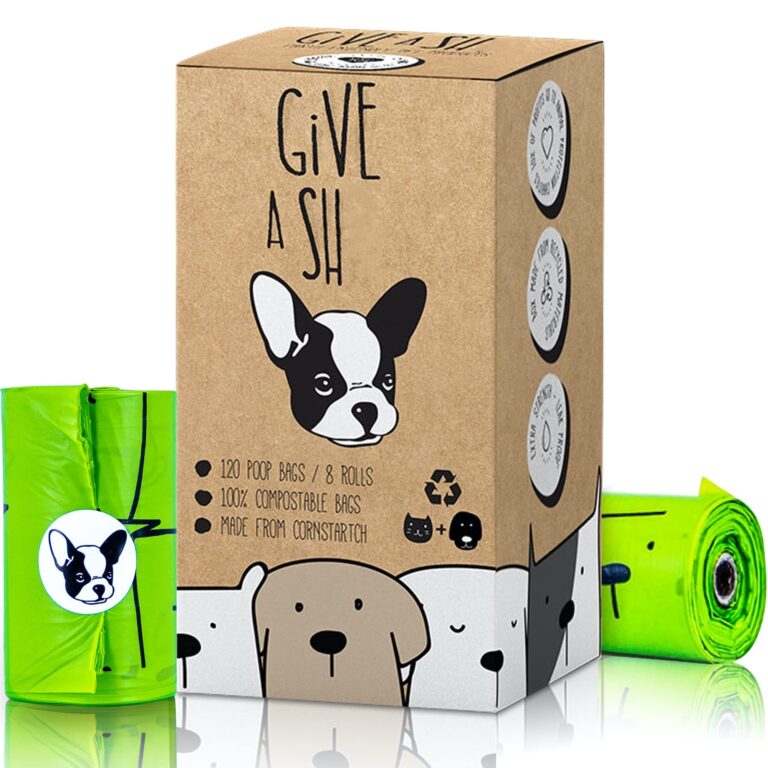
Certified Home Compostable Dog Poop Bags

The Link Between Diet and Canine Behavior