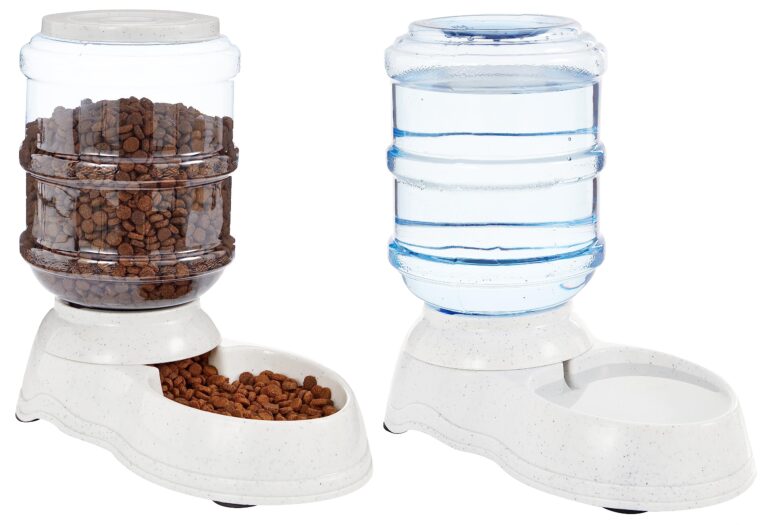
The Power of Play – Fun and Fitness for Your Dog
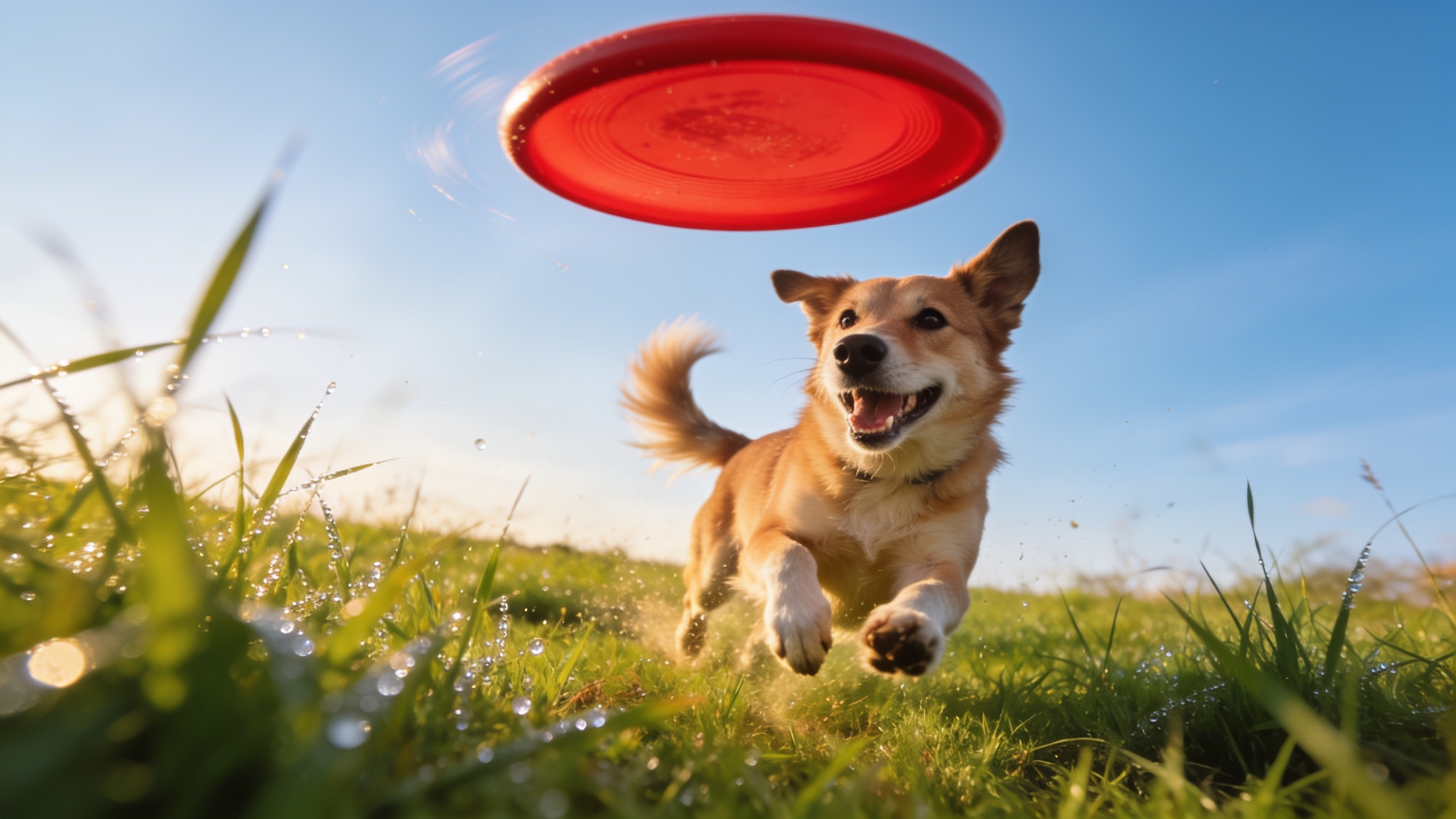
Play is not merely “extra exercise”; it is a biologically efficient way to train neuromuscular coordination, regulate arousal, and reinforce species-typical movement patterns. In puppies, rough-and-tumble play, chasing, pouncing, and rapid directional changes strengthen proprioception, timing, and balance during a period of high neuroplasticity. That is one reason uneven surfaces, brief bursts of sprinting, and controlled tug can improve body awareness more effectively than repetitive leash walking alone. In adult dogs, play recruits fast-twitch muscle fibers, maintains joint range through varied motion, and supports lean body mass when combined with appropriate caloric intake. In geriatric dogs, low-impact play helps preserve motor planning and confidence by keeping the dog engaged in voluntary movement instead of allowing stiffness to dominate behavior.
Behaviorally, play functions as a powerful reinforcement system because it activates the dog’s reward circuitry without requiring food every time. For many dogs, a well-timed game is a stronger reinforcer than treats, especially in high-drive individuals selected for retrieving, herding, terrier pursuit, or protection work. That makes play useful for shaping recall, disengagement from distractions, and impulse control: the dog learns that orienting to the handler and controlling arousal produces access to the game. Dogs with a history of low engagement, fear-based inhibition, or chronic stress often show improved responsiveness when training is paired with short, predictable play sessions that end before the dog becomes overstimulated.
Play also exposes emotional state. A dog that can start, pause, and resume a game is demonstrating flexible arousal regulation; a dog that becomes frantic, mouthy, repetitive, or unable to release the toy may be crossing into sympathetic overdrive. That distinction matters because excessive arousal degrades learning, increases collision risk, and can trigger frustration-related behaviors such as barking, grabbing clothing, or guarding the toy. Breed tendencies influence this threshold: retrievers may persist through fatigue because of strong chase and carry instincts, while herding breeds may show stalking and circling in play that can spill into nipping if the outlet is too intense or too prolonged. Terriers often display a high prey sequence and may need shorter, more structured games to prevent escalation.
From a welfare standpoint, play improves environmental coping when it is species-appropriate and voluntary. Dogs that regularly engage in varied play tend to show lower baseline tension, better tolerance of novelty, and faster recovery after stress because predictable social interaction and movement reduce the accumulation of frustration. In contrast, forced exercise without play can leave some dogs physically tired but mentally underfulfilled, which often appears as pacing, vocalization, destructiveness, or difficulty settling. The clearest sign that play is benefiting the dog is not exhaustion but stable body language after the game: loose muscles, rapid recovery of breathing, soft facial expression, and the ability to offer alternative behaviors without fixation.

Pur Luv Chicken Jerky Dog Treats,100% Real Chicken Breast, 16 Ounces | 3-ingredient jerky: whole-muscle chicken breast, 12g protein/treat; no dyes, fillers or artificial flavors
$14.09 (as of October 3, 2026 09:10 GMT +00:00 - More infoProduct prices and availability are accurate as of the date/time indicated and are subject to change. Any price and availability information displayed on [relevant Amazon Site(s), as applicable] at the time of purchase will apply to the purchase of this product.)Nutrition and medical status shape the quality of play. A dog that’s underfed, obese, arthritic, brachycephalic, or recovering from orthopedic injury may want to play but lacks the physiological reserve to do it safely. Obesity increases joint load and shortens safe play duration; brachycephalic dogs can overheat quickly during high-excitement games because airway limitation and impaired heat dissipation raise respiratory strain; puppies of large and giant breeds require moderation to protect growth plates and reduce repetitive impact. If play repeatedly ends in limping, coughing, prolonged panting, or reluctance to re-engage, the issue is no longer “exercise tolerance” but possible pain, airway compromise, or poor conditioning requiring veterinary assessment.
Well-designed play teaches the dog how to win, lose, pause, and restart, which are core skills for emotional resilience. The mechanism is simple: short, predictable sequences with clear cues lower uncertainty, and the dog learns that self-control extends access to the reinforcer. That is why play can be used not only for fitness, but for behavior change in dogs that are overreactive, underconfident, or difficult to motivate with food alone.
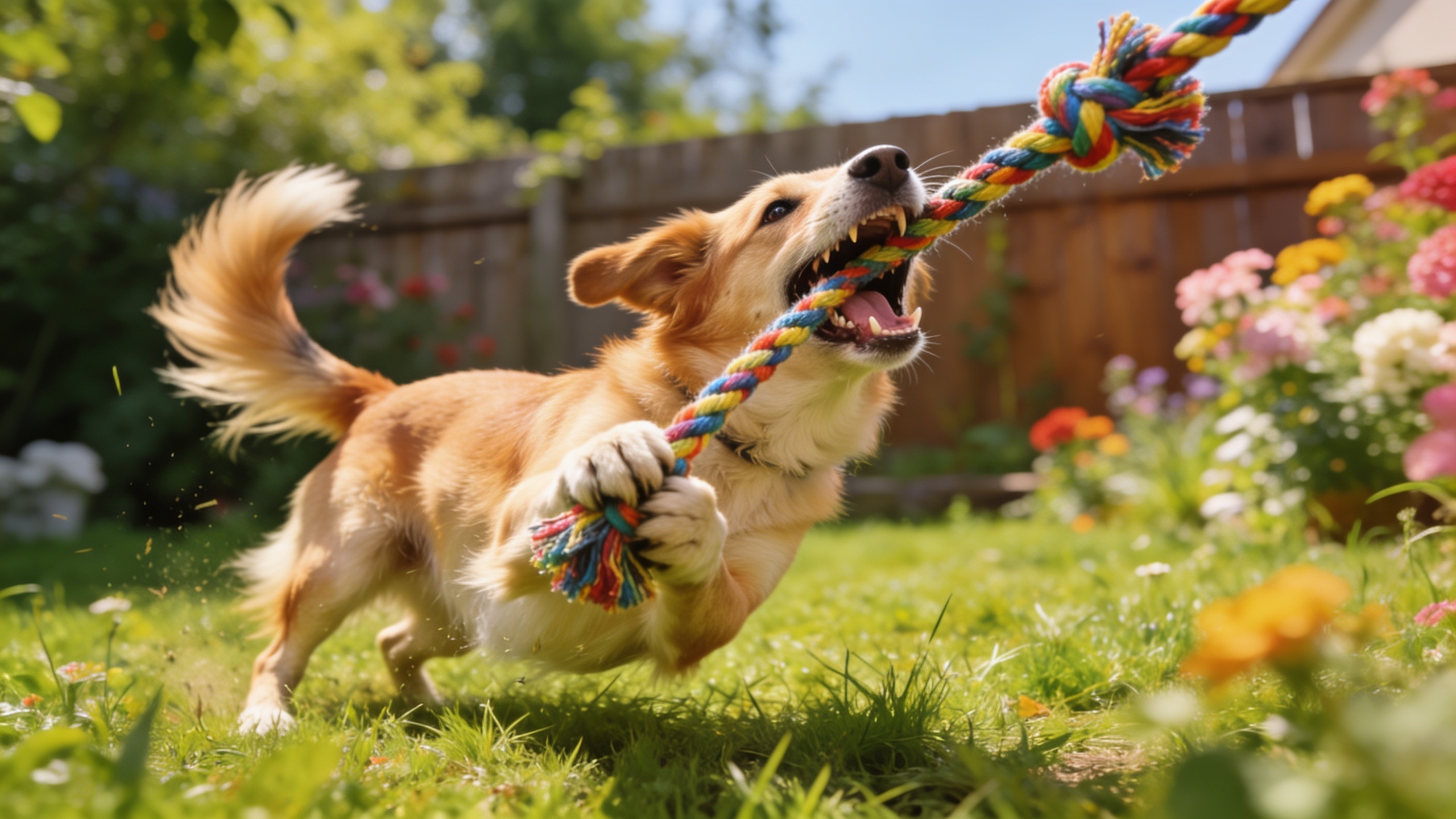
Useful fitness games are defined by movement quality, arousal control, and the dog’s orthopedic risk profile, not by how tired the dog looks afterward. A retrieve done on level ground with brief acceleration and a clean return builds chase, braking, and reorientation; the same game on slippery floors or in tight turns increases torsion at the stifle and hock, especially in dogs with cranial cruciate disease risk or a history of soft-tissue injury. Tug develops bite inhibition, cervical strength, and handler engagement when the dog is taught to take, hold, release, and re-grip on cue; the value is lost if the game becomes prolonged pulling with head-shaking in a dog with neck pain, dental disease, or brachycephalic airway compromise.
Hide-and-seek and scatter-fed searches are among the most efficient low-impact conditioning tools because they combine locomotion with olfactory effort, which recruits the brain without excessive impact on joints. Sniffing lowers behavioral arousal in many dogs by shifting the task from prey pursuit to investigative problem solving, making it useful for excitable adolescents, fearful dogs, and breeds selected for tracking or scent work. Repeated search patterns also improve turning mechanics and postural control in dogs that are weak in the core, senior dogs that have lost confidence on uneven ground, and recovering patients cleared for controlled activity.
Impulse games are the difference between play that builds fitness and play that builds chaos. Exercises such as stop-start chase, delayed release to a toy, and brief wait-to-go cues strengthen inhibitory control because the dog must tolerate a rising reward state without breaking position. Dogs with high predatory drift, including many terriers, spaniels, and herding breeds, often benefit from this structure because it channels pursuit instincts into a controllable sequence rather than a self-reinforcing frenzy. The handler should watch for fixation, vocalization, hard staring, or repeated crowding, which indicate the dog is nearing a threshold where learning shuts down and collision risk rises.
For puppies, the best fitness games are short, varied, and surface-conscious. Stair racing, repetitive jumping, and prolonged fetch can overload immature growth plates and increase cumulative strain on elbows, shoulders, and hips, especially in large and giant breeds with rapid growth or dysplastic inheritance. Better choices include brief chase on grass, low obstacle pathing, tug with frequent pauses, and body-awareness games that reward stepping onto stable objects, backing up, or changing direction on cue. These activities develop coordination without imposing the repetitive impact that can shape later orthopedic problems.
In adults, play should match the dog’s structural limits and historical function. Deep-chested, high-drive sporting dogs may tolerate sprint-based games but still require warm-up to reduce muscle strain; long-backed breeds need careful control of twisting and jumping; short-muzzled dogs need conservative intervals because thermal load can rise before the owner notices distress. A dog that slows, flattens the ears, snatches the toy harder, or starts grabbing clothing is not simply “having more fun”; these are early signs that arousal is climbing faster than the dog can regulate, and the game should be interrupted before sloppy mechanics and frustration appear.
Red flags that the fitness game is no longer appropriate include:
- limping during or after play
- persistent head bobbing, spinal stiffness, or reluctance to jump
- coughing, abnormal panting, or blue-tinged gums
- difficulty releasing toys or escalating guarding behavior
- loss of coordination, slipping, or delayed recovery to normal breathing
These signs point to pain, overheating, cardiovascular limitation, or excessive arousal, each of which changes the safety equation. The most effective play program is the one that produces a dog who is physically fit, behaviorally flexible, and able to stop cleanly, rather than one that merely drains energy through repetition.
Related Posts
Puppy Pads with Pheromones
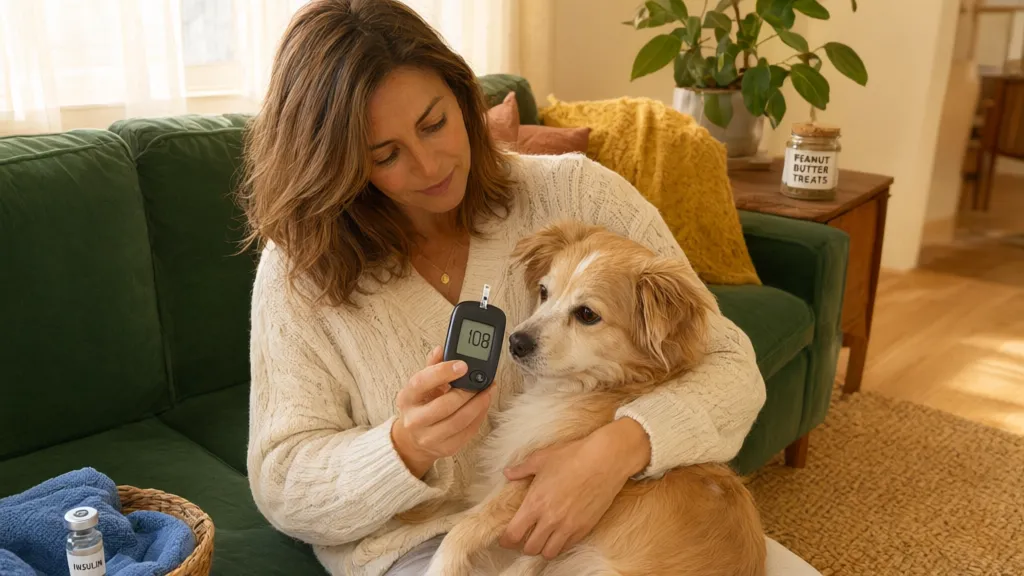
Coping with Canine Diabetes – Managing Blood Sugar Levels