
How to Transition Your Dog to a New Diet Safely
The selection of an appropriate diet for canines must account for breed-specific dietary needs, age-related nutritional requirements, and existing health conditions. The genetic predispositions of certain breeds influence their metabolism and dietary tolerances; for instance,...

Exploring the World of Dog Food Toppers
Dog food toppers fall into four primary categories: wet toppers, dry toppers, freeze-dried toppers, and fresh food toppers. Each type provides distinct benefits and can influence a dog’s dietary intake and overall health. Wet toppers...

Top Myths About Feeding Dogs Debunked
One prevalent myth is that dogs thrive on a meat-only diet, stemming from their ancestral lineage as carnivores. However, domestic dogs possess an omnivorous gastrointestinal system that efficiently digests carbohydrates, proteins, and fats. The presence...

Feeding Your Dog a Low-Fat Diet: When and Why
Low-fat diets for dogs reduce total fat intake typically below 10-15% of total calories, contrasting with standard diets containing about 15-25%. This reduction assists in managing specific health conditions including obesity, pancreatitis, and hyperlipidemia, which...

Raw Bones for Dogs: Nutritional Benefits and Safety Tips
Raw bones serve as a significant source of essential nutrients that contribute to a dog’s overall health. They provide an excellent source of calcium and phosphorus, which are crucial for maintaining strong bones and teeth....

Special Diets for Working and Athletic Dogs
The nutritional requirements of active dogs are significantly influenced by their energy expenditure, muscle mass, and overall health status. For dogs engaged in regular physical activity, such as working and athletic breeds, caloric intake must...

Prescription Diets for Dogs: When and Why They’re Needed
Prescription diets are specially formulated to address specific health concerns in dogs, incorporating precise control of nutrient content, caloric density, and functional ingredients. These diets are often developed based on clinical studies and are tailored...

Canine Superfoods: What Are They and Why They Matter
Canine superfoods are nutrient-dense foods that provide significant health benefits, enhancing the overall well-being of dogs through their rich profiles of vitamins, minerals, antioxidants, and omega fatty acids. These foods often have specific phytochemicals—such as...
Safe and Unsafe Human Foods for Dogs
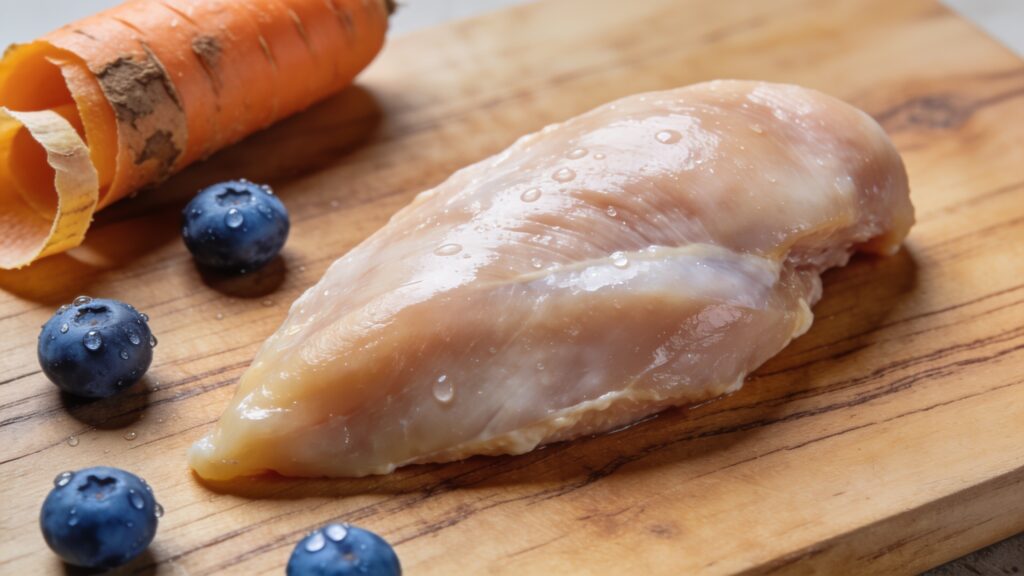
Certain human foods can contribute significantly to a dog’s diet, fostering not only caloric intake but also essential nutrients. Lean meats, such as chicken, turkey, and beef, are protein-rich options that support muscle development and...