Dealing with Dog Food Intolerances and Sensitivities

Food-related adverse reactions most often appear as persistent or recurring skin disease, digestive upset, or both. Itching—especially around the ears, paws, face, armpits, or groin—recurrent ear inflammation, and skin infections from licking or scratching can occur with food allergy, but these signs also commonly result from fleas, environmental allergens, or infection. A dog may react to a food it has eaten for months or years; prior exposure does not rule out allergy.
Digestive signs include recurrent soft stools or diarrhea, increased bowel movements, straining, gas, vomiting, and sometimes weight loss. These symptoms may follow a particular meal, but timing alone cannot identify an ingredient: food allergy involves an immune response, whereas food intolerance can arise from nonimmune mechanisms such as difficulty digesting a nutrient. Both can produce overlapping signs, and neither is reliably diagnosed by symptoms alone. Blood, saliva, hair, and similar commercial tests do not establish a food allergy.
Record the onset and frequency of symptoms, stool quality, treats, table food, chews, flavored medications, and any diet changes. Note whether itching is seasonal, whether ear or skin infections recur, and whether vomiting or diarrhea follows specific foods; these details help a veterinarian distinguish a suspected food reaction from parasites, infections, pancreatitis, inflammatory bowel disease, or environmental allergy. Do not remove multiple ingredients concurrently or interpret brief improvement as proof, because symptoms can fluctuate for unrelated reasons.
Seek prompt veterinary care for repeated vomiting, bloody or black stool, marked lethargy, dehydration, abdominal pain, or rapid weight loss. Facial swelling, hives, difficulty breathing, or collapse after eating may indicate an acute allergic reaction and require emergency care. Chronic itching or gastrointestinal signs also warrant examination, since untreated scratching can damage skin and promote infection, while prolonged digestive disease can impair hydration and nutrition.
Greenies Pill Pockets Large Size Dog Treats, Peanut Butter, 15.8 oz | Vet-recommended, masks pill smell & taste, moldable texture, capsule size, natural ingredients, no fillers, 15.8 oz. pouch
(as of November 15, 2026 22:59 GMT +00:00 - More infoProduct prices and availability are accurate as of the date/time indicated and are subject to change. Any price and availability information displayed on [relevant Amazon Site(s), as applicable] at the time of purchase will apply to the purchase of this product.)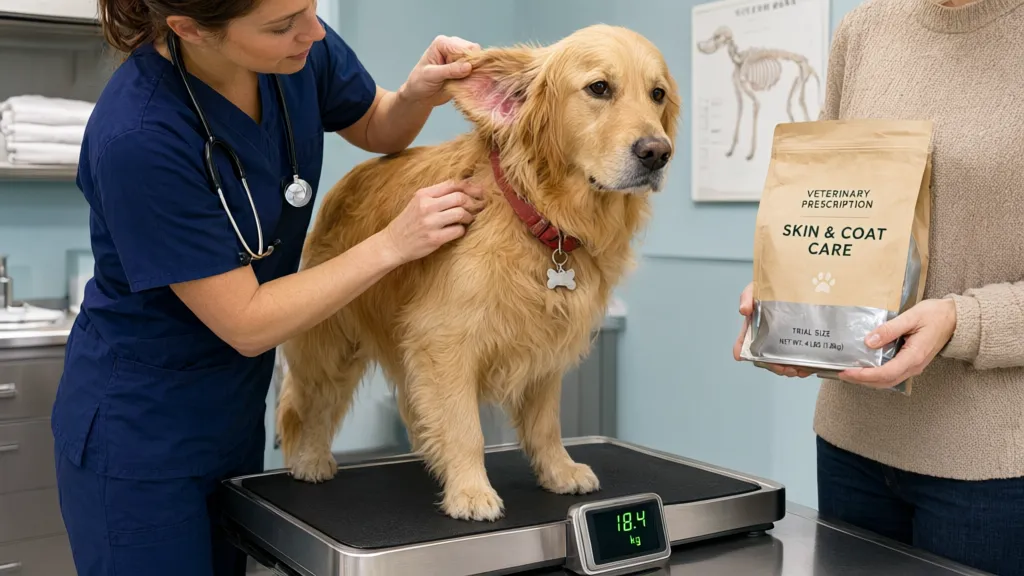
A veterinarian-supervised elimination trial is the most reliable way to determine whether food is driving a dog’s signs. Before starting, control other causes of itching or digestive disease, including parasites and skin or ear infections; otherwise, improvement or failure to improve may be difficult to interpret. Choose one complete, nutritionally balanced diet and feed it exclusively for the trial period—usually at least eight weeks for skin signs, while digestive signs may improve sooner. Some dogs need longer, particularly when skin inflammation or infection has accumulated.
The diet should contain either a novel protein the dog has not previously eaten or a hydrolyzed protein broken into small fragments that are less likely to trigger an immune response. A detailed lifetime food history helps identify genuinely novel ingredients; “new to the owner” does not mean new to the dog, and proteins may appear in treats, chews, supplements, or flavored medications. Veterinary therapeutic diets are generally more dependable for diagnosis than over-the-counter limited-ingredient foods, which may contain undeclared proteins through manufacturing cross-contact.
During the trial, provide only the selected diet and water. Exclude table scraps, training treats, dental chews, rawhides, scavenged food, other pets’ meals, and flavored supplements or medications unless the veterinarian confirms they are compatible. Use pieces of the trial food as rewards, and check ingredient labels on every product. Even a small exposure to a triggering protein can prolong symptoms or invalidate the trial.
Track itch intensity, ear and skin changes, vomiting, stool consistency, and bowel frequency each week. If signs do not improve despite strict adherence, ask the veterinarian to reassess the diagnosis, diet history, and possible accidental exposures before switching foods. Improvement on the trial diet alone does not confirm food allergy; after signs resolve, the former diet is reintroduced under veterinary guidance. Return of signs, followed by improvement when the trial diet is resumed, supports a food-related reaction. Reintroduction should be avoided without veterinary advice if the dog has had a severe reaction.
For long-term feeding, select a diet labeled complete and balanced for the dog’s life stage, with appropriate calorie and nutrient levels. A home-prepared elimination diet requires formulation by a board-certified veterinary nutritionist; simply combining a meat and carbohydrate can cause deficiencies, especially in growing puppies. Once a trigger is confirmed, the veterinarian can help identify safe foods and decide whether additional ingredients should be tested individually.
Related Posts

“Apasiri Tough Dog Toys for Aggressive Chewers”

Dealing with Canine Phobias – Strategies for Overcoming Fears