“Apasiri Tough Dog Toys for Aggressive Chewers”
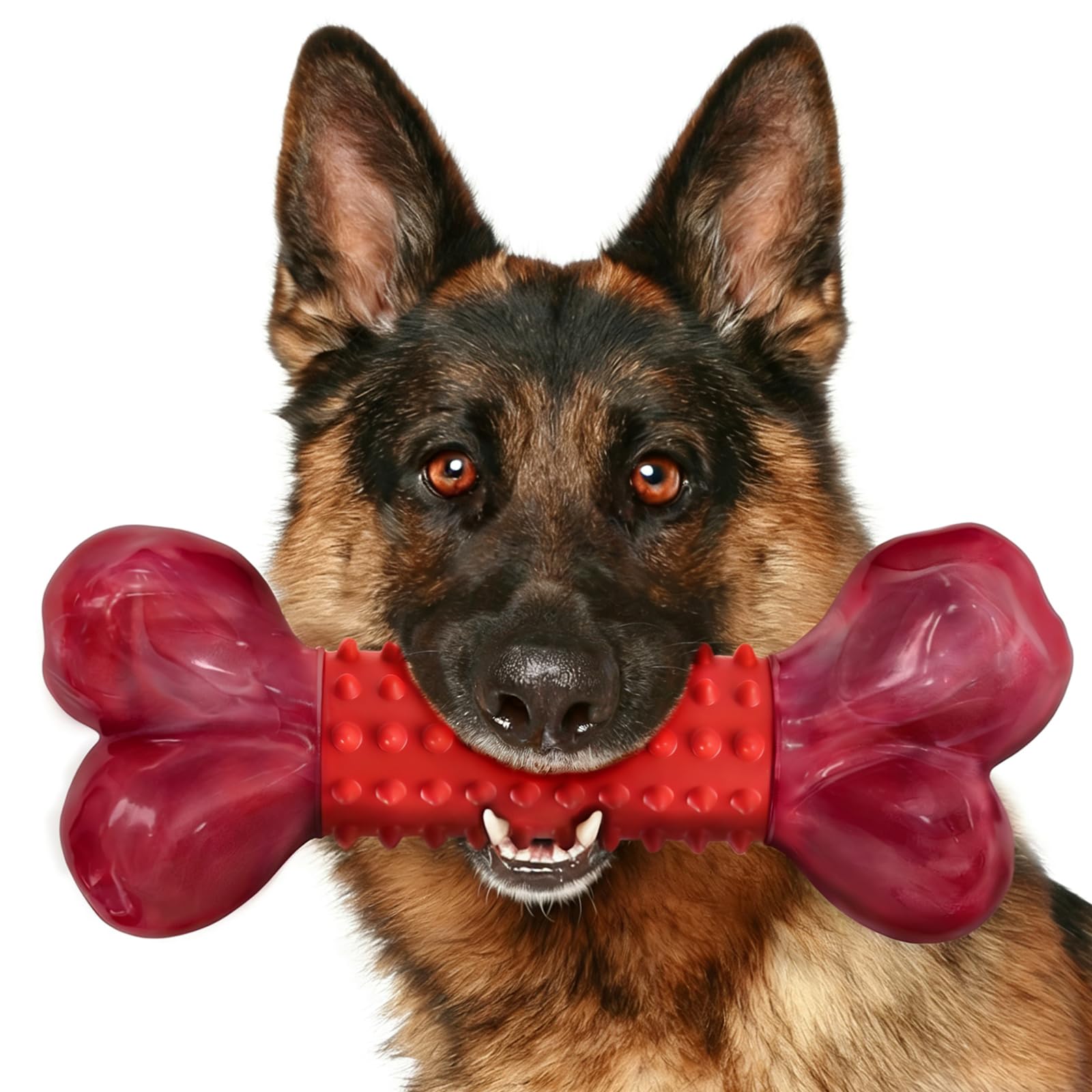
The Apasiri Tough Dog Toy is an 8-inch, roughly 10-ounce chew with nylon ends and a rubber center. Its mixed textures and beef flavor may make it more appealing than a plain chew, and the raised grooves give dogs something to mouth and investigate. It may suit some medium and large dogs, but no toy is truly indestructible—not even one marketed for power chewers.
Choose for the individual dog, not just the breed or weight range. A dog’s chewing style matters: persistent, forceful chewers may damage toys faster than dogs of similar size who chew gently. Before offering it, check that the toy is too large to swallow and cannot become lodged in your dog’s mouth. Introduce it while you can watch, and take it away if your dog tries to bite off or swallow pieces.
- Supervise and inspect: Look over the nylon and rubber before and after each session. Stop using the toy if it develops sharp edges, deep cracks, loose pieces, or damage that could be swallowed. Replace it when worn; rough, damaged edges are not automatically safe just because the listing describes wear as expected.
- Protect teeth: A very hard chew can injure teeth, especially in dogs who bite down with force. The product’s claim that its materials yield under pressure does not guarantee dental safety. If your dog bites hard enough to crack or splinter chews, ask your veterinarian what textures are appropriate.
- Use food toppings thoughtfully: A small smear of plain peanut butter can add interest, but check the label carefully for xylitol, which is toxic to dogs. Account for the extra calories, and avoid ingredients that your dog cannot tolerate.
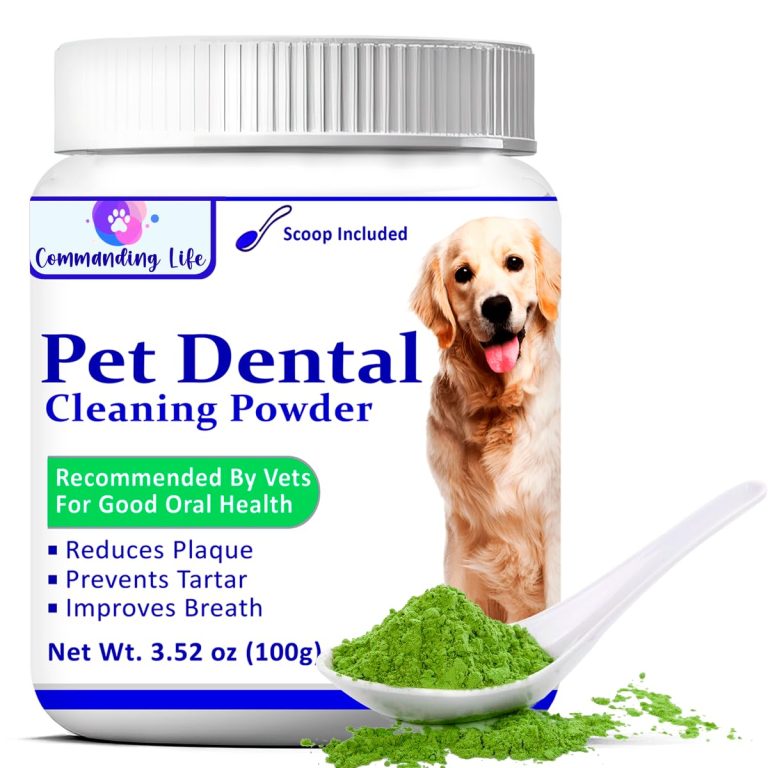
- Keep expectations realistic: Grooves and nubs may help rub the tooth surface during chewing, but this toy does not replace toothbrushing or veterinary dental care. It also cannot promise a particular amount of quiet time or prevent destructive behavior on its own.
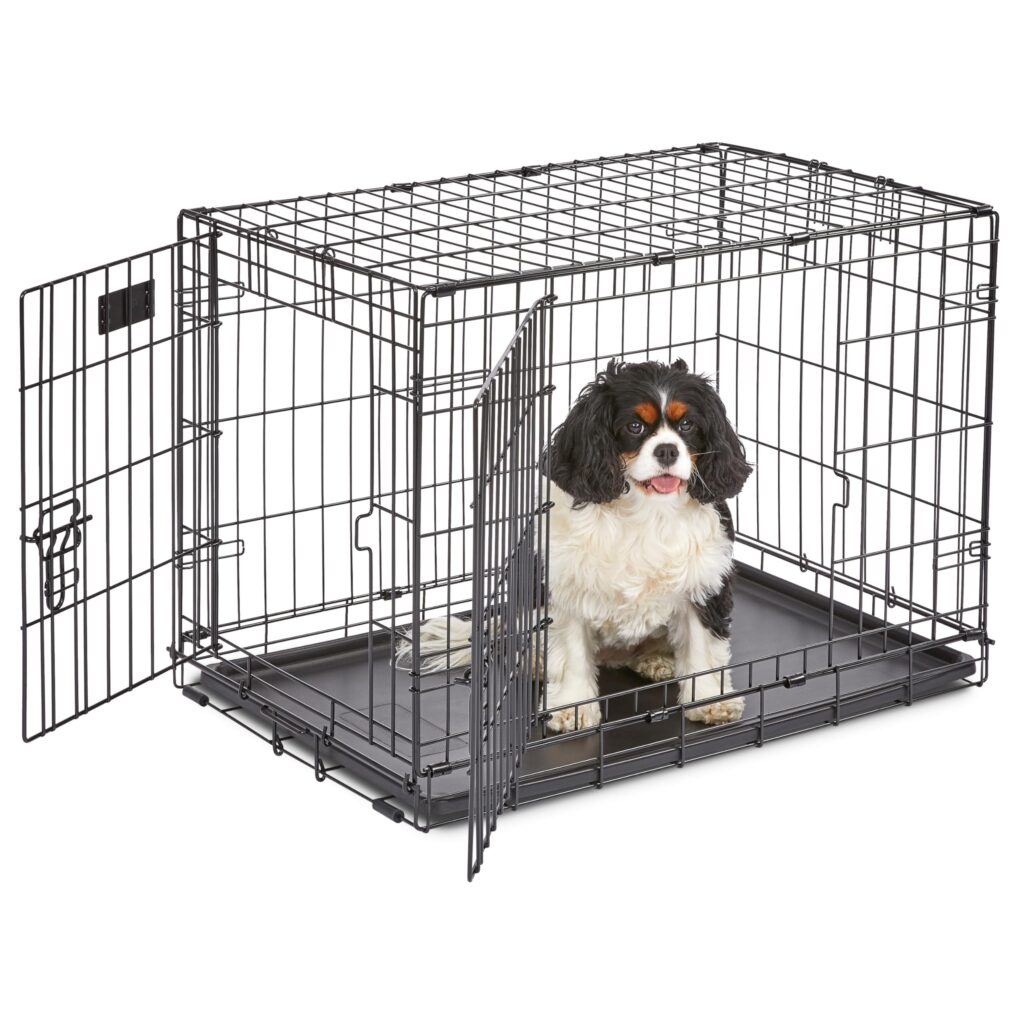
- Make it part of a routine: Offer the toy during a supervised settling period, alongside walks, play, training, and rest. For crate use, first confirm that your dog chews it safely while supervised; a chew toy is not a treatment for separation anxiety.
The bulbous ends may help some dogs hold the bone between their paws, while the different materials offer more variety than a single-texture toy. Still, individual dogs may ignore it, chew through it, or find it too hard. Watch your dog’s first sessions closely, and let their behavior—not the “aggressive chewer” label—determine whether this toy is a good fit.
Related Posts
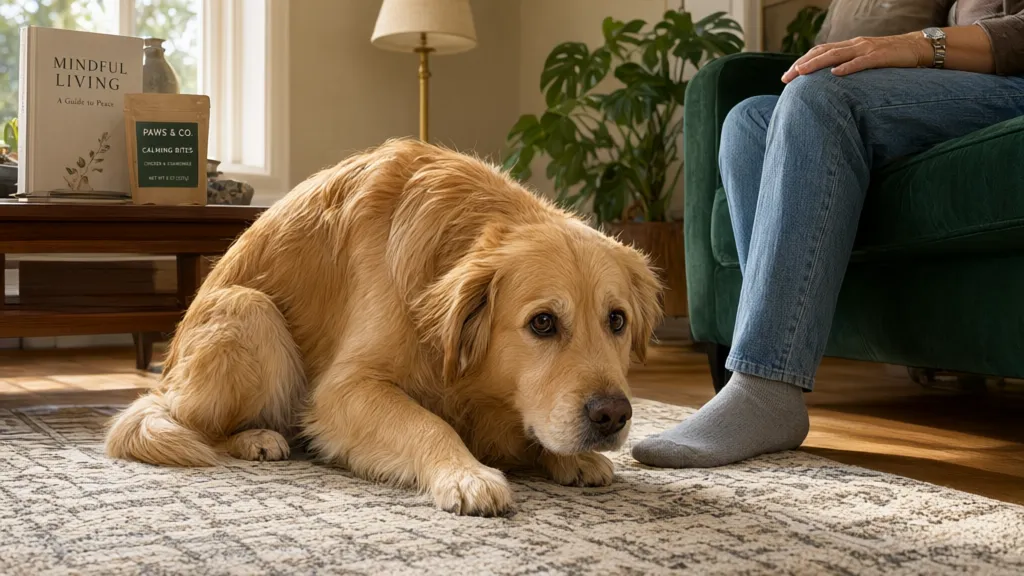
Dealing with Canine Phobias – Strategies for Overcoming Fears

Brittany