Brittany
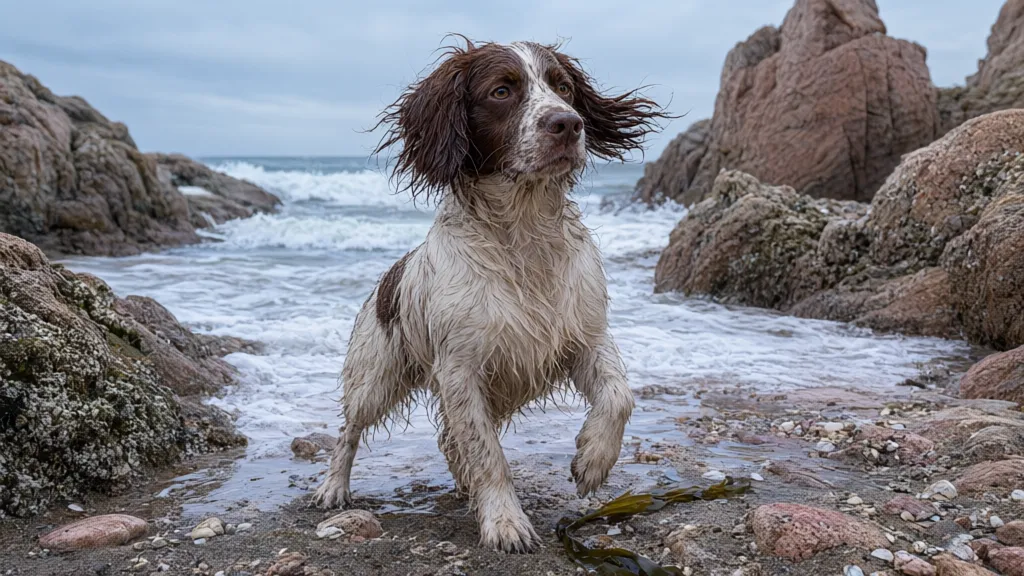
Brittany occupies France’s northwestern peninsula, bordered by the English Channel to the north and the Atlantic Ocean to the west and south. The modern administrative region comprises Finistère, Côtes-d’Armor, Morbihan, and Ille-et-Vilaine; the historical territory also includes Loire-Atlantique, now administered separately. A deeply indented coastline of bays, estuaries, cliffs, beaches, and tidal flats gives much of the region direct exposure to maritime conditions, while inland areas are generally more sheltered and gently rolling.
The climate is predominantly oceanic: temperatures are moderated by the sea, winters are relatively mild, and rainfall occurs throughout the year. Western and coastal districts tend to be windier and wetter; eastern districts, farther from the Atlantic influence, experience somewhat greater temperature variation. Local weather can change quickly, and strong winds, heavy rain, rough surf, and rapidly shifting tides are practical hazards along exposed shores.
For dogs, the mild climate does not eliminate risks from cold stress. A wet coat combined with wind can accelerate heat loss, particularly in puppies, elderly animals, lean short-coated breeds, and dogs with chronic illness. After coastal walks, dry the dog thoroughly, check paws for cuts from rocks or shells, and rinse off salt and sand to reduce skin irritation. Fresh water should be available because seawater ingestion can cause vomiting, diarrhea, and dangerous sodium disturbances.
Tidal range and coastal terrain require active supervision. A beach that appears passable can become isolated by a rising tide, and slippery seaweed, steep paths, cliff edges, and strong currents increase injury and drowning risk. Keep dogs leashed near livestock, nesting birds, and wildlife-rich dunes; disturbance can damage sensitive habitats and may breach local access rules. In warmer spells, sun exposure on open beaches can still cause overheating, especially when dogs exercise on sand without shade or access to drinking water.

Nutramax Proviable Probiotics for Dogs & Cats, Sprinkle Capsules, 30ct | Probiotics for Cats and Dogs, Plus Prebiotics, Daily Gut Health Support Supplement, Multiple Strains, Sprinkle on Food
(as of November 12, 2026 22:19 GMT +00:00 - More infoProduct prices and availability are accurate as of the date/time indicated and are subject to change. Any price and availability information displayed on [relevant Amazon Site(s), as applicable] at the time of purchase will apply to the purchase of this product.)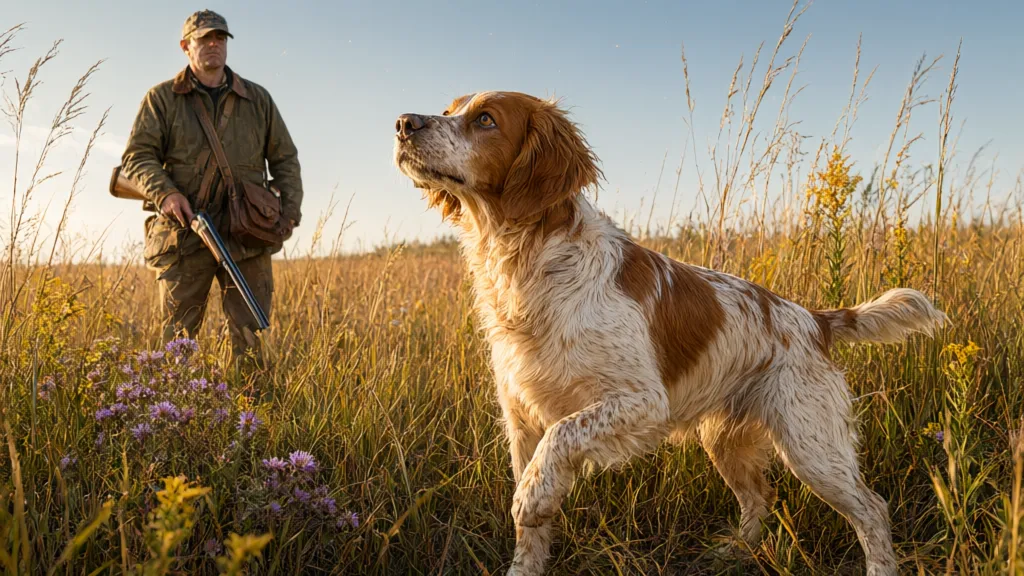
Much of Brittany’s distinct identity derives from migration and language. From the fifth century onward, people from southwestern Britain settled in Armorica, bringing Brittonic speech that developed into Breton, a Celtic language related to Welsh and Cornish rather than French. Breton became strongest in the west, while Gallo, a Romance language, was traditionally spoken in the east. French-language schooling and administration sharply reduced everyday use of Breton during the nineteenth and twentieth centuries; contemporary language courses, bilingual education, publishing, and music support its revival, although fluent speakers remain a minority.
The Duchy of Brittany maintained substantial political autonomy through the medieval period, with its own rulers, institutions, and legal traditions. The duchy was joined to the French crown in 1532, but regional identity persisted through local customs and political institutions. The French Revolution and later centralization weakened those institutions and promoted French as the language of public life. Disputes over regional status, including the separation of Loire-Atlantique from the modern administrative region, remain part of contemporary debates about Brittany’s historical boundaries.
Maritime work shaped settlement and culture along the coast: fishing, shipbuilding, trade, and naval service connected Breton ports to wider Atlantic networks. Inland communities relied more on agriculture and livestock, while religious life produced local pardons—pilgrimage festivals centered on a parish saint—and distinctive stone calvaries and parish enclosures. Fest-noz, communal evening dances accompanied by traditional music, and bagadoù, ensembles featuring bagpipes, bombardes, and drums, sustain regional performance traditions. Breton crêpes, buckwheat galettes, seafood, and cider reflect local crops, coastal resources, and longstanding foodways.
Rural hunting traditions also shaped the region’s dog heritage. The Epagneul Breton, or Brittany Spaniel, developed as a compact pointing and retrieving gundog suited to varied terrain and close cooperation with hunters. Selection for locating game and maintaining contact with a handler produced high activity, strong scenting interest, and responsiveness to movement and environmental cues. Those traits can persist in companion dogs: insufficient opportunities for scent work, retrieval, and structured exercise may lead to persistent searching, chasing, or difficulty settling. Training that rewards check-ins and controlled searching channels these inherited behaviors more effectively than relying on physical exercise alone.
Related Posts

“MidWest Homes for Pets iCrate”

Pet-Proofing Your Home – Keeping Your Dog Safe and Healthy