The Benefits of Homemade Dog Treats
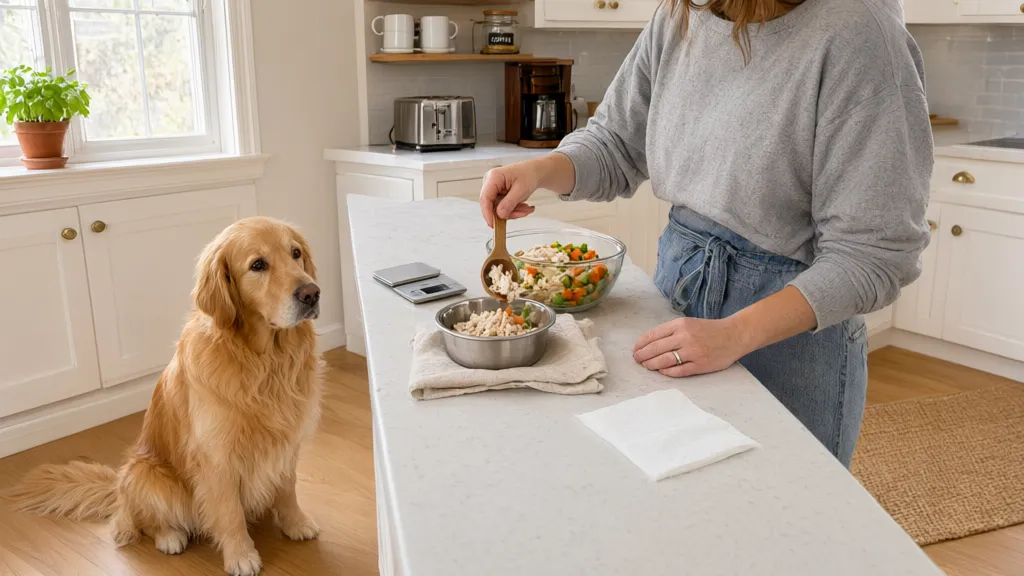
Preparing treats at home lets you choose each ingredient, which is useful when a dog has a diagnosed food allergy, food intolerance, or medical diet. Ingredient control is not the same as nutritional completeness: treats are usually designed as occasional extras, not as balanced meals, and replacing a substantial portion of a complete diet with unformulated recipes can create deficiencies or excesses over time.
For most healthy adult dogs, keep treats—including homemade ones—to less than 10% of daily calories; obtain the remaining calories from a complete, life-stage-appropriate food. This limit helps prevent weight gain and reduces the chance that treats displace nutrients supplied in the main diet. For puppies, pregnant or nursing dogs, and dogs with pancreatitis, kidney disease, diabetes, or other conditions requiring dietary control, ask the veterinarian how treats fit the prescribed plan.
Choose ingredients for a clear nutritional purpose and measure them rather than relying on vague substitutions. Lean, cooked meats can provide protein, while small amounts of plain vegetables may add texture or fiber; neither makes a treat nutritionally complete. Avoid added salt, sugar, fatty drippings, and heavily seasoned foods. Never use xylitol, chocolate, grapes or raisins, onions, garlic, macadamia nuts, or alcohol; some can cause severe poisoning, and xylitol may be present in products labeled “sugar-free.” Remove bones, pits, and other hard or swallowable components that can cause choking, dental fractures, or intestinal obstruction.
If you suspect an adverse food reaction, changing several ingredients concurrently makes the cause difficult to identify. Follow a veterinarian-directed elimination diet using only the approved food and rewards; even small extras can undermine the trial. Record ingredients and amounts, introduce one new treat at a time, and watch for itching, recurrent ear or skin problems, vomiting, diarrhea, or changes in stool. Stop the new treat and contact a veterinarian if signs are persistent, severe, or accompanied by lethargy or blood.
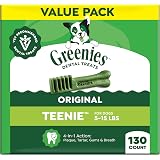
Greenies Teenie Original Natural Dental Dog Treats, Chicken, 130 Count | Veterinarian-recommended, supports oral health & freshens breath, clean to gumline, for dogs 5-15 lbs, chicken flavor
(as of October 30, 2026 18:44 GMT +00:00 - More infoProduct prices and availability are accurate as of the date/time indicated and are subject to change. Any price and availability information displayed on [relevant Amazon Site(s), as applicable] at the time of purchase will apply to the purchase of this product.)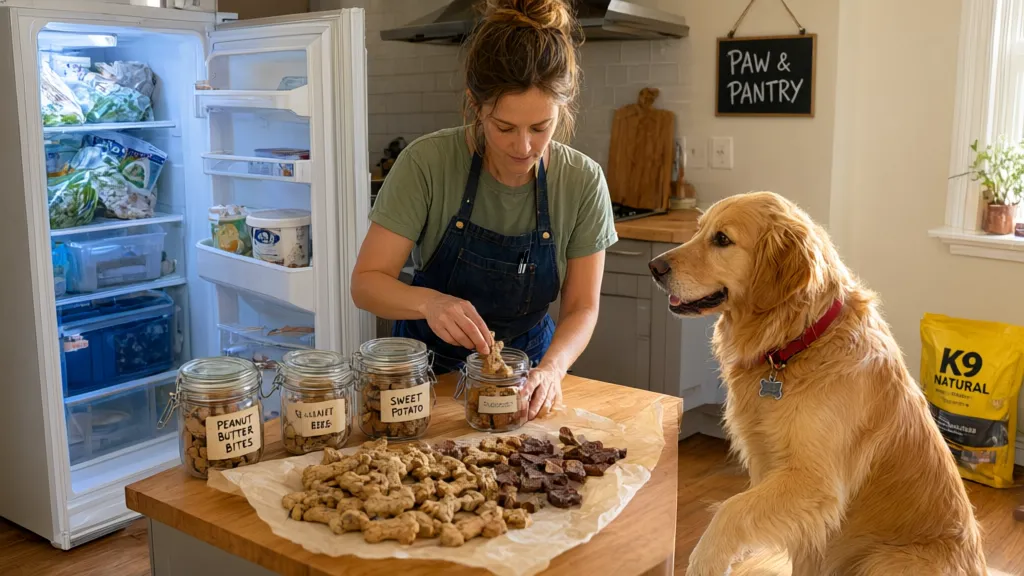
Dogs that need a home-prepared diet as their primary food require a recipe formulated for that individual by a board-certified veterinary nutritionist, including precise quantities and any required supplements. Do not assume that a recipe is balanced because it uses wholesome ingredients or resembles a dog’s ancestral diet.
Homemade treats can cost less per serving when ingredients overlap with meals already prepared for the household, but the comparison should use the price of the edible portion, not the package price. Include meat trimming loss, cooking shrinkage, energy use, storage supplies, and preparation time; specialty flours, supplements, and small amounts of ingredients bought solely for one recipe can make a batch more expensive than commercial treats. Calculate the batch cost and divide it by the number of treats actually produced, then compare cost per calorie or per training-sized piece.
Control costs by choosing recipes with a short ingredient list, buying appropriate quantities, and freezing portions that will not be used promptly. Plain cooked pumpkin or unsweetened applesauce may be economical when already on hand, but ingredient substitutions can change moisture, texture, calories, and storage life. Avoid using a cheaper ingredient if it introduces a known hazard or conflicts with a veterinary diet.
Freshness depends on moisture and handling, not on whether a treat is homemade. Soft treats containing meat, eggs, dairy, or moist produce spoil faster than dry baked treats; refrigerate them promptly in a clean, sealed container and discard any with mold, a sour or rancid odor, unexpected sliminess, or changed color. When the batch is larger than the dog can safely use within a few days, freeze individual portions and thaw only what is needed. Label containers with the preparation date and ingredients so older batches are used first and food sensitivities remain traceable.
Prevent contamination by washing hands and work surfaces, separating raw meat from ready-to-eat ingredients, and cooking animal products thoroughly. Do not leave moist treats at room temperature for extended periods, particularly in warm conditions. If storage duration or safety is uncertain, discard the treat rather than relying on appearance alone; some harmful bacterial contamination produces no visible or detectable odor.
Related Posts

Dealing with Canine Chasing Behavior – Safety Measures
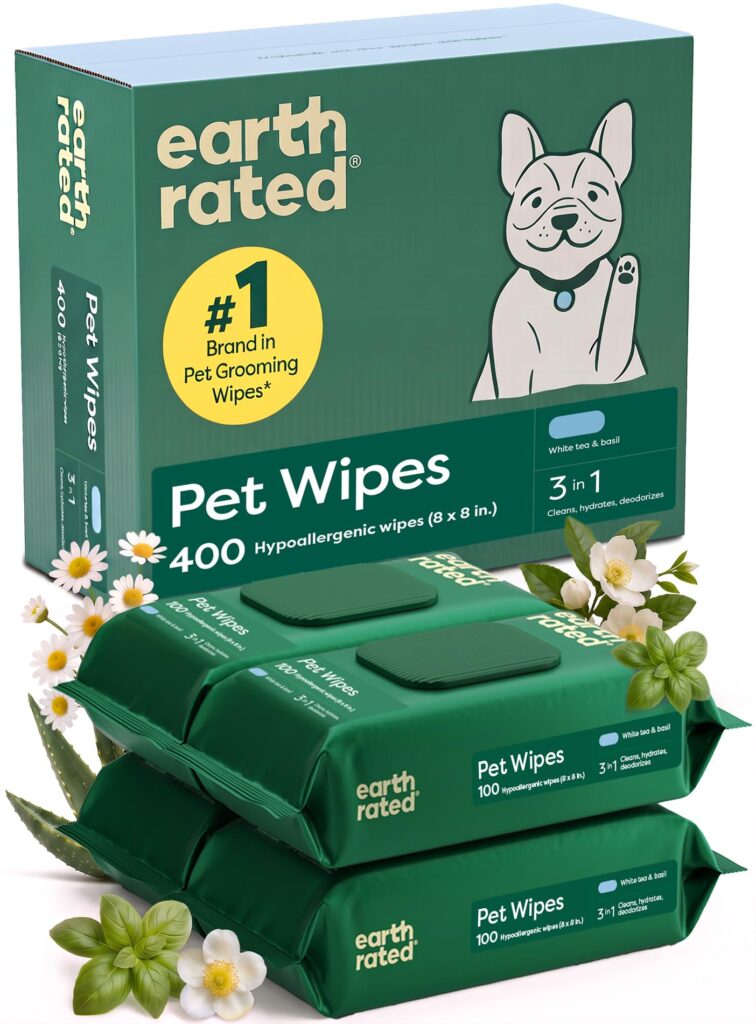
Earth Rated Dog Wipes for Paws & Butt