Dealing with Canine Chasing Behavior – Safety Measures
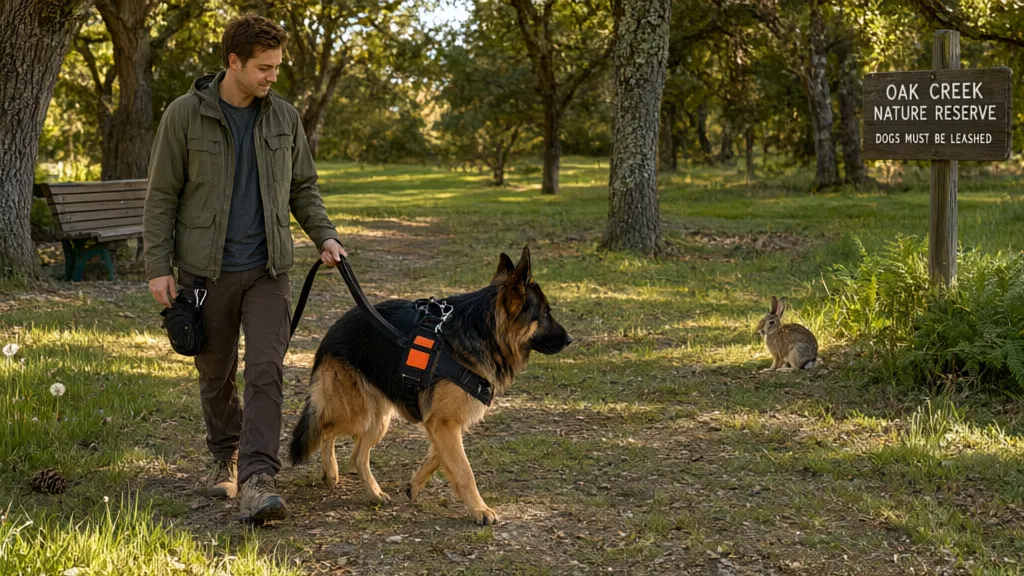
Chasing is often driven by movement rather than disobedience: a running animal, bicycle, skateboard, or child can trigger orienting, stalking, pursuit, and grabbing in a fraction of a second. Selective breeding has intensified parts of this predatory sequence in many herding, terrier, sighthound, and sporting breeds, so prevention should be based on the individual dog’s history and response threshold, not breed labels alone. Repeated pursuit is self-reinforcing because the chase itself is rewarding; preventing rehearsal is therefore central to changing the behavior.
Identify the earliest observable signs, such as a sudden head turn, fixed gaze, closed mouth, forward weight shift, lowered posture, or failure to respond to familiar cues. Increase distance as soon as these appear. If the dog is already lunging or fixating, it is likely too close for effective learning; avoid waiting for a cue to fail before moving away. Keep a record of triggers, locations, distance, time of day, and recovery time to reveal patterns that guide route and exposure choices.
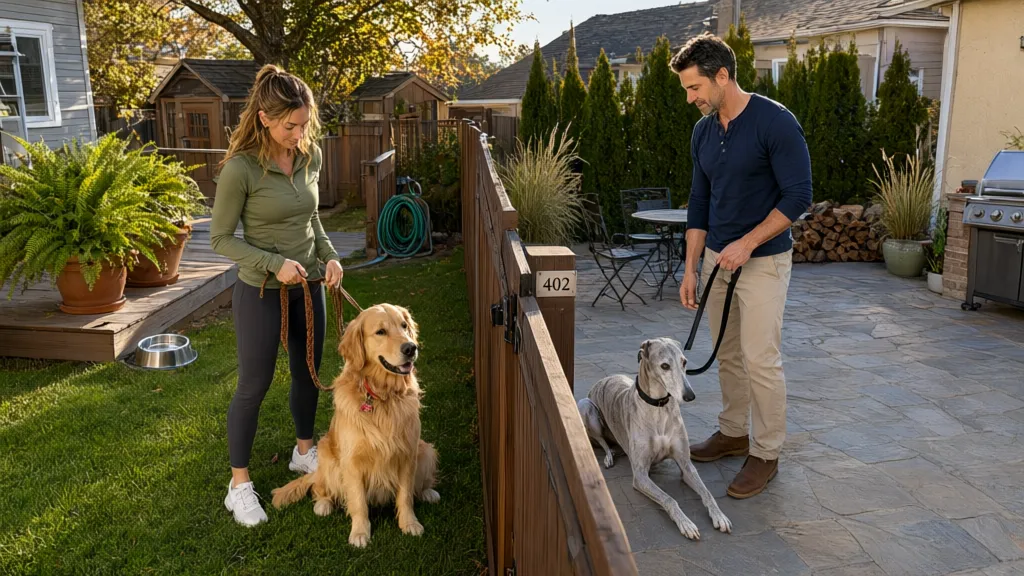
Use a secure, well-fitted harness or collar and a standard leash in areas where wildlife, traffic, or fast-moving people may appear. A long line can provide controlled freedom only in open spaces away from roads and hazards, with the handler maintaining a grip and avoiding wrapping the line around hands or body. Check gates, fences, and door routines: dogs can launch through a briefly open exit, and ordinary fencing may not contain a determined chaser. Do not rely on verbal recall as the sole safeguard around a high-value moving trigger.
Arrange the environment to reduce surprise encounters: choose routes with clear sightlines and escape space, use visual barriers where practical, and avoid off-leash areas if the dog has chased or cannot disengage reliably. In the home, secure windows, balconies, and garden boundaries when passing animals provoke repeated rushing or fence-running. A basket muzzle, introduced gradually with reward-based conditioning, may reduce bite risk in specific cases, but it does not prevent pursuit or make an unsafe setup acceptable.

Good 'n' Fun Kabobs Long-Lasting Dog Treat Made With Real Protein, 24 oz | Premium Chicken, Pork and Beef Hide Chew, Supports Dental Health and Mental Stimulation, For Adult Dogs
(as of October 29, 2026 18:39 GMT +00:00 - More infoProduct prices and availability are accurate as of the date/time indicated and are subject to change. Any price and availability information displayed on [relevant Amazon Site(s), as applicable] at the time of purchase will apply to the purchase of this product.)Teach an alternative response at a distance where the dog can notice a moving trigger while still eating and responding. Mark and reward turning back, orienting to the handler, or moving away; increase trigger movement and proximity in small steps, reducing difficulty if fixation returns. Use food or a practiced chase-compatible toy only when it redirects rather than intensifies pursuit. Punishment, leash jerks, and startling devices can add fear or arousal to the trigger and may suppress warning behavior without making the dog safer.
Seek help from a veterinarian or qualified reward-based behavior professional if the dog has injured an animal, redirected onto a person, shows escalating fixation, or cannot recover after seeing a trigger. Sudden changes in impulse control or responsiveness also warrant veterinary assessment, particularly in older dogs or dogs with pain, sensory decline, or neurological signs.
If pursuit begins, prioritize preventing contact rather than testing recall. Keep hold of the leash, move away from the trigger at an angle, and use a parked car, closed gate, fence, or other solid barrier to break the dog’s line of sight. Calmly cue a well-practiced turn or hand target while increasing distance; repeated commands delivered during full fixation rarely compete with the moving target and can delay escape.
Do not chase the dog, grab at its mouth, or reach between it and another animal. These actions can intensify pursuit or cause a redirected bite, especially when arousal is high. If the dog is on leash, avoid wrapping the lead around your hand or bracing it against your body; sudden acceleration can cause falls, burns, or shoulder and wrist injuries. Keep children and bystanders behind a barrier, and ask one person to manage the dog while another clears people from the area.
When a loose dog is approaching, avoid running or waving arms, which can increase movement-driven arousal. Place an object such as a bicycle, bag, or bin between the dogs if it can be done without approaching the pursuer; move toward a secure enclosure or vehicle when available. Do not attempt to separate dogs by their collars during a fight. Use a solid barrier to divide them, then secure each dog separately before checking for injuries.
After the dog is restrained, allow arousal to decline before close handling or resuming the walk. Rapid panting, trembling, scanning, vocalizing, inability to take food, or repeated attempts to reorient toward the trigger indicate that the dog is not yet ready for further exposure. Check the dog and any person or animal involved for punctures, bruising, limping, or breathing difficulty; small bite wounds can conceal deeper tissue damage and require prompt veterinary assessment. Report wildlife injuries to the appropriate local wildlife authority rather than handling an injured wild animal.
Related Posts

Earth Rated Dog Wipes for Paws & Butt
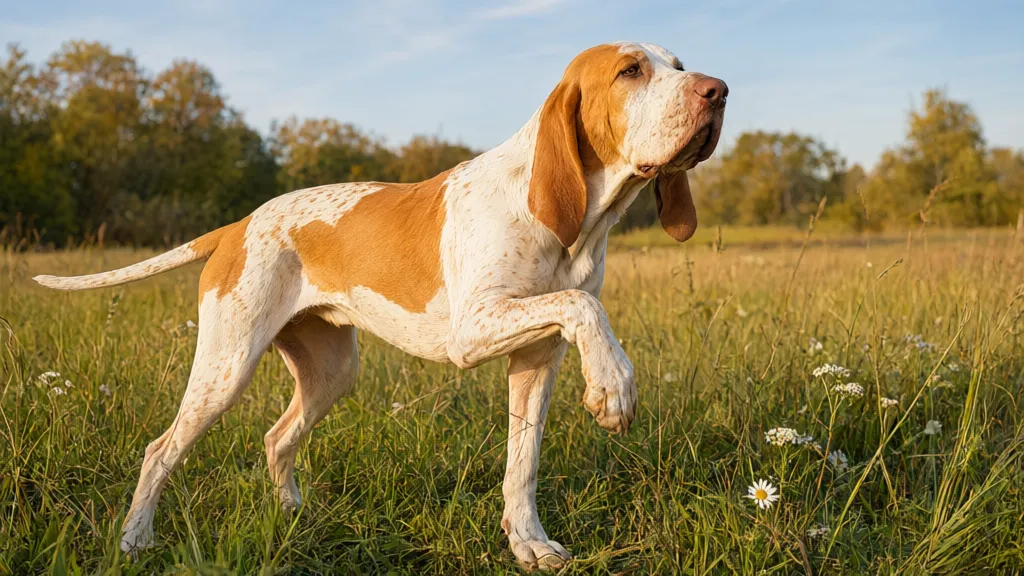
Bracco Italiano