Tips for Introducing Your Dog to New People and Pets
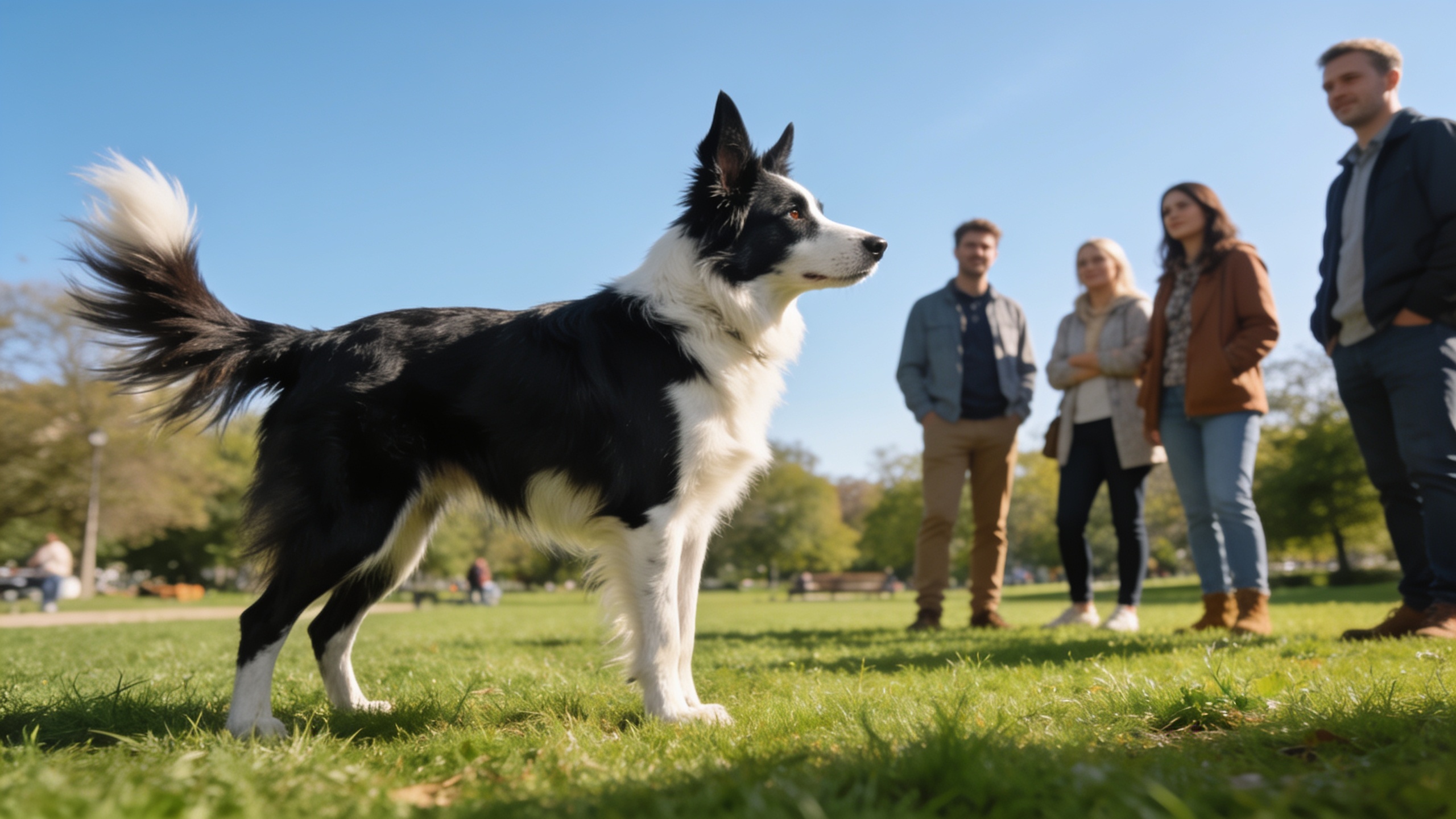
Comprehending your dog’s behavior is pivotal for successful introductions to new people and pets. Each dog’s behavioral responses are shaped by breed-specific tendencies, individual history, and environmental stimuli. For example, a Border Collie may display herding instincts, leading to potential anxiety around unfamiliar animals, while a Toy breed may manifest fear-based reactions due to size discrepancies. Recognizing these roots can guide owners in managing introductions.
Observe body language meticulously, as it offers critical insights into your dog’s emotional state. Signs such as a tightly tucked tail or pinned ears may indicate stress or discomfort, suggesting an immediate need for distance. Conversely, a wagging tail can have varying meanings based on its position and motion; high and fast wags often denote excitement, but a slow wag can indicate apprehension or submission. Identifying these signals enables timely interventions, fostering a positive introduction.
Understanding the impact of prior experiences is equally important. Dogs with previous trauma related to specific stimuli may exhibit aggressive or avoidance behaviors when confronted with similar situations. For instance, a dog that has been badly frightened by a group of children may react defensively at the sight of new children. Conduct a thorough history review for any potential triggers, and implement gradual desensitization techniques, allowing for slower and less intense exposures.
Socialization plays an important role in shaping behavior. Puppies undergoing social development between 3 to 14 weeks are particularly receptive to new experiences, setting the foundation for future interactions. It’s vital to introduce them to varied environments, people, and other animals within this critical window. For adult dogs, particularly those who are less socialized, managing exposure is vital, using positive reinforcement when they exhibit calm behavior in new surroundings.

Greenies Pill Pockets Large Size Dog Treats, Peanut Butter, 7.9 oz | Vet-recommended, masks pill smell & taste, moldable texture, capsule size, natural ingredients, no fillers, 7.9 oz. pouch
$8.54 (as of October 3, 2026 09:10 GMT +00:00 - More infoProduct prices and availability are accurate as of the date/time indicated and are subject to change. Any price and availability information displayed on [relevant Amazon Site(s), as applicable] at the time of purchase will apply to the purchase of this product.)Next, consider individual temperament variations. Some breeds are predisposed to be more social, such as Golden Retrievers, while others like Shiba Inus may exhibit more aloofness. Age also influences behavior; senior dogs may become increasingly protective due to age-related cognitive changes. Understanding these nuances aids in tailoring the introduction process to suit each dog’s unique personality and history.
Be aware of the role of environmental factors in shaping behavior. Noise levels, the presence of other animals, and the physical space available can alter your dog’s stress levels. For example, introducing a dog in an open, familiar area is preferable to a crowded park, as it mitigates confusion and anxiety. Monitor responses closely during introductions and be prepared to remove your dog from the situation if they exhibit signs of distress or overstimulation.
Lastly, consistent reinforcement during introductions ensures that desirable behaviors are repeated. Using treats and verbal praise when your dog maintains composure can positively shape their response to new experiences over time. Establishing these associations strengthens their confidence, encouraging more relaxed interactions in the future.
Preparing for Introductions
Prior to any introduction, the environment needs careful management to promote a positive experience. Familiarizing your dog with the area where the introduction will occur is beneficial. Dogs thrive on predictability, and introducing them to a neutral space devoid of previous associations can reduce anxiety. This reduces territorial instincts that may arise in familiar settings where your dog feels it must protect its space. Control various aspects of the environment, such as minimizing noise and distractions, to maintain focus during the process.
Preparation for introductions begins with ensuring that all dogs involved are healthy and up-to-date on vaccinations. This minimizes the risk of communicable diseases and illnesses, as canines can carry parasites or infections that may not exhibit immediate symptoms. Additionally, it very important to manage the physical conditions of both dogs; for instance, aggressive or fearful behaviors are more likely if one or both are in pain, which could affect their temperament. Consider veterinary evaluations if behavior changes are noted.
Using equipment that promotes safety and control is critical. A well-fitted harness or head collar for your dog can prevent escape and ensure easier handling. Muzzles, although sometimes stigmatized, can be a useful tool for dogs that may react aggressively in new situations, ensuring that they cannot bite while acclimating to new encounters. Always introduce these tools gradually and positively to avoid any negative associations.

When initiating introductions, employ controlled gradual approaches rather than abrupt introductions. This is particularly vital for dogs predisposed to fear or aggression. Start with a controlled distance, allowing dogs to see each other without direct contact. Monitor their body language closely; if either dog exhibits signs of stress—such as yawning, lip licking, or avoidance—it is essential to increase the distance. Only proceed to closer proximity when both dogs demonstrate relaxed body language, such as loose tails and neutral postures.
Using positive reinforcement is paramount. Reward calm behavior with treats or praise when the dogs exhibit acceptable interactions, such as sniffing each other without aggressive posturing. Conditioning them to link new social experiences with positive outcomes builds confidence over time. Conversely, if negative behaviors such as growling or snapping occur, calmly remove the dog to prevent escalation and re-evaluate the situation. This method reinforces that undesirable actions lead to cessation of interaction, whereas good behaviors yield rewards.
Lastly, establish a safe exit strategy throughout the introduction process. Having a clear plan for how to remove your dog from a stressful situation allows for an immediate retreat, reducing anxiety levels. As the interaction progresses, continual observation is key, ensuring that physical or emotional triggers are identified and mitigated promptly.
Handling Different Scenarios
In diverse scenarios, adaptability especially important for navigating the complexities of dog introductions. When introducing a dog to another dog, especially if they have contrasting temperaments or play styles, it is vital to recognize the specific social cues involved. For instance, a dominant dog may exhibit assertive postures, while a more submissive dog may display appeasement signals. Understanding these dynamics can help in facilitating a more harmonious interaction.
When introducing a dog to a new person, particularly someone the dog has never met, the approach should be cautious. Instruct the person to remain calm and avoid direct eye contact initially, as direct stares can be perceived as confrontational. An open posture and offering a treat can create a welcoming atmosphere. Pay attention to the dog’s body language; signs of stress or discomfort, such as tail tucking, are indicators to slow down or retreat, allowing the dog to adjust at their own pace.
For situations involving children, the level of excitement must be managed carefully. Children often have unpredictable movements and loud voices, which can startle a dog. Teach children appropriate behaviors around dogs, emphasizing gentle interactions and respect for the dog’s space. If a dog seems overburdened by a child’s exuberance, employing management strategies such as a leash or a barrier can provide both safety and reassurance.
In mixed-species encounters, such as introducing a dog to a cat, recognizing species-specific behavior is essential. Dogs have predatory instincts, and certain breeds, especially terriers and herding dogs, may have a heightened prey drive. Introduce them in a controlled manner, ideally using a crate or a separate room for the cat to observe the dog from a safe distance. Gradual visual introductions followed by scent exchanges can help to ease tensions and foster familiarity.
If an introduction leads to aggression, it’s critical to identify the triggers. Aggressive behaviors might stem from fear, frustration, or territorial instincts. Observing patterns in these reactions allows for targeted behavioral interventions, such as counter-conditioning strategies that gradually expose the dog to specific triggers in a controlled manner. These techniques help modify responses over time, enabling more positive interactions in the future.
Managing multiple dogs in a social context presents additional challenges. Hierarchical dynamics may be at play, where established relationships influence interactions. It’s advisable to monitor closely for signs of dominance or submission and adjust the environment accordingly. Keeping the introductions supervised, with ample space for the dogs to retreat if needed, helps mitigate potential conflicts.
Lastly, continuous assessment and being proactive in responding to changing dynamics during introductions are key. Remain vigilant for subtle shifts in behavior, allowing for timely interventions to de-escalate any rising tensions. This proactive management approach fosters a conducive environment for positive experiences, encouraging harmonious relationships between your dog and new acquaintances.
Related Posts

Puppy Pads with Pheromones

Coping with Canine Diabetes – Managing Blood Sugar Levels