Canine Vision Problems – Signs and Solutions
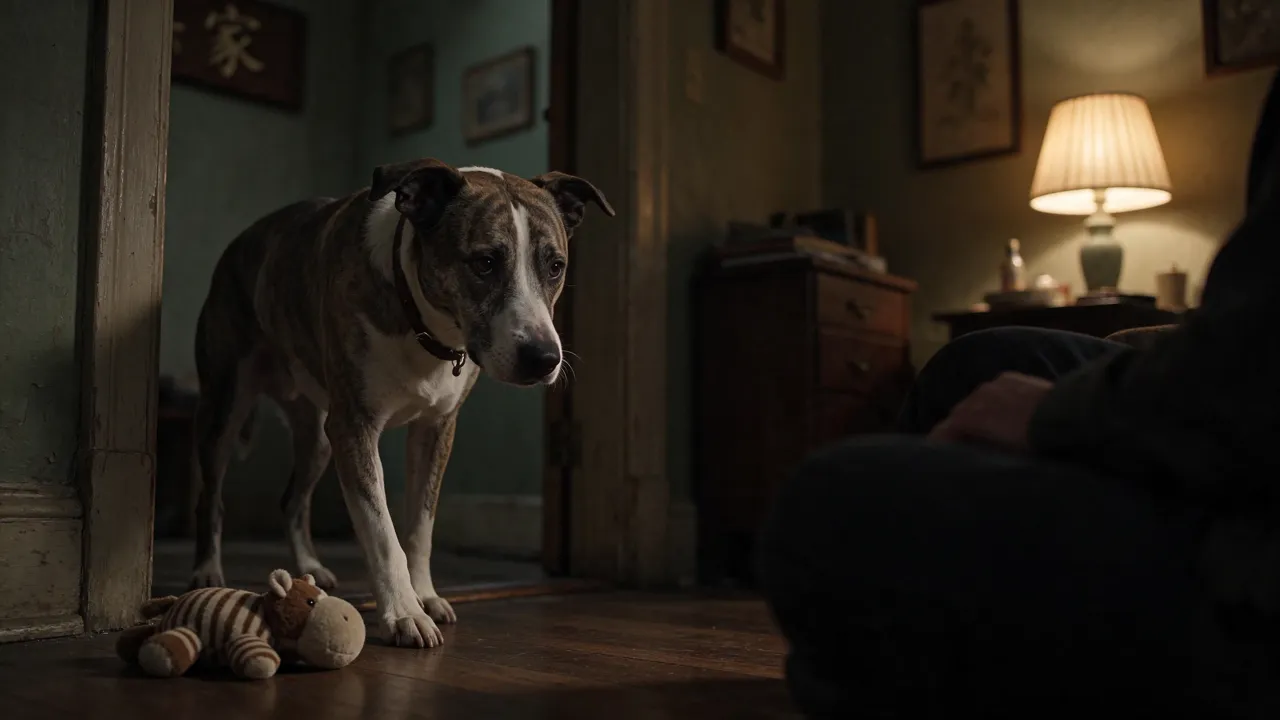
Vision changes often appear first as altered behavior rather than an obvious eye abnormality. A dog may hesitate at stairs or doorways, bump into furniture, misjudge a jump, or become reluctant to enter unfamiliar or dimly lit spaces. These signs are more noticeable in new environments; dogs can compensate at home by memorizing routes and using smell and hearing.
Reduced vision in low light may show up as hesitation after dusk, difficulty locating toys or food in a dim room, or increased dependence on a person’s voice. Trouble in bright light can cause squinting, avoidance of sunny areas, or reluctance to go outdoors. Sudden changes in either condition warrant prompt veterinary attention.
Watch for changes in how your dog tracks movement. A dog with impaired sight may fail to follow a tossed treat, lose sight of a moving toy, or turn toward sounds instead of locating their source visually. They may startle when approached silently, cling more closely to familiar people, or become unusually cautious in busy settings. These behaviors can also have non-visual causes, so note when and where they occur.
Eye appearance can provide additional clues: cloudiness, a blue-white haze, redness, excessive tearing, discharge, unequal pupils, or an eye held partly closed. A cloudy lens does not always mean blindness, and some serious retinal or optic-nerve problems leave the eye looking normal. Compare both eyes in consistent lighting and note whether the change is new or worsening.
Benebone Wishbone Dog Chew Toy for Aggressive Chewers, Real Bacon, Medium | Durable, Super Chewer, Made in USA, Dog Bones, Long-Lasting, A Size for Every Dog, Keeps Them Busy
$12.78 (as of November 24, 2026 00:31 GMT +00:00 - More infoProduct prices and availability are accurate as of the date/time indicated and are subject to change. Any price and availability information displayed on [relevant Amazon Site(s), as applicable] at the time of purchase will apply to the purchase of this product.)Seek urgent veterinary care for sudden apparent blindness, a rapidly enlarging or bulging eye, marked pain, persistent squinting, severe redness, trauma, or a pupil that becomes abruptly enlarged or unequal. Sudden vision loss can result from conditions that need rapid treatment, and waiting to see whether it resolves can reduce the chance of preserving sight.
Record the onset and progression, whether one or both eyes seem affected, and the situations that trigger difficulty. Short videos of hesitation, collisions, or abnormal eye appearance can help a veterinarian assess changes that may not occur during an appointment. Avoid testing vision by waving objects near the eye; facial air movement and whisker contact can produce a response even when sight is impaired.
Vision loss can arise from disease in the cornea, lens, retina, optic nerve, or brain. The speed of change depends on where the damage occurs: a slowly degenerating retina may impair night vision first, while bleeding, retinal detachment, acute glaucoma, or some neurologic disorders can cause sudden loss.
Inherited disorders are a major cause of gradual blindness. Progressive retinal atrophy (PRA) damages light-sensitive retinal cells, often beginning with reduced night vision and progressing over months or years; it occurs in many breeds, including some spaniels, poodles, retrievers, and herding breeds. Inherited cataracts cloud the lens and may develop early in life. Breed predisposition varies, so a dog’s lineage and appropriate genetic or eye-screening history can help assess risk; a genetic test does not replace an eye examination.
Age-related changes are not all alike. Nuclear sclerosis commonly makes the lens look bluish or hazy in older dogs but usually causes little functional vision loss. A cataract is a more opaque lens change that can interfere substantially with sight and may lead to inflammation or glaucoma. Diabetes can cause cataracts to form rapidly because excess glucose alters lens metabolism; owners may notice a sudden change in lens clarity over days or weeks.
Retinal and vascular disease can damage vision even when the front of the eye looks normal. High blood pressure may cause retinal bleeding or detachment, particularly in older dogs or those with kidney or endocrine disease. Sudden acquired retinal degeneration syndrome (SARDS) can cause abrupt, often permanent blindness. Retinal detachment may also follow trauma, inflammation, or systemic illness.
Glaucoma results when pressure inside the eye rises and injures the optic nerve. It may be inherited in predisposed breeds or develop secondarily to inflammation, lens displacement, or other eye disease. Because nerve damage can progress quickly, acute glaucoma is an emergency. Uveitis—inflammation inside the eye—may follow infection, immune-mediated disease, cancer, trauma, or cataracts and can itself impair sight or trigger glaucoma.
Other causes include corneal injury or scarring, eye tumors, blunt or penetrating trauma, and disease affecting the optic nerve or visual pathways in the brain. Severe malnutrition can disrupt visual development in growing puppies, but deficiencies are uncommon in dogs eating a nutritionally complete diet; unbalanced homemade diets and inappropriate supplementation can create risk. Some medications and toxins can also injure ocular tissues, so provide the veterinarian with a complete list of drugs, supplements, and possible exposures.
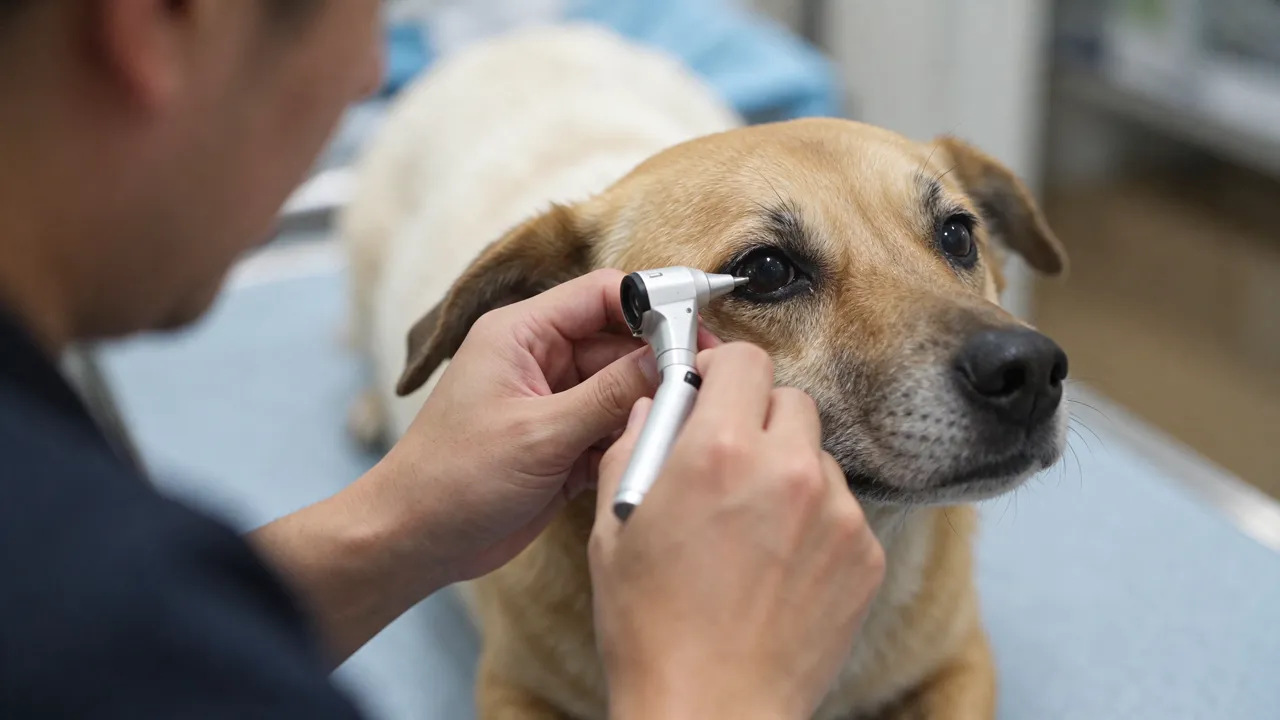
Diagnosis begins with determining whether the problem is in the eye, optic nerve, or brain and whether it’s painful or rapidly progressing. The veterinarian compares each eye’s response to visual stimuli, pupil reflexes, and tracking, then examines the cornea, lens, and internal eye. These tests help distinguish impaired sight from pain, hearing loss, or neurologic disease; normal pupil reflexes do not prove that a dog can see.
Further tests depend on the suspected cause. Fluorescein dye reveals corneal ulcers, while tonometry measures intraocular pressure and can identify glaucoma or support a diagnosis of uveitis. A dilated retinal examination assesses the optic nerve and retina. If cataracts or other opacity prevents viewing the back of the eye, ocular ultrasound can check for retinal detachment or masses. Electroretinography measures retinal function and may be needed before cataract surgery to determine whether the retina can support useful vision. Blood pressure measurement and blood tests can uncover systemic contributors such as hypertension, diabetes, or kidney disease.
Sudden vision loss, a painful or enlarged eye, severe redness, or suspected trauma requires same-day assessment; acute glaucoma and some retinal conditions can deteriorate rapidly. A veterinary ophthalmologist may be recommended when specialized imaging, surgery, or complex disease management is needed.
Treatment targets the cause, not cloudiness alone. Glaucoma requires urgent pressure-lowering medication and pain control; surgery may be needed to preserve remaining vision or relieve pain when sight cannot be saved. Uveitis is treated according to its cause, with anti-inflammatory medication only after an ulcer has been ruled out. Corneal ulcers need appropriate topical treatment and monitoring, while deep or complicated ulcers may require surgery. Never use leftover eye drops: corticosteroid drops can worsen an ulcer and threaten the eye.
Cataract surgery can restore useful sight in selected dogs when retinal function is adequate and inflammation or other disease is controlled. Not every cataract is operable, and surgery requires intensive postoperative medication and follow-up. No established treatment reverses inherited progressive retinal atrophy or SARDS; antioxidant supplements have not been shown to restore lost vision. Dogs with these conditions can often navigate familiar spaces using hearing, smell, and consistent routines.
Keep furniture and food locations stable, block stairs or pools, use gates around hazards, and announce your approach before touching a visually impaired dog. Recheck appointments matter because pressure, inflammation, and retinal changes can evolve after initial treatment; report renewed squinting, redness, discharge, eye enlargement, or a sudden change in navigation promptly.
Related Posts

“Earth Rated Dog Wipes for Paws & Butt, Deodorizing, Unscented, 400ct”
Comparing Wet and Dry Dog Foods: What’s Best for Your Pet?