Puppy-Proofing Your Home – Preventing Biting
Biting in puppies is usually a normal developmental behavior driven by oral exploration, arousal, and the transition from milk teeth to permanent teeth, but it becomes a problem when rehearsal is allowed to make the behavior rewarding. Puppies learn very quickly that moving skin, squealing, wrestling hands, and chasing retreating feet all increase stimulation; for herding, terrier, retriever, and some guardian breeds, genetic selection for chase, grab, and persistence can intensify mouth use if those instincts are not redirected early. Teething does not cause aggression, but it does increase oral discomfort, so many puppies seek firmer objects, more chewing, and more frequent mouth contact during peak teething periods, typically from about 12 weeks onward as incisors and premolars erupt and again when molars emerge.
The fastest way to reduce biting is to prevent the puppy from practicing the sequence of arousal, contact, and reward. Hands must stop functioning as toys, because any skin contact that ends play teaches the puppy that teeth switch the interaction from calm to exciting. If the mouth closes on skin, immediately remove access, freeze movement, and end social contact for a short period; this works because the loss of interaction is a meaningful consequence for a young dog whose primary reinforcer is engagement. A puppy that bites harder when corrected is usually overaroused, not defiant; in that state, physical corrections, yelling, and quick jerking motions typically escalate predatory or conflict responses rather than improve self-control.
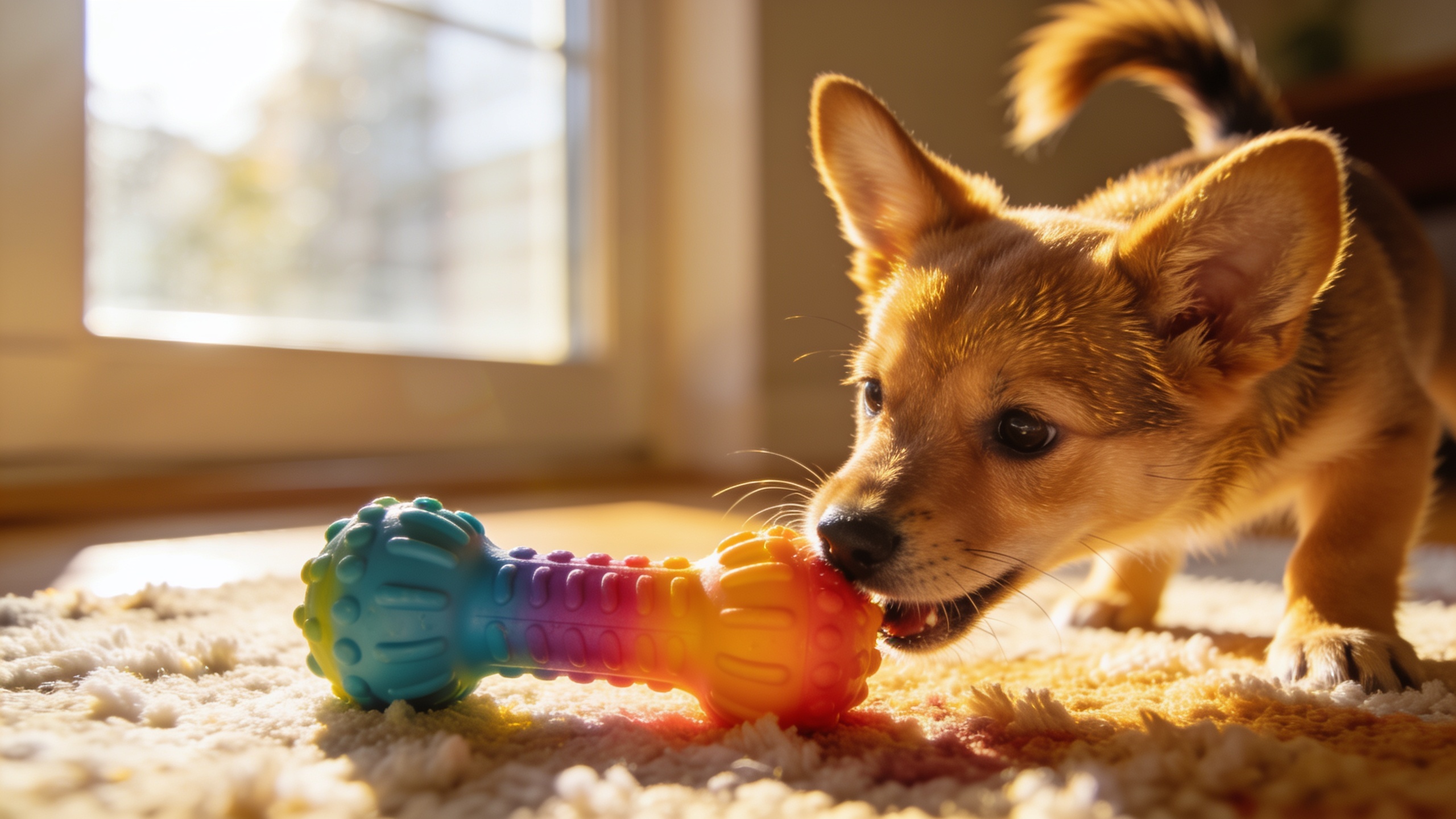
Replace mouth-targeting with structured outlets that satisfy chewing and oral investigation without involving human tissue. Rotate rubber, nylon, and textured chew items sized so they cannot be swallowed, and increase access during predictable high-bite windows such as after waking, before meals, and during evening hyperactivity. Food-dispensing devices and scatter feeding lower arousal because they shift the puppy from social excitement into sniffing and licking behaviors, which are incompatible with rapid mouthing. Short training sessions that reinforce four paws on the floor, hand targeting with open palms, and calm orienting to the handler build alternative motor patterns and reduce impulsive grab-biting.
Watch for precursors that predict an imminent bite: dilated pupils, stiffened posture, rapid darting at clothing, mounting frustration during handling, repeated jumping after a failed attempt to engage, and escalating grip strength during play. These signals mean the puppy needs a reset before teeth make contact. Very young puppies, especially undersocialized litters or puppies removed too early from maternal and litter feedback, may have poor bite inhibition because they missed the natural learning that happens when another puppy leaves the game after a hard bite. That deficit can be improved, but only if every mouthy interaction is managed consistently and the puppy is never rewarded for intensity.

Pur Luv Chicken Jerky Dog Treats,100% Real Chicken Breast, 16 Ounces | 3-ingredient jerky: whole-muscle chicken breast, 12g protein/treat; no dyes, fillers or artificial flavors
$14.09 (as of October 3, 2026 09:10 GMT +00:00 - More infoProduct prices and availability are accurate as of the date/time indicated and are subject to change. Any price and availability information displayed on [relevant Amazon Site(s), as applicable] at the time of purchase will apply to the purchase of this product.)Any puppy that suddenly bites with a rigid body, growling that is low and sustained rather than playful, or reluctance to be touched should be assessed for pain, because otitis, teething complications, musculoskeletal soreness, and gastrointestinal discomfort can all lower tolerance and increase defensive biting.
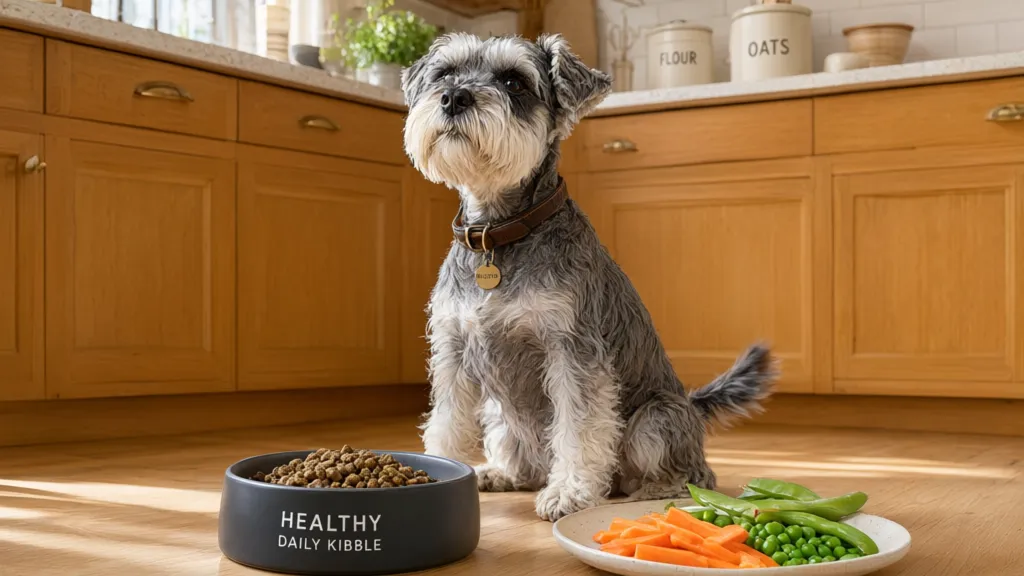
Nutrition can influence mouthy behavior indirectly by affecting satiety and arousal. Underfed puppies, or those on highly palatable diets that are consumed too quickly and leave them mentally under-stimulated, may show more oral scavenging and grabbing. Controlled meal timing, appropriate caloric intake for growth, and measured use of part of the daily ration for training improve behavioral regulation while protecting skeletal development. Fatigue also matters: overtired puppies lose impulse control, so biting often spikes after excessive stimulation, visitors, or long play sessions rather than from “bad behavior.”
- End play immediately after teeth touch skin; resume only after the puppy is calm and redirected.
- Use a chew or food puzzle before predictable high-bite periods to lower oral frustration.
- Keep interactions short with breed types prone to persistence, grip, or chase behavior.
- Avoid rough wrestling, hand play, and fast retreat games that amplify predatory motor patterns.
- Seek veterinary evaluation if biting is new, sudden, asymmetric, or paired with head shaking, drooling, or sensitivity to touch.
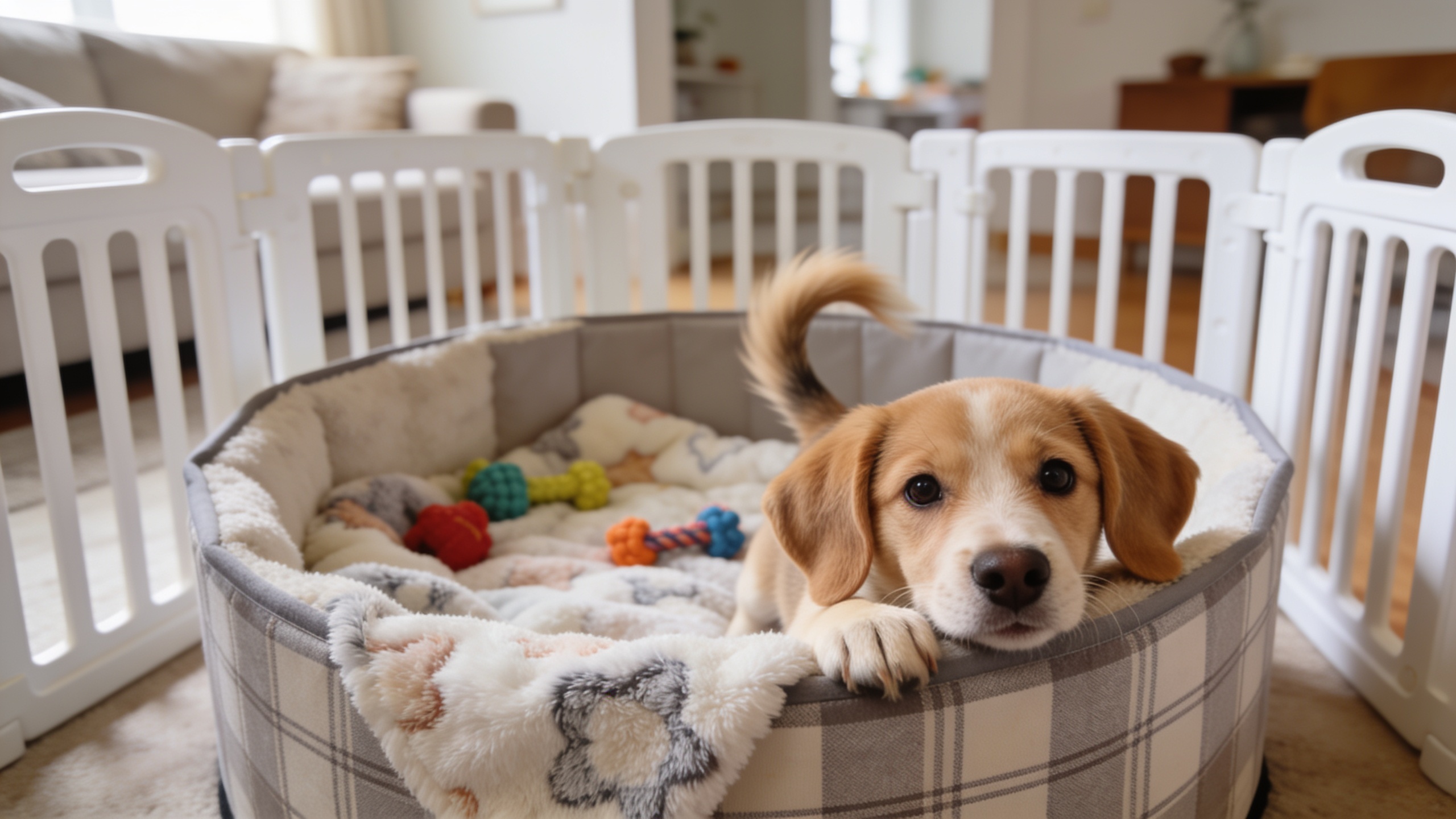
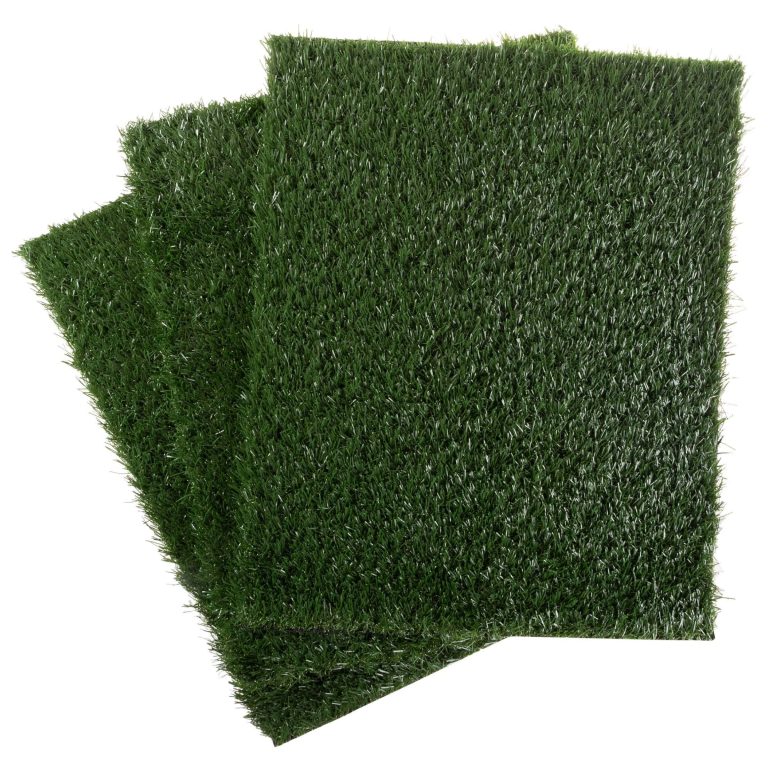
A safe home setup reduces bite rehearsal by controlling access to the triggers that most reliably create overarousal. Use baby gates, exercise pens, and closed doors to create a small, predictable puppy zone with a bed, water, chew items, and a toilet area if needed. A puppy that can roam multiple rooms is exposed to constant novelty, and novelty increases scanning, chasing, grabbing, and frustration when access is blocked. Confinement is not punishment when it is paired with chew opportunities and rest; it prevents the puppy from practicing impulsive contact with hands, ankles, cords, furniture, and children.
Environmental design should prioritize management over correction. Electrical cords must be hidden or covered because puppies often target them during teething and because a startled bite response can occur if they receive a mild shock or painful tug. Shoes, loose clothing, laundry, magazines, remote controls, and children’s toys should be removed from floor level so the puppy is not reinforced for retrieving or chewing household items. Low shelving, open baskets, and dangling textiles are particularly risky in breeds selected for gripping and carrying, such as retrievers and many terrier types, because their oral motor patterns are quickly activated by movable objects.
Prevent access to stairs, slippery floors, and cluttered walkways while the puppy is learning self-regulation. Falls, near-collisions, and uncontrolled chases raise adrenaline, which lowers bite threshold and makes mouthing harder to interrupt. Secure rugs or use non-slip runners, because unstable footing can trigger defensive nipping in puppies that feel physically unsteady. In high-energy working breeds, especially border collies, Australian shepherds, Belgian Malinois, and some sled-dog lines, a lack of defined space can cause constant motion seeking; these dogs often do better when rest areas are physically separated from activity zones.
Children should never have unsupervised access to a puppy zone. Fast hand movements, running, loud voices, and unpredictable touching are powerful triggers for chase-and-grab behavior. Children need rules that are environmental, not verbal: sit on a sofa or behind a gate, keep toys off the floor, and avoid leaning over the puppy. If the puppy is repeatedly moving toward child limbs or clothing, the home setup is failing; increase distance and use barriers before the pattern becomes learned.
Set up rest as deliberately as play. Puppies that are overstimulated bite more because sleep deprivation reduces impulse control and increases motor restlessness. A crate or quiet pen with dim lighting gives the nervous system a place to downshift, and scheduled naps are especially valuable in highly social puppies that keep re-engaging with movement. Silence is not enough; the space must prevent visual triggers such as passing feet, other pets, or constant doorway traffic.
A well-managed environment does not merely stop biting in the moment; it lowers the frequency of the brain states that produce biting, including frustration, arousal overflow, and conflict when the puppy is tired, crowded, or physically restrained.
If another dog in the home is being used as a “teacher,” the arrangement must be monitored carefully. A tolerant adult can model appropriate play inhibition, but a smaller puppy may also be overpowered, which teaches frantic escalation rather than control. Separate them whenever the puppy starts to latch onto ears, legs, or throat, or when the adult dog shows avoidance, lip licking, turning away, or stiffness. These are not minor social signals; they indicate the puppy is testing thresholds and should be removed before biting intensity climbs.
Related Posts
Puppy Pads with Pheromones
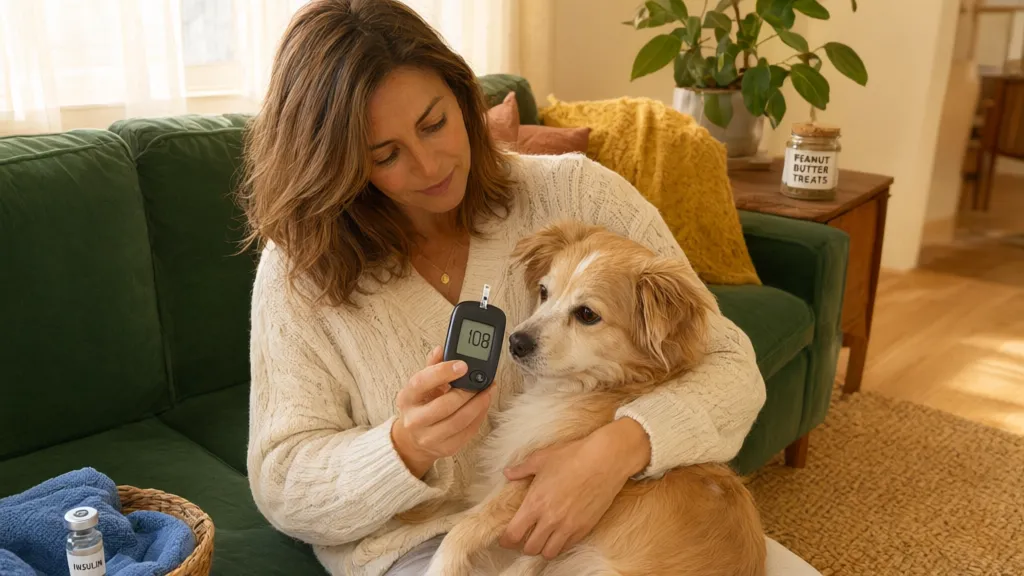
Coping with Canine Diabetes – Managing Blood Sugar Levels