Canine Cognitive Dysfunction – Navigating Cognitive Decline in Dogs

Canine Cognitive Dysfunction (CCD) results from neurodegenerative changes in the brain, primarily affecting older dogs, similar to human Alzheimer’s disease. This condition is characterized by the accumulation of beta-amyloid plaques and neurofibrillary tangles, leading to synaptic dysfunction and neuronal death. Aging-related oxidative stress and inflammation exacerbate this neuronal degeneration, and genetic predispositions, such as in breeds like the Dachshund and Boxer, may heighten susceptibility.
As dogs age, blood flow to the brain may decrease, resulting in a decline in cognitive functioning. Notably, abnormal levels of neurotransmitters, particularly dopamine and serotonin, can disrupt communication between neurons, impacting learning and memory. These neurochemical changes contribute significantly to behavioral alterations observed in affected dogs, such as disruptions in spatial awareness and problem-solving abilities.
Environmental factors also play a role in the onset of CCD, with a history of chronic stress or lack of stimulation potentially accelerating cognitive decline. Dogs do not benefit from engaging in stimulating activities if they’re primarily subjected to isolation or minimal interaction, which emphasizes the need for a rich, interactive environment. In addition, factors such as obesity and systemic diseases like hypothyroidism may increase the risk of cognitive decline, highlighting the importance of maintaining overall health throughout a dog’s life.
Furthermore, recognizing early manifestations of CCD is critical for managing the progression of the disorder. Subtle signs such as disorientation in familiar environments, disrupted sleep patterns, and decreased response to commands may be overlooked yet provide essential insights into a dog’s cognitive health. Evaluation of these behavioral signs, along with veterinary assessments, can facilitate timely interventions that potentially slow the regression of cognitive abilities.

WOOF Pupsicle Peanut Butter & Beef Refill Pops Dog Treats, Large, 7 Count | For large Pupsicles, peanut butter & beef flavor, long-lasting treats, pre-made Pops, wholesome ingredients, shelf stable
Now retrieving the price.
(as of October 24, 2026 12:04 GMT +00:00 - More infoProduct prices and availability are accurate as of the date/time indicated and are subject to change. Any price and availability information displayed on [relevant Amazon Site(s), as applicable] at the time of purchase will apply to the purchase of this product.)Proactive management options include enriched environments tailored to the individual dog’s capabilities, incorporating puzzles, scent work, and positive reinforcement training aimed at cognitive engagement. Nutrition also plays a significant role; diets rich in antioxidants, omega-3 fatty acids, and Medium-Chain Triglycerides (MCTs) may support cognitive function. Specific dietary formulations, such as those containing elevated levels of antioxidants and L-carnitine, have been shown to promote brain health and mitigate cognitive decline.
Moreover, engaging dogs socially and ensuring regular exercise can contribute positively to their mental agility and emotional well-being. Veterinary interventions, including behavioral medications, may be prescribed in conjunction with management strategies to improve quality of life. Understanding the multifaceted nature of CCD allows for targeted, personalized approaches that align with the unique needs of each dog, ultimately encouraging engagement and preserving cognitive function for as long as possible.
Recognizing the signs and symptoms
Observable signs of cognitive dysfunction in dogs often manifest subtly, making timely recognition critical in managing the condition. Key symptoms include disorientation and confusion, where dogs may appear lost in familiar environments, aimlessly wandering or staring blankly at walls. Such behavior can be linked to diminished spatial awareness, often aggravated by decreased blood flow to the brain, which disrupts their cognitive mapping ability.
Changes in social interactions constitute another indicator. Affected dogs might show reduced interest in play or interaction with family members, withdrawing from previously enjoyed activities. This detachment can stem from alterations in mood due to neurochemical imbalances as well as altered behavior that resembles anxiety. Observing a dog’s response to stimuli is vital; for instance, an increase in anxiety or agitation especially in new environments or during loud noises may suggest cognitive decline. These stress responses can be more pronounced in breeds such as the German Shepherd or the Cavalier King Charles Spaniel, which may possess heightened sensitivity due to their genetics.
Disrupted sleep patterns are significant signs of CCD. Dogs may experience increased night-time activity, resulting in restlessness and daytime lethargy. This altered circadian rhythm can exacerbate cognitive issues as insufficient rest further impairs cognitive functioning. Owners should monitor changes in sleep behavior closely, as these shifts often signal underlying cognitive deterioration.
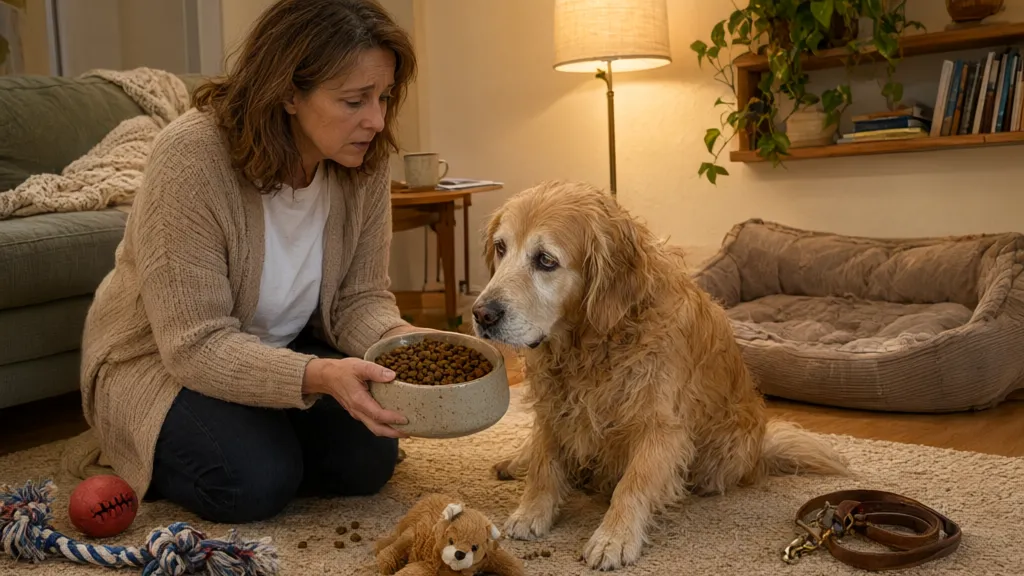
Changes in self-care behavior represent another pivotal sign. Dogs may neglect grooming, resulting in a disheveled appearance, or forget established toilet training habits, leading to accidents indoors. Such lapses can indicate impaired memory and cognition. Additionally, noticing appetite changes, including decreased interest in food or pickiness, may correlate with declining mental health, signaling reduced pleasure or motivation, which can often accompany CCD.
A useful tool for tracking these cognitive changes is journaling behavioral shifts over time, providing clear insights into the progression of symptoms. The Cautionary Checklist for CCD developed by veterinary behaviorists can also aid owners in pinpointing specific indicators, enhancing early detection and guiding management strategies more effectively.
While it’s critical to recognize these signs, equally important is the context of the dog’s environment and routine. Stress, a lack of mental stimulation, and insufficient physical activity can exacerbate symptoms. Thus, maintaining a consistent routine can be beneficial. Introducing new mental challenges as part of daily activities, alongside ensuring emotional support and stability, can help mitigate cognitive decline and improve quality of life.
Recognizing these signs enables proactive engagement with veterinary professionals for comprehensive evaluations. Early intervention may provide opportunities for lifestyle adjustments, dietary changes, or medical therapies that can help slow the progression of canine cognitive dysfunction and support affected dogs in maintaining their cognitive health. Regular veterinary check-ups focusing on behavioral assessments and cognitive screenings are essential in managing CCD effectively.
Managing cognitive decline in dogs
Effective management of cognitive decline in dogs necessitates a multi-faceted approach tailored to individual needs, grounded in behavioral science and veterinary principles. Environmental enrichment can play a pivotal role in staving off cognitive deterioration; cognitive engagement through interactive toys, puzzle feeders, and scent work can stimulate mental faculties. Rotating activities and continually introducing novel elements are critical, as this combats the monotony that can lead to further cognitive regression. Notably, dogs with a background in work or service may particularly benefit from structured tasks or training sessions that provide a sense of purpose, thereby reinforcing cognitive pathways.
Physical exercise, appropriate to the dog’s age and ability, is important. Regular aerobic activity helps maintain optimal blood circulation, enhancing cerebral blood flow which supports neural health. Activities such as leash walks, swimming, or gentle play should be supplemented with consistency and progressive challenges to promote physical fitness while also offering mental stimulation. For instance, incorporating short obedience training sessions during walks can provide both physical and cognitive benefits. However, attention must be given to the dog’s individual stamina and comfort levels to avoid overexertion.
Nutritional strategies are equally important. Diets enriched with antioxidants, such as vitamins E and C, can mitigate oxidative stress, while omega-3 fatty acids (particularly DHA) have demonstrated neuroprotective effects. Research indicates that specific formulations combining these elements, along with neuroactive compounds like phosphatidylserine and L-carnitine, can bolster cognitive function. It’s vital to consult with a veterinarian to ensure any dietary changes align with the dog’s overall health status and specific nutritional needs.
Behavioral therapies can complement these management strategies. Techniques rooted in positive reinforcement and clicker training can help reinforce desired behaviors, maintaining a dog’s engagement with their environment and slowing cognitive decline. Using familiar commands or cues can facilitate an easier recognition process for the dog, fostering confidence and reducing anxiety. Moreover, tailored cognitive games that assess problem-solving skills can also provide non-invasive diagnostic insights regarding cognitive function over time.
Periodic veterinary evaluations involving neurological assessments and cognitive functioning tests are essential to monitor the progression of CCD and adapt management plans accordingly. Clinical tools such as the Canine Cognitive Dysfunction Rating Scale can provide objective measures of decline and help in adjusting therapeutic approaches as necessary. Additionally, discussing potential pharmacological interventions, such as FDA-approved medications designed to improve cognitive function by modulating neurotransmitter activity, may provide beneficial results in more severe cases.
Lastly, creating a stable and low-stress environment is paramount. Stress management techniques, such as implementing a calm and predictable daily routine, minimizing exposure to distressing stimuli, and promoting relaxation through gentle interactions or massage, are crucial. Regular assessment of the dog’s comfort level with social interactions and environment changes will facilitate an optimal care strategy, enhancing not only cognitive function but overall quality of life throughout their aging process.
Related Posts

How to Transition Your Dog to a New Diet Safely

Calming Dog Bed Mat