Borzoi
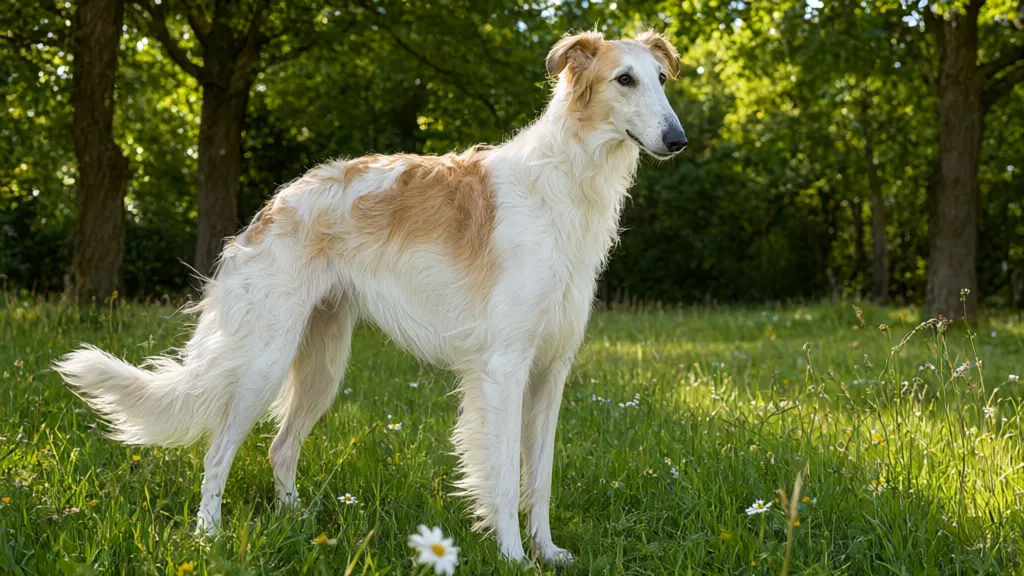
The Borzoi, also known as the Russian Wolfhound, has a rich history that traces back several centuries, particularly in Russia where it was bred for hunting large game. The breed’s ancestry includes a mix of sighthounds, notably the Arabian Greyhound, which contributed to its unique morphology and hunting prowess. Selective breeding by Russian nobility aimed to develop a dog capable of chasing and capturing swift prey such as wolves, leading to the Borzoi’s refined speed and agility. The combination of speed and endurance facilitated its role in large hunting parties, reflecting the breed’s integration into the aristocratic lifestyle and culture of 18th and 19th century Russia.
This historical context also explains the Borzoi’s graceful physical characteristics, including its elongated skull, deep chest, and long, narrow limbs. The breed’s coat, which is long and silky, serves a dual purpose: protection from harsh weather and camouflage during hunts. As a result of its breeding history, the Borzoi exhibits a lighter, more elegant frame compared to other sighthounds, which has influenced its physical appearance and energy needs.
The Borzoi’s status evolved further during the Russian Revolution, where breeding efforts were threatened due to political turmoil. Many Borzois found themselves abandoned or diminished in numbers, leading to significant genetic bottlenecks. However, dedicated breeders worldwide began to restore the breed, maintaining its lineage and unique traits. This global expanse has resulted in varied bloodlines, with modern Borzois still exhibiting traits reminiscent of their historical hunting roles.
As such, contemporary Borzois retain their instinctual drive for chasing, which can be attributed to their genetics. Observations indicate that even in domestic settings, this breed exhibits strong prey drive, necessitating careful management in multi-pet households. Additionally, historical functions have imparted a notable independence in their behavior, making early socialization and training critical to ensure their adaptability in modern environments.

Good 'n' Fun Kabobs Long-Lasting Dog Treat Made With Real Protein, 24 oz | Premium Chicken, Pork and Beef Hide Chew, Supports Dental Health and Mental Stimulation, For Adult Dogs
$17.97 (as of September 28, 2026 08:29 GMT +00:00 - More infoProduct prices and availability are accurate as of the date/time indicated and are subject to change. Any price and availability information displayed on [relevant Amazon Site(s), as applicable] at the time of purchase will apply to the purchase of this product.)The cultural significance of the Borzoi also influenced its portrayal in art and literature, reflecting its noble status in Russian society. Notably, the portrayal of Borzois in paintings by artists such as Boris Kustodiev highlights their esteemed position among Russian aristocrats, further embedding their identity within the historical narrative of Russia.
The historical trajectory of the Borzoi underscores its evolution from a formidable hunting companion to a cherished domestic breed, characterized by the need for space, exercise, and mental stimulation reflective of its heritage. Understanding these historical influences is vital for current owners to meet the breed’s physical and behavioral needs effectively.
Physical Characteristics
The Borzoi exhibits a distinctive physical profile characterized by its graceful, elongated structure, which is this product of its sighthound ancestry. The breed typically stands between 26 to 32 inches at the shoulder, with males generally larger than females. The overall appearance is one of elegance and poise, with a long neck, a deep chest, and slender, long legs that contribute to its remarkable speed and agility. The shape of the skull is elongated, leading to a narrow muzzle that enhances its keen sense of smell and sight.
The coat of the Borzoi is another significant aspect of its physical characteristics. It’s long, silky, and often wavy, providing insulation against cold weather as well as some protection against thorns and underbrush. The fur is typically seen in a variety of colors and patterns, ranging from solid white to brindle, and may include shades like fawn, black, and gray. Grooming is essential, as the coat requires regular brushing to prevent matting and to remove loose hairs, especially during shedding seasons.
The muscular structure of a Borzoi is well-defined, reflecting the breed’s athletic capabilities. While they appear lean, their musculature is sufficient to support rapid sprinting and sustained periods of high activity, which are critical for their historical role as hunting companions. Observing their body condition is vital; due to their active nature, Borzois are susceptible to certain conditions such as hip dysplasia, which can be exacerbated by excessive weight or lack of proper exercise. Owners should ensure a balanced diet that supports this active lifestyle, typically consisting of high-quality protein sources, and should monitor caloric intake based on energy expenditure.
Another noteworthy feature of the Borzoi is its grooming habits. They have minimal body odor, and their grooming needs are relatively modest compared to other breeds with similar coat types. Weekly grooming sessions can help maintain the coat and provide an opportunity for owners to check for skin irritations or parasites, promoting overall health. It’s essential to observe signs of discomfort, such as excessive scratching or licking, which may indicate allergies or skin conditions.
An important aspect of the Borzoi’s physical characteristics is its unique foot structure. Their feet are elongated and well-padded, enabling silent movement over various terrains. This trait, inherited from their sighthound lineage, makes them exceptional for long-distance running and helps in minimizing the impact during high-speed pursuits, which is vital for their hunting efficiency. However, owners should be attentive to paw health, particularly after exposure to rough terrain, as injuries can occur and may necessitate prompt treatment.
Temperament and Behavior
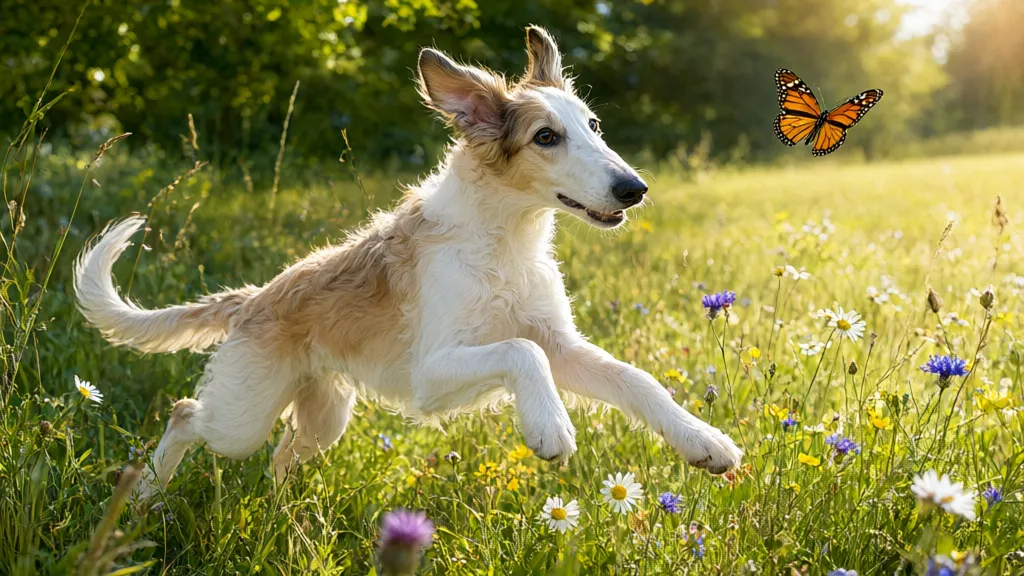
The temperament of the Borzoi is deeply influenced by its history as a hunting and companion dog, rendering it a complex blend of independence, sensitivity, and playfulness. Individually, Borzois exhibit a notable level of aloofness, particularly towards strangers, attributable to their selective breeding for the role of guardian of hunting grounds. This reserve is often mischaracterized as standoffishness but is actually a manifestation of their cautious nature. Socialization from an early age is imperative, as it helps to mitigate this innate wariness and promotes more favorable interactions with unfamiliar people and pets. Given their history of working in large hunting parties, Borzois often thrive within a familial structure, forging strong bonds with their human companions and demonstrating loyalty and affection.
Behaviorally, the Borzoi’s sighthound heritage manifests in a formidable prey drive, necessitating careful management around smaller animals. This instinct is not merely learned but is genetically embedded, influencing their reactions to moving objects. Owners must employ consistent training strategies that emphasize recall and impulse control, particularly in open environments where visual stimuli may trigger strong chase responses. Furthermore, they exhibit a specific form of intelligence often recognized as “sight hounds’ intelligence,” which differs from the task-oriented intelligence seen in other breeds. This can lead to a more independent decision-making process when faced with training tasks, particularly when the tasks are perceived as unengaging.
Exercise requirements for Borzois align closely with their behavioral tendencies; they thrive on opportunities to burn off energy through prolonged sprinting rather than continuously structured activities. Thus, providing a safe, enclosed space for these sighthounds to run freely is vital for their physical and psychological well-being. Given their size and athletic predisposition, owners should anticipate daily opportunities for vigorous exercise, ideally coupled with mental stimulation to prevent boredom and mitigate destructive behaviors. Lack of appropriate physical and mental engagement can lead to restlessness or anxiety, which may manifest in indescribable ways, from incessant barking to more severe behavioral issues.
Training techniques should leverage positive reinforcement, capitalizing on their eagerness for treats and praise. Due to their sensitivity, harsh corrections can lead to fear-based responses or shutdowns. Observing individual body language, such as raised hackles or an unwillingness to engage, can provide insights into their comfort levels and should guide modifications in training approaches. Furthermore, their intelligence allows for the potential of agility training, which can be engaging for both the dog and handler, provided that the training respects their natural tendencies.
Communication between a Borzoi and its owner is nuanced; understanding subtle signs of discomfort or eagerness is essential for fostering mutual respect and reliability. Their behavior reflects a deeper socio-cultural history of companionship and performance, manifesting in unique ways that require attentive management and tailored training approaches to fully realize their potential as both pets and performance companions. Therefore, recognizing and adapting to the Borzoi’s strengths and challenges lays the groundwork for a rewarding relationship aligned with its historical lineage.
Care and Training
Effective care and training of the Borzoi necessitates an understanding of its unique needs, informed by the breed’s physiological and behavioral characteristics. Early socialization very important, as Borzois can exhibit reticence towards unfamiliar individuals and situations due to their ancestral guarding instincts. Owners should introduce the puppy to a variety of environments, people, and other animals to foster confidence and adaptability, emphasizing positive reinforcement techniques to reward appropriate interactions and reduce any fear-based responses.
Regarding physical care, Borzois thrive on regular, vigorous exercise, which promotes not only physical health but also psychological well-being. Their exercise routines should not simply consist of walks; rather, they require opportunities to sprint in secure, enclosed spaces. Long lead walks in outdoor areas can provide mental stimulation while meeting their social needs, allowing them to explore varied scents and environments. Conversely, lack of sufficient exercise can lead to anxiety or behavioral issues, thus understanding the required intensity of activity is critical for the breed.
Nutritionally, Borzois have specific dietary needs driven by their size and activity levels. A high-quality diet rich in protein is paramount to support their muscle development and energy requirements. Owners should avoid overfeeding, as obesity can exacerbate health issues such as hip dysplasia, a condition to which this breed is genetically predisposed. Monitoring their calorie intake based on exercise levels can prevent these risks. Transitioning to adult food should occur around 18 months of age to ensure optimal growth without overexerting their developing joints.
Proper grooming is essential for maintaining the Borzoi’s long, silky coat, which requires regular brushing to prevent matting and maintain skin health. Owners should note signs of skin irritations, such as persistent scratching or redness, which may indicate allergies that could necessitate veterinary intervention. Bathing should be infrequent to preserve natural coat oils, typically conducted only when visibly dirty. Additionally, their feet should be inspected regularly for injuries or debris, reflective of their unique foot structure that enhances silent movement across varying terrains.
Training methodologies should focus on using the Borzoi’s natural intelligence and learning style. Positive reinforcement strategies, such as clicker training and reward-based systems, can enhance their responsiveness, particularly given their independent thinking tendencies. Clear, consistent commands are necessary, allowing the Borzoi to acclimate to training expectations. Owners should be attuned to their body language, as stress indicators—like lip licking or avoidance—can signal an overwhelming training environment, prompting adjustments to reduce pressure during educational sessions.
To further support behavioral development, training sessions can incorporate engaging activities like agility courses or scent work, which align with the Borzoi’s history as a hunting companion. Tailoring training to include these elements enhances their engagement and satisfaction, promoting a strong bond between the dog and handler. Recognizing and nurturing these breed-specific tendencies not only facilitates effective training but also enriches the overall quality of life for both the Borzoi and its owner.
Related Posts

Doc Itchy Stink Stopper Dog Odor Eliminator
Canine Asthma – Symptoms and Treatment Options