Natural Ways to Relieve Your Dog’s Joint Pain
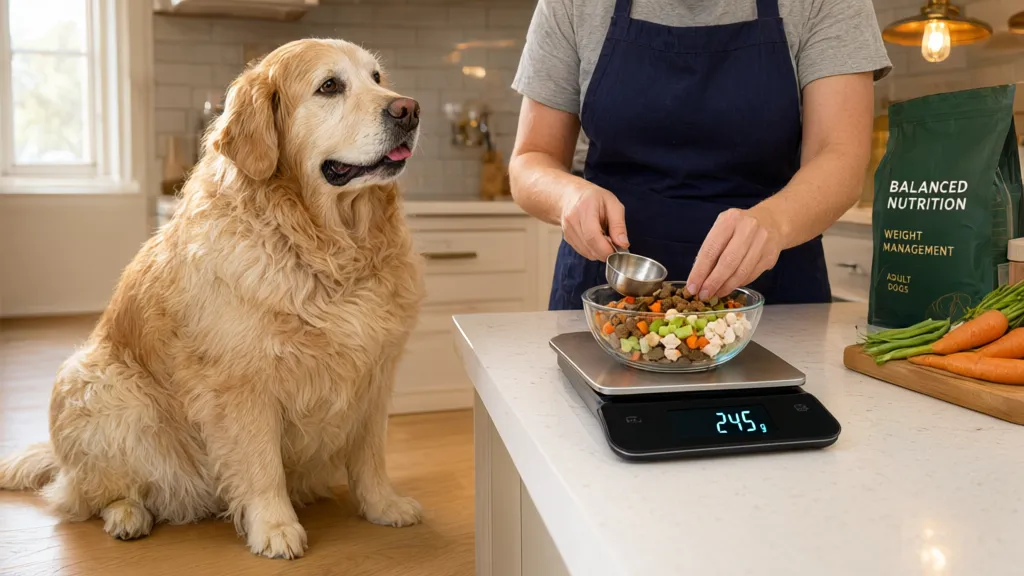
Excess body fat increases the force borne by painful joints, while adipose tissue also releases inflammatory mediators that can aggravate osteoarthritis. If a dog is overweight, a veterinarian can set a calorie target and track body-condition score and muscle condition; gradual fat loss should preserve muscle, which helps support joints. Measure food by weight rather than using an unmeasured scoop, account for treats and chews, and avoid severe calorie restriction or home-formulated weight-loss diets that may leave nutrient gaps.
Choose a complete, balanced food appropriate to the dog’s life stage, then adjust the daily amount to maintain a lean body condition. A food labeled for joint support may contain added omega-3 fatty acids, but the label’s total fish-oil quantity does not illustrate how much active EPA and DHA it provides. Ask the veterinarian to assess the EPA-plus-DHA amount against the dog’s weight, diet, medical history, and medications. Fish oil can cause gastrointestinal upset and, at high doses, affect blood clotting; it may also add substantial calories.
Evidence for joint supplements varies by ingredient and product. Omega-3 EPA and DHA have the strongest nutritional evidence for reducing osteoarthritis-associated inflammation and improving mobility in some dogs, but they do not repair damaged cartilage. Glucosamine and chondroitin have inconsistent evidence, and product quality and absorption differ; improvement, if any, may take several weeks. Green-lipped mussel and undenatured type II collagen have some supportive studies, but results are not uniform. A supplement should be judged by a measurable change in function—such as easier rising or longer comfortable walks—not by a claim on the package.
Use products with transparent ingredient amounts and independent quality testing where available. Do not combine multiple joint supplements without checking for duplicated ingredients, calories, or drug interactions. Turmeric and concentrated curcumin products can interact with anticoagulants and may be unsuitable for dogs with gastrointestinal, liver, or gallbladder disease. Human pain-relief products and flavored supplements may contain xylitol or other unsafe ingredients; never substitute them for veterinary treatment.
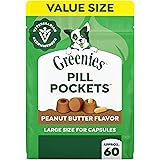
Greenies Pill Pockets Large Size Dog Treats, Peanut Butter, 15.8 oz | Vet-recommended, masks pill smell & taste, moldable texture, capsule size, natural ingredients, no fillers, 15.8 oz. pouch
(as of November 15, 2026 22:59 GMT +00:00 - More infoProduct prices and availability are accurate as of the date/time indicated and are subject to change. Any price and availability information displayed on [relevant Amazon Site(s), as applicable] at the time of purchase will apply to the purchase of this product.)Tell the veterinarian about every food, oil, herb, and supplement before starting one, especially if the dog takes an NSAID, has kidney or liver disease, pancreatitis, a bleeding disorder, or is scheduled for surgery. Persistent worsening lameness, sudden inability to bear weight, marked joint swelling, or pain at rest warrants prompt assessment rather than a dietary trial.
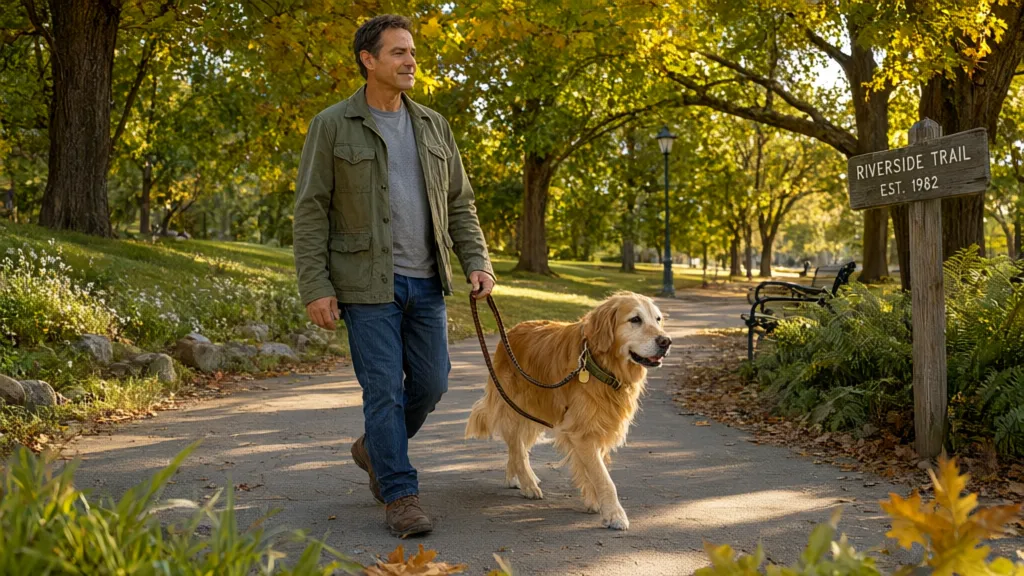
Regular, controlled movement helps preserve muscle strength, joint range of motion, and fitness; prolonged rest can cause deconditioning that makes each step harder. The suitable activity depends on which joints are affected, pain severity, and any concurrent disease, so ask the veterinarian to set an initial duration and intensity. For many dogs, several short, level walks are better tolerated than one long outing. Keep the pace steady, use a short leash to limit sudden acceleration, and avoid fetch, jumping, tight turns, rough play, and steep hills when these trigger pain.
Increase activity only when the dog remains comfortable during exercise and returns to its usual mobility by the following day. Shorten the next session if lameness, stiffness after resting, reluctance to rise, a shortened stride, or slower movement appears during the walk or worsens afterward. A dog may continue moving despite pain, especially when excited, so willingness to chase a toy is not evidence that the activity is safe. Record walk duration and next-day symptoms to identify a tolerable workload and gradual changes.
Warm up with several minutes of easy walking before a longer session; finish at an easy pace rather than stopping abruptly. Choose firm, even, nonslip surfaces. Slippery floors, repeated stairs, and jumping in or out of vehicles increase the risk of a painful slip or abrupt joint loading; rugs, ramps, and a well-fitted harness can reduce these demands. Keep nails trimmed and excess hair between paw pads short to improve traction.
Swimming or underwater-treadmill work can provide movement with less weight bearing, but it is not automatically appropriate for every dog. Water exercise requires supervision, safe entry and exit, and a controlled workload; dogs with heart or respiratory disease, poor swimming ability, skin problems, or severe pain may need a different plan. A veterinary rehabilitation professional can prescribe strengthening and balance exercises tailored to the affected joints. Do not force passive joint bending or copy exercises intended for another dog, because painful range of motion and unstable joints can worsen with poorly selected movements.
Weight reduction lowers mechanical loading, but preserve muscle by pairing a veterinarian-directed calorie plan with activity the dog can perform comfortably. Recheck body condition and muscle condition regularly: visible loss of muscle over the hindquarters or spine despite a falling body weight may signal excessive restriction or progression of disease. Sudden severe lameness, inability to bear weight, or rapidly increasing pain requires veterinary assessment before exercise resumes.
Related Posts
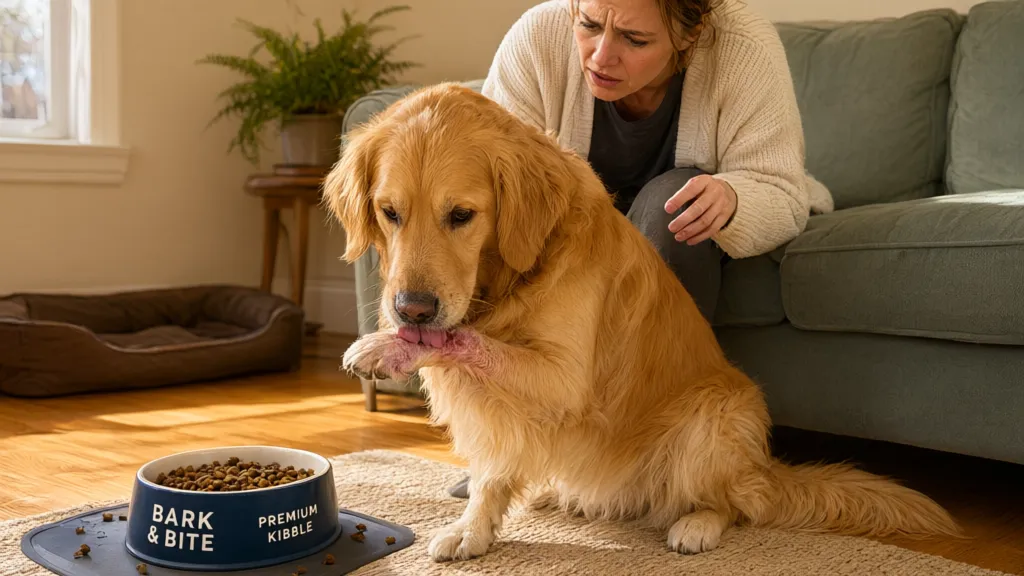
Dealing with Dog Food Intolerances and Sensitivities
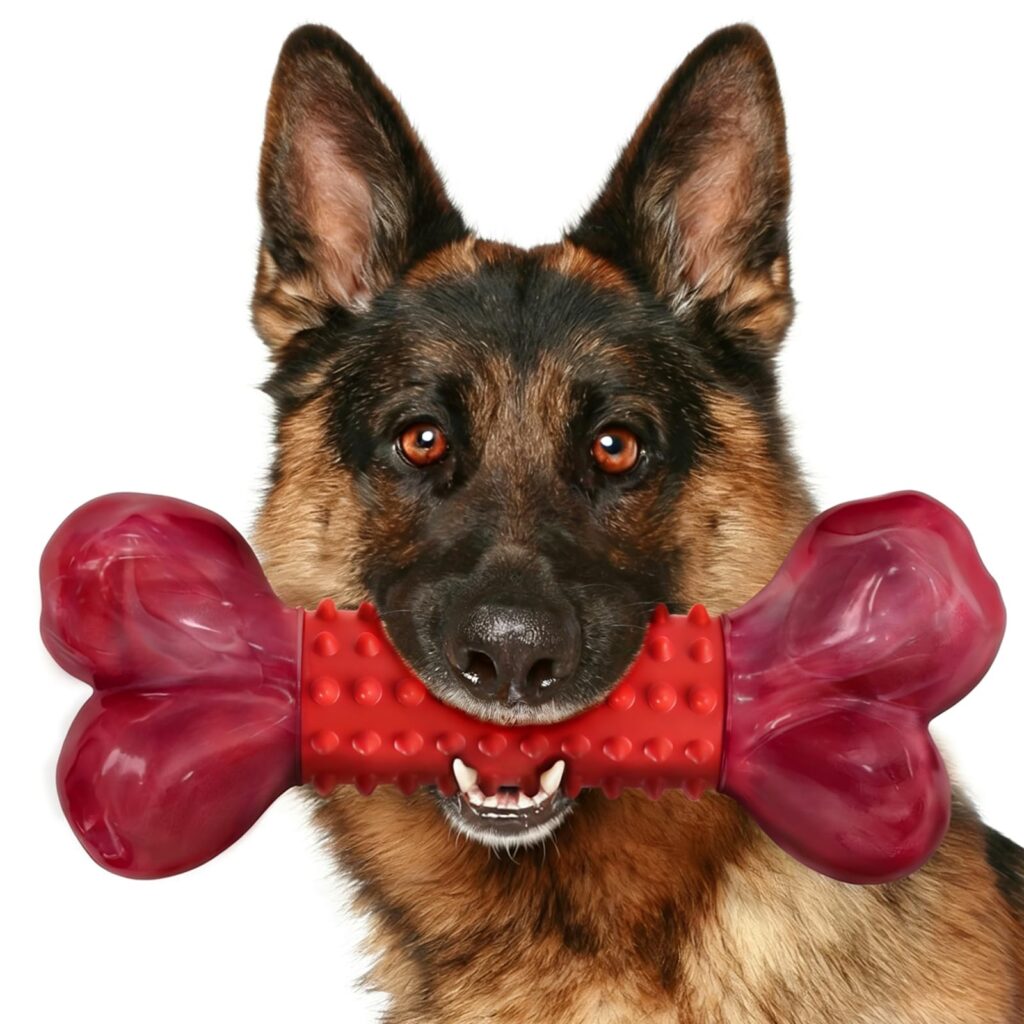
“Apasiri Tough Dog Toys for Aggressive Chewers”