Feeding Your Dog a Low-Fat Diet: When and Why
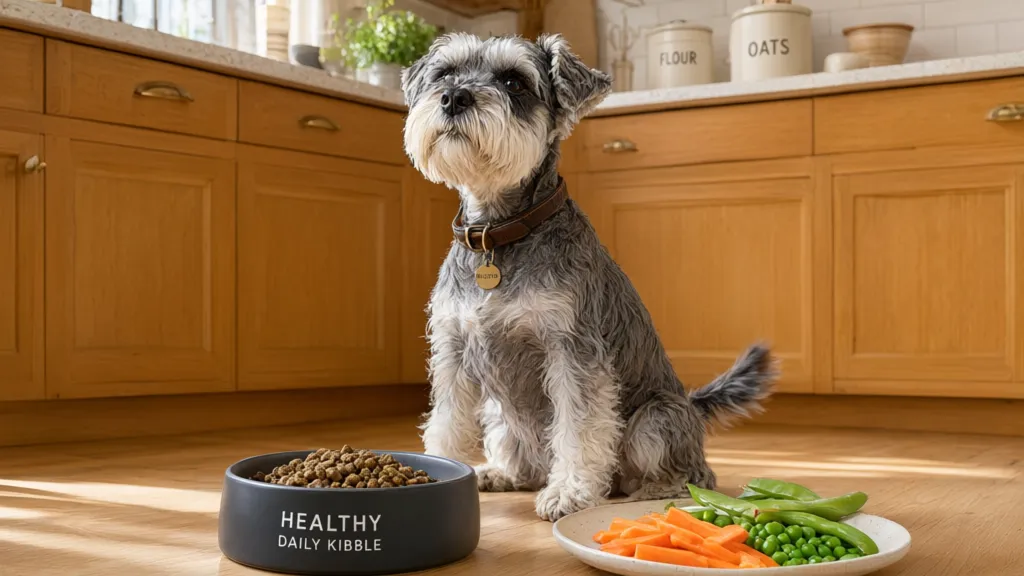
Low-fat diets for dogs reduce total fat intake typically below 10-15% of total calories, contrasting with standard diets containing about 15-25%. This reduction assists in managing specific health conditions including obesity, pancreatitis, and hyperlipidemia, which are prevalent among breeds predisposed to these issues, such as the Miniature Schnauzer or the Beagle. Canine pancreatitis, for instance, can lead to inflammation of the pancreas triggered by high-fat foods, necessitating a significant decrease in dietary fat to maintain health and prevent subsequent flare-ups.
The composition of low-fat diets often emphasizes high-quality protein sources and easily digestible carbohydrates. A diet high in protein is critical for maintaining lean muscle mass during weight loss phases in overweight dogs. Protein also stimulates satiety, preventing hunger between meals. Carbohydrates, such as sweet potatoes or brown rice, can serve as low-fat energy sources, although their digestibility is crucial; for instance, certain breeds, like Bulldogs, may struggle with complex carbohydrate digestion, indicating a need for simpler options.
Digestive health is another factor affected by fat content. Low-fat diets may lead to alterations in the gut microbiota, potentially reducing the abundance of beneficial bacteria that thrive on dietary fibers. This shift necessitates the inclusion of fiber-rich ingredients, like pumpkin or beet pulp, to promote gut motility and to mitigate common digestive issues such as diarrhea or constipation. Observational signs that indicate proper gut health include normal stool consistency, regular bowel movements, and a noticeable reduction in flatulence.
The transition to a low-fat diet necessitates a gradual approach to avoid gastrointestinal disturbances. Begin by incorporating a small proportion of the low-fat diet into the existing food over several days, increasing the ratio incrementally to allow the dog’s digestive system to adjust. Monitor the dog’s weight and body condition score regularly to ensure the diet is effective and to adjust feeding amounts as needed. A weight management plan should always consider the animal’s age, energy level, and overall health condition.

Earth Rated Dog Poop Bags on Refill Rolls, 270 Bags, Lavender | Guaranteed Leak Proof and Extra Thick Waste Bag Refill Rolls
$14.99 (as of September 30, 2026 09:04 GMT +00:00 - More infoProduct prices and availability are accurate as of the date/time indicated and are subject to change. Any price and availability information displayed on [relevant Amazon Site(s), as applicable] at the time of purchase will apply to the purchase of this product.)Lastly, food labels should be scrutinized, as ‘low-fat’ does not always equate to healthier choices; the type of fat, quality of ingredients, and overall balance of nutrients are equally important. Some low-fat foods compensate with higher carbohydrate percentages, which can cause glucose spikes, particularly concerning for diabetic dogs. Understanding the nutritional profile is essential for maximizing health benefits while transitioning to, or selecting, a low-fat diet that aligns with the specific health needs of the dog.
When to Consider a Low-Fat Diet
A low-fat diet should be considered when a dog exhibits certain weight or health issues. For instance, obesity is a leading concern and occurs when energy intake exceeds energy expenditure, leading to excess body fat that can predispose dogs to a variety of health problems, including reduced mobility and increased risk of diabetes or arthritis. Breeds known for a propensity towards obesity, such as Labradors and Pugs, may require a proactive low-fat dietary approach, especially as they reach middle age when metabolic rates often decrease.
Another critical health condition warranting consideration of a low-fat diet is pancreatitis. Dogs experiencing recurrent bouts, particularly breeds like the Miniature Schnauzer, are more susceptible due to genetic predispositions. Elevated fat intake can exacerbate inflammation of the pancreas, prompting symptoms such as vomiting, abdominal pain, and lethargy. Rapid shifts from high-fat diets to low-fat diets can be beneficial in managing this condition, especially following acute flare-ups to stabilize the dog’s health and support recovery.
Hyperlipidemia, characterized by elevated levels of lipids in the bloodstream, is another significant factor to monitor. This condition often accompanies other disorders such as diabetes mellitus or hypothyroidism, commonly seen in breeds like Dachshunds and Boxers. Dogs with hyperlipidemia require low-fat diets to prevent further complications, such as pancreatitis, and to manage underlying metabolic imbalances. Regular veterinary check-ups to monitor lipid profiles and overall health will inform necessary dietary changes.
Age-related considerations also underscore when to consider a low-fat diet. Senior dogs often face metabolic slowdowns that can result in weight gain if their caloric intake isn’t adjusted appropriately. Additionally, conditions like kidney disease may necessitate a low-fat approach, as high-fat diets can exacerbate symptoms or complicate treatment plans. It’s crucial to tailor dietary strategies based on the individual dog’s health status, breed characteristics, and life stage.
Behavioral indicators such as excessive begging or scavenging may suggest a dog is not satiated, prompting owners to reassess meal composition. Implementing a low-fat diet can help in controlling weight while simultaneously satisfying hunger, particularly for dogs predisposed to snacking behaviors. Observing signs of discomfort after meals, such as bloating or gas, can also signal the need for dietary adjustments. Owners should remain vigilant about feeding practices; offering smaller, more frequent meals can promote better digestion and prevent overeating.
Monitoring overall body condition score alongside dietary changes is essential. Using a numerical scale to assess fat coverage, alongside veterinary guidance, ensures the dog remains in optimal health throughout the transition to a low-fat diet, addressing both physiological and behavioral aspects effectively.
Benefits of a Low-Fat Diet
A low-fat diet offers various significant benefits for dogs, particularly in managing and preventing specific health conditions. One primary advantage is the reduction of caloric intake while still providing essential nutrients. This is especially beneficial for overweight or obese dogs, as it encourages gradual weight loss without causing nutritional deficiencies. For breeds predisposed to obesity, such as the Basset Hound or Bulldog, this can facilitate improved mobility and reduced strain on joints, ultimately enhancing quality of life.

Moreover, low-fat diets are pivotal in managing pancreatitis, a condition that often requires immediate dietary intervention. The reduced fat content minimizes the risk of triggering inflammatory responses in the pancreas, leading to fewer episodes of pain and discomfort. Continued low-fat feeding can support a dog recovering from pancreatitis, stabilizing their condition and preventing future flare-ups. That’s important for breeds prone to this condition, including the Miniature Schnauzer and Cocker Spaniel, where dietary management plays a key role in their long-term health.
Another distinct benefit of low-fat diets is the potential improvement in lipid profiles, providing management for hyperlipidemic dogs. By reducing dietary fat, it’s possible to lower triglyceride levels and maintain healthier cholesterol ratios, particularly important in breeds like the Doberman Pinscher or Boxer that may be genetically predisposed to lipid metabolism disorders. Regular monitoring of blood lipid levels can be incorporated into veterinary care to assess the efficacy of dietary changes.
Low-fat diets can also enhance digestive health. A diet lower in fat typically contains higher levels of fiber. Increased fiber aids in maintaining regularity in bowel movements and supports overall gastrointestinal health. Ingredients such as psyllium husk or sweet potatoes are excellent sources of soluble fiber, which can help promote a balanced gut microbiome. Such dietary modifications can reduce common digestive disruptions, including diarrhea or constipation, especially in breeds with sensitive stomachs, such as Greyhounds or Shih Tzus.
In addition to health benefits, low-fat diets may also contribute to improved behavior. Dogs fed a low-fat diet often exhibit reduced begging and food-seeking behaviors, likely due to better satiety achieved with balanced nutrition. This aspect is particularly relevant for breeds with high appetites, like Labrador Retrievers. Meeting their nutritional needs with fewer calories can help manage their weight while satisfying hunger effectively.
Lastly, low-fat diets can facilitate the management of other chronic health issues. Conditions like kidney disease often require careful dietary control, and a low-fat approach can mitigate complications, supporting overall renal function without exacerbating the disease. Tailoring the dietary content to reduce dietary fat is a critical aspect of veterinary nutritional management, emphasizing the importance of individualized feeding strategies aligned with health conditions.
Tips for Transitioning to a Low-Fat Diet
Transitioning a dog to a low-fat diet should be a meticulous process to minimize gastrointestinal distress and ensure optimal nutritional adjustments. Begin by mixing a small portion of the new low-fat food with the current diet, approximately 25% low-fat and 75% existing food. Gradually increase the low-fat portion over 7 to 10 days, which allows the dog’s digestive system to adapt to the altered fat content without triggering symptoms like diarrhea or vomiting.
Monitor your dog for signs of digestive upset during this transition. Symptoms such as changes in stool consistency, increased flatulence, or persistent vomiting are indicators that the adjustments may be too rapid or the new diet may not be suitable. If any adverse reactions occur, slow the transition back to a more extended mixing period before attempting to increase the proportion of low-fat food again.
Hydration especially important during this period; changes in diet can influence water intake and hydration levels. Ensure that your dog has access to fresh water at all times. Keep a close watch on your dog’s behavior. Increased lethargy or disinterest in food can signal that the diet may not be meeting their energy needs, necessitating re-evaluation of the calorie content and composition.
When selecting a low-fat food, focus on products that offer a balanced nutritional profile, particularly those with high-quality protein sources and adequate fiber content. Fiber sources, such as pumpkin or psyllium, promote digestive health and can help with satiety, reducing feelings of hunger. Be cautious of food products with excessive fillers or high carbohydrate content, as they can lead to glucose fluctuations, especially in predisposed breeds such as the Dachshund or Chihuahua.
Incorporating smaller, more frequent meals can enhance digestion and help prevent overeating. Feeding three to four smaller meals throughout the day rather than one or two larger meals can improve nutrient absorption and stabilize energy levels. Additionally, engage in regular weight monitoring using body condition scoring systems; aim to adjust portions or caloric intake as necessary based on observed weight changes.
If your dog has specific health conditions, such as liver or kidney issues, consult with a veterinarian who specializes in canine nutrition to tailor the low-fat diet according to those medical needs. Regular follow-ups allow for dietary adjustments based on weight outcomes and blood work results, ensuring that the nutritional strategy remains aligned with the dog’s health status.
Lastly, maintaining consistency during the transition is vital. Any changes in routine can stress a dog and elicit undesirable behaviors, including food-seeking or scavenging. Therefore, patience and regular monitoring will support a smoother transition, contributing to the overall success of implementing a low-fat diet tailored to your dog’s needs.
Related Posts

The Art of Canine Bowen Therapy – Holistic Healing
Borzoi