Training Your Dog to Be a Well-Behaved Biking Buddy
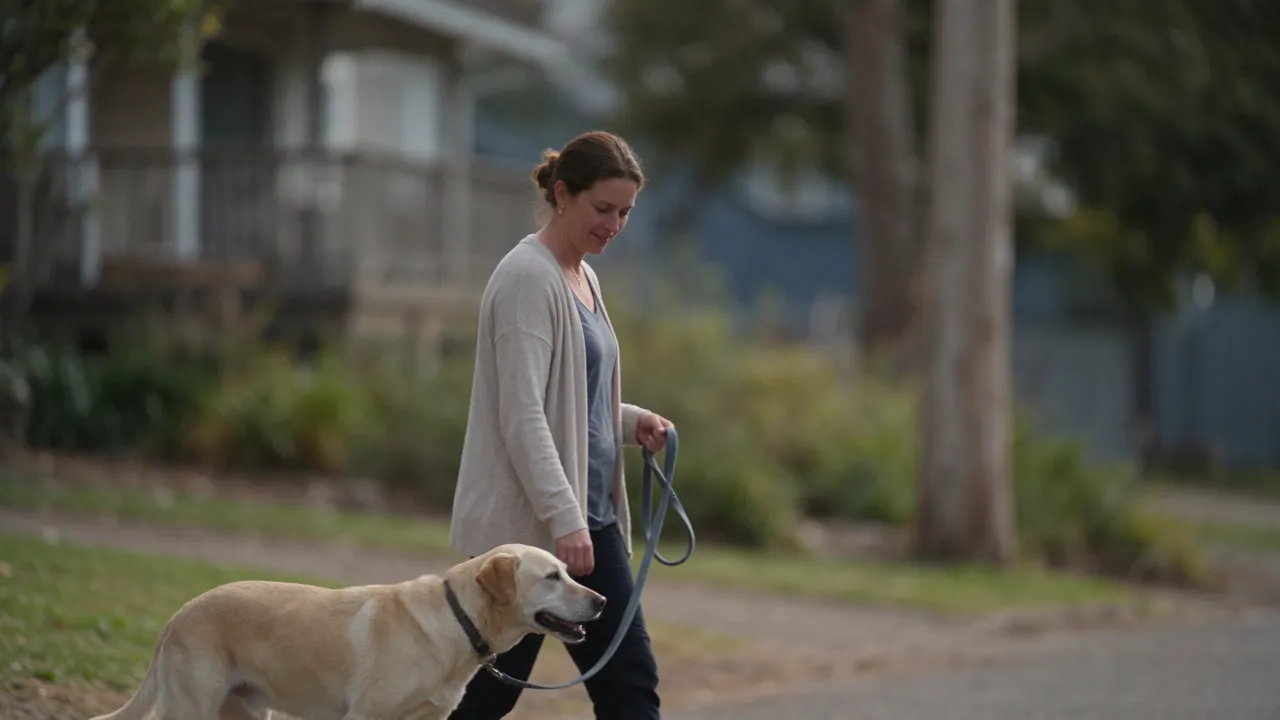
Begin with ordinary leash skills away from the bicycle. Reward a loose lead and a position beside you; when the dog pulls, stop or change direction rather than allowing tension to carry it forward. Resume when the lead softens. This makes forward movement depend on calm leash behavior, not strength. Practise brief sessions in quiet places before adding traffic, cyclists, or other dogs.
Teach a small set of clear cues that will matter near a bike: moving beside you, stopping, waiting, and turning away. Use the same words and hand signals each time, and reward promptly while the dog is still in the desired position. Practise stopping from a walk and waiting until released; a dog that understands these skills on foot is easier to guide if something unexpected appears.
Introduce the bicycle while it is stationary. Let the dog notice it at a distance where the body remains relaxed and the dog can take food or respond to a familiar cue. Reward looking calmly, then end the session before interest becomes alarm or excitement. Gradually bring the bicycle closer over several short sessions. If the dog freezes, retreats, barks, lunges, or cannot attend to you, increase distance; these are signs that the exposure is too intense, not disobedience.
Next, move the bicycle slowly by hand while walking the dog on a separate leash. Keep the lead short enough to prevent access to wheels but loose enough to avoid constant pressure. Practise stopping and turning away from the bicycle, and reward the dog for staying beside you rather than crossing in front or behind. Do not attach the leash to the bicycle or wrap it around a wrist or handlebar: a sudden lunge can pull the handler off balance or drag the dog into the wheels.
EHEYCIGA Orthopedic Extra Large Dog Bed, Waterproof Washable XL Pet Bed 44" | Non-Slip Bottom and Egg-Crate Polyurethane Foam Big Dog Couch Bed with Washable Removable Cover, Grey
(as of November 28, 2026 01:09 GMT +00:00 - More infoProduct prices and availability are accurate as of the date/time indicated and are subject to change. Any price and availability information displayed on [relevant Amazon Site(s), as applicable] at the time of purchase will apply to the purchase of this product.)Use a well-fitted harness or flat collar that does not restrict breathing or movement, and avoid retractable leads near a bicycle. Check that the dog can turn its head, walk comfortably, and remain responsive; panting unrelated to heat, repeated lip-licking, tucked posture, scanning, or refusing food can indicate stress. Keep practice brief and stop while the dog is still settled. A dog that repeatedly fixates on wheels, chases moving objects, or cannot recover after a startle needs more distance and groundwork before any moving-bike practice.
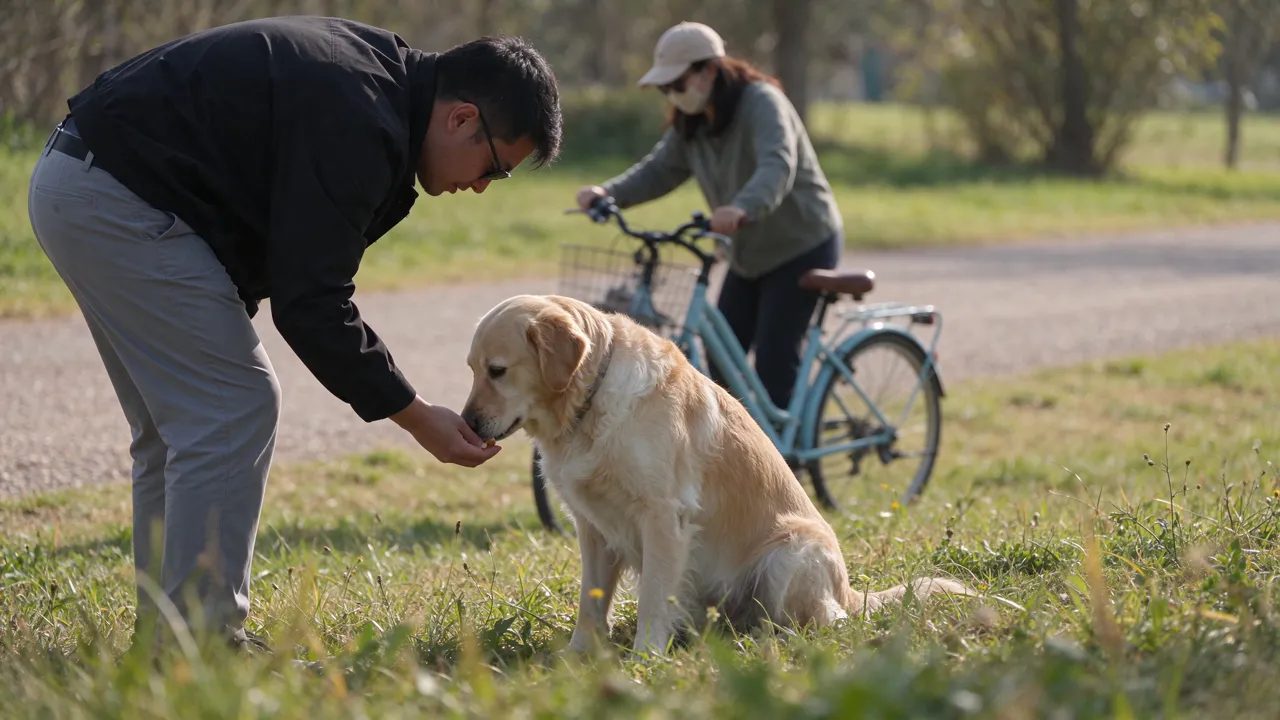
Begin moving-bike practice in a broad, quiet area with firm, even footing and no traffic. Have a second adult control the bicycle while you walk the dog on a separate leash; start with a few steps, then pause and reward the dog for remaining settled. Increase distance and duration in small increments only when the dog’s body stays loose and the dog can readily respond to familiar cues. If the dog startles, fixates, pulls, or falls behind, stop safely and make the next repetition easier.
Before riding with the dog, choose a secure, low-traffic route with room to stop and turn around. Use a purpose-built, bike-mounted attachment only if it keeps the dog clear of the wheels and allows controlled slack; never hold a leash in your hand while cycling or fasten it to the handlebars. A correctly fitted harness distributes pressure across the chest, but it does not prevent falls or entanglement. Check the attachment and harness before each ride, and do not use equipment that forces the dog to maintain a position or pace it cannot comfortably choose.
Keep the first rides very short and slow, with frequent opportunities to stop, sniff, drink, and rest. Ride at a pace that permits a relaxed trot rather than sustained galloping; do not make the dog run beside traffic or on hot pavement. Dogs cool themselves mainly by panting, so heat, humidity, exertion, and restricted airflow can cause overheating rapidly. Heavy panting, excessive drooling, uncoordinated movement, vomiting, weakness, or collapse require immediate cessation of exercise and urgent veterinary care.
Age, body structure, and health determine whether a dog is ready for sustained running. Avoid forced distance exercise while a puppy is growing, particularly in large and giant breeds whose growth plates mature later; ask a veterinarian when higher-impact exercise is appropriate. Short-muzzled dogs, dogs with heart or airway disease, overweight dogs, and those with arthritis or prior orthopedic injury may be poor candidates even when they appear eager. Stop for limping, shortened strides, repeated lagging, reluctance to continue, or stiffness after rest, and arrange veterinary assessment if these signs persist.
Use a helmet for yourself and choose routes where the dog can move away from hazards without crossing the bicycle’s path. Do not ride near loose dogs, wildlife, or dense pedestrian traffic until the dog can pass such distractions calmly at walking speed. End the outing before fatigue reduces coordination; tiredness increases the chance of stumbling, drifting into the wheels, or reacting abruptly to a sound or movement.
Related Posts
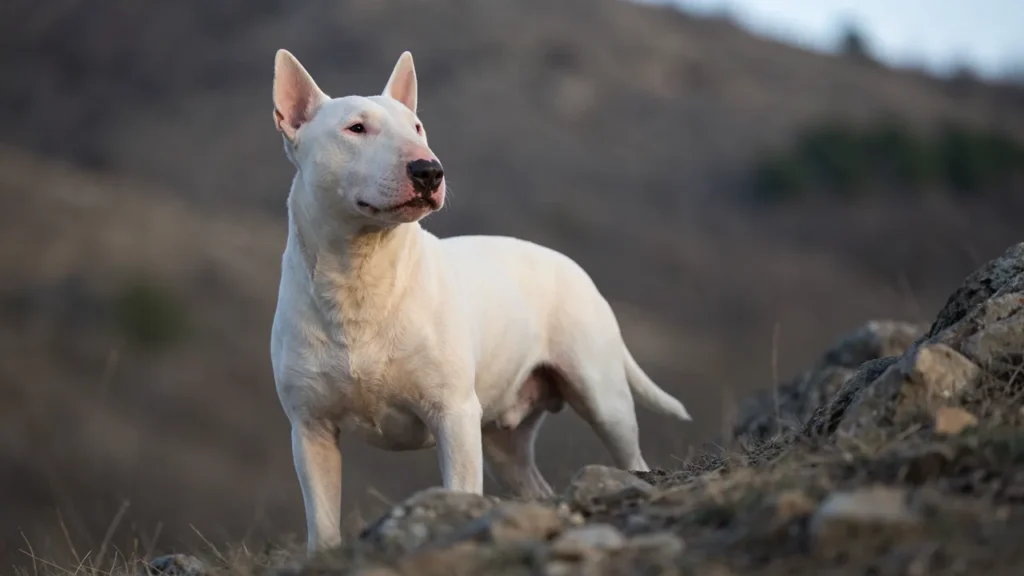
Bull Terrier

“Earth Rated Dog Poop Bags on Refill Rolls, 600 Bags, Lavender”