The Science of Dog Memory – What Your Pup Remembers
Canine memory functions through complex neurobiological processes, primarily involving the hippocampus and prefrontal cortex. These brain regions are crucial for encoding, storing, and retrieving information. Memory in dogs is not monolithic; it encompasses several types, including associative and declarative memory. Associative memory allows dogs to connect specific stimuli with experiences, crucial for learning through positive reinforcement or aversive events. Declarative memory, though less developed in dogs compared to humans, enables them to remember facts and information, such as the names of toys or commands.
Memory access in canines can be short-term or long-term. Short-term memory typically lasts for mere seconds to a few minutes, influencing immediate behaviors like responding to commands or recalling the location of a recently hidden object. Long-term memory, on the other hand, can persist for years, allowing dogs to retain significant life experiences, such as the identity of their owners or the recollection of traumatic events. The interplay between short-term and long-term memory allows dogs to adapt their behaviors based on past experiences and environmental feedback.
Social and environmental contexts considerably influence memory mechanisms in dogs. Dogs are social learners; they often rely on both human interaction and cues from other dogs to create mental associations. For instance, breeds selected for herding or hunting roles use social learning to recognize commands and anticipated outcomes, enhancing their ability to remember and react appropriately in various situations. Additionally, stress can impair memory formation and retrieval, with increased cortisol levels hindering hippocampal function, leading to difficulties in behavioral consistency.
Age is a significant factor affecting memory in dogs. Young dogs often demonstrate high plasticity in learning, but as dogs age, neurodegenerative changes can affect cognitive function. Canine cognitive dysfunction syndrome (CDS), analogous to Alzheimer’s disease in humans, becomes prevalent in older dogs, leading to reduced memory retention and altered behaviors. Early signs include disorientation, disrupted sleep patterns, and changes in interaction with family members or other pets.

Amazon Echo Show 5 (newest model), Smart display, Designed for Alexa+, 2x the bass and clearer sound, Charcoal
$59.99 (as of October 2, 2026 09:08 GMT +00:00 - More infoProduct prices and availability are accurate as of the date/time indicated and are subject to change. Any price and availability information displayed on [relevant Amazon Site(s), as applicable] at the time of purchase will apply to the purchase of this product.)Genetics also plays a role in memory capacity among different breeds. Breeds such as border collies or German shepherds, known for their enhanced cognitive abilities, display superior memory skills and learning rates compared to breeds historically bred for different purposes. This divergence often correlates to their specific needs in work or companionship roles, which influence both their memory capabilities and behavioral expressions.
Types of memories in dogs
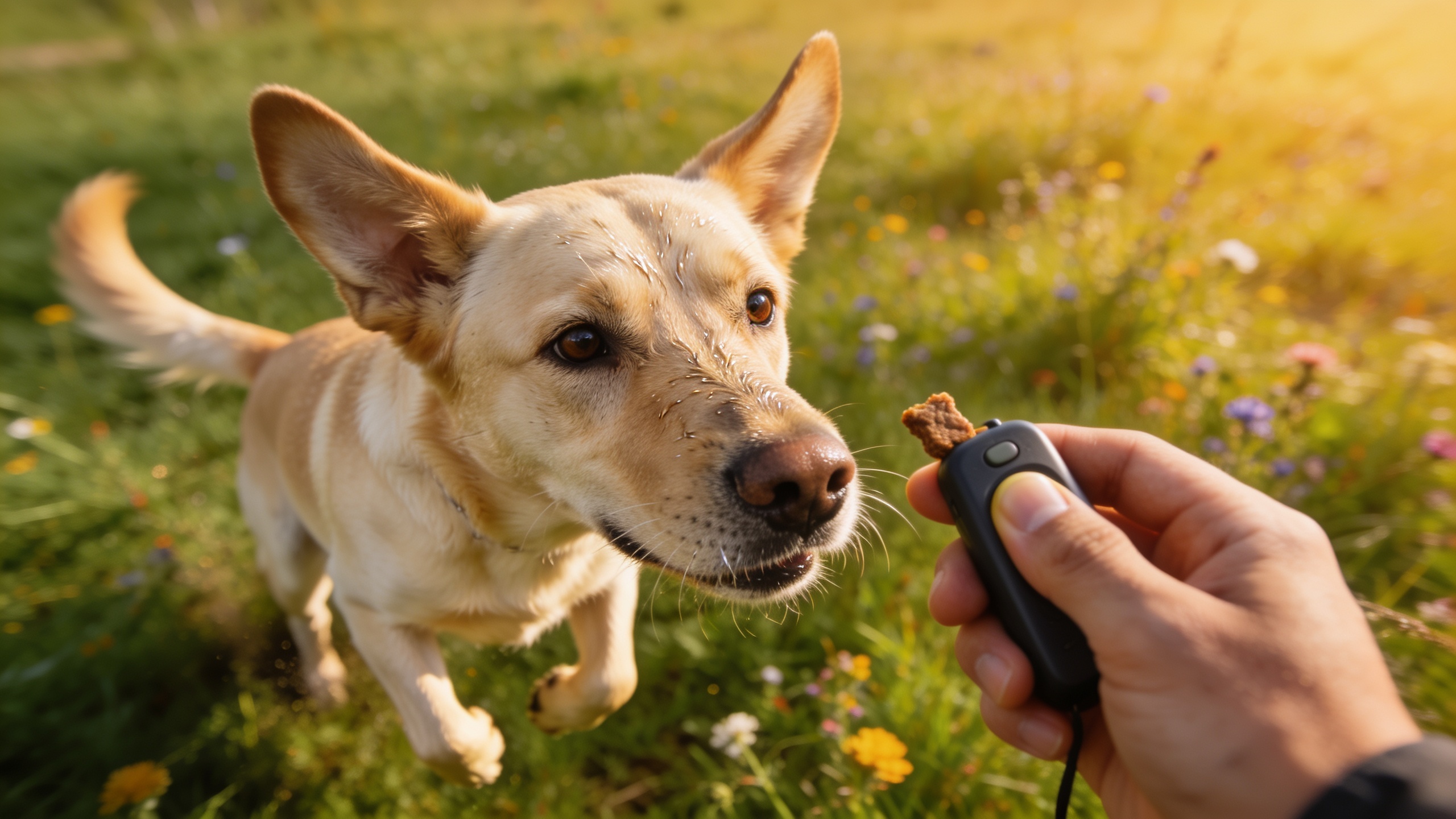
Canine memory is multifaceted, comprising various types that serve distinct purposes. Associative memory is paramount in daily interactions; it enables dogs to form connections between specific stimuli and outcomes based on prior experiences. This especially important in training, where positive reinforcement strengthens the association between a command and a reward, fostering quicker learning and better retention over time. For example, a Labrador retriever may strongly associate the sound of a clicker with receiving a treat, thereby enhancing its responsiveness during training sessions.
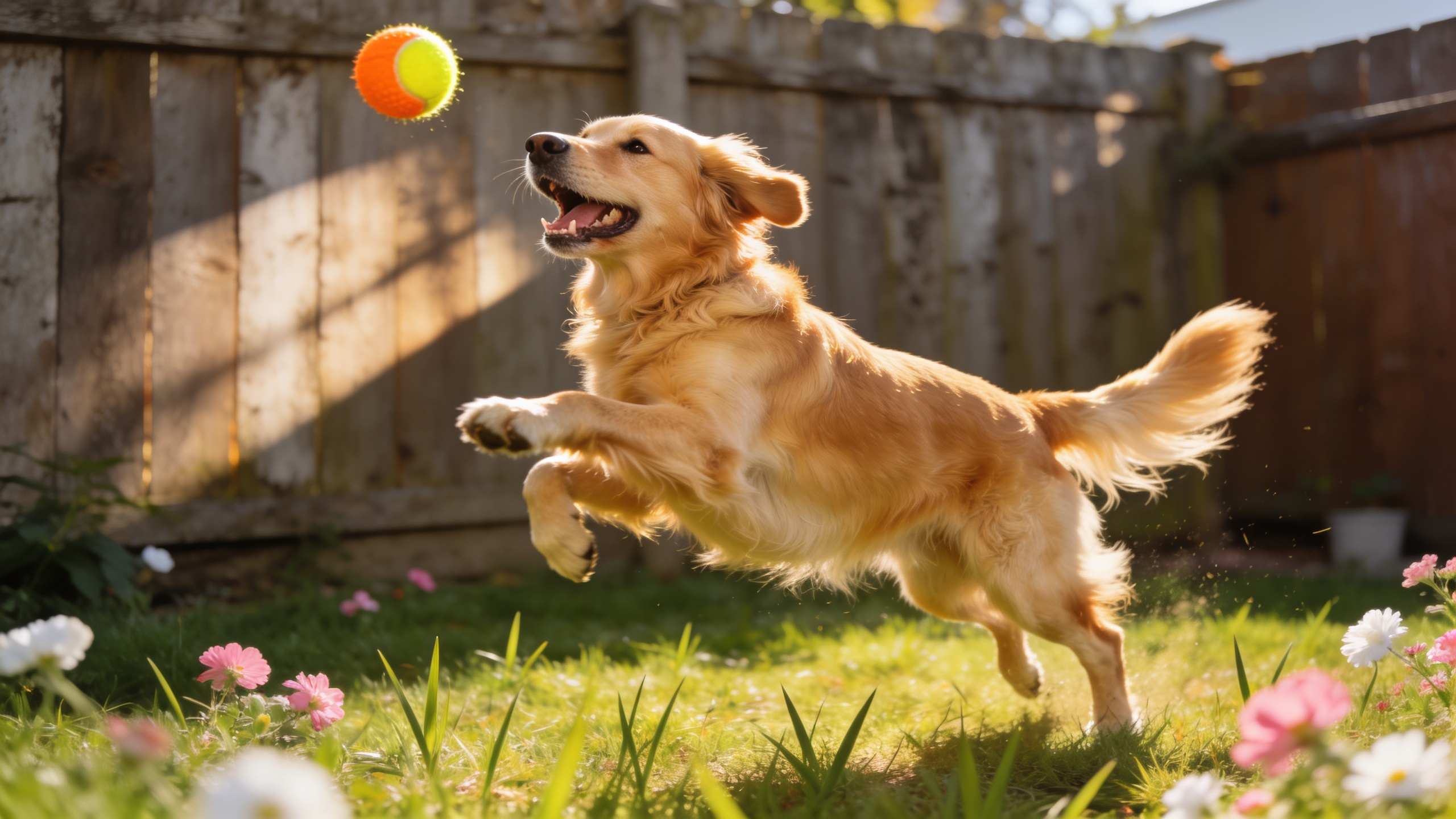
Another significant type of memory is procedural memory, which facilitates the ability to execute tasks based on learned behaviors. This form of memory underlies actions performed without conscious thought, such as a dog sitting on command or retrieving a ball. Breeds traditionally employed in competitive roles, like spaniels in trials or terriers in agility, exhibit superior procedural memory due to their breeding for specific tasks that require consistent performance.
Additionally, declarative memory allows dogs to remember factual information and notable events. While less pronounced than in humans, several studies suggest that dogs can remember the names of toys and recognize specific cues presented in varied contexts. For instance, a Beagle trained to fetch a particular toy may demonstrate the ability to differentiate between several items by name, indicating the presence of a rudimentary form of declarative memory. This cognitive ability can vary significantly among breeds, influenced by their historical roles that required distinct types of learning and memory retention.
Spatial memory is another critical component, allowing dogs to navigate their environment and recall the locations of objects or individuals. That is particularly vital for working breeds like Belgian Malinois, who often need to remember expansive areas during search and rescue operations. Greater spatial awareness correlates with genetic predispositions, as breed structure may enhance these abilities. Individual experiences, such as encounters in various environments, also refine a dog’s spatial cognition.
Contextual factors further delineate how these memory types manifest. Emotional states heavily influence memory performance; anxiety can impede a dog’s ability to recall learned behaviors or commands. Similarly, high-stress environments can lead to memory blockages, where a dog fails to respond to previously learned stimuli. Understanding a dog’s emotional context is essential for optimizing training and reinforcing positive learning experiences.
The interaction between different memory types—associative, procedural, declarative, and spatial—fuels a dog’s ability to learn and adapt. Breeds developed for intelligence and problem-solving will typically demonstrate greater proficiency across these memory types, underscoring the importance of targeted training approaches that leverage innate capabilities and address possible limitations in individual dogs.
Factors affecting memory retention
Memory retention in dogs is influenced by several key factors, including the nature of the information to be retained, the emotional context during learning, and the individual dog’s physiological and developmental status. Neurotransmitter levels, particularly dopamine and serotonin, play critical roles in enhancing memory consolidation. Higher dopamine levels, often stimulated by positive reinforcement during training, promote synaptic plasticity and long-term potentiation, which are essential for memory retention and recall. Conversely, low levels of these neurotransmitters can impair cognitive function, making it difficult for dogs to retain learned behaviors.
Environmental factors also significantly affect memory retention. A stable and rich learning environment provides the necessary stimuli and experiences that reinforce memory pathways. Variables such as noise, unfamiliar surroundings, or the presence of unknown dogs can create distractions that inhibit a dog’s ability to focus and memorize commands or tasks. Thus, optimizing training sessions in familiar and low-stress environments increases the likelihood of effective memory retention.
Differential responses to training and memory retention based on age and breed must also be considered. Younger dogs exhibit greater neuroplasticity, allowing them to assimilate new information rapidly. In contrast, older dogs may experience cognitive decline related to aging, including reduced memory retention linked to a decrease in brain volume and altered cerebral metabolism. Recognizing age-related changes, such as slower processing speed or diminished recall, can guide the owner in modifying training techniques to accommodate the dog’s current cognitive capacity.
The timing of reinforcement further influences memory retention. Immediate rewards following a correct action forge strong associations, while delayed reinforcement may weaken the connection between the behavior and the outcome. Using techniques such as clicker training ensures that immediate feedback is provided, solidifying the memory of the desired behavior at the moment it occurs. Additionally, spacing training sessions and incorporating varied reinforcement schedules enhance memory retention by preventing habituation and promoting sustained engagement.
Moreover, stress management especially important for memory retention. Elevated stress levels produce cortisol, which has been shown to disrupt hippocampal function, inhibiting the encoding and retrieval of memories. Implementing stress-reduction techniques, such as routine exercise, mental enrichment activities, and creating a calming environment, can foster better cognitive performance. Observing the signs of stress in dogs, such as panting, pacing, or excessive barking, can help identify when a training session may need to be modified or postponed.
Lastly, individual personality traits and past experiences can significantly impact memory retention. Dogs with a propensity for anxiety or fear may struggle with new learning due to negative associations formed in the past. Understanding a dog’s unique temperament allows owners and trainers to tailor approaches to reinforce memory retention through positive associations, gradually building confidence and reinforcing learning in a supportive manner.
Training techniques to enhance memory
Effective training strategies can significantly enhance a dog’s memory capacity and recall abilities. Positive reinforcement remains the cornerstone of most successful training techniques. This method leverages the natural propensity for dogs to seek rewards, thereby enhancing the likelihood of retention. Using high-value rewards—such as a favored treat or toy—can intensify motivation, making the learning experience more impactful. The timing of these rewards is crucial; providing reinforcement immediately after a desired action solidifies the association within the dog’s memory, creating a stronger neural link.
Incorporating variable reinforcement schedules can further optimize memory retention. Instead of delivering rewards consistently, unpredictably varying the timing and type of reinforcement fosters a stronger commitment to the learned behavior. This method not only keeps the dog engaged but also enriches the memory by promoting repeated attempts to achieve the reward, instilling long-term retention through varied learning instances.
Engaging the dog in multi-sensory experiences during training enhances memory formation. Using a combination of verbal commands, hand signals, and visual cues allows for multiple memory pathways to be activated. For instance, at the same time pairing a verbal command with a unique gesture aids in reinforcing the action associated with the command, making it easier for the dog to recall it later. Additionally, integrating play into training, such as through fetch games, enhances procedural memory, allowing dogs to learn while engaged and motivated.
Environmental consistency during training sessions aids in memory retention. Transitioning training environments frequently can lead to confusion; therefore, beginning in a familiar space allows dogs to concentrate better on commands without the distractions that new surroundings may introduce. Gradually introducing new environments reinforces spatial memory while preventing memory blockages caused by external stressors.
Positive emotional states also play a critical role in optimizing memory retention. Dogs that experience joy and confidence during training are more likely to retain what they learn. Establishing a supportive and stress-free atmosphere not only facilitates memory storage but also reinforces the dog’s willingness to engage in future learning. Recognizing stress signals—like tail tucking, avoidance behaviors, or excessive barking—can guide trainers in adjusting their approach to ensure a calm and enjoyable experience.
Using consistent cues and one behavior at a time allows for focused learning, preventing cognitive overload. Breaking tasks into smaller components can significantly ease the learning process, enhancing retention as the dog gains confidence with each successfully learned behavior. This technique, often referred to as task chaining, allows the dog to build upon previous memories, making complex actions more manageable over time.
For breeds predisposed to specific tasks, training can be tailored to leverage their unique capabilities and memory prowess. For example, sighthounds can excel in tasks requiring visual recognition, while herding breeds may thrive in activities that require spatial awareness and quick decision-making. Understanding genetic predispositions allows trainers to create personalized training regimens that enhance memory while tapping into each dog’s strengths.
Ultimately, continual reinforcement and a tailored approach that respects a dog’s individual characteristics will lead to profound improvements in memory retention and retrieval. Implementing these strategies ensures that training is not only effective but also enriching for the dog’s cognitive development.
Related Posts

Puppy Pads with Pheromones

Coping with Canine Diabetes – Managing Blood Sugar Levels