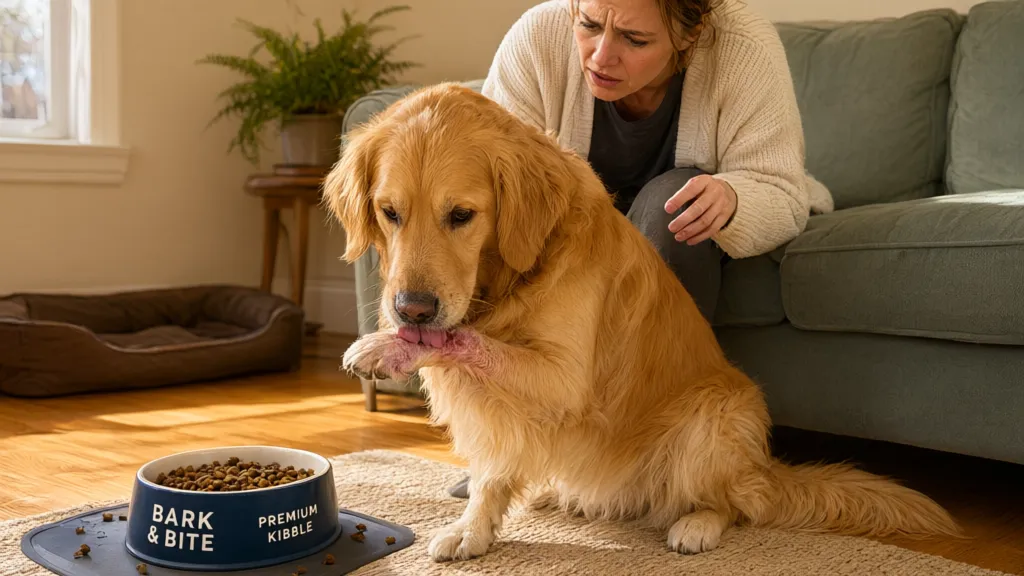
The Joys of Dog-Friendly Camping Adventures
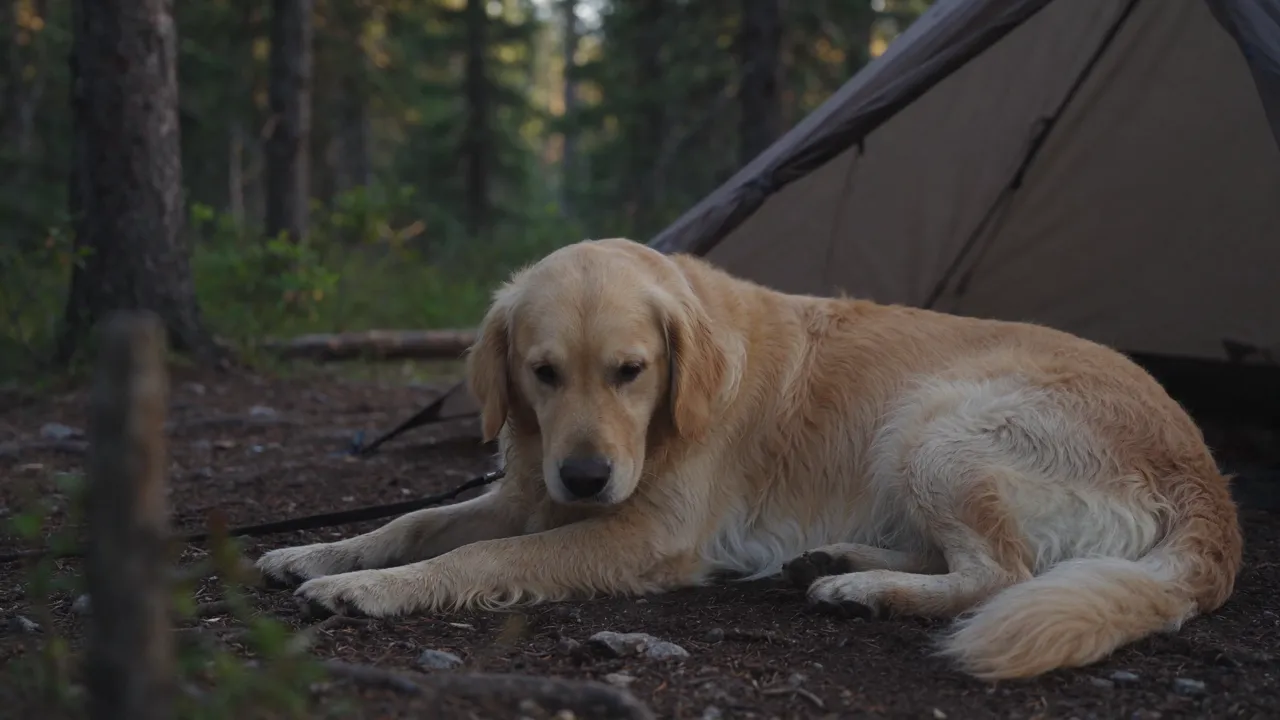
Confirm the campground’s current rules before booking: “dog-friendly” may still mean leash limits, restricted trails or beaches, breed or size restrictions, quiet-hour requirements, and limits on the number of dogs per site. Ask whether dogs may remain at the campsite while people leave; many parks prohibit unattended dogs, and a vehicle or tent can become dangerously hot even in mild weather.
Choose a site that gives your dog room to settle without forcing constant close contact with passing campers. A site near a busy road, restroom, playground, or shared water point can keep a vigilant or noise-sensitive dog in a sustained state of alert. Watch for repeated scanning, barking, pacing, panting unrelated to heat, or inability to lie down; these indicate that the location may be too stimulating. A quieter site with a clear boundary and fewer footpaths through it supports rest and makes leash management easier.
Inspect the ground and surrounding habitat before setting up. Check for broken glass, fishing line, sharp rocks, burrs, foxtails, exposed roots, ant nests, and animal feces; foxtail awns can lodge in ears, paws, or skin and migrate into tissue. Note nearby cliffs, steep banks, water currents, road access, and gaps under fences. In tick-prone or grassland areas, short vegetation and a manageable route to designated dog-walking areas can reduce exposure and simplify post-walk checks.
Assess shade, airflow, and water access at the actual site rather than relying on campground photos. Shade shifts during the day, and a tent can trap heat; dogs with short muzzles, heavy coats, obesity, advanced age, or heart or airway disease have less reserve for heat and exertion. Avoid sites where the dog would need to cross hot pavement or climb steep terrain repeatedly. Confirm that natural water is safe to access: stagnant water and some cyanobacteria-contaminated lakes can cause severe illness, so provide treated or carried drinking water instead.

Greenies Teenie Original Natural Dental Dog Treats, Chicken, 130 Count | Veterinarian-recommended, supports oral health & freshens breath, clean to gumline, for dogs 5-15 lbs, chicken flavor
(as of November 20, 2026 23:55 GMT +00:00 - More infoProduct prices and availability are accurate as of the date/time indicated and are subject to change. Any price and availability information displayed on [relevant Amazon Site(s), as applicable] at the time of purchase will apply to the purchase of this product.)Check the distance to a veterinary clinic and whether it provides after-hours care. In remote areas, long evacuation times make reliable phone coverage, a passable access road, and a clear plan for transporting an injured or overheated dog practical selection criteria—not merely conveniences.
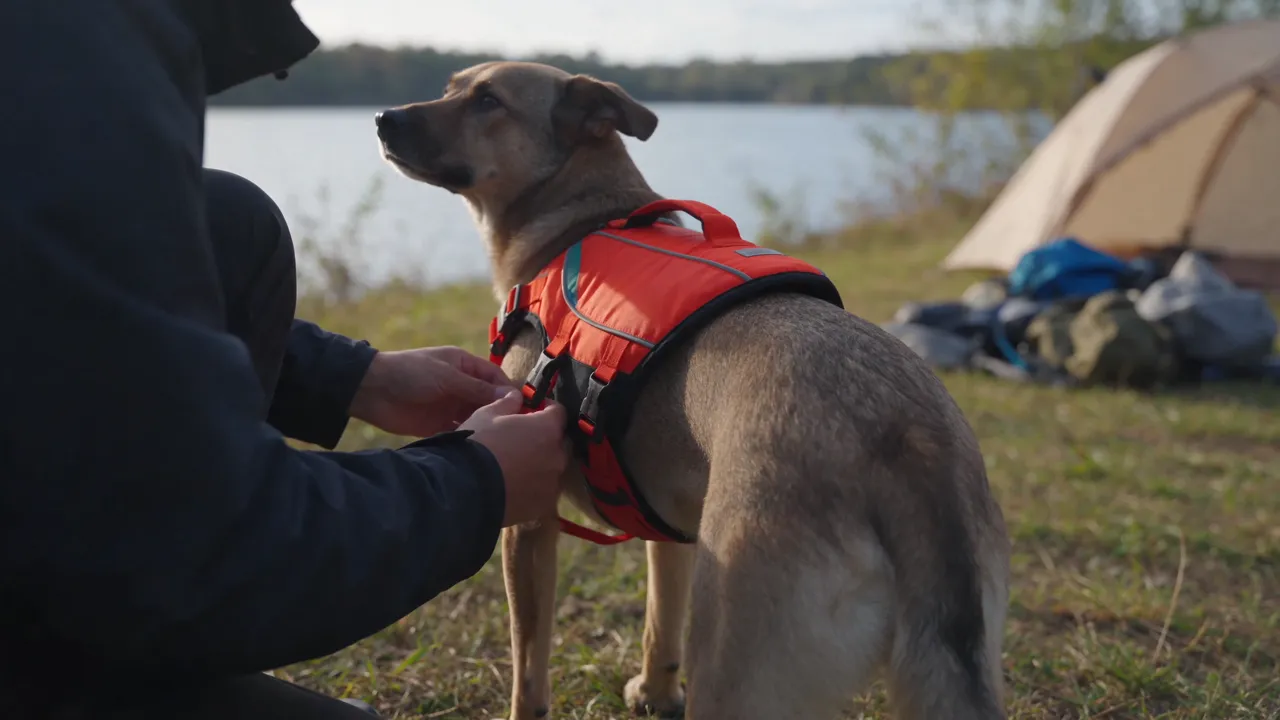
Pack equipment that prevents predictable failures rather than relying on campground supplies. Use a well-fitted harness and a standard leash; a long line is useful only in permitted open areas and should not be attached where it can wrap around trees, people, or other dogs. Bring a spare leash, secure collar with current contact details, and a recent photo of your dog. A microchip helps only if its registration and phone numbers are current. Keep the leash attached before opening a vehicle door or tent, when sudden movement can lead to a road or wildlife encounter.
Provide a familiar sleeping surface and a secure resting place, such as a travel crate or enclosed exercise pen if the dog is already comfortable using it. Familiar bedding carries recognizable scent and can help establish a predictable resting cue amid unfamiliar sounds. Never use a crate or closed tent as protection from heat; ventilation and temperature control remain necessary. Pack a properly fitted life jacket for water activities, especially for dogs with low body fat, short legs, heavy coats, or limited swimming experience. A handle on the jacket can aid retrieval, but it does not make moving water safe.
Carry more drinking water than the planned activity requires, plus a clean bowl; exertion, heat, and dry air increase water loss, while drinking from untreated water can expose dogs to parasites, toxins, or gastrointestinal pathogens. Pack the dog’s regular food in sealed portions and maintain its usual feeding schedule. Abrupt diet changes, rich camp scraps, and scavenged food can trigger vomiting or diarrhea, which is harder to manage in remote settings. Bring familiar treats for reinforcement and avoid feeding immediately before strenuous activity if the dog is prone to regurgitation or gastric dilatation-volvulus.
Pack enough of every prescribed medication for the full trip plus a delay, along with written dosing instructions and your veterinarian’s contact details. A compact first-aid kit should include saline for flushing, gauze, nonstick dressings, self-adherent bandage, blunt-tipped scissors, tweezers or a tick-removal tool, disposable gloves, and a digital thermometer. Do not give human painkillers unless a veterinarian specifically directs it; several common drugs can cause kidney, liver, or gastrointestinal injury in dogs. Know how to reach veterinary care before an emergency occurs.
Include waste bags, towels, paw protection suited to the terrain, and a brush or comb for removing burrs and checking the coat. After walks, inspect between toes, around ears, under collars, and through the armpits and groin for ticks, seeds, cuts, or swelling. Carry reflective gear or a light for nighttime toileting, and use a quiet, familiar chew or food puzzle during settled periods rather than allowing persistent barking or roaming to become a practiced response.
Related Posts

Brussels Griffon

Natural Ways to Relieve Your Dog’s Joint Pain