How to Feed a Hyperallergenic Diet to Your Dog
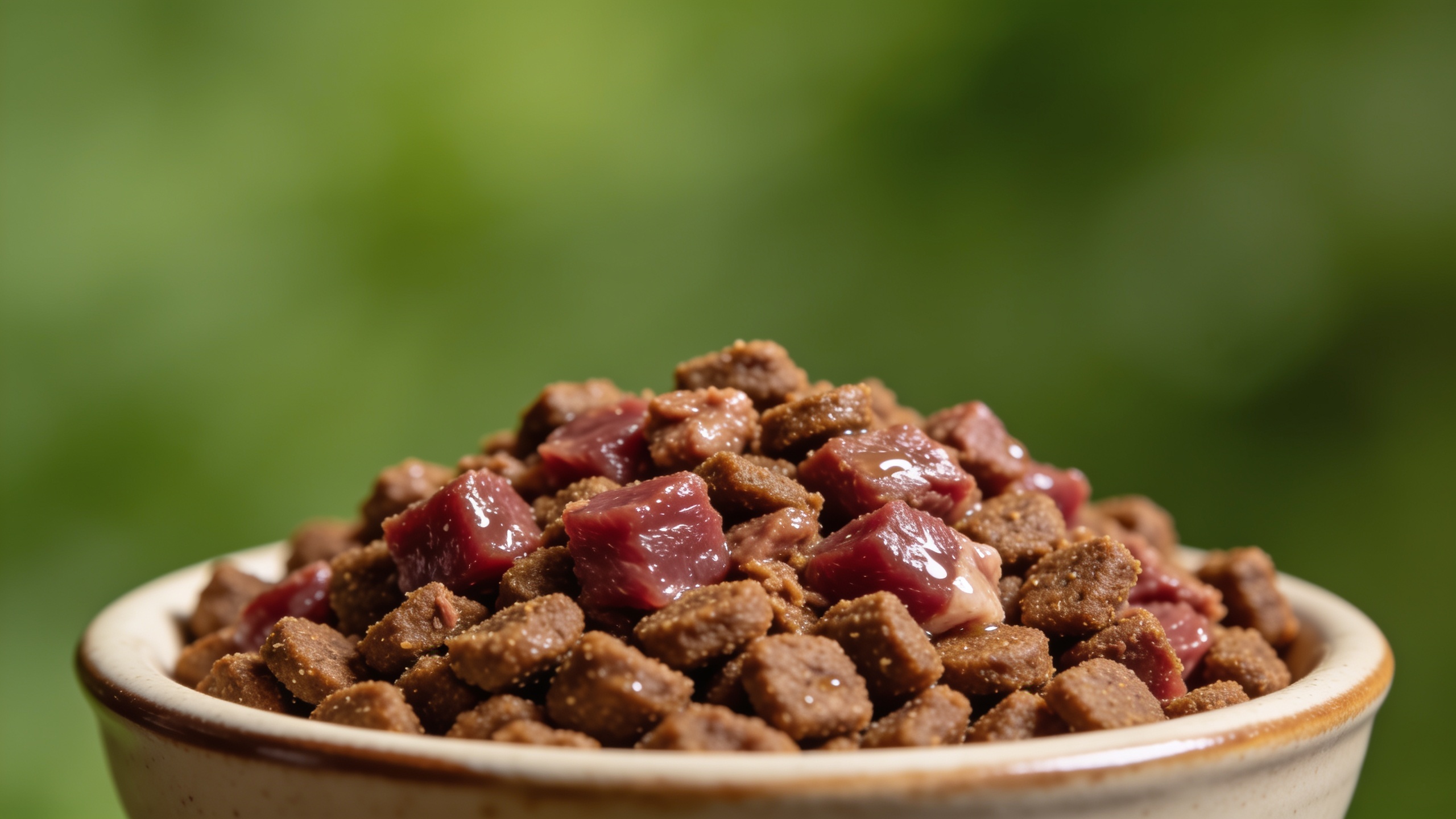
The most reliable hypoallergenic diets are those that reduce antigen exposure by using either hydrolyzed protein or a truly novel protein and carbohydrate pair the dog has not eaten before. Hydrolyzed diets are often preferred when the dog has a long exposure history, because enzymatic cleavage breaks proteins into peptides small enough to reduce recognition by IgE and T-cell mediated pathways. Novel-protein diets can work well, but only if every prior ingredient exposure is known; a dog that has eaten chicken, turkey, duck, beef, lamb, fish, egg, dairy, wheat, corn, soy, and pea protein over time may already be sensitized to several “limited ingredient” formulas marketed as novel.
Ingredient review must go beyond the front label. Flavored chewables, dental products, pill pockets, broth toppers, treats, rawhide, and table scraps often contain the same proteins the elimination diet is trying to remove. Even small intermittent exposures can reactivate pruritus, otitis, soft stool, or perianal licking in sensitized dogs, because allergic thresholds vary and skin inflammation can persist after the trigger is gone. For dogs with chronic ear disease or paw chewing, consistency matters more than the number of ingredients.
Choose a diet with a complete amino acid profile and adequate fat and micronutrient balance, not simply a short ingredient list. Dogs with food-responsive dermatitis or enteropathy may have concurrent barrier dysfunction and altered intestinal permeability, so overly simplistic homemade rations can worsen deficiencies in calcium, zinc, copper, selenium, essential fatty acids, and B vitamins. That’s especially relevant in puppies, giant breeds, geriatric dogs, and dogs with previous gastrointestinal disease, where metabolic demands and nutrient margins are less forgiving.
For dogs with suspected concurrent inflammatory bowel disease, pancreatitis, or marked diarrhea, fat level and fiber type matter as much as protein source. Highly digestible hydrolyzed formulas are usually easier to absorb and less likely to leave undigested substrate that feeds dysbiosis. In contrast, some dogs with colitis benefit from moderate fermentable fiber, but excessive fiber can dilute calories and obscure whether the response is to the antigen load or the bowel formulation. Stool quality, body weight, and hunger cues should guide selection.
Milk-Bone Soft & Chewy Dog Treats, 25 Oz. Canister | Made with real beef & filet mignon, tender dog treats, easy to chew, for dogs of all ages and sizes
$14.48 (as of October 14, 2026 10:23 GMT +00:00 - More infoProduct prices and availability are accurate as of the date/time indicated and are subject to change. Any price and availability information displayed on [relevant Amazon Site(s), as applicable] at the time of purchase will apply to the purchase of this product.)Dry, canned, and veterinary-prescribed fresh formats can all work if the protein source is controlled, but the feeding context must be considered. Food-seeking dogs, especially retrievers, beagles, and scent-driven terriers, will self-reinforce scavenging unless the environment is managed; coprophagia, yard access, and access to other pets’ food can sabotage even the best formula. Dogs in multi-pet homes often require separate feeding stations and strict removal of shared water or food residue from bowls and floors.
When selecting among brands, prioritize manufacturers that perform batch testing for cross-contamination and maintain veterinary nutrition oversight. A diet advertised as “hypoallergenic” is not necessarily suitable if it’s produced on shared equipment with common allergens, because trace contamination can be enough to perpetuate clinical signs in highly sensitive dogs. The practical standard is not marketing language, but whether the diet has reproducible formulation, transparent ingredient sourcing, and documented quality control.
Transition should be treated as a controlled exposure experiment, not a flavor change. A dog with active pruritus, recurrent otitis, or chronic enteropathy often has a primed immune system and a disrupted skin-gut barrier, so abrupt changes in protein, fat, and fiber can amplify vomiting, loose stool, or scratching before the new diet has had time to show benefit. For most dogs, move over 5 to 10 days by replacing 25 percent of the old diet with the new diet for 2 to 3 days, then 50 percent, then 75 percent, then 100 percent; dogs with severe gastrointestinal sensitivity may need a 2- to 4-week transition with smaller increments.
The transition plan must preserve the diagnostic integrity of the diet. If the goal is to determine whether clinical signs are food-responsive, every non-prescribed exposure must stop at the same moment the trial begins: flavored medications, chew treats, training rewards, dental chews, animal-derived supplements, and flavored probiotics are common failure points. Even a single chicken-based pill pocket can invalidate a response in a dog being fed rabbit- or fish-based hydrolyzed therapy, because the immune response is often dose-sensitive rather than all-or-none. Use capsules, unflavored tablets, or a veterinarian-approved compounding vehicle when medications are needed.
During the first 2 weeks, the most useful observations are stool frequency, stool form, appetite stability, vomiting, lip licking, paw chewing, head shaking, and nocturnal scratching. A dog that becomes gassy, ravenous, or produces softer stool immediately after the switch may simply need slower titration, but persistent diarrhea, repeated vomiting, or marked lethargy raises concern for intolerance, pancreatitis risk in high-fat formulations, or an unrelated gastrointestinal disease. Weight should be checked weekly in small dogs and every 2 weeks in larger dogs because caloric density varies between hydrolyzed and novel-protein diets, and underfeeding can be mistaken for poor tolerance when the dog is actually losing lean mass.
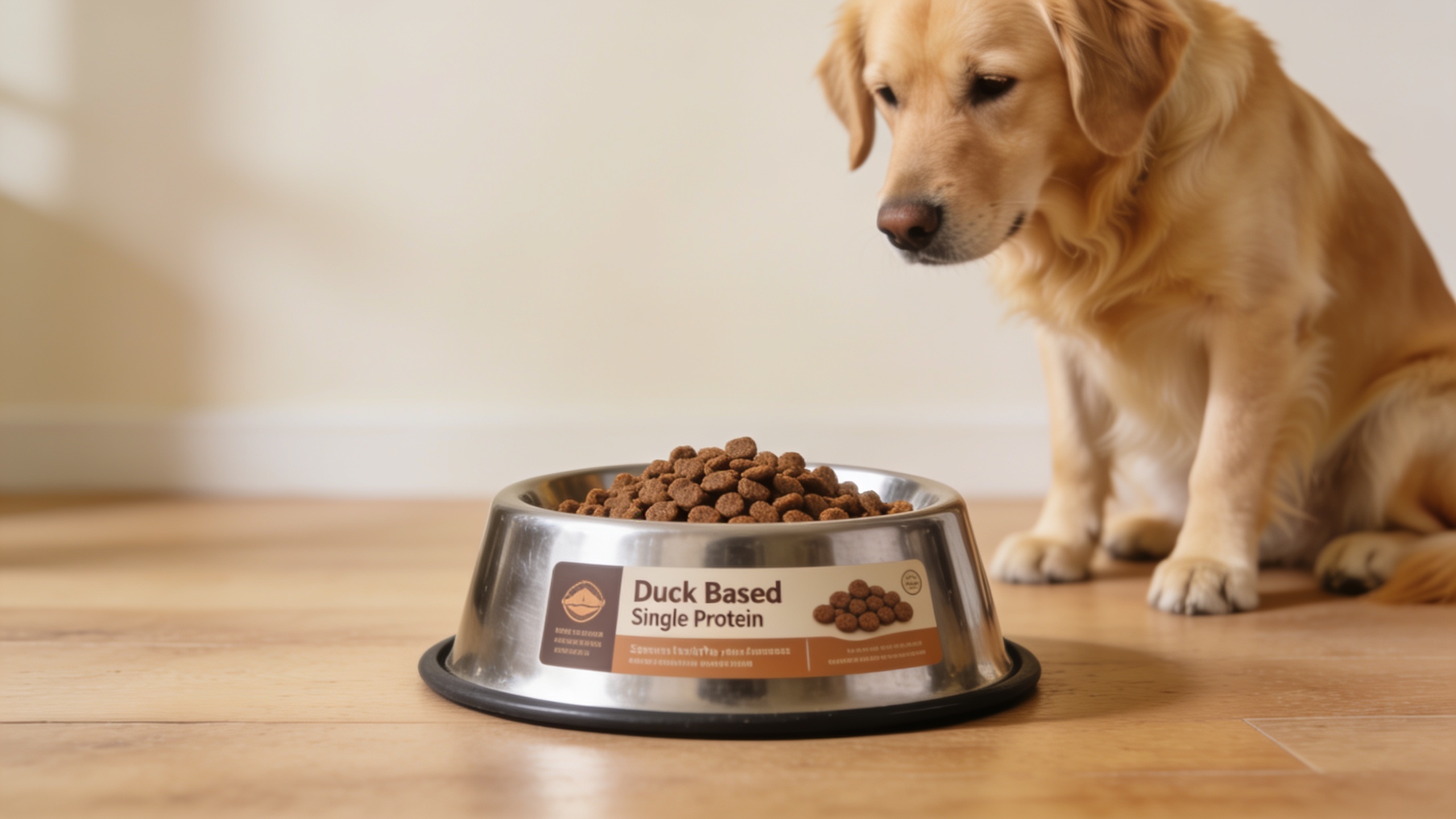
Behavior matters because diet change can alter reinforcement history. Dogs that receive food as enrichment may protest when treat opportunities disappear, and some will redirect toward scavenging, counter-surfing, or stool eating if the feeding routine becomes less structured. Keep meal timing consistent, use the new diet as the sole training currency if the dog tolerates it, and measure portions accurately rather than estimating by bowl volume, since overfeeding increases stool bulk and can obscure early signs of malabsorption.
In multi-dog households, physical separation is not optional. Feed the dog in a closed room or crate, remove bowls after eating, and clean floors and water stations to prevent cross-contact from residue, saliva, or crumbs. Dogs with strong food motivation can learn to steal from other pets within days, and one stolen mouthful is enough to trigger flare-ups in highly sensitized individuals. If a dog raiding another pet’s bowl repeatedly disrupts the trial, the diet failure may reflect household management rather than food selection.
Stop the transition and contact the veterinarian promptly if there is facial swelling, generalized hives, repeated retching, blood in stool, persistent vomiting, rapid weight loss, or worsening pruritus despite strict compliance. These signs suggest either a non-food disease process, an acute adverse reaction, or an ingredient exposure that needs immediate troubleshooting.
Symptom monitoring should be structured enough to distinguish true food response from the normal waxing and waning of allergic skin disease. A dog with atopic dermatitis may improve for reasons unrelated to diet if seasonal pollen drops, topical therapy is started, or secondary yeast overgrowth is treated, so assess one variable at a time and record baseline severity before altering the diet. Quantify pruritus on a 0 to 10 scale, note the distribution of scratching, and document ear odor, erythema, head tilt, paw licking, facial rubbing, and sleep disruption, because these often change before the owner perceives “better skin.”
Skin and ear findings typically lag behind the owner’s impression of comfort. The first signs of a real response are often reduced nocturnal scratching, less paw chewing, fewer ear shakes, and a decrease in greasy or malodorous skin rather than complete hair regrowth. Chronic lesions such as lichenification, hyperpigmentation, and self-induced alopecia resolve slowly because epidermal turnover and inflammation remodeling take weeks, so premature diet changes can falsely label an effective formula as ineffective. In dogs with long-standing otitis, the canal may remain narrowed or pigment-altered even after the trigger is controlled; watch for less debris, reduced pain on ear handling, and less head tilt rather than expecting the canal to normalize quickly.
Gastrointestinal responses are equally informative. A genuine food-responsive enteropathy usually shows better fecal consistency, reduced urgency, less mucus, fewer bowel movements, and improved appetite regulation. Soft stool that appears only after specific treats or supplements strongly suggests inadvertent exposure, whereas persistent large-volume diarrhea despite strict compliance suggests maldigestion, inflammatory bowel disease, parasitism, exocrine pancreatic insufficiency, or small intestinal bacterial overgrowth. Body condition should remain stable; a dog that is losing muscle over a hydrolyzed or novel-protein diet may not be eating enough calories, or may have ongoing intestinal loss that’s being missed because stool form looks acceptable.
Use a diary that records exact food amount by weight, medication names, all treats, stool score, itch score, and any environmental changes. This matters because owner recall is unreliable when signs fluctuate over hours to days. Dogs with recurrent flair patterns often reveal a pattern only when dates are aligned with exposures such as boarding, grooming visits, flavored preventives, or children feeding snacks. If the dog improves, then flares within 24 to 72 hours of a suspected exposure, the timing is more consistent with dietary contamination than with seasonal allergy.
Adjustment of feeding should be based on objective response and body weight, not on appetite alone. A dog can be hungry because the diet is less palatable or less calorie-dense, not because it’s nutritionally inadequate. If stools are firm but the dog is losing weight, increase the daily ration by 5 to 10 percent and reassess after 7 to 10 days; if stools soften or pruritus worsens after a ration increase, review whether the product change altered ingredient exposure or fat load. Large-breed puppies, lactating females, and highly active dogs need special attention because chronic underfeeding can impair musculoskeletal development and work capacity long before overt thinness is obvious.
Any return of otitis, facial swelling, hives, repeated vomiting, blood in stool, or escalating pruritus after strict adherence should trigger a full review of cross-contact, medication flavoring, and household contamination before the diet is abandoned. Many “diet failures” are actually exposure failures caused by microscopic protein transfer from shared utensils, children’s hands, grooming treats, or flavored heartworm preventives. If this record shows perfect compliance and the dog still remains symptomatic after a properly timed trial, the next step is to reassess whether food allergy was the correct diagnosis rather than repeatedly rotating formulas.
Related Posts

Bonding Activities – Strengthening Your Connection with Your Dog

PetVora Smart Collar