Canine Asthma – Symptoms and Treatment Options

Understanding the symptoms of canine asthma is critical for prompt diagnosis and effective management. Affected dogs typically exhibit signs of respiratory distress, which may include chronic cough, wheezing, and labored breathing. Coughing can be particularly persistent, often worsening during exercise, excitement, or exposure to allergens. Wheezing is characterized by a high-pitched sound during respiration, indicating narrowed airways.
Owners might first notice that their dog is more reluctant to engage in physical activity, displaying lethargy or fatigue after minimal exertion. Difficulty in breathing can manifest as an increased respiratory rate or a pronounced effort to inhale and exhale, which can be observed as abdominal movement accompanying breathing. Signs can escalate to the point of respiratory failure in acute episodes, characterized by open-mouthed breathing and blue-tinged gums, indicating a medical emergency requiring immediate veterinary attention.
Chronicity is an important factor; symptoms may fluctuate in severity, often triggered by environmental factors such as pollen, dust, pet dander, smoke, or strong odors. Certain breeds such as Bulldogs, Pugs, and other brachycephalic types are predisposed due to their anatomical structures, which can exacerbate airflow issues and increase susceptibility to respiratory problems.
Seasonal variations can also influence symptom presentation, as many dogs develop exacerbations during specific times of the year when allergens are rampant. Behavioral changes may include increased anxiety when exposed to stressful stimuli due to the associated difficulty in breathing. It’s imperative for owners to recognize that these symptoms can mimic other respiratory diseases, such as kennel cough or pneumonia, which necessitates thorough evaluation by a veterinarian.

Now retrieving an image set.
Nutramax Proviable Probiotics for Dogs & Cats, Sprinkle Capsules, 30ct | Probiotics for Cats and Dogs, Plus Prebiotics, Daily Gut Health Support Supplement, Multiple Strains, Sprinkle on Food
$19.97 (as of September 23, 2026 05:04 GMT +00:00 - More infoProduct prices and availability are accurate as of the date/time indicated and are subject to change. Any price and availability information displayed on [relevant Amazon Site(s), as applicable] at the time of purchase will apply to the purchase of this product.)In instances of prolonged coughing, owners should assess the character of the cough—whether it is dry or produces phlegm, as this may suggest underlying inflammation requiring a different treatment approach. Pay attention to any accompanying signs of nasal discharge or fever, as secondary infections are a possibility in chronic asthma cases, especially in older dogs or those with weakened immune systems.
Dog owners should meticulously track pattern changes in their pet’s respiratory health, contributing valuable information to clinicians for an accurate diagnosis. Effective management hinges on recognizing these symptoms early; delays can lead to chronic inflammation of the airways, making subsequent treatment more challenging. Therefore, clinicians and owners alike must remain vigilant regarding any changes in the dog’s respiratory behavior, equipping them to respond promptly to worsening symptoms.
Diagnosis of Canine Asthma
Diagnosis of canine asthma involves a multi-faceted approach that begins with a thorough clinical history and physical examination. Veterinarians must elicit detailed information regarding the onset, frequency, and triggers of respiratory symptoms. A comprehensive examination will assess the dog’s respiratory effort, lung sounds, and overall health. Notably, wheezing or coughing during the examination can provide immediate insight into the respiratory condition.
Diagnostic imaging, particularly thoracic radiographs, plays a critical role in differentiating asthma from other respiratory diseases, such as bronchitis or pneumonia. Radiographs may reveal bronchial pattern changes indicative of airway inflammation, including “donuts” or “tram tracks” on the images, which are characteristic of bronchial wall thickening from chronic inflammation.
Bronchoscopy, though more invasive, is highly informative. It allows direct visualization of the airways, enabling the veterinarian to identify mucus plugs, foreign bodies, or any structural abnormalities. Furthermore, bronchoalveolar lavage (BAL) can be performed during this procedure, which involves sampling fluid from the airways for cytological analysis. The presence of eosinophils in this fluid is a hallmark of inflammatory conditions, including asthma.
Serum testing can also be useful; elevated levels of specific immunoglobulin E (IgE) may suggest an allergic or atopic component contributing to the asthmatic condition. Allergy testing, through intradermal skin tests or serum IgE tests, can help identify specific environmental allergens exacerbating asthma symptoms. Given the genetic predisposition of certain breeds, such as the American Staffordshire Terrier or the Dachshund, breed history can also inform the diagnostic process.
It very important to rule out other conditions that can mimic asthma symptoms. Heartworm disease, congestive heart failure, and various forms of bronchitis share symptomology with asthma and can complicate the clinical picture. Therefore, heartworm testing and additional diagnostics such as complete blood counts or fecal examinations may be warranted to exclude these conditions.
Close monitoring of any treatment responses—such as bronchodilators or corticosteroids—can provide insight into the diagnosis. An improvement in respiratory function with bronchodilator therapy strongly supports an asthma diagnosis. Owners should report any changes in symptomatology or newly developed signs so that a comprehensive and continuous assessment can be made, ensuring tailored therapeutic strategies for the affected animal.
Treatment Options for Canine Asthma
Treatment options for canine asthma focus on the reduction of inflammation, dilating airways, and managing symptoms effectively. Pharmacological intervention is central to managing this condition. Corticosteroids, whether in oral, injectable, or inhaled forms, are typically prescribed to reduce airway inflammation. Inhaled corticosteroids, such as fluticasone or beclomethasone, offer targeted treatment with minimal systemic effects, making them perfect for long-term management. It is essential to adhere to the prescribed dosage to prevent potential side effects like immunosuppression and hormonal imbalances.
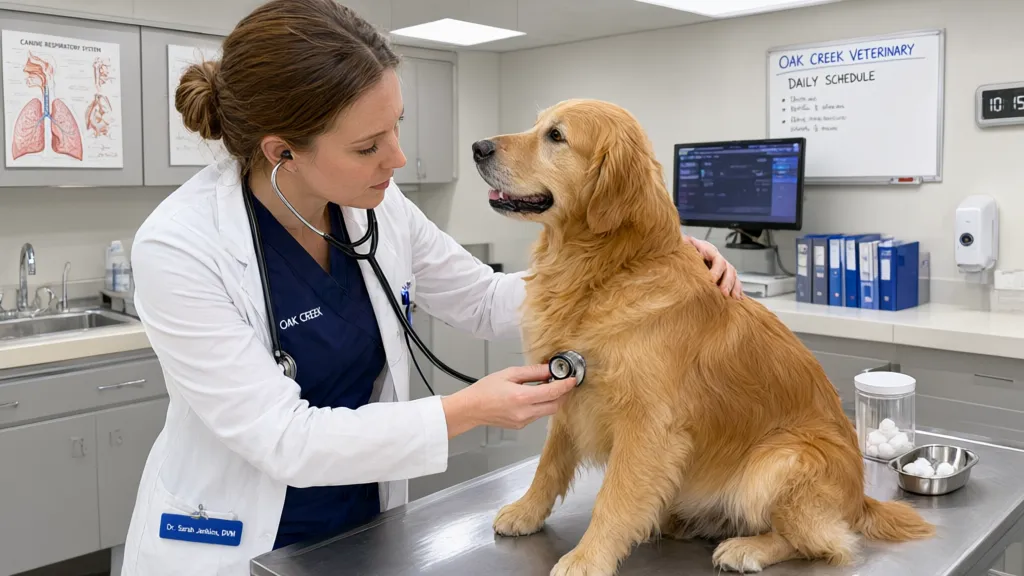
Bronchodilators, including beta-2 agonists such as albuterol or terbutaline, can provide immediate relief during acute exacerbations by relaxing bronchial smooth muscles and enhancing airflow. These agents are particularly useful in emergency situations but should not replace the need for long-term anti-inflammatory treatment. It’s critical to monitor for adverse reactions, including increased heart rate, which can indicate overmedication or sensitivity.
Additional therapies may include leukotriene receptor antagonists, like montelukast, which help manage inflammation by blocking substances that constrict airway passages. This class of medication can be a valuable adjunctive therapy, particularly in cases with allergic components. Antihistamines, such as cetirizine or diphenhydramine, may be used in cases with concurrent allergic signs; however, their efficacy in asthma management alone is limited.
In some instances, allergy testing and immunotherapy may be warranted, particularly when specific environmental allergens are identified as triggers. Allergen-specific immunotherapy, administered via injections or oral drops, aims to desensitize the immune system to particular allergens over time, potentially reducing the severity and frequency of asthma attacks.
Environmental management is equally critical for effective treatment. Identifying and minimizing exposure to known triggers—such as cigarette smoke, air pollution, strong odors, and allergens—is essential. Regular cleaning to reduce household allergens, such as dust mites or pet dander, along with using air purifiers, can markedly improve a dog’s respiratory environment.
Routine monitoring is an important aspect of asthma management. Owners should maintain a symptom diary, noting any changes in coughing, breathing patterns, or triggers, which can be useful for veterinarians to adjust treatment plans. Follow-up appointments are vital to assess treatment efficacy, facilitate any necessary changes, and ensure optimal respiratory health.
In severe or recurrent cases, hospitalization with oxygen therapy or intravenous medications may be required, particularly in instances of acute respiratory distress. Conducting thorough evaluations and adjusting treatment protocols based on the dog’s response and overall health status will foster improved outcomes and quality of life for canines grappling with asthma.
Preventive Measures for Canine Asthma
Preventive measures for canine asthma are fundamental to reducing the frequency and severity of exacerbations, ultimately enhancing the quality of life for affected dogs. A multi-faceted strategy can significantly lower the likelihood of triggering respiratory episodes. First and foremost, identifying and avoiding environmental allergens very important. This includes controlling exposure to common irritants such as cigarette smoke, airborne pollutants, and strong fragrances. Owners should implement strict no-smoking policies in and around the home, consider air quality improvement measures, and minimize the use of harsh cleaning products or air fresheners that could contribute to respiratory distress.
Regular cleaning routines are essential to minimize allergens such as dust mites, mold spores, and pet dander. Vacuuming with HEPA filters and washing bedding frequently can substantially decrease respiratory irritants in the home. In addition, using air purifiers with HEPA filters can help reduce airborne particles and improve overall air quality, making a significant difference for dogs suffering from asthma.
Routine veterinary check-ups are imperative. During these assessments, veterinarians can monitor lung function and inflammation status, allowing for timely adjustments to preventive strategies or treatments. Early intervention can prevent deterioration of the condition. Vaccination against respiratory pathogens like Bordetella may also be advisable to reduce the risk of secondary infections that could exacerbate existing asthma.
Moderate, controlled exercise remains beneficial, albeit with caution. Exercise can help maintain optimal body weight, thus reducing stress on the respiratory system. However, intense physical exertion can trigger symptoms in some dogs. Owners should observe their dogs closely for patterns that indicate when exercise may provoke a response, adjusting their routine accordingly. Alternative low-impact activities, such as swimming, may provide exercise without excessive respiratory strain.
Nutritional management is another key factor. Feeding a balanced diet that supports immune health can bolster the dog’s resistance to respiratory infections. Omega-3 fatty acids have anti-inflammatory properties, which can be particularly beneficial for dogs with asthma. Consulting with a veterinary nutritionist to formulate an appropriate diet can provide significant advantages in managing overall health and minimizing allergic responses.
In cases where specific allergens are identified through testing, such as pollen or dust mites, implementing targeted measures—like using hypoallergenic bedding, specialized air filters, or specific bathing routines—can further minimize exposure and lessen symptoms. Continuous monitoring for changes in the dog’s respiratory health, alongside proactive management strategies, enables early recognition of potential exacerbations, allowing owners to engage veterinary support promptly.
Lastly, educating pet owners on recognizing early signs of distress is vital. This includes changes in coughing patterns or respiratory effort, ensuring they can respond swiftly as conditions evolve. A collaborative approach between owners and veterinarians can create a comprehensive asthma management plan tailored to each dog’s unique needs, fostering a healthier respiratory environment and improving prognostic outcomes.
Related Posts

Raw Bones for Dogs: Nutritional Benefits and Safety Tips

Understanding Your Dog’s Unique Personality