Boykin Spaniel
The Boykin Spaniel’s lineage traces back to South Carolina in the early 20th century, developed primarily for hunting purposes. The breed emerged when a small, medium-coated dog was identified for its ability to retrieve waterfowl and upland game. Breeders aimed to create a versatile hunting companion that could thrive in the swampy terrain of the South. The specific dogs that contributed to the Boykin Spaniel’s genetics include the American Water Spaniel, Chesapeake Bay Retriever, and various spaniels, each lending qualities such as stamina and an eager-to-please demeanor.
One pivotal moment in the breed’s history occurred when Whitaker Boykin, a South Carolina native, recognized the potential of a particular stray dog. He named this dog “Dumpy,” which exhibited a knack for hunting and retrieving. By breeding Dumpy with local spaniels, Whitaker aimed to refine the traits necessary for an effective hunting dog. This selective breeding approach has given the Boykin Spaniel its distinctive physical attributes and behavior.
In the 1940s, the breed gained popularity among hunters due to its exceptional trainability and work ethic. Unlike some hunting breeds that possessed a singular focus, the Boykin Spaniel demonstrated versatility; it could retrieve birds from both water and land, a skill particularly valued in the diverse habitats of the Southeastern United States. As the breed’s reputation grew, so did the emphasis on standardizing its appearance and behavior traits to ensure consistency in future generations.
In 1985, the Boykin Spaniel was officially recognized by the American Kennel Club (AKC), which further propelled its visibility. This recognition affirmed the breed’s characteristics and set parameters for breeding practices aimed at preserving its inherent traits. The breed’s unique heritage enabled developed resilience, adaptability, and a natural affinity for bonding with humans, crucial to its roles both as a hunting animal and a family companion.

Good 'n' Fun Kabobs Long-Lasting Dog Treat Made With Real Protein, 24 oz | Premium Chicken, Pork and Beef Hide Chew, Supports Dental Health and Mental Stimulation, For Adult Dogs
$17.97 (as of October 20, 2026 11:44 GMT +00:00 - More infoProduct prices and availability are accurate as of the date/time indicated and are subject to change. Any price and availability information displayed on [relevant Amazon Site(s), as applicable] at the time of purchase will apply to the purchase of this product.)Understanding this breed’s history is essential for owners, as it shapes the Boykin Spaniel’s behavior, health, and training needs. Their background as a hunting dog influences their energy levels and requires consistent exercise to prevent behavioral issues. Genetic predispositions toward certain health conditions, such as hip dysplasia and ear infections, stem from both selective breeding practices and the breed’s physical structure. Consequently, a responsible owner should be aware of these historical traits to provide appropriate care, socialization, and preventative health measures throughout the dog’s life.
Physical Characteristics
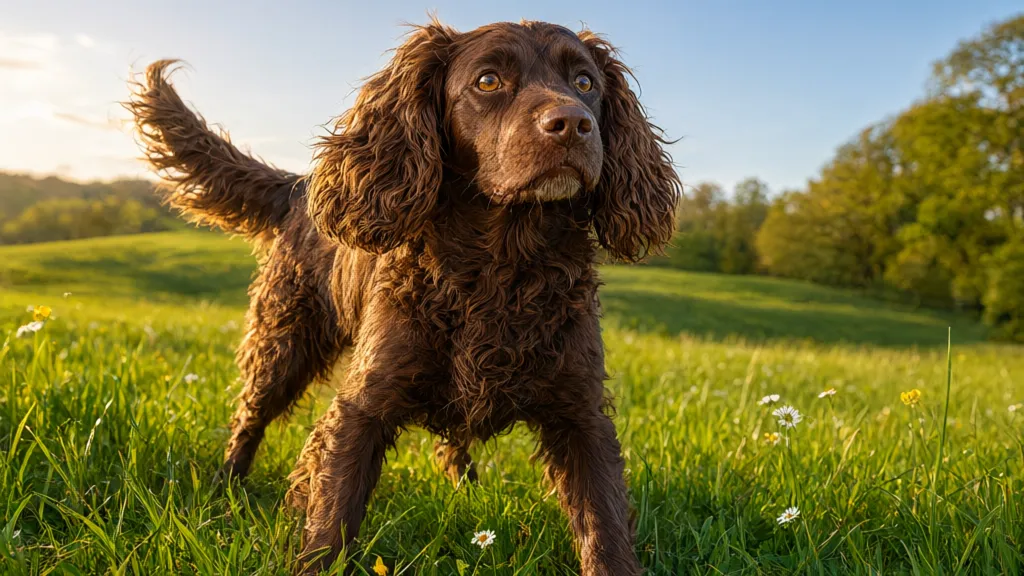
The Boykin Spaniel is a medium-sized dog characterized by a strong, athletic build, which is essential for its historical role as a hunting companion. Adult males typically weigh between 30 to 40 pounds, while females range from 25 to 35 pounds. The breed stands approximately 14 to 18 inches tall at the shoulder, exhibiting a compact structure that enhances both agility and endurance. One notable trait is its short, wavy, or curly coat, which can be a rich chocolate or liver color, often with variations in shade. This coat not only contributes to the dog’s aesthetic allure but also offers some water resistance, critical for retrieving in wet environments.
The skull is moderately broad, with a slightly rounded shape that leads to a well-defined stop. The eyes are large and expressive, typically brown in color, providing the breed with an alert, intelligent appearance. That’s indicative of a breed that thrives on interaction and commands attention through its expressive face. The ears are long and pendulous, hanging close to the head, which can contribute to ear health issues if not adequately managed. Owners should routinely check for debris or moisture to prevent infections, as the ears’ structure can trap moisture and debris.
The neck is strong and muscular, leading to a tapered, slightly defined withers, which seamlessly transitions into its back. A straight back contributes to its powerful gait, enabling this breed to cover ground efficiently while hunting. The tail, often docked in some regions, is typically around 4 to 6 inches long and is carried high, which can indicate alertness and enthusiasm during activities.
The Boykin Spaniel’s bone structure is sturdy, with well-developed forelegs and a broad chest, allowing for the necessary lung capacity to sustain endurance when working. The feet are compact and webbed, enhancing swimming abilities, necessary for retrieving game in aquatic environments. Muscle definition is noticeable, particularly in the hindquarters, supporting both speed and stealth during hunts.
<pWhile the Boykin Spaniel's appearance is striking, it's essential to recognize that these physical characteristics are not merely for aesthetics; they directly influence the dog's functioning as a versatile hunting breed. The combination of strength, agility, and endurance reflects the selective breeding aimed at producing a reliable hunting companion. Potential owners should prioritize adopting from reputable breeders who maintain these physical standards while also considering health screening for hereditary conditions endemic to the breed.
Temperament and Behavior
Understanding the temperament and behavior of the Boykin Spaniel requires delving into its origins and the functions it was bred to perform. This breed exhibits a strong drive to work, which stems from its hunting heritage. The Boykin Spaniel’s innate desire to retrieve, coupled with its penchant for water work, makes it naturally enthusiastic and energetic. Properly channeling this energy through consistent mental and physical exercise is crucial; without it, behavioral issues such as excessive barking or digging may emerge as a means to release pent-up energy.
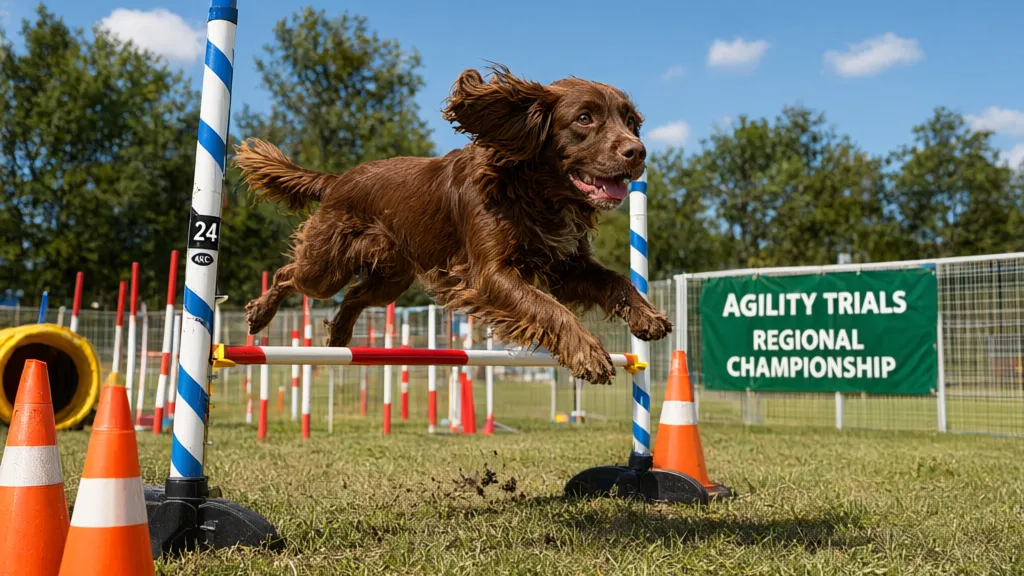
The breed’s temperament is characterized by a high level of intelligence and eagerness to please, which translates to trainability. However, their intelligence can also lead to stubbornness if not managed effectively. Implementing positive reinforcement techniques is essential, as this method aligns well with their willingness to work. Commands should be clear and concise, using treats or praise as motivation to encourage desired behaviors. Starting training early, ideally during the critical socialization period, allows owners to mold the behavior of their Boykin Spaniel, reinforcing friendly social interactions with both humans and other animals.
Socialization is particularly vital for the breed, given its potential to exhibit shyness or over-excitement in unfamiliar situations. Early exposure to various environments, sounds, and people can mitigate these tendencies, fostering a well-rounded dog this is comfortable in diverse settings. Owners should prioritize activities that promote calm and controlled behavior around strangers and other pets, as the breed may initially display a protective instinct toward its family.
Boykin Spaniels also require interactive play that simulates their hunting instincts, such as games of fetch or agility training. This not only satisfies their retrieval nature but also sharpens their obedience and responsiveness. Avoiding monotonous activities is key, as mental stimulation plays a significant role in their well-being. Puzzle toys and scent work can be effective strategies for engaging their minds and preventing boredom.
Monitoring body language is critical, as Boykin Spaniels may exhibit signs of stress or anxiety if overstimulated or unaccustomed to certain situations. Signs like excessive panting, drooling, or avoidance behaviors should be addressed promptly to prevent escalation into behavioral problems. Cultivating a calm and confident atmosphere during training and social interactions sets the foundation for a well-adjusted dog.
The Boykin Spaniel’s temperament demands an owner who is proactive, consistent, and understanding of its behavioral needs. Integrating training, socialization, and adequate physical exercise will lead to a rewarding companionship where the breed’s natural tendencies can be harmoniously integrated into family life.
Care and Training Requirements
The Boykin Spaniel thrives on a structure that provides mental stimulation and physical activity. Owners must recognize that this breed has a high energy requirement, demanding over an hour of exercise daily to maintain optimal health and behavior. Activities should include brisk walks, runs, and games designed to engage its retrieving instincts. Regular exercise not only fulfills its physical needs but also curtails behavioral issues that can arise from boredom or pent-up energy, such as destructive chewing or excessive barking.
Training should be initiated early, ideally before six months of age, as that is the critical period for behavioral development. Positive reinforcement methods are paramount, using the dog’s natural eagerness to please. Using high-value rewards, such as favored treats or engaging toys, during training sessions promotes effective learning. Owners should aim for short, frequent training sessions to sustain the dog’s interest, integrating commands within play scenarios to reinforce obedience while keeping the process enjoyable.
Socialization is a critical component for the Boykin Spaniel, which may develop timid tendencies if not exposed to various stimuli early on. It’s recommended to expose the puppy to different environments, people, and other animals in controlled settings to build confidence. Puppy classes can be beneficial for controlled social interactions, where the dog can learn to navigate new experiences positively. This preparation can mitigate potential anxiety and ensure a balanced temperament as the dog matures.
Monitoring the dog’s behavior during training and socialization is essential, as they may exhibit signs of stress or discomfort. Body language indicators such as tucked tails, excessive yawning, or refusal to engage should be noted and addressed appropriately. Implementing gradual exposure to new situations can help the dog acclimate without overwhelming it, thereby fostering a sense of security. Additionally, observing play behavior can offer insight into the dog’s social skills and stress levels; harmonious play with other dogs is a sign of a well-adjusted individual.
Diet plays a vital role in the overall health and behavior of the Boykin Spaniel, with an emphasis on a balanced diet tailored to their energy levels and life stage. High-quality dog food that provides adequate protein, fatty acids, and fiber is recommended. Owners should pay attention to body condition scores to prevent obesity, which can exacerbate behavioral problems and impact joint health, particularly given the breed’s predisposition to hip dysplasia. Consultation with a veterinarian for a nutrition plan tailored to the individual dog’s needs will optimize health outcomes.
Providing adequate mental stimulation through puzzle toys, scent games, and agility courses can prevent behavioral deterioration due to boredom. Engaging the dog in activities that reinforce its natural hunting and retrieving instincts ensures a fulfilling environment where its energy is directed positively. This focus on balanced care, training, and enrichment will yield a well-behaved and happy Boykin Spaniel, suited both for work and companionship.
Related Posts
Understanding Canine Cognitive Dysfunction in Older Dogs
Exploring the World of Dog Food Toppers