Black and Tan Coonhound
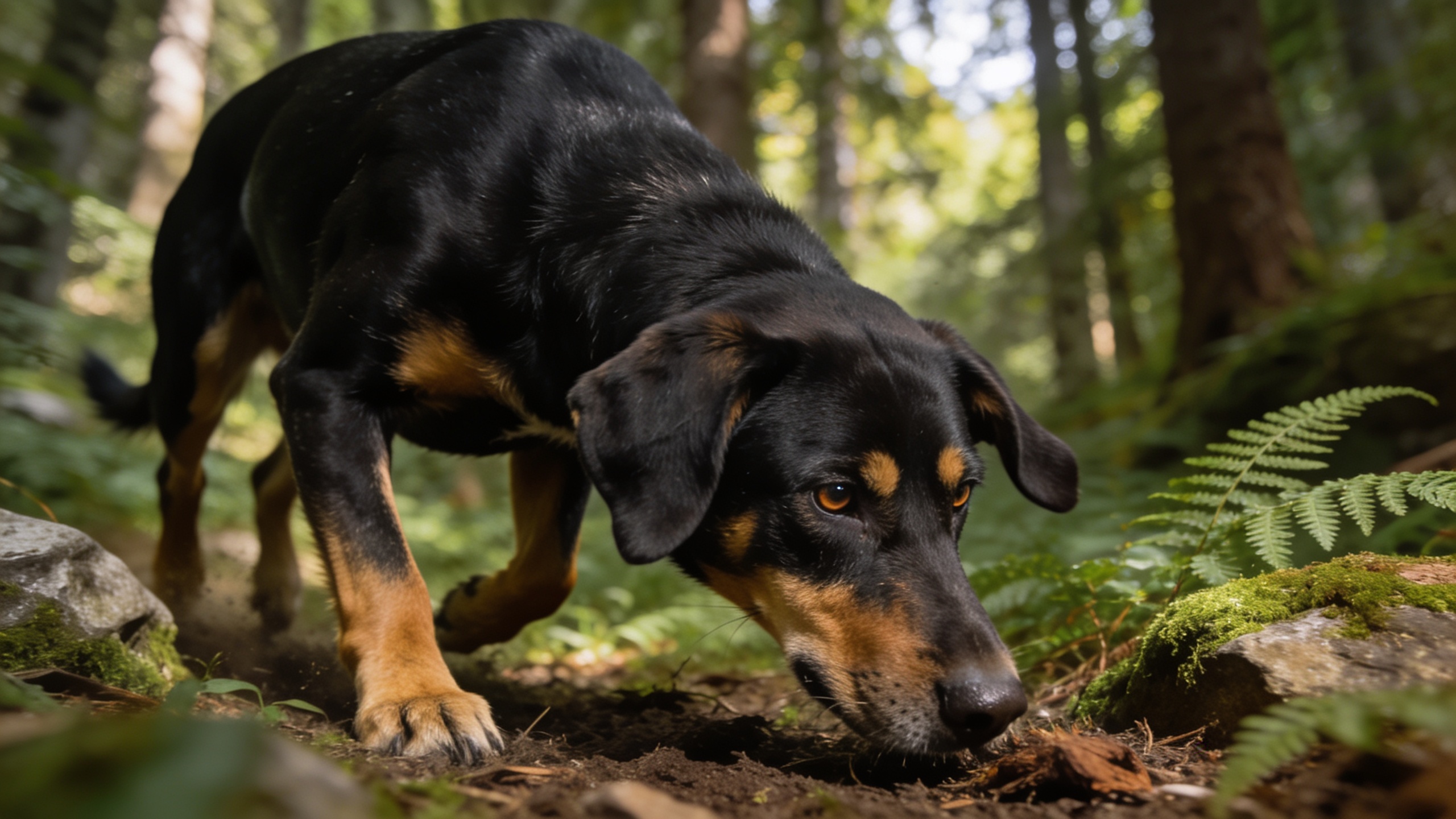
The Black and Tan Coonhound, with its distinct physical features and working abilities, traces its lineage back to the early American settlements in the Southern United States. Initial breeding efforts likely involved various hound breeds, including the Bloodhound and native American coonhounds, selected for their exceptional tracking and hunting capabilities. This selective breeding targeted traits such as acute sense of smell and endurance, critical for tracking raccoons and other game across diverse terrains.
The breed was originally developed for the practical purpose of hunting, particularly nocturnal animals, which is reflected in their strong prey drive and stamina. The Black and Tan Coonhound’s ancestry highlights a significant influence of European hounds, many of which were imported for their superior hunting skills, especially during the 18th and 19th centuries. Breeders intentionally selected individuals that exhibited the desired combination of courage, scenting ability, and temperament, leading to a breed uniquely adapted to the demands of hunting in logistically challenging environments.
The breed’s official recognition by the American Kennel Club (AKC) in the 1940s solidified its status within the canine community, although its historical significance as a working dog predates this acknowledgment. The evolution from a utilitarian dog to a family companion showcases the adaptability of this breed, yet it concurrently emphasizes the necessity for continued understanding of its working heritage in training and care.
In terms of genetics, the Black and Tan Coonhound exhibits a combination of traits inherited from its forebearers, resulting in physical characteristics such as the distinctive black and tan coloration and the drooped ears, which contribute to its exceptional olfactory capabilities. These genes not only influence physical appearances but also behavioral traits, including an innate ability to track scents. Understanding this genetic heritage aids in predicting potential health issues, as certain inherited conditions can be prominent within this breed. Owners should be cognizant of conditions such as hip dysplasia and ear infections, which are sometimes exacerbated by the breed’s physical structure.

WOOF Pupsicle Peanut Butter & Beef Refill Pops Dog Treats, Large, 7 Count | For large Pupsicles, peanut butter & beef flavor, long-lasting treats, pre-made Pops, wholesome ingredients, shelf stable
$14.99 (as of October 2, 2026 09:08 GMT +00:00 - More infoProduct prices and availability are accurate as of the date/time indicated and are subject to change. Any price and availability information displayed on [relevant Amazon Site(s), as applicable] at the time of purchase will apply to the purchase of this product.)The historical context of the Black and Tan Coonhound provides crucial insights for responsible ownership. Prospective owners must appreciate the breed’s working dog origins to ensure suitable environments that cater to their need for exercise and mental stimulation. Engaging in activities that use their tracking instincts, such as scent games or structured hunting tasks, can alleviate behavioral problems stemming from boredom or excess energy. Awareness of the breed’s roots allows for more effective training strategies, fostering a deeper and more fulfilling relationship between the dog and owner.
Physical characteristics
The Black and Tan Coonhound’s physique is a direct reflection of its functional heritage as a hunting dog. Males typically weigh between 65 to 110 pounds and stand 24 to 28 inches tall at the shoulder, while females are slightly smaller, weighing 50 to 80 pounds and measuring 23 to 27 inches. Their robust build is characterized by strong bone structure and a muscular frame, providing the endurance necessary for long hours of tracking in the field.
This breed features a short, dense coat primarily composed of a striking black base with distinct tan markings, usually appearing on the cheeks, legs, and chest. This coloration serves not only aesthetic purposes but may also assist in camouflage during hunting. The coat’s texture is ideal for outdoor conditions, protecting the dog from elements while allowing efficient movement through varied terrains.
Noteworthy physical traits include long, drooping ears and a well-defined muzzle that houses a powerful, highly developed olfactory system. The dog’s sense of smell, considered one of the best among hounds, is a result of both anatomical features and genetic predisposition. The ears, aside from contributing to the dog’s distinct appearance, may facilitate scent detection by swirling air towards the nose, enhancing their tracking capability. However, these ears are also prone to certain health issues; regular cleaning and monitoring for signs of infection are essential due to the possibility of moisture accumulation.
The eye structure is deep-set with a gentle, expressive gaze, typical of scent hounds. Color variations can include hazel to dark brown, correlating with their hunting efficiency. The broad head and strong neck support a firm posture, allowing the dog to navigate rugged environments while maintaining stability during chasing pursuits.
The breed typically has a strong, straight back and a well-proportioned body that leads to a slightly sloped croup, optimizing agility and speed. The tail is long, often carried high, which aids in maintaining balance and is key during signaling while tracking. Weight management very important due to the breed’s propensity to gain excess body fat, which can impair mobility and amplify the risk of joint-related diseases, such as hip dysplasia. Maintaining a structured exercise regimen is vital for preserving muscle tone and overall health.
Understanding these physical traits offers insight into their care requirements and the impact of environmental factors on their well-being. Owners should consider their dog’s physical attributes when planning exercise, ensuring that activities are both physically challenging and mentally stimulating to cater to the breed’s high energy levels and instinctual drives.
Temperament and behavior
The Black and Tan Coonhound exhibits a temperament largely shaped by its historical role as a hunting companion. The breed is characterized by an independent nature, stemming from its need to make decisions while tracking game. This independence can manifest as stubbornness during training, necessitating a patient and consistent approach. A handler’s understanding of canine learning theory, specifically operant conditioning, can enhance training outcomes by using positive reinforcement to motivate the dog.
Socialization from a young age very important to prevent the development of overly territorial or aggressive behaviors, as this breed retains a strong protective instinct. Regular exposure to diverse environments, people, and other animals is essential to differentiate between genuine threats and ordinary occurrences in their surroundings. Owners should facilitate controlled interactions with unfamiliar stimuli to foster balanced emotional responses, reducing anxiety and fear-based behaviors.
The breed’s instinct to track and hunt contributes to a high prey drive, which can lead to chasing behaviors if not properly managed. This innate behavior can be redirected through training that channels their scenting abilities into constructive activities, such as agility courses or scent detection work. Providing regular mental challenges is essential to alleviate boredom, which could otherwise result in destructive behaviors or over-excitement. Training strategies integrating interactive toys or puzzle feeders can also cater to their intelligence and curiosity.
As scent hounds, Black and Tan Coonhounds possess a strong bonding tendency to their owners due to their historical roles in working closely alongside humans. This bond can amplify separation anxiety, particularly if the dog is left alone for extended periods. Strategies to mitigate this issue include building a solid foundation of independence through gradual separation training and providing stimulating activities while owners are away. Exploring crate training can also create a safe haven for the dog, fostering a sense of security and comfort.
Alertness to changes in the environment means that the breed can be vocal, using barking to convey information regarding unfamiliar sights and sounds. While this vocalization can be protective, excessive barking should be curtailed through obedience training that reinforces quiet commands. Understanding the triggers for barking, such as certain noises or the presence of strangers, allows owners to implement management techniques effectively.
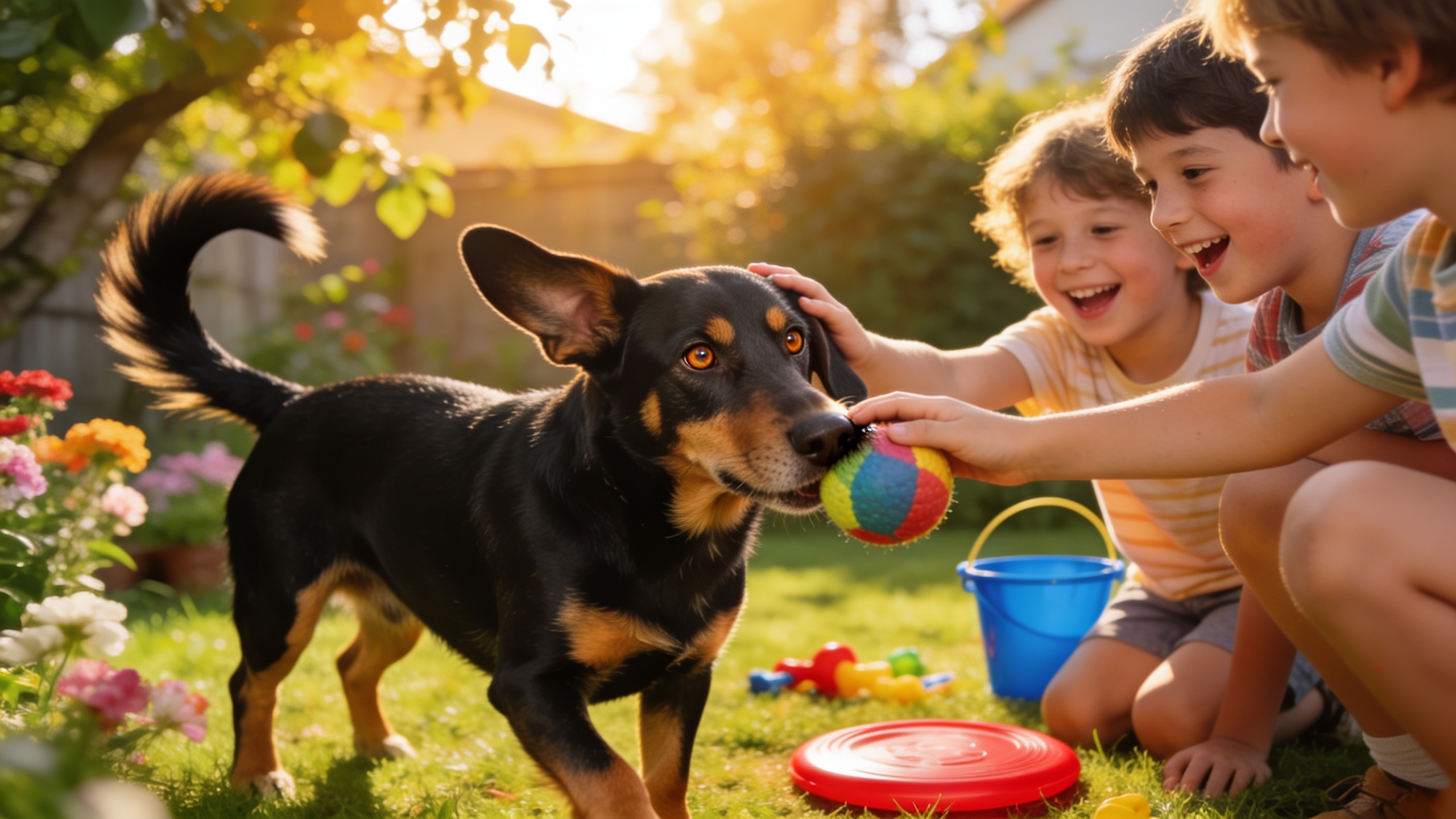
The breed’s sociability necessitates regular engagement with family members, as isolation can lead to behavioral issues. Active participation in family activities, along with structured obedience training, can enhance the dog’s social skills and reduce the likelihood of negative behavior manifestations. Careful observation of their interactions and reactions will guide owners in providing the necessary input for optimal behavioral development.
Related Posts
Puppy Pads with Pheromones

Coping with Canine Diabetes – Managing Blood Sugar Levels