Bernese Mountain Dog
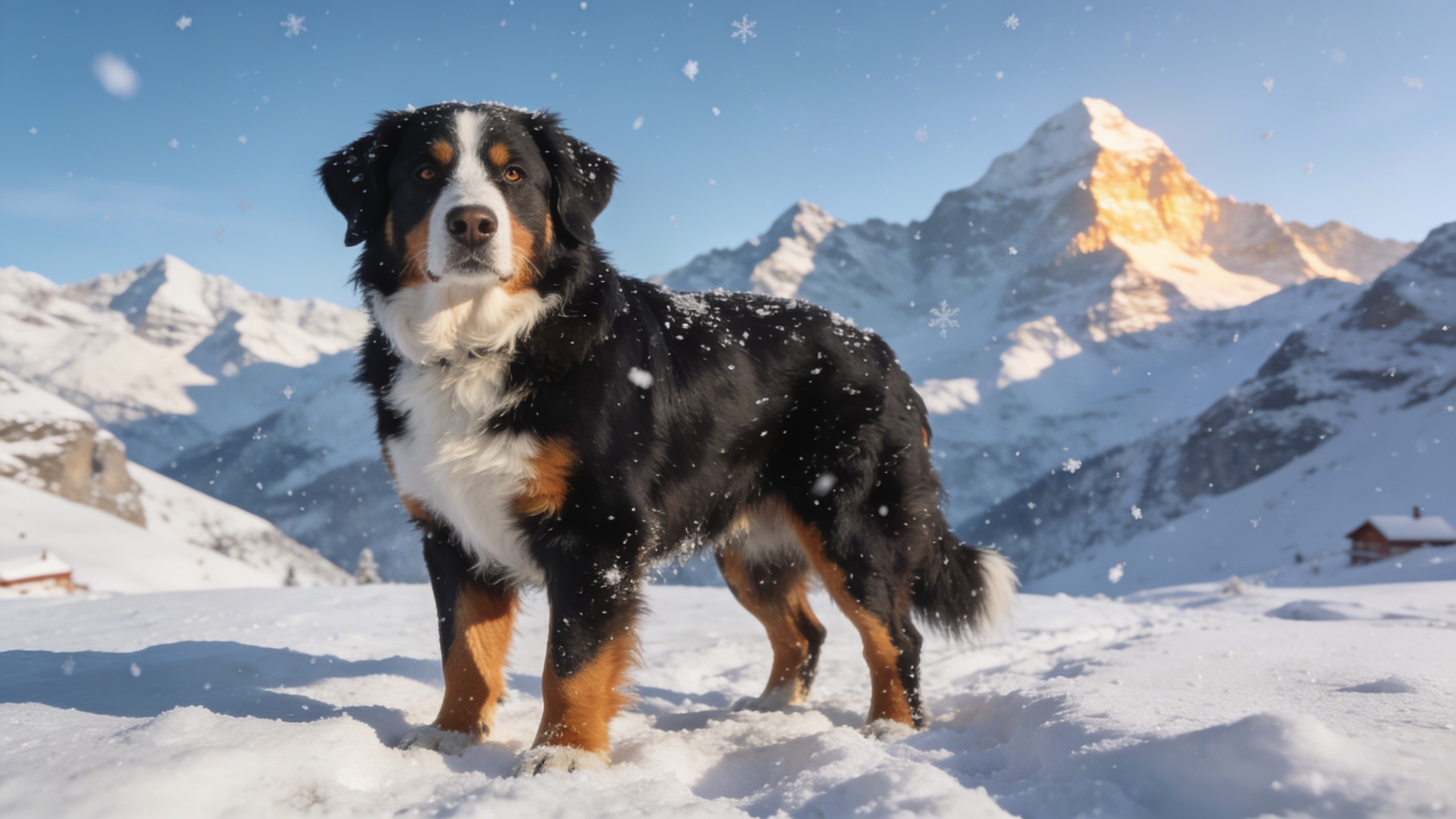
The Bernese Mountain Dog originated in the Swiss Alps, specifically the Canton of Bern, and has a historical lineage that dates back over two millennia. This breed’s ancestors were large Molosser-type dogs used by farmers for herding cattle, pulling carts, and guarding property. Selective breeding focused on robustness and versatility allowed these dogs to adapt to the harsh Alpine climate and demanding working conditions.
In the 19th century, breed enthusiasts recognized the potential for the Bernese as a companion and show dog, leading to an emphasis on conformation over working capability. The establishment of the Swiss breed club in 1907 codified breed standards, which emphasized physical traits such as the distinctive tri-color coat, strong build, and gentle demeanor. Genetic testing has revealed that the Bernese Mountain Dog shares a close genetic relationship with several other Swiss breeds, underlining the importance of geographical isolation in shaping breed characteristics.
The Bernese Mountain Dog’s morphology reflects its historical working role; the strong musculature and broad chest enable it to carry heavy loads, while the double coat provides insulation against cold and snow. However, selective breeding has led to an increased incidence of health issues, particularly hip dysplasia and certain cancers, which breeders and veterinarians now monitor closely. Environmental factors such as climate and activity level also play a critical role in the health of individual dogs, with an emphasis on maintaining an appropriate weight to mitigate joint issues.
Behaviorally, this breed displays a strong affinity for familial bonds, often resulting in separation anxiety if left alone for extended periods. This trait can be traced back to their herding ancestry, where dogs were required to stay close to their human handlers. Training should incorporate positive reinforcement techniques, as Bernese Mountain Dogs respond best to rewards rather than corrections. Early socialization especially important for developing a stable temperament and preventing fear-based behaviors, particularly in unfamiliar situations.

Now retrieving an image set.
Vital Essentials Freeze Dried Dog Treats, Beef Liver, 2.1 oz Bag | Single Ingredient, Made With 100% Beef Liver, Grain-Free Training Treats, USA Made with U.S. & Globally Sourced Ingredients
$5.99 (as of September 21, 2026 04:22 GMT +00:00 - More infoProduct prices and availability are accurate as of the date/time indicated and are subject to change. Any price and availability information displayed on [relevant Amazon Site(s), as applicable] at the time of purchase will apply to the purchase of this product.)Understanding the breed’s history not only aids in appreciating its characteristics but also informs potential owners regarding proper care and training strategies that align with their instincts and tendencies. Maintaining a schedule that respects their need for companionship and activity, while also adhering to a comprehensive health care plan including routine veterinary check-ups, is vital for optimizing the well-being of this breed.
Temperament and Behavior
The Bernese Mountain Dog exhibits key behavioral traits influenced by its herding ancestry and social structure. This breed is characterized by a strong protective instinct towards its family, demonstrating loyalty and affection. Their historical role required them to work closely with humans, leading to their high desire for companionship. This intrinsic motivation for social interaction means that prolonged isolation can lead to stress and behavioral issues, manifesting as barking, destructive behavior, or anxiety-related symptoms. Owners must be attentive to the breed’s needs for social engagement and structured activities to fulfill their emotional requirements.
Training methods are vital in managing the Bernese’s temperament. Using positive reinforcement encourages better learning and retention, as these dogs are sensitive to corrections. Their intelligence allows them to learn commands quickly, but inconsistency in training can lead to confusion and stubbornness, particularly in established patterns of behavior. Implementing short, engaging training sessions that include varied rewards will enhance their willingness to learn and perform, as monotony can lead to disinterest. Additionally, offering mental stimulation through puzzle toys or engaging activities like agility training can further enrich their lives.
Socialization is critical early in their development. Exposure to diverse environments, people, and other animals during the critical period from 3 to 14 weeks is essential in preventing fear-based reactions. Behavioral signs of inadequate socialization may include excessive barking, fearfulness, or aggression when encountering new stimuli. Establishing a routine that includes exposure to varied experiences helps mitigate these risks and enhances their adaptability.
An observation key to managing the temperament of Bernese Mountain Dogs is monitoring their body language and vocalizations. Signs of stress or discomfort can include heavy panting, pacing, or a tucked tail, which indicate a need for intervention or a change in environment. Regularly assessing their psychological well-being in conjunction with their physical health can prevent the progression of anxiety-related conditions. Moreover, gradual introductions to new experiences, paired with positive outcomes, can help build their confidence and resilience.
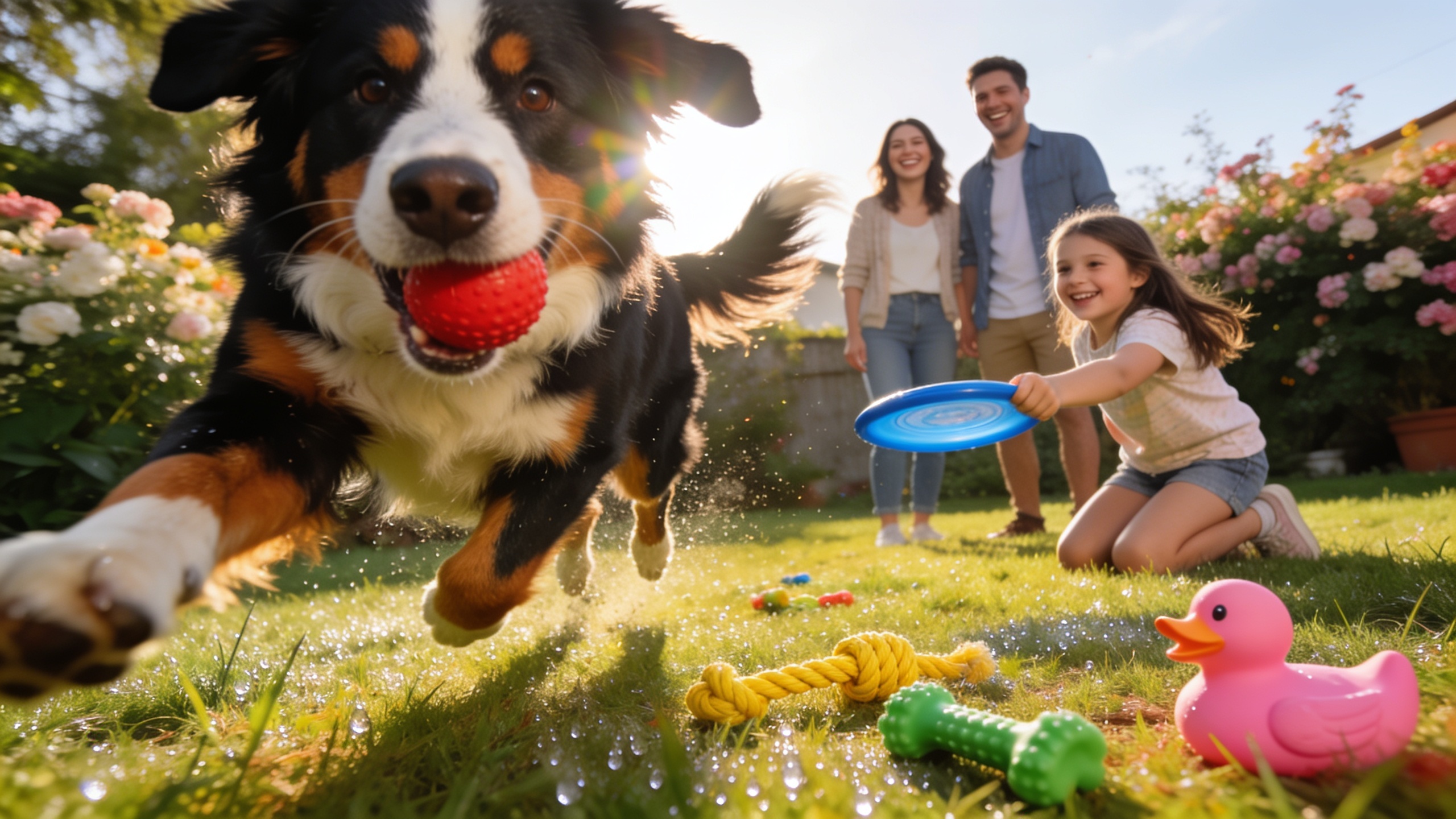
The breed also tends to exhibit a playful demeanor well into adulthood, which is beneficial for family interactions and helps solidify their role within family dynamics. However, it especially important to balance their playful nature with training to prevent overexcitement or inappropriate behaviors. Consistent, structured playtime ensures they have an outlet for their energy while fostering strong bonds with family members.
<pOwners should remain vigilant about individual personalities and behavioral nuances, as variations exist even within this breed. Understanding these characteristics not only promotes a rewarding relationship between the owner and dog but also aids in fostering a calm, well-adjusted environment conducive to the breed's needs.
Care and Health Requirements
The Bernese Mountain Dog requires a comprehensive and attentive care regimen due to its specific genetic predispositions and physical characteristics. Regular veterinary check-ups are paramount, with annual or bi-annual examinations recommended to monitor for breed-specific conditions such as hip and elbow dysplasia, which are prevalent in the breed due to their size and confirmation. Radiographic screening, particularly for hip joints, can provide early detection of dysplastic changes, allowing for timely intervention.
The breed is also prone to certain cancers, including hemangiosarcoma and osteosarcoma, necessitating vigilance for signs such as unexplained weight loss, lethargy, or swelling. Blood tests and imaging studies can be implemented as preventive measures to catch potential health issues early. Furthermore, awareness of familial trends in health issues can help inform owners on which signs to monitor closely throughout the dog’s life.
Nutritional requirements should align with their large size, requiring a diet high in quality protein and appropriate fat levels to support their energy demands and maintain optimal body condition. Overweight Bernese Mountain Dogs are at greater risk for joint and mobility issues; thus, maintaining a lean body condition especially important. Owners should consider calculating caloric intake based on lifestyle activity levels and adjust feeding accordingly, especially during growth phases or increased activity periods. Consulting with a veterinarian or canine nutritionist can help develop a tailored dietary plan that meets the dog’s specific needs.
Exercise is integral to physical and mental health, though it must be balanced to avoid overexertion, especially in younger dogs whose joints are still developing. A variety of activities—such as leash walks, controlled play sessions, and interactive games—can provide both physical exercise and mental engagement, assisting in the prevention of behavioral issues stemming from boredom or excess energy. Care should be taken not to overheat these dogs, especially in warm climates, due to their thick double coat. Observing signs of fatigue or heat stress, such as excessive panting or reluctance to continue, very important during exercise sessions.
Grooming should not be overlooked, as the double coat requires regular brushing to prevent matting and to manage shedding. A grooming schedule that involves weekly brushing can help reduce the risk of skin infections and improve coat health. Bathing should be conducted as necessary to maintain hygiene, taking care not to over-bathe which can strip natural oils and irritate the skin.
Environmental factors also significantly impact health. Providing a secure, enriching environment can aid in mental stimulation and reduce anxiety. It’s recommended to create a consistent routine, integrating both physical activity and quiet time, to accommodate their need for companionship without compromising their well-being. Monitoring their body language for indicators of stress or discomfort remains essential to ensure a supportive and healthy living space.
Related Posts
Understanding Your Dog’s Unique Personality
Border Terrier