Belgian Malinois
The Belgian Malinois originated in the late 19th century in Belgium, specifically from the city of Malines, part of the broader Belgian Shepherd group, which also includes the Laekenois, Tervuren, and Groenendael breeds. These breeds were developed primarily for herding, protection, and companionship. The focus of selective breeding was on intelligence, work ethic, and physical capability, characteristics that still define this breed today.
Historically, the Malinois served as shepherds’ assistants, adept at managing sheep flocks. This role necessitated an acute sense of awareness and strong predatory instincts, resulting in a breed that is both vigilant and reactive. Their ability to learn quickly made them suitable for various jobs, leading to their incorporation into police, military, and search-and-rescue applications by the 20th century. Such roles cemented their reputation as versatile working dogs.
During World War I, the breed’s utility was recognized internationally, contributing to military communications and carrying out messenger duties. In the subsequent decades, they were refined further for their roles in law enforcement and military service, particularly in K9 units where agility, loyalty, and trainability are paramount. Various breeding programs, especially those focusing on the Malinois in military contexts, have emphasized traits conducive to performing high-stakes tasks, often leading to genetic lines that excel in nerve, drive, and responsiveness to commands.
The Malinois exhibits a strong predilection for engaging activities, stemming from both its purposeful breeding and historical functions. This drive can manifest in behaviors such as excessive barking or destructive chewing if not adequately channeled through training and exercise. Observational studies show that they thrive in environments that stimulate their minds and bodies, making them less suited to a sedentary lifestyle. Owners must be aware of this breed’s need for structured, purposeful activities to prevent behavioral issues stemming from boredom or excess energy.

Pur Luv Dog Treats, Chicken Jerky Dog Treat with Real Chicken Breast, 16 oz | High protein and low fat, Limited ingredient recipe, No artificial flavors or preservatives, Satisfies instinct to chew
$14.99 (as of October 23, 2026 12:02 GMT +00:00 - More infoProduct prices and availability are accurate as of the date/time indicated and are subject to change. Any price and availability information displayed on [relevant Amazon Site(s), as applicable] at the time of purchase will apply to the purchase of this product.)Genetic predispositions within the breed can also lead to specific health concerns, including hip dysplasia and progressive retinal atrophy (PRA). Awareness of these potential health issues is critical for owners and breeders alike, facilitating informed choices regarding breeding programs and overall animal welfare. Genetic testing can identify carriers of these conditions, enabling a strategic approach to breeding that minimizes health risks while enhancing desirable working traits.
The history of the Belgian Malinois is inextricably linked to its evolution as a multifaceted working dog, influenced by historical functions and selective breeding practices. This background not only shapes their physical characteristics but also fundamentally impacts their behavioral tendencies and training requirements.
Temperament and personality
The temperament of the Belgian Malinois is shaped significantly by its history as a working dog, and consequently, the breed exhibits traits that demand both understanding and management. Their intelligence is an inherent characteristic, which derives from the breed’s selective evolution for tasks requiring versatility and problem-solving skills. High cognitive ability often leads to keen observations of environmental changes, making them sensitive to their surroundings, which can manifest as heightened alertness and a protective instinct.
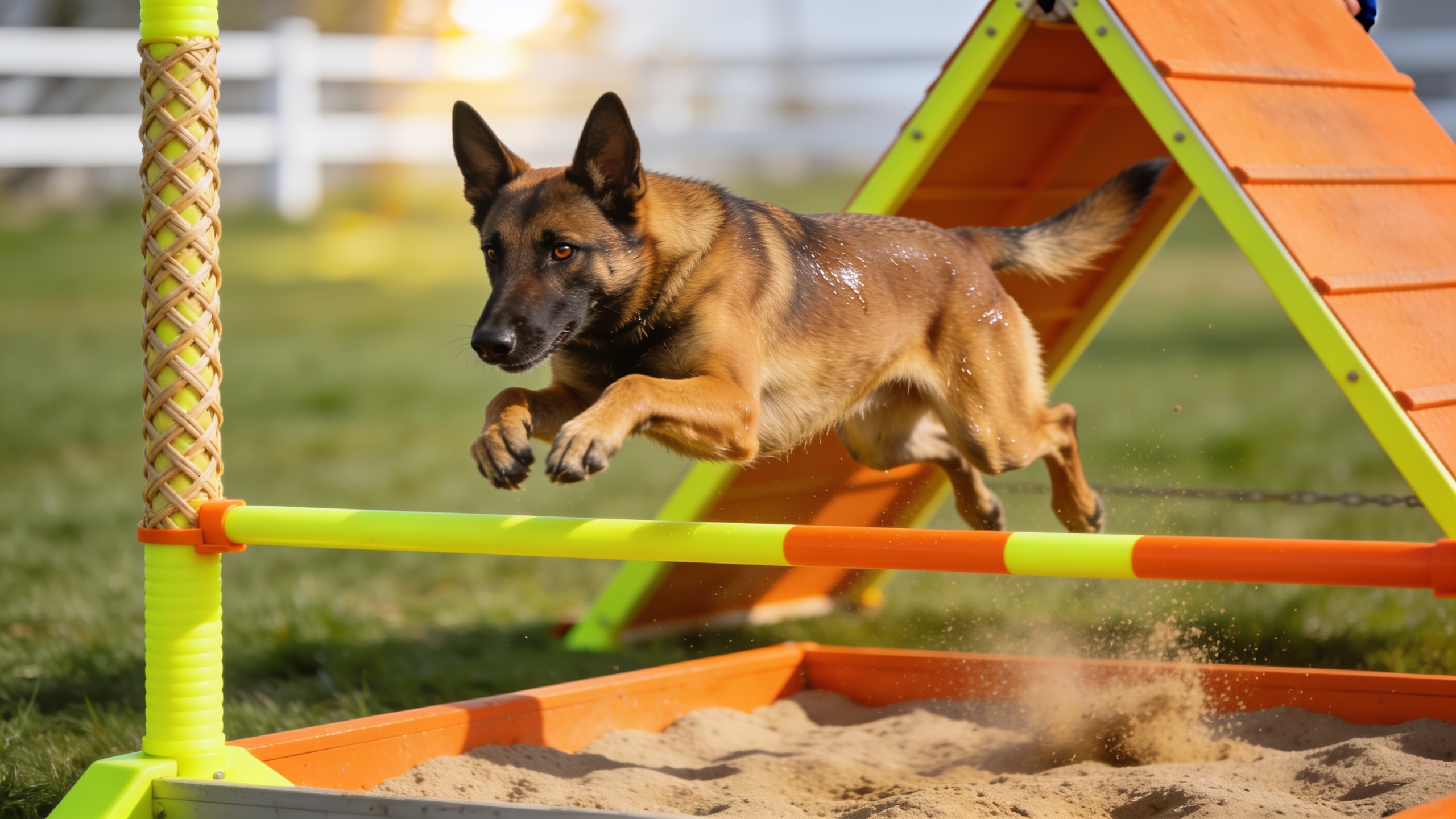
The breed is marked by a strong drive for activity, stemming from historical roles in herding and protection. Malinois often display exceptional energy levels, requiring ample physical and mental stimulation. Insufficient exercise can result in unwanted behaviors such as anxiety, hyperactivity, and destructiveness. To mitigate these outcomes, engagement in structured activities like agility training, obedience competitions, or canine sports is essential. Regular socialization, particularly with varied environments and stimuli, further enhances their adaptability and prevents fear-based reactions.
The Malinois also showcases a distinct work ethic, prioritizing tasks and challenges presented to them. This inclination for tasks often translates into a need for clear leadership and consistent training. Positive reinforcement techniques that acknowledge their achievements and capabilities yield the best results. Implementing consistent command structures and varying training methods prevents the development of boredom and promotes their ability to focus. Exposure to complex problem-solving tasks, such as scent work or tracking, capitalizes on their incredible olfactory capabilities and cognitive processing speed.
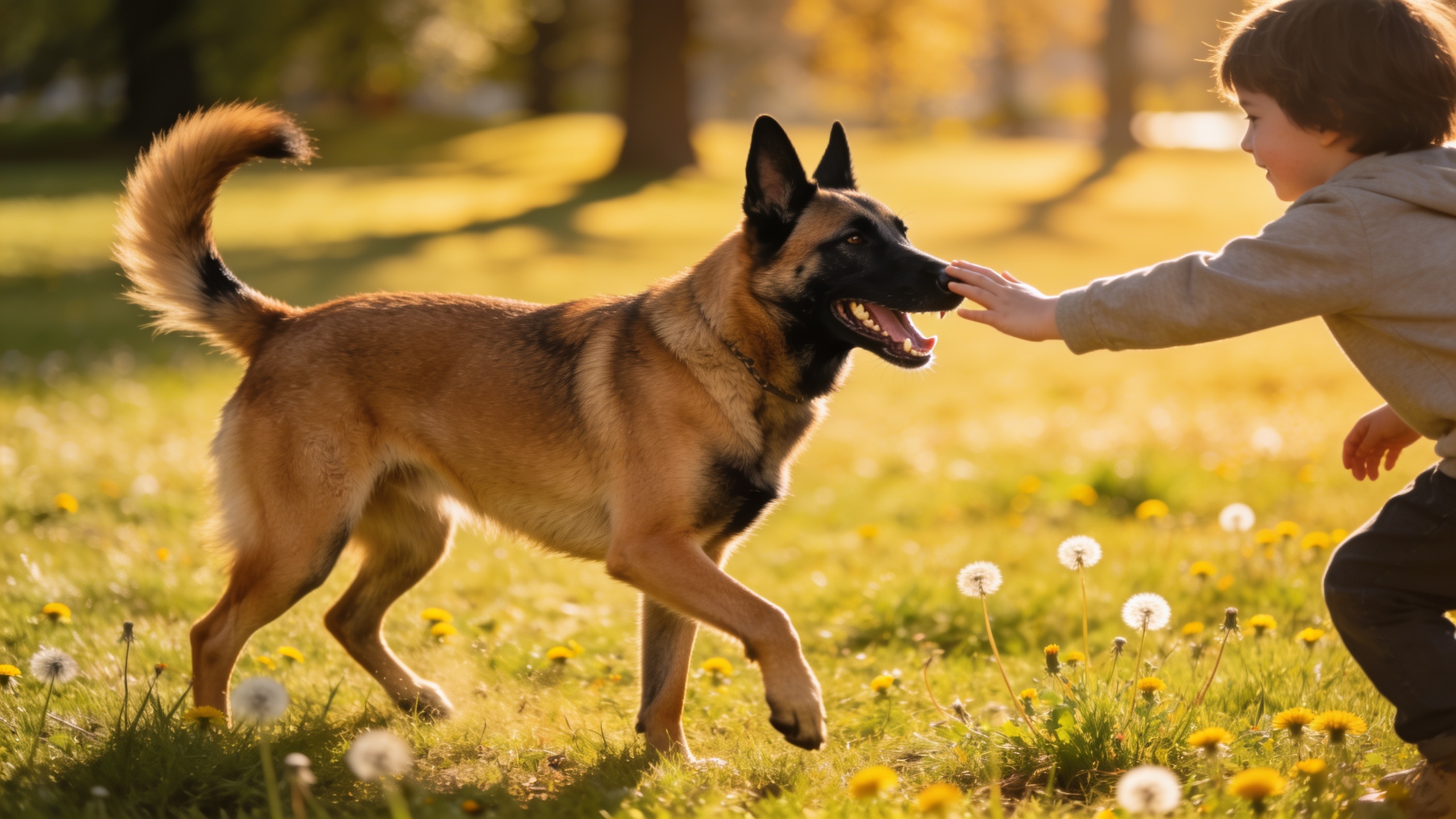
Social interaction with humans and other dogs is important for the Malinois, reinforcing their roles as active participants in family life. However, they can be predisposed to possessiveness and territorial behaviors, which, if left unchecked, can escalate into aggression. Regular exposure to diverse social environments helps counteract these tendencies. Early socialization with positive experiences around various stimuli reinforces their confidence and stability in varying situations.
Additionally, it is important to recognize that the Malinois’s protective nature is often complemented by a strong bond with their handler or family, leading to loyalty but also dependency. This emotional connection necessitates a balance between independence and attachment training strategies that promote self-sufficiency without fostering separation anxiety. Understanding this balance is vital for effective management of their behavioral dynamics.
Thus, while the Malinois embodies a robust and energetic disposition, careful attention to its mental and physical needs, consistent leadership, and socialization are paramount in shaping a well-rounded companion and working partner. Owners must facilitate an environment that aligns with these inherent traits, ensuring both breed traits and individual behaviors are managed appropriately.
Training and care
Training and care for the Belgian Malinois require a comprehensive approach tailored to their unique physical and psychological needs. This breed’s high intelligence and eagerness to learn can be maximized through structured training regimes using positive reinforcement. In particular, training should focus on reliability and consistency, extending from basic commands to advanced obedience and specialized tasks. Consistency in command and vocabulary fosters better understanding and quicker responses, essential for a dog bred for demanding roles.
It is critical to engage the Malinois in mental challenges that align with their natural abilities. Activities such as agility training, search-and-rescue exercises, and obedience trials not only provide physical exercise but also stimulate their cognitive functions. Training sessions should vary in difficulty and presentation to prevent monotony, which can lead to a decline in motivation and attention. Incorporation of novel tasks will challenge their problem-solving capabilities while reinforcing their bond with the handler.
Socialization is another core component in the training process. Early and ongoing exposure to diverse environments, people, and other animals will prevent the development of fear or aggression and promote well-rounded behavior. Ensuring that interactions are positive and rewarding is vital, as negative experiences can have lasting effects on the Malinois’s temperament. Group training classes can be beneficial, offering both social interaction and structured learning opportunities within a controlled setting.
Health maintenance is equally vital to training and care. Regular veterinary check-ups should include screenings for breed-specific conditions such as hip dysplasia and eye disorders. Nutrition also plays a significant role, as the Malinois has high energy requirements, necessitating a diet rich in proteins and healthy fats to support their active lifestyle. Consulting with a veterinary nutritionist can ensure the diet is appropriate for their age, activity level, and health status. Proper hydration and portion control are equally essential to maintain optimal body condition and prevent obesity, which can exacerbate health issues common in the breed.
Exercise needs to be robust and frequent to correspond with their energy levels. A general guideline involves at least one hour of vigorous exercise daily, supplemented with mental stimulation through training or interactive toys. Failure to provide adequate physical and mental engagement can lead to destructive behaviors, such as chewing or excessive barking. Owners should observe their dogs closely; signs of dissatisfaction or excess energy include hyperactivity or anxiety, which signal the need for more engagement or structured activity.
Moreover, understanding the Malinois’s characteristic reliance on structured routines can aid in their training. Establishing clear expectations with consistent daily schedules in feeding, exercise, and training can provide a foundation on which the dog builds composure and confidence. This structure combined with a final focus on playtime and affection can create a balanced lifestyle that promotes both well-being and a harmonious relationship between the dog and handler.
Related Posts

How to Transition Your Dog to a New Diet Safely

Calming Dog Bed Mat