The Benefits of Canine Sports for Physical and Mental Health
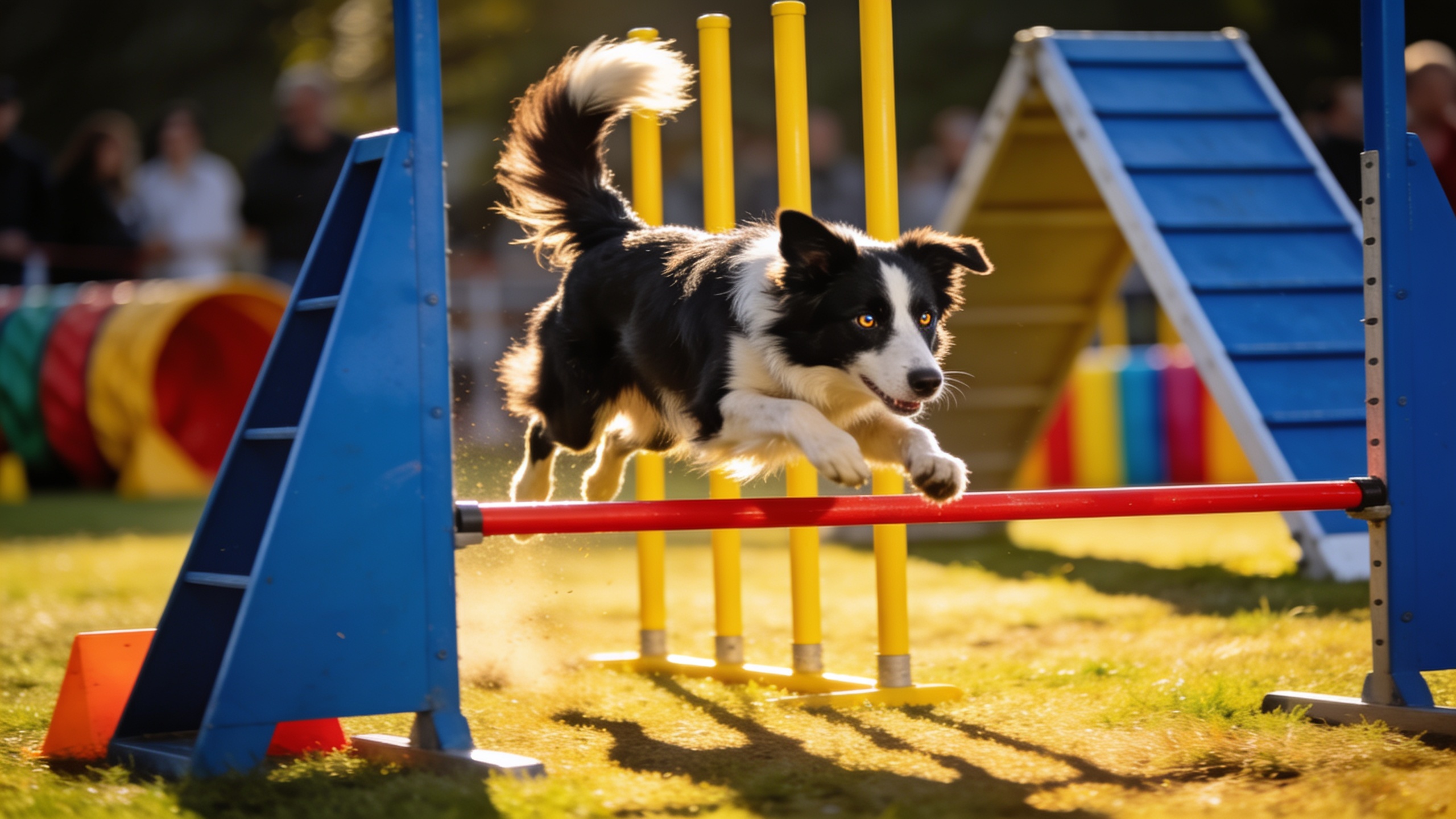
Engaging in canine sports optimally supports the physical health of dogs through targeted exercise, socialization, and intellectual stimulation. Canine sports, such as agility, flyball, and herding, require dogs to use diverse muscle groups, which promotes agility, strength, and endurance. For instance, agility training enhances coordination and balance, significantly reducing the risk of injury in active dogs. Regular participation in structured activities enables dogs to maintain a healthy weight, consequently preventing obesity-related conditions such as diabetes, arthritis, and cardiovascular diseases.
Different breeds display unique physical predispositions and fitness capabilities that can be catered to through tailored sports. Herding breeds, such as Border Collies and Australian Shepherds, thrive in activities that leverage their natural instincts, fostering both mental and physical engagement. In contrast, brachycephalic breeds, like Bulldogs, may struggle with high-intensity sports due to their anatomical constraints, necessitating a careful selection of less strenuous activities to ensure safety and fulfillment. Age-specific factors should also be considered; younger dogs benefit from rigorous sports that facilitate development, while older dogs may require gentler activities that include light agility or obedience training aimed at preserving mobility and cardiovascular health.
Mechanisms behind improved physical health through sports can also be linked to regular cardiovascular exercise, which enhances circulation and oxygen delivery to tissues and organs. Improved cardiovascular fitness correlates with increased stamina and reduced fatigue levels. Monitoring heart rate during exercise is essential; ideally, a dog’s heart rate should reach a moderate level without exceeding their safe limits, which can vary based on size and breed. Veterinary consultation can help establish these parameters effectively, supporting healthy participation in sports.
Joint health is another critical aspect influenced by canine sports. Controlled, low-impact exercises promote synovial fluid production, enhancing cartilage health and joint flexibility. However, too much high-impact activity can lead to conditions such as hip dysplasia or cranial cruciate ligament injuries, especially in predisposed breeds. Using proper techniques, including warm-ups and cool-downs, and selecting low-impact activities can mitigate these risks.

Good 'n' Fun Kabobs Long-Lasting Dog Treat Made With Real Protein, 24 oz | Premium Chicken, Pork and Beef Hide Chew, Supports Dental Health and Mental Stimulation, For Adult Dogs
$17.97 (as of October 3, 2026 09:10 GMT +00:00 - More infoProduct prices and availability are accurate as of the date/time indicated and are subject to change. Any price and availability information displayed on [relevant Amazon Site(s), as applicable] at the time of purchase will apply to the purchase of this product.)Nutrition also plays a pivotal role in physical performance and recovery. High-quality diets enriched in protein and omega-3 fatty acids support muscle repair and anti-inflammatory processes, essential for active dogs. Caloric intake should align with the energy output during sports, necessitating adjustments based on the duration and intensity of exertion. Staying hydrated is crucial; ensuring easy access to fresh water before, during, and after sports can prevent dehydration, which is vital for optimal performance and recovery.
Mental health benefits of canine sports
Engaging in canine sports significantly enhances mental health through a variety of psychobiological mechanisms that promote well-being, emotional stability, and cognitive development. Activities such as agility training or competitive rally provide dogs with the opportunity to navigate challenges, enhancing their problem-solving abilities. The stimulation derived from these sports fosters a healthy level of motivation and focus, critical components in preventing behavioral issues. For example, dogs that participate in consistent sports demonstrate reduced anxiety and stress levels, as their mental energy is directed toward constructive activities rather than destructive behaviors caused by boredom or anxiety.
The socialization aspect of canine sports cannot be overstated. Interaction with other dogs and handlers during training sessions cultivates essential social skills, which can alleviate fear and aggression towards unfamiliar stimuli. Such engagement is particularly beneficial for breeds known for their predisposition to anxiety, such as Labrador Retrievers and German Shepherds. When dogs are conditioned to experience positive social interactions, they develop resilience to stressors in their environment, significantly contributing to emotional stability and a decrease in fear-related behaviors.
Science supports these observations; studies indicate that engagement in physical activities produces neurochemical changes, such as increased levels of serotonin and endorphins, which enhance mood and reduce instances of depression. Canine sports often serve as a natural antistress mechanism, providing avenues for emotional release and mental stimulation. Dogs involved in high-energy sports report a decrease in cortisol levels, indicating lower stress levels. Tracking behavioral changes following sports involvement can provide insight into a dog’s mental health, with owners observing an overall increase in playfulness and willingness to engage with new experiences.
Routine participation also aids in establishing a structured daily pattern, contributing to stability in a dog’s life. This predictability fosters improved adaptability to routine changes or environmental stressors, enhancing psychological resilience. Dogs with structured schedules are generally more content and less prone to anxiety-related behaviors, such as destructive chewing or excessive barking. Furthermore, mental fatigue achieved through intensive sports can lead to improved sleep quality, as dogs that have expended their energy physically and mentally are less likely to experience restlessness.
Behaviorally, dogs that engage in sports exhibit enhanced trainability. The skills acquired during sports training, such as focus and attentional control, translate effectively into everyday activities. This enhanced trainability mitigates behavioral issues and eases the owner-dog relationship, promoting more effective communication and bonding. Consequently, implementing canine sports not only fulfills a dog’s physical requirements but positions them for optimal emotional health and a rewarding companionship experience.
Popular canine sports for different breeds
Different canine sports cater to specific breed characteristics, optimizing each dog’s inherent abilities and preferences. Herding breeds, like Border Collies and Australian Shepherds, excel in sports that mimic their historical functions. They thrive in agility and herding trials, using their high energy, intelligence, and natural instincts. Such activities not only engage their physical capabilities but also provide critical mental stimulation, preventing behavioral issues associated with boredom.
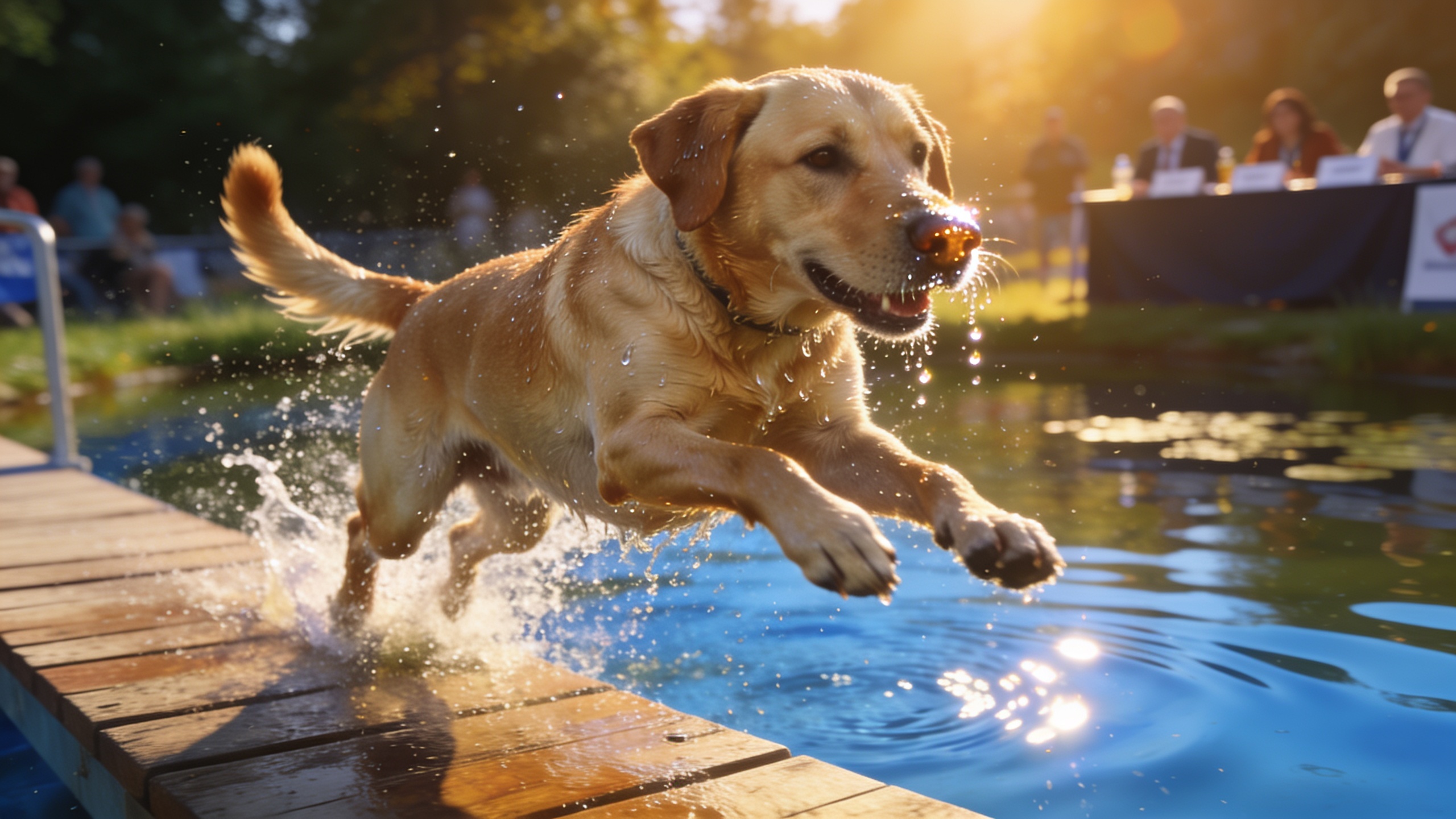
Sporting breeds, such as Labrador Retrievers and Golden Retrievers, benefit from activities like hunting trials and dock diving. Their build and temperament make them adept at tasks requiring stamina and retrieval skills. Engaging these breeds in water sports, for instance, not only showcases their athleticism but also aligns with their genetic inclination towards water retrieval, thus ensuring both enjoyment and mental engagement.
On the other hand, brachycephalic breeds, such as Bulldogs and Pugs, necessitate a tailored approach due to their unique physiological limitations. These dogs often face respiratory challenges that can be exacerbated by intense exertion. As such, lower-impact sports such as obedience training, scent work, or light agility can provide fulfilling engagement without compromising their health. It is important for owners to assess their dog’s individual thresholds, monitoring signs of fatigue or respiratory distress during activities.
Working breeds, including Rottweilers and German Shepherds, perform exceptionally well in obedience, protection sports, and tracking trials. Their robust physical structure combined with high intelligence makes them suitable for complex challenge-based sports, which reinforces their training and discipline. Additionally, these activities tap into their natural instincts, facilitating a sense of purpose and drive, essential for their well-being.
Senior dogs require consideration of their physical limitations when engaging in sports. Activities like canine massage, lower-impact agility courses, or virtual scent work allow for mental engagement without excessive strain. Observations of joint mobility, energy levels, and general demeanor can guide the appropriateness of specific sports. Adjusting intensity and duration helps in maintaining their health, providing benefits such as improved circulation and joint health.
Mixed breeds often possess diverse traits from their lineage, enabling flexibility in sport selection. Understanding the specific driving characteristics, whether stemming from working, herding, or sporting origins, allows owners to select the right activities that satisfy their dog’s disposition. Participating in a variety of sports can further help in uncovering hidden talents and preferences, enhancing both physical and mental stimulation.
Getting started with canine sports
To initiate participation in canine sports, owners should begin with a thorough assessment of their dog’s physical condition and temperament. A veterinary check-up is essential to identify any underlying health issues that may influence the type or intensity of sport suitable for the dog. Specific attention should be paid to joint health, cardiovascular fitness, and any breed-specific predispositions. For instance, breeds prone to hip dysplasia should avoid high-impact activities until their physical capabilities are confirmed through veterinary evaluation.
Once health is assessed, owners should evaluate their dog’s personality traits. A dog with high energy and drive, such as a Belgian Malinois, may thrive in agility or herding trials, while a more laid-back breed like a Basset Hound may benefit from lighter activities, such as scent work or obedience training. Observations of play style and engagement during basic exercises can provide insights into the dog’s preferences and aptitude for various sports.
Enrolling in a reputable training class is advisable. Professional trainers with experience in specific canine sports can tailor programs that match the dog’s needs while ensuring safe practices. They can also introduce the dog to essential skills and help develop a foundation of commands critical in competitive environments. Socialization within a training class not only aids in acclimatizing the dog to diverse environments but also fosters positive interactions with other dogs, reducing potential anxiety during actual sports events.
As owners embark on this journey, it’s vital to establish a gradual approach to training and activity levels. Sudden increases in exercise intensity can lead to injuries or burnout. Implementing a structured training regimen that includes a mix of warm-up, skill-training segments, and cool-down periods fosters physical readiness while preventing injuries. Tracking training sessions with careful note of progress, including any signs of fatigue, soreness, or behavioral changes, is equally crucial for understanding a dog’s limits and capabilities.
Nutrition during this period plays a foundational role in the dog’s overall performance. Owners should consult with a veterinary nutritionist to design a tailored diet that meets increased energy demands. Key nutrients that support weight management, muscle development, and recovery include high-quality proteins, appropriate carbohydrates for energy, and omega-3 fatty acids to reduce inflammation. Regular hydration should not be overlooked, particularly in sports that involve prolonged exertion, to ensure optimal physical performance.
Similarly, mental stimulation should be a constant focus. Incorporating elements of positive reinforcement, such as treats or praise, during training enhances motivation and engagement. Engaging a dog in training games or puzzle toys outside of formal training sessions can aid cognitive development and reinforce the skills being practiced. Monitoring the dog’s response to various activities will help identify their preferences and strengths, allowing for a more enjoyable and fulfilling experience in the chosen sport.
Related Posts

Waterproof AirTag Holder for Dog Collar

Puppy Pads with Pheromones