Introducing Your Dog to the World of Canine Freestyle
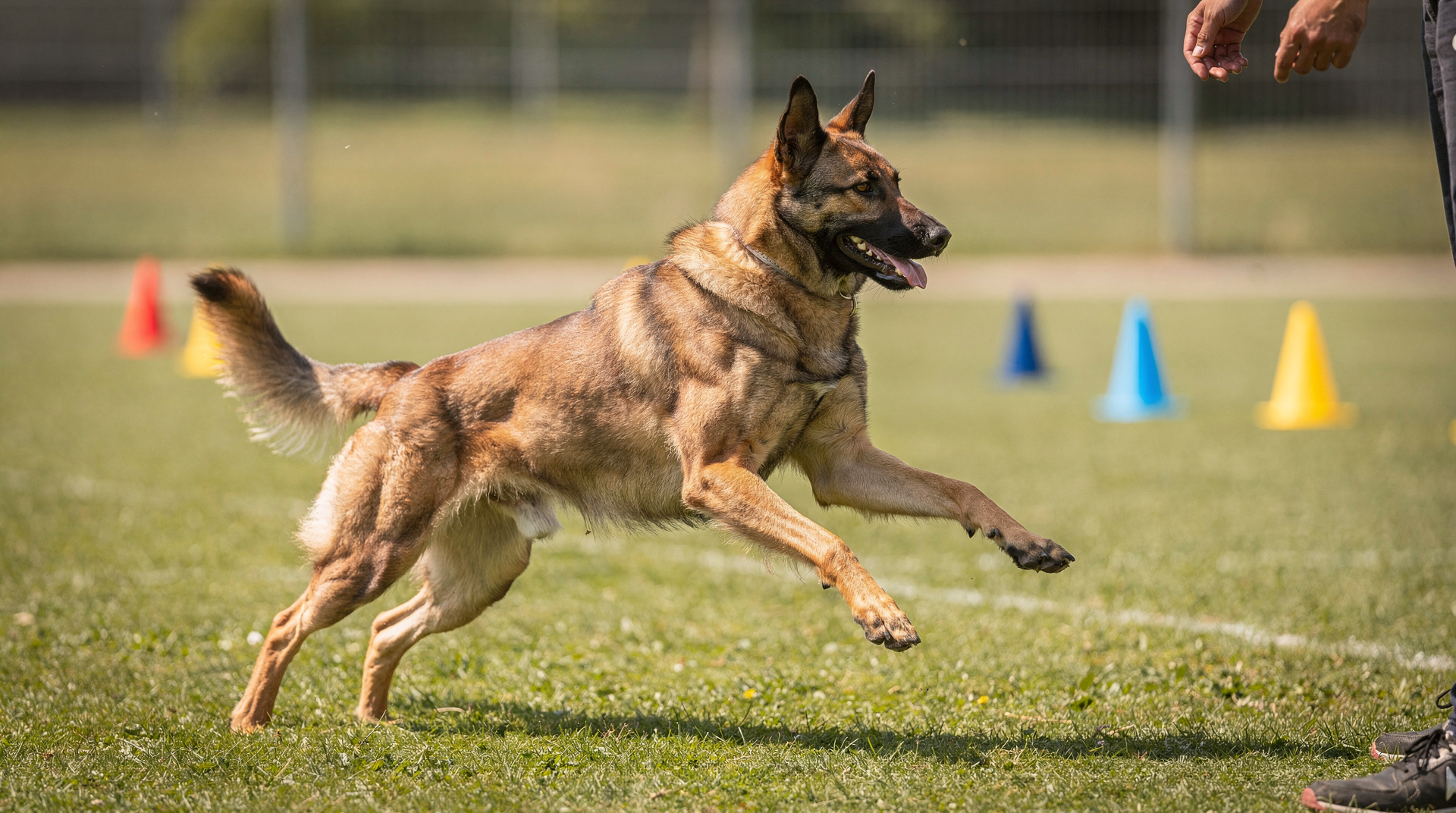
Canine freestyle should begin only after the dog has a stable medical and behavioral foundation, because the sport combines sustained attention, repeated directional changes, spatial awareness, and close body contact, all of which amplify discomfort or stress that may be hidden in ordinary obedience work. Dogs with hip or elbow dysplasia, patellar instability, lumbosacral pain, cruciate injury, chronic otitis, or brachycephalic airway compromise may appear willing at first but will often show subtle early signs such as lagging on turns, reluctant sit-to-stand transitions, head shaking, lip licking, yawning, or refusal to offer previously easy movements. Screening is especially useful in young dogs from lines selected for extreme angulation, toy breeds with luxating patellas, and large breeds with growth-plate vulnerability, because freestyle asks for repetitive loading of joints before the dog has fully adapted musculoskeletally.
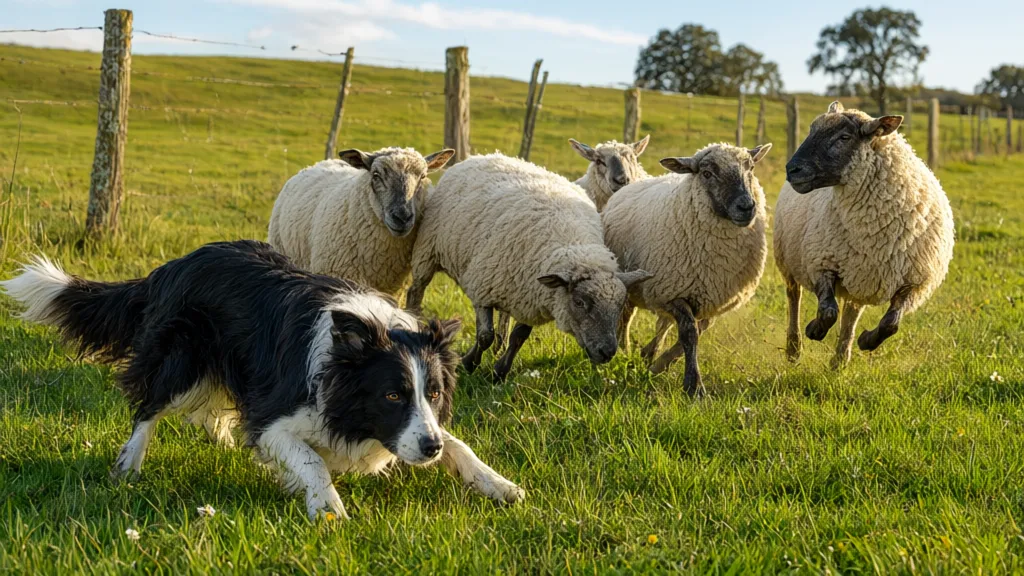
Temperament matters as much as structure. Breeds developed for sustained cooperation at a distance, such as herding and some gundogs, often learn pattern sequences quickly because they’re genetically biased toward environmental scanning, motion sensitivity, and reinforcement from human direction. Sighthounds, guardian breeds, and many terriers may need more deliberate motivation because their arousal profiles and independent decision-making can compete with handler focus. A dog that startles easily, guards space, or becomes overexcited in crowds will not improve through exposure alone; the nervous system must be kept below threshold so learning can occur. Watch for rapid panting unrelated to heat, tight facial muscles, freezing, sudden sniffing, or displacement scratching, which usually indicate the dog has moved from engagement into conflict or overstimulation.
Initial training should create clear reinforcement history around the handler’s movement, not around the dog’s enthusiasm alone. Short sessions of 30 to 90 seconds reduce fatigue and prevent rehearsal of sloppy gait, crooked fronts, or forged turns that later become ingrained motor patterns. Food choice affects performance: soft, high-value rewards work well for fast learners, but dogs that become overaroused by rich treats may show frantic movement and poor body control, so some individuals do better with tiny, low-residue pieces or toy reinforcement. For dogs prone to digestive sensitivity, excessive fat or abrupt diet changes can disrupt stool quality and motivation, making consistent training harder; stable feeding times and digestibility matter more than calorie loading at this stage.
The first goal is to teach the dog that the handler’s position predicts reinforcement, because freestyle depends on proximity, orientation, and rapid reorientation without coercion. Build this with frequent reinforcement for eye contact, shoulder alignment, and clean returns to heel-side or front position before adding speed or music. Avoid repetitive pivoting on slippery floors, jumping in immature dogs, and forced backing in dogs with spinal or rear-end weakness. Surface choice matters: rubber matting, turf, or short grass improves traction and reduces compensatory strain in the carpus, hock, and lumbar spine. Progress only when the dog can offer each movement with loose mouth, even rhythm, and quick recovery after breaks; recovery time is a better welfare marker than excitement level alone.

Now retrieving an image set.
Earth Rated Dog Wipes for Paws & Butt, Deodorizing, Unscented, 100ct | Hypoallergenic, 3-in-1 Cleaning and Hydrating, for Grooming Paws, Body and Butt
$9.99 (as of September 22, 2026 04:22 GMT +00:00 - More infoProduct prices and availability are accurate as of the date/time indicated and are subject to change. Any price and availability information displayed on [relevant Amazon Site(s), as applicable] at the time of purchase will apply to the purchase of this product.)Handler mechanics also shape learning. Large arm motions, bent-over posture, and inconsistent cue timing create visual clutter that can provoke anticipatory errors, especially in visually oriented breeds. Cues should be concise and separated so the dog can discriminate body language from verbal signals; otherwise the dog will guess and accumulate frustration. If the dog begins to anticipate by cutting corners, wide-arching, or forging ahead, the sequence is too long or the reward point is too predictable. Use predictable criteria, then vary reward location and pace only after the dog can maintain emotional control and clean biomechanics through the simplest versions of movement.
Simple freestyle routines should be built from movements that preserve spinal alignment, joint symmetry, and clear motivation. Start with stations the dog can perform without compression or twisting: left and right heel position, front finish, backing up one to three steps, spin in both directions, tidy sit, and a controlled pause in stand. Each element must be mechanically sound before being linked, because linking exposes weakness in weight shift, proprioception, and core stability. Dogs that drop a hip, flick a hind leg outward, or repeatedly sit crooked are telling you the movement is not yet clean enough to chain.
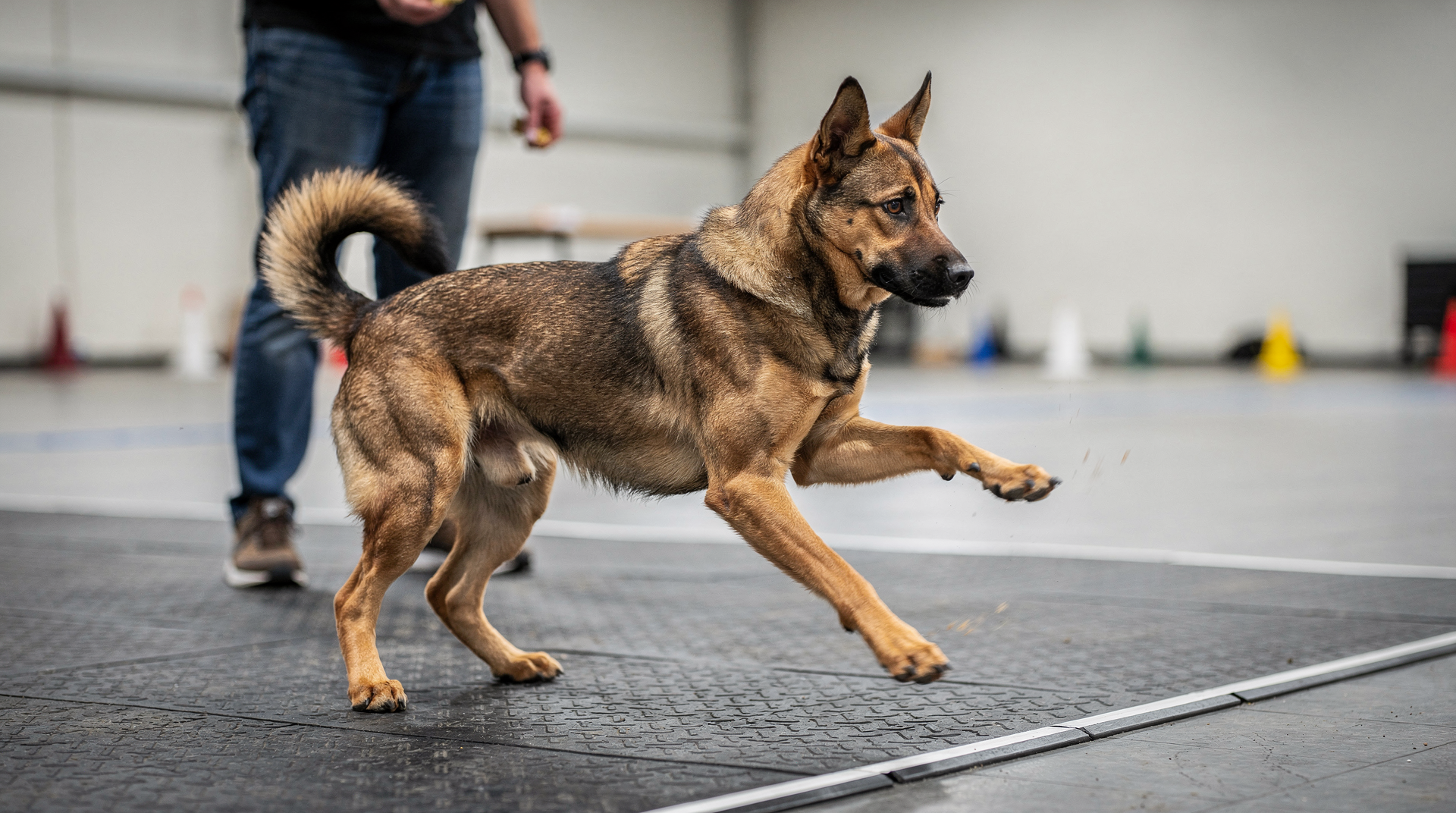
Sequence length should match the dog’s working memory and arousal threshold. Many dogs can hold only two or three novel behaviors before accuracy falls, especially juveniles and highly reactive individuals. If the dog begins to stall, mouth the leash, scan the room, or offer unrelated behaviors, stop increasing difficulty and return to a single known action reinforced generously. Freestyle routines fail when handlers confuse stamina with learning; a dog can remain active long after precision and welfare have declined.
For turning work, teach both clockwise and counterclockwise motion early, because asymmetry is one of the most common hidden problems in performance dogs. Dogs naturally prefer one side based on limb dominance, previous reinforcement, and subtle musculoskeletal differences. Repeatedly rewarding only the easier direction can strengthen muscular imbalance and increase strain on the opposite shoulder, hock, and lumbar region. Alternate sides in short sets, and watch for shortening of stride, delayed hind-end follow-through, or excessive head carriage, which often indicate fatigue or discomfort before overt lameness appears.
Use reinforcement to shape precision, not speed. A clean pivot with balanced foot placement is more valuable than a fast but sloppy turn, because the latter reinforces forelimb pounding and poor rear-end engagement. Tiny food rewards delivered at the dog’s mouth or slightly below chest level can help maintain head and neck neutrality. Avoid throwing treats behind the dog in early stages if the dog rushes or crashes into the turn; that pattern encourages momentum over control and may worsen jumping or spinning habits in small, excitable breeds.
Music and rhythm should be introduced only after the dog can work calmly without them. Auditory stimulation can raise arousal in sensitive dogs, especially those with noise reactivity or sound-triggered startle responses. If the dog shows a sudden shift in breathing, pinned ears, widened eyes, or a dropped tail when music starts, the volume is too high or the tempo too stimulating. Keep sessions below the threshold at which the dog begins to self-reinforce through frantic motion, because freestyle requires controlled offering behavior, not emotional escalation.
- Reinforce stillness after motion; a dog that can settle quickly is less likely to overheat, lose coordination, or build stress-related errors.
- Train on nonslip surfaces to reduce carpal and hock torque, especially in toy breeds, seniors, and dogs with orthopedic history.
- Keep sequences short enough that the dog can succeed before muscle fatigue alters gait and posture.
- End repetitions when movement quality declines, not when the dog “seems willing,” because willingness often persists after biomechanics deteriorate.
Pay close attention to hydration and fuel on training days. Dogs working in bursts need readily available water and, for longer sessions, a feeding pattern that avoids full-stomach movement or hypoglycemic dips in small breeds. Very young dogs, toy breeds, and high-drive individuals can become shaky or inattentive if sessions are delayed too long after meals, while large-breed adolescents may work poorly if fed too close to exercise because gastric distension increases discomfort. Stool quality, appetite, and willingness to stretch after training provide useful feedback about whether the current nutritional plan supports performance.
Any persistent asymmetry, reluctance to take one side, sudden loss of rear-end engagement, or change in gait after routine work warrants a pause and veterinary assessment before progression. In freestyle, the earliest signs of trouble are often behavioral: fewer offers, slower recovery, or a dog that begins to “wait” instead of moving. Those changes usually precede obvious pain.
Related Posts
Understanding Your Dog’s Unique Personality
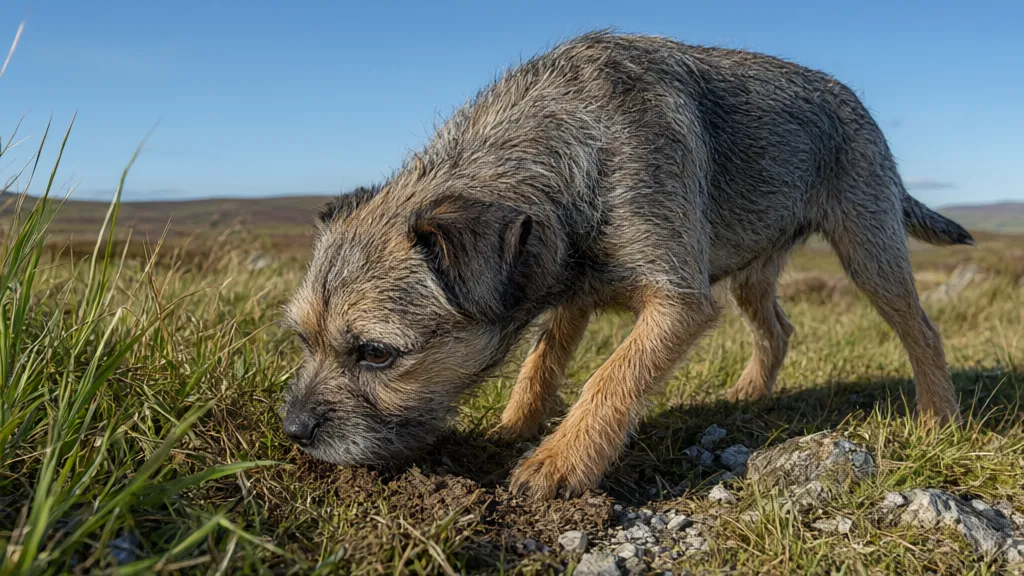
Border Terrier