Hydration and Your Dog: The Importance of Water in Diet
Water, the elixir of life, serves as more than just a thirst quencher for canine companions; it functions as a biochemical solvent and a fundamental component of physiological homeostasis. Without appropriate hydration, a dog’s intricate physiological orchestra cannot play its symphony, as water constitutes approximately 60-70% of a dog’s total body weight, a quantum that fluctuates in accordance with size, age, and metabolic activity. The cellular microcosm relies on a finely tuned balance of hydrophilic and hydrophobic interactions, where water facilitates enzyme activity, nutrient transport, and waste elimination. This essential fluid lubricates joints, cushions vital organs, and aids in the thermal regulation that especially important for a species originally bred for a variety of climates and working roles.
Within the domain of nutrition, the role of water in macronutrient metabolism is paramount. Proteins, carbohydrates, and lipids undergo hydrolysis, a process that cleaves chemical bonds via the incorporation of water molecules. The dynamic interplay between water and these macronutrients not only fosters energy production—by assisting in the conversion of glycogen to glucose—but also influences the absorption rates of amino acids and fatty acids into the bloodstream. Indeed, canine physiology is such that a deficit in water intake directly undermines nutrient bioavailability, rendering even the best quality diet ineffective if not complemented by adequate hydration.
The delicate balance of electrolytes in a dog’s body—predominantly sodium, potassium, and chloride—also hinges upon water. An optimal fluid intake ensures that these electrolytes can maintain neuromuscular contraction and contribute to the homeostatic control of blood pressure. In situations of excessive sweating or physical exertion—common in working breeds or during competitive activities—dogs can experience significant water loss. An understanding of the physiological repercussions is crucial; dehydration can lead to hypernatremia, a condition where excess sodium disrupts cellular osmotic pressure, thereby precipitating life-threatening complications.
Through selective breeding, dog breeds have evolved, each adapting to their respective roles and environments, thus presenting varying hydration needs. Working and sporting breeds often require higher water intake than less active companions, as their metabolic demands necessitate quick replenishment of fluids. Conversely, brachycephalic breeds may present unique challenges regarding hydration due to compromised respiratory function and physical exertion limits. Therefore, we must recognize that hydration is intrinsically variable, intertwined with breed characteristics, environmental factors, and an individual dog’s metabolic rate.
Now retrieving an image set.
Minties Mint Dental Chews for Dogs, Medium Breeds 25-50 lbs, 40 Ct | Vet-recommended mint dental bone; scrubs teeth as dogs chew; fights plaque, tartar & bad breath; no soy/wheat/corn
$16.94 (as of September 16, 2026 03:55 GMT +00:00 - More infoProduct prices and availability are accurate as of the date/time indicated and are subject to change. Any price and availability information displayed on [relevant Amazon Site(s), as applicable] at the time of purchase will apply to the purchase of this product.)The integration of water-rich foods into a dog’s diet can also amplify hydration levels. Fresh vegetables and fruits such as watermelon and cucumber not only provide vital vitamins and minerals but also serve the dual purpose of contributing to overall fluid intake. Moreover, the choice of a diet—be it dry kibble, wet food, or raw feeding—can dramatically impact hydration status. Although dry kibble presents benefits in dental health and convenience, the metabolic conversion of energy is markedly influenced by moisture content. Consequently, an enlightened approach to canine nutrition must encompass an awareness of water’s multifaceted role and its indispensable requirement in achieving a state of optimal health.
Identifying the subtle signs of dehydration in dogs is critical, as the often-silent peril can escalate to severe health consequences with alarming rapidity. Canines, adept at disguising their discomfort, may initially exhibit symptoms that manifest imperceptibly. Anorexia, a reduction in food consumption, often emerges as one of the earliest indicators; alongside this, behavioral changes, such as lethargy or increased irritability, may suggest an internal struggle unnoticed by vigilant owners. This behavioral shift serves as the dog’s strategic response, conserving energy while their physiological state deteriorates from inadequate hydration.
As dehydration progresses, specific physical signs become increasingly evident. One of the most reliable methods for assessing a dog’s hydration status involves skin elasticity, or turgor. When skin is gently pulled away from the body, it should quickly return to its original position. In a dehydrated state, however, the skin remains tented, a testament to lost fluid reserves. This simple yet insightful method can serve as a barometer of hydration, reflecting the wellness of the dog’s cellular environment. Furthermore, mucous membranes, particularly in the mouth, become dry and tacky, often betraying a chronically dehydrated state. Healthy gums should appear moist and pink, whereas dryness can indicate diminished blood volume and impending systemic distress.
Another critical indicator centers around the eyes; sunken or dull eyes signal severe dehydration, as the body shifts fluid away from less vital systems to preserve life. Coupled with changes in urine output—diminished frequency, darker coloration, or even the cessation of urination—these physiological responses underscore an urgent message: the dog’s body is struggling to maintain homeostasis. The color and consistency of urine serve as illuminating metrics; concentrated, dark urine often implies insufficient hydration, whereas the presence of clear, diluted urine reflects a body capable of well-regulated hydration.
Acute dehydration can escalate quickly from a mild state of distress to a critical condition, particularly during periods of heat exposure or strenuous exercise. Canine athletes, for example, engage in metabolic processes that significantly increase their fluid requirements. A diligent guardian must remain observant for signs of excessive panting, which can indicate both heat regulation challenges and possible dehydration, especially in breeds predisposed to respiratory difficulties. In limiting conditions, even mild dehydration can swiftly transition into heat exhaustion, manifesting in disorientation or collapse—a clear cry for immediate intervention.
Recognizing these signs is not merely an exercise in observation but rather an essential practice that exists at the intersection of compassion and responsibility. Understanding the multilayered nature of dehydration—and its potential to spiral into crises—compels an engaged response. An informed dog owner must possess not only knowledge of symptoms but also the agility to implement proactive measures that safeguard against this invisible adversary. A canine companion’s health is a delicate balance, and ensuring hydration is but one piece of that intricate puzzle, yet it remains a cornerstone of vitality.
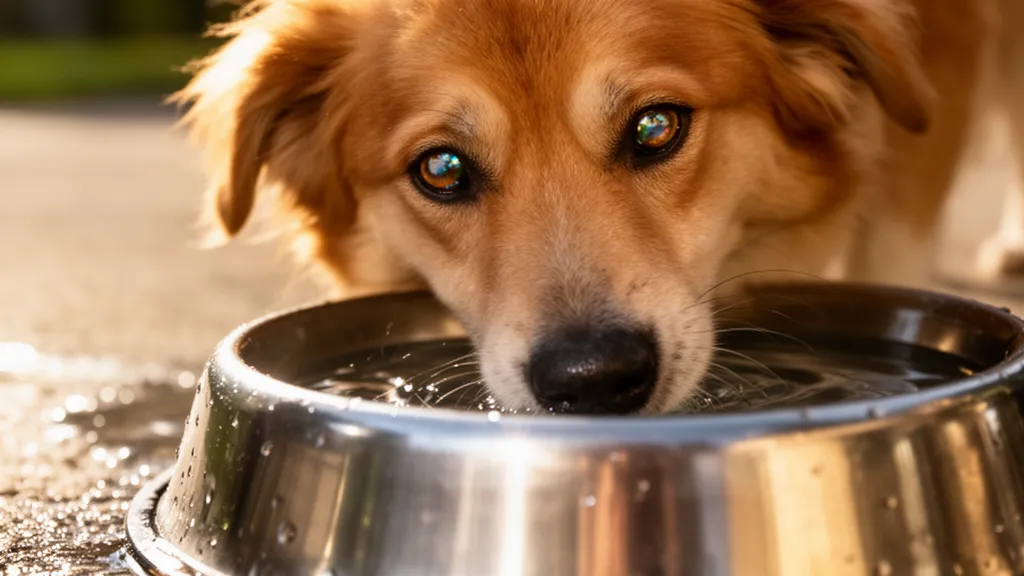
Ensuring that canine companions maintain optimal hydration requires a multifaceted strategy, woven from understanding, observation, and proactive management. First and foremost, it is vital for guardians to establish a consistent routine that encompasses access to fresh, clean water at all times. The mere presence of water is insufficient; it must be regularly replenished to avert stagnation and contamination, both of which can deter a dog’s willingness to drink. Incorporating stainless steel or ceramic bowls can promote hygiene and also discourage unwanted bacteria, as plastic vessels often harbor scratches that become breeding grounds for microbial life.
Moreover, the strategic placement of water bowls throughout the home can foster an environment encouraging fluid intake. Dogs, being creatures of habit and instinct, may not always seek hydration; therefore, placing bowls in areas where they frequently engage, such as near their resting spaces or play zones, acts as a gentle nudge towards enhanced fluid consumption. Experimenting with various bowl shapes and sizes can also be beneficial, as some dogs may prefer certain styles over others, influencing their willingness to hydrate.
For those canines who may be indifferent to plain water, consider elevating their drinking experience through infusions. A subtle enhancement through low-sodium chicken or beef broth can transform water into a flavorful treat, encouraging even the most reluctant sipper to indulge. Additionally, small quantities of electrolytic solutions, specifically formulated for pets, can replenish lost minerals in active or recovering dogs, embedding a nutritional focus within the hydration framework.
In instances where dogs are particularly predisposed to dehydration—whether through increased activity or environmental stressors—monitoring their fluid intake becomes paramount. Establishing a hydration log or using measuring cups to gauge daily consumption can unveil significant insights into a dog’s hydration status. This meticulous tracking will allow owners to identify potential shifts in drinking habits, signifying underlying health concerns that warrant veterinary attention. For example, a sudden decrease in water intake could herald onset of kidney issues or oral health struggles, harkening the need for a clinical intervention.
Another ingenious strategy involves food choices: embracing moisture-rich diets—such as canned formulas or raw diets—can seamlessly integrate hydration into the canine meal plan. These formulations not only supply vital nutrients but also contain significant water content, thereby reducing the reliance on independent drinking. Owners must remain cognizant, however, of the specific caloric and nutritional adjustments necessary to ensure these moist diets do not inadvertently lead to overconsumption of calories, particularly in less active dogs.
Furthermore, incorporating a daily hydration check into a wellness routine proves beneficial. Observing the consistency of a dog’s urine, as well as measuring frequency of urination, can provide clarity regarding hydration levels; such vigilant attention ensures a deeper connection to the dog’s physiological well-being. When combined with tactile assessments—like skin tenting tests—these methods empower caregivers with actionable insights rather than passive observations.
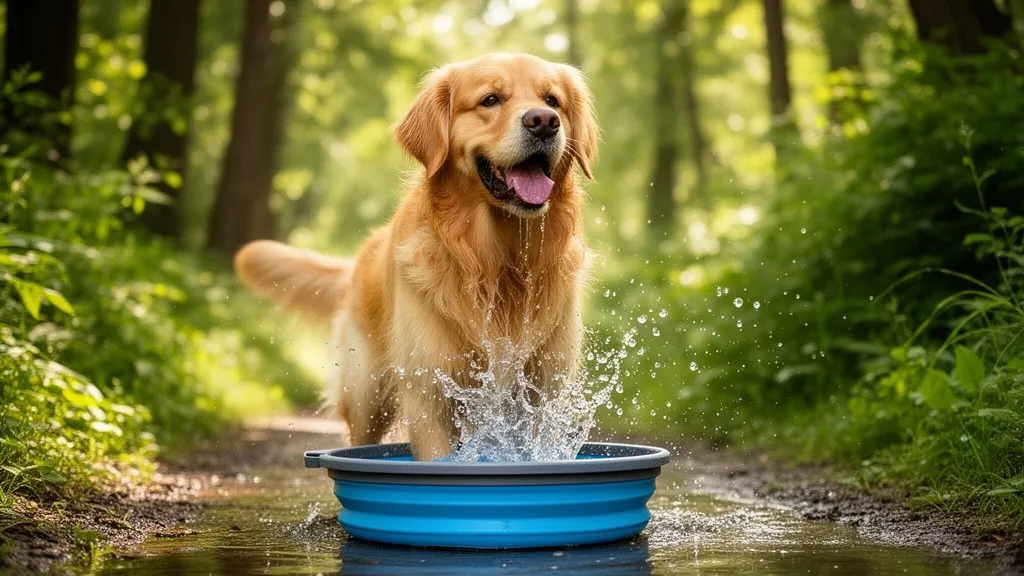
Engaging in outdoor activities or exercise presents opportunities for intentional hydration breaks. Providing water during walks or play sessions serves not merely as a biological necessity but also as a bonding moment between dog and owner. Carrying collapsible bowls or portable dog water bottles signifies preparedness, reinforcing the importance of hydration as a primary cornerstone in every canine activity. The social aspect of sharing a drink can enrich the relationship, marrying physiological need with emotional connection.
Through an intricate understanding of water’s role in canine health, dog owners can transition from passive observers to proactive stewards of hydration. Each strategy implemented, be it the enhancement of water palatability or conscious behavior modification, serves a dual purpose—bolstering hydration while fortifying the bond of trust and love between owner and dog. The pursuit of optimal hydration is representative of a broader commitment to health, embodying a holistic philosophy that harmonizes care with scientific understanding.
Related Posts
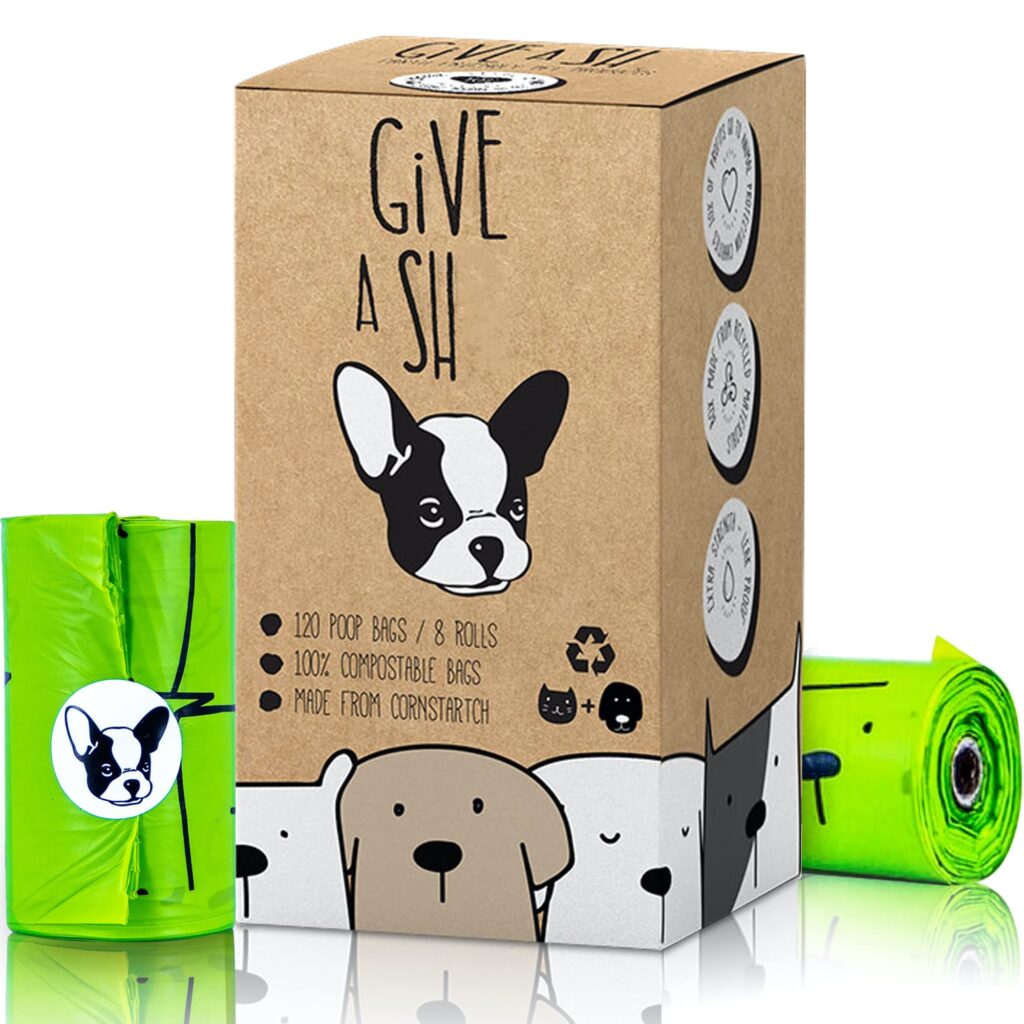
Certified Home Compostable Dog Poop Bags

The Link Between Diet and Canine Behavior