Choosing the Right Food for a Dog with Cancer
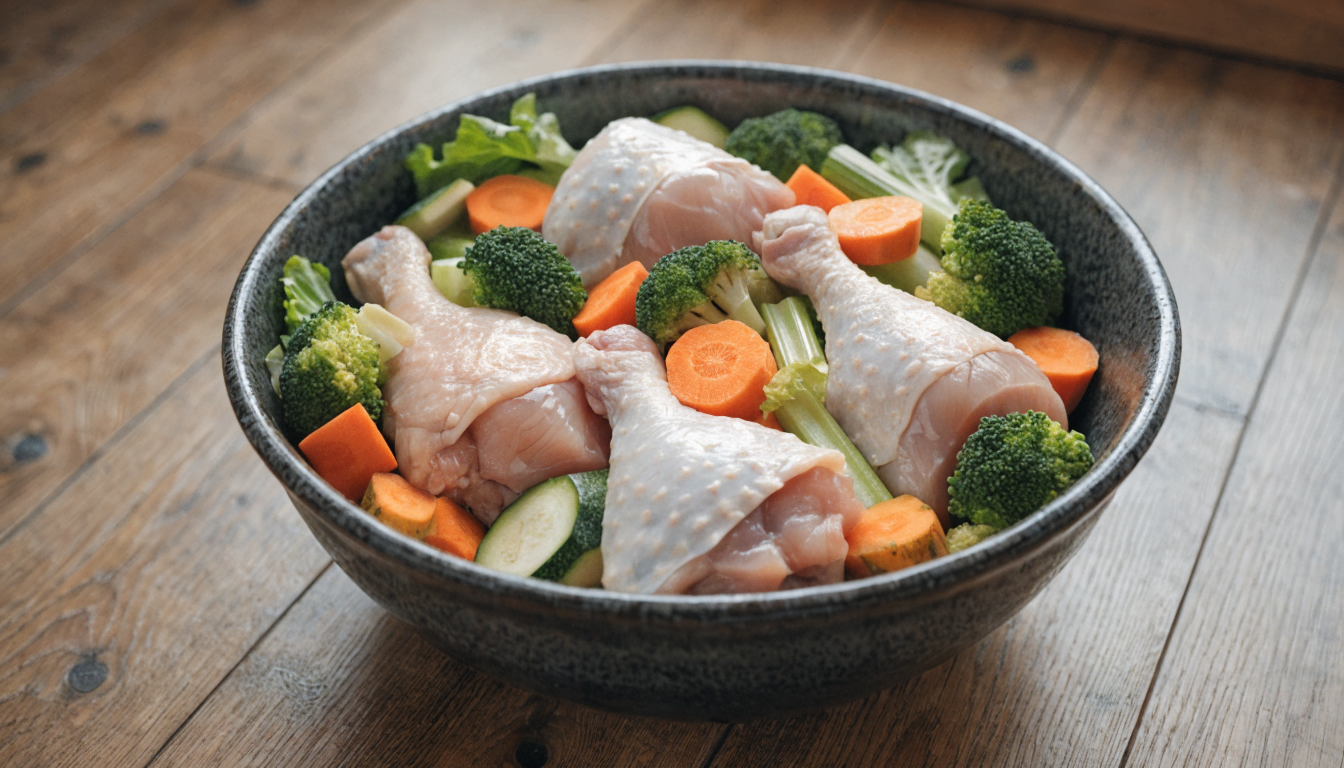
To understand the nutritional needs of dogs battling cancer, one must delve into the intricate biochemical tapestry that defines canine metabolism. Cancer cells, insatiable in their hunger, thrive on elevated levels of certain substrates such as glucose and amino acids. Hence, the dog’s nutritional paradigm must recalibrate to not only nourish but also to mitigate this cellular voracity. A cornerstone of this recalibration involves adjusting macronutrient ratios, particularly prioritizing proteins that are bioavailable and replete with essential amino acids such as arginine, which plays a pivotal role in immune function and tumor growth regulation.
Proteins serve as the building blocks of life, and for a dog with cancer, the quality of these proteins is paramount. Digestive enzymatic efficiency varies with the presence of neoplastic disease; thus, using a blend of highly digestible protein sources—like chicken, fish, or eggs—can optimize absorption. That’s where one’s choice of ingredients becomes as critical as the ratios themselves; low molecular weight peptides facilitate easier assimilation. Moreover, an emphasis on maintaining a constant supply of branched-chain amino acids (BCAAs) can support muscle preservation during catabolic states induced by cancer treatments.
The incorporation of lipids, particularly essential fatty acids (EFAs), unfolds another layer of this nutritional narrative. Omega-3 fatty acids, predominantly sourced from fish oil, exhibit anti-inflammatory properties and may inhibit tumor proliferation. Their unique structure enables them to integrate into cellular membranes, thereby enhancing membrane fluidity and the functionality of cellular communication. Conversely, omega-6 fatty acids, often prevalent in conventional canine diets, can promote inflammatory pathways when not carefully balanced. Hence, understanding the intricate interplay of these fats becomes imperative in any feeding strategy.
Micronutrients, though often overlooked, are equally pivotal in the orchestration of health amidst malignancy. Antioxidants such as vitamins C and E, alongside trace minerals like selenium and zinc, hold the keys to cellular defense against oxidative stress, a significant factor in cancer progression. A carefully formulated diet that harmonizes these nutrients reinforces the dog’s innate ability to combat the deleterious effects of chemotherapy and radiation. Furthermore, phytochemicals originating from vegetables—such as cruciferous greens—can be integrated for their cancer-fighting properties; compounds like sulforaphane have been noted for their ability to augment the detoxification pathways in the liver.
Now retrieving an image set.
Greenies Teenie Original Natural Dental Dog Treats, Chicken, 43 Count | Vet-recommended, cleaner teeth after 28 days, cleans to gumline, for dogs 5-15 lbs, original chicken flavor
$13.99 (as of September 9, 2026 02:15 GMT +00:00 - More infoProduct prices and availability are accurate as of the date/time indicated and are subject to change. Any price and availability information displayed on [relevant Amazon Site(s), as applicable] at the time of purchase will apply to the purchase of this product.)The metabolic demands imposed by cancer necessitate acute awareness of caloric intake and a constant reevaluation of feeding practices. Caloric intake should be tailored not only to the dog’s weight and activity level but also in consideration of the ongoing physiological stress manifested by the disease. A reduction in carbohydrate levels in favor of a higher fat and protein diet may be warranted to thwart insulin surges that can fuel tumor growth. This paradigm, often encapsulated in the term ‘ketogenic diets,’ has garnered attention for its potential therapeutic applications in canine oncology.
It’s essential to recognize that each dog’s journey with cancer is as unique as their genetic makeup and individual history. Close collaboration with a veterinary nutritionist can unearth personalized strategies, enabling pet owners to forge a diet that not only nourishes but also empowers their canine companion in this fight. Each bowl fed represents an opportunity to tilt the balance from mere survival to vibrant living—an invaluable endeavor in the quest for healing.
When it comes to the types of food to consider for dogs afflicted with cancer, the array of options can be as diverse as the myriad challenges presented by the disease itself. This diversity necessitates a tailored approach, one attuned to the individual dog’s condition, breed, age, and treatment regimen. Predominantly, diet formulations can be classified into three principal categories: commercial veterinary therapeutic diets, home-cooked meals, and raw food diets. Each of these categories carries its advantages and challenges, warranting careful consideration.
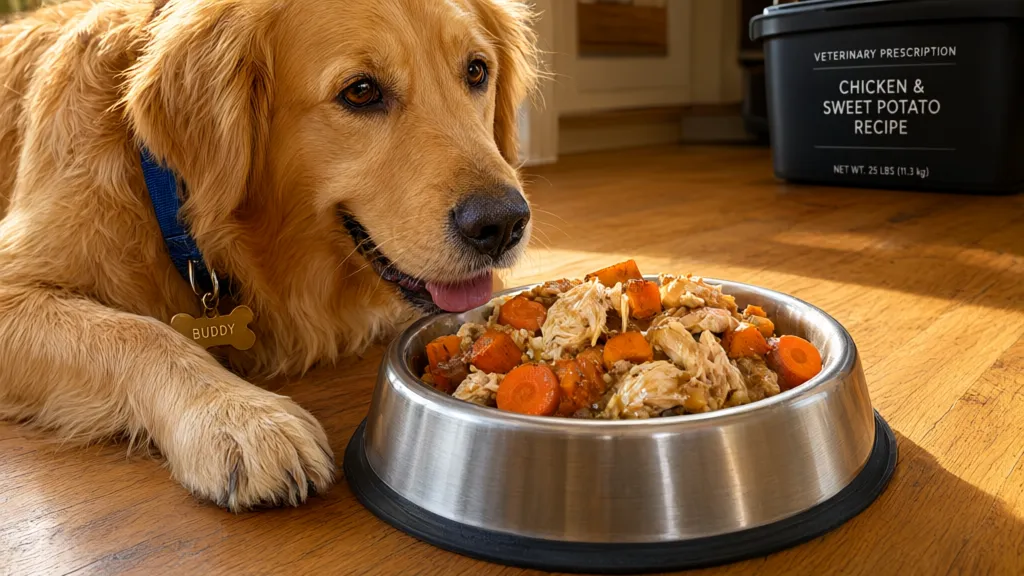
Commercial veterinary therapeutic diets have been meticulously engineered to meet the specific needs of dogs with cancer. These formulations often boast high digestibility and are fortified with beneficial nutrients designed to support immune function and combat cachexia—a syndrome characterized by severe weight loss and muscle wasting. The controlled macronutrient ratios—favoring proteins with a complete amino acid profile, alongside optimal levels of EFAs—align with metabolic needs reflecting both disease progression and treatment protocols. However, while these diets offer convenience and consistency, they may lack personalization. Pet owners should scrutinize ingredient lists closely, looking for high-quality proteins and minimal fillers, as these can undermine the nutritional integrity essential for a dog in this vulnerable state.
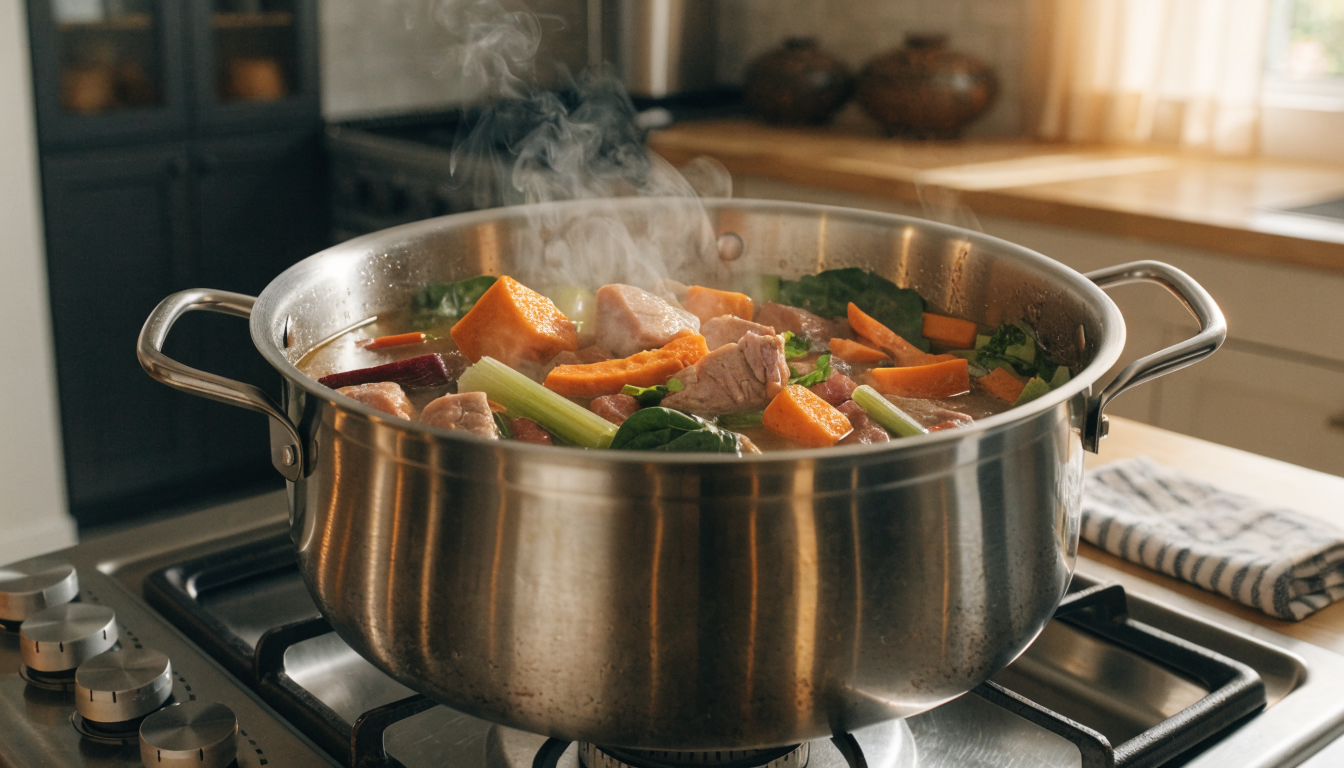
Home-cooked meals present an alluring alternative, enabling customizability and the assurance of ingredient integrity. This option allows the incorporation of nutrient-dense foods such as lean meats, sweet potatoes, and a variety of vegetables. Careful formulation is important here; implementing a balanced calcium-to-phosphorus ratio is essential to support skeletal health, especially in long-term dietary strategies. Furthermore, engaging a veterinary nutritionist in this process can assist in the inclusion of necessary vitamins and minerals, ensuring a diet that’s not only palatable but also biologically sound. The act of preparing food can also foster a deeper bond between the pet and the owner, turning mealtime into a ritual of love and care amid the stark realities of disease.
Raw food diets have gained traction among some dog owners, positing an ancestral approach to feeding, reminiscent of the diet of wild canines. Advocates argue that raw diets can provide a host of natural enzymes, probiotics, and a fresh source of proteins. However, the risks associated with raw feeding cannot be swept aside; concerns surrounding bacterial contamination, nutritional imbalances, and deficiencies in essential nutrients must be adeptly navigated. It’s paramount to emphasize the inclusion of organ meats, bones, and a variety of protein sources to achieve a balanced composition, ideally under the guidance of a veterinary expert. The unique biochemistry of the dog, particularly those grappling with cancer, demands critical thinking and deliberate actions to sidestep the pitfalls inherent in less structured diets.
Ultimately, the carapace of choice among these dietary modalities hinges upon the synthesis of scientific understanding and the nuanced therapeutic needs of the dog. Intricately evaluating the interplay of ingredients while considering the specific metabolic demands of cancer, pet owners can create a dietary tapestry that weaves together nourishment, health, and an indomitable spirit. In clinical practice, empirical studies reveal that dogs show marked improvement in overall vitality and quality of life when fed diets thoughtfully curated to their unique challenges, underscoring the profound impact of nutritional strategy in their comprehensive care journey.
Related Posts

A Guide to Holistic Dog Health Care
Prescription Diets for Dogs: When and Why They’re Needed