Canine Superfoods: What Are They and Why They Matter
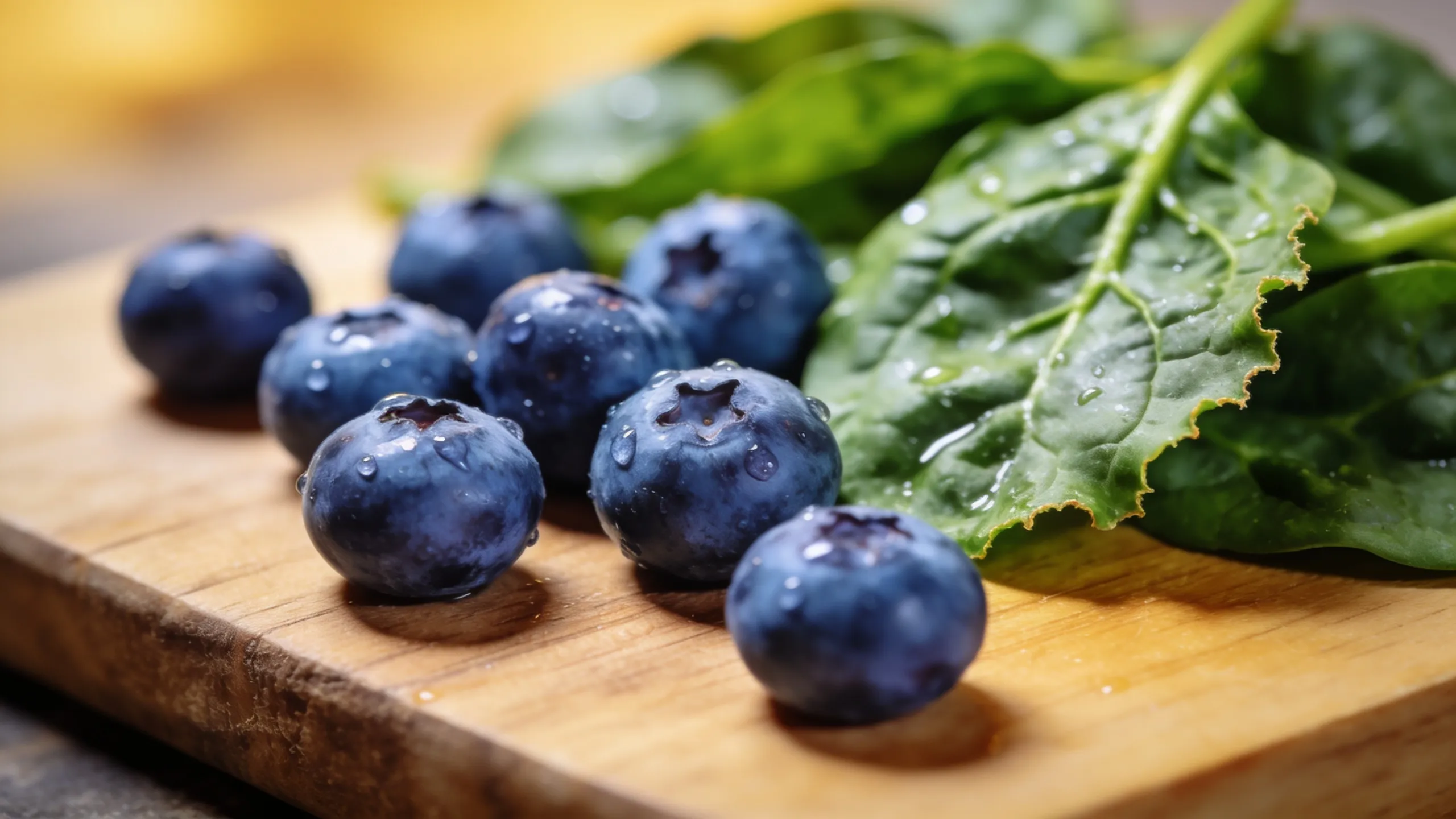
Canine superfoods are nutrient-dense foods that provide significant health benefits, enhancing the overall well-being of dogs through their rich profiles of vitamins, minerals, antioxidants, and omega fatty acids. These foods often have specific phytochemicals—such as polyphenols and carotenoids—that play critical roles in combating oxidative stress and reducing inflammation. Research indicates that ingredients like blueberries and spinach have elevated levels of anthocyanins and vitamins C and K, supporting cognitive health and immune function, particularly in aging dogs where neurodegeneration is a concern. Additionally, superfoods such as quinoa and sweet potatoes are not only high in dietary fiber but also offer a balanced source of complex carbohydrates, which are crucial in maintaining stable energy levels and a healthy gut microbiome.
The effectiveness of superfoods varies among breeds due to genetic predispositions influencing metabolism and nutritional needs. Breeds with higher activity levels, such as Border Collies, may benefit more from protein-dense superfoods like salmon and green-lipped mussels that support muscle recovery and joint health. Conversely, brachycephalic breeds, such as Bulldogs and Pugs, are more susceptible to weight gain and may require calorie-conscious superfood options like pumpkin, which also aids in digestion. Recognizing these breed-specific nuances is essential for optimizing dietary interventions.
Age and health status are critical factors in determining the appropriate incorporation of superfoods in a dog’s diet. Puppies, for instance, are in a critical developmental phase requiring higher levels of DHA and EPA for brain development, which are readily available in fish oil or flaxseed. In contrast, older dogs can benefit from superfoods rich in antioxidants to mitigate age-related decline. It is also vital to monitor for any adverse reactions; while most superfoods are safe, individual sensitivities can lead to gastrointestinal distress or allergies. Look for early signs such as vomiting, diarrhea, or skin reactions to new foods.
Environmental influences, such as exposure to toxins or stressors, can exacerbate health issues. For instance, dogs subjected to high-stress environments may require increased levels of omega fatty acids found in chia seeds or hemp seed oil, which contribute to the maintenance of healthy skin and coat as well as overall stress management. Incorporating superfoods should always be done with consideration for the dog’s total diet, ensuring that these nutrient-dense options supplement rather than replace balanced and complete dog food, preventing potential nutrient imbalances. Consulting with a veterinarian or a nutrition specialist is advisable to tailor superfood inclusion according to individual health profiles and dietary needs.
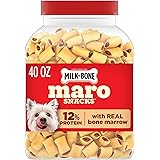
Milk-Bone MaroSnacks Small Dog Treats with Real Bone Marrow, 40 Oz. | Dog treats with 12% protein
$11.48 (as of October 23, 2026 12:02 GMT +00:00 - More infoProduct prices and availability are accurate as of the date/time indicated and are subject to change. Any price and availability information displayed on [relevant Amazon Site(s), as applicable] at the time of purchase will apply to the purchase of this product.)Benefits of superfoods for dogs
Superfoods confer a myriad of health benefits for dogs, primarily through their concentrated nutrient profiles that address specific physiological needs. Rich in antioxidants, vitamins, and anti-inflammatory properties, these foods can significantly enhance cellular health, combat oxidative stress, and improve overall vitality. For instance, the inclusion of blueberries is associated with improved cognitive function due to their high levels of flavonoids, which have been linked to enhanced neuroprotection in aging populations.
One of the critical benefits of superfoods is their role in promoting a healthy immune system. Ingredients such as kale and broccoli are packed with vitamins A, C, and K, which are vital for maintaining optimal immune response. Moreover, certain superfoods like turmeric contain curcumin, a compound noted for its anti-inflammatory and immune-boosting properties, beneficial not only for regular health maintenance but also for dogs suffering from chronic conditions such as arthritis.
The high fiber content found in many superfoods, such as sweet potatoes and pumpkin, plays a pivotal role in digestive health. Fiber aids in the regulation of bowel movements and can significantly enhance gut microbiota diversity, contributing to improved nutrient absorption. Dogs facing gastrointestinal issues may derive notable improvements from a tailored inclusion of these fiber-rich options, alongside probiotics, to stabilize gut health.
Moreover, some superfoods provide specific metabolic advantages. For instance, green-lipped mussels are particularly noted for their omega-3 fatty acid content, which is important for reducing inflammation in joints and improving overall mobility. Breeds prone to degenerative joint diseases, like Labrador Retrievers and German Shepherds, can experience improved mobility and comfort through the strategic incorporation of these superfoods, enhancing their quality of life.
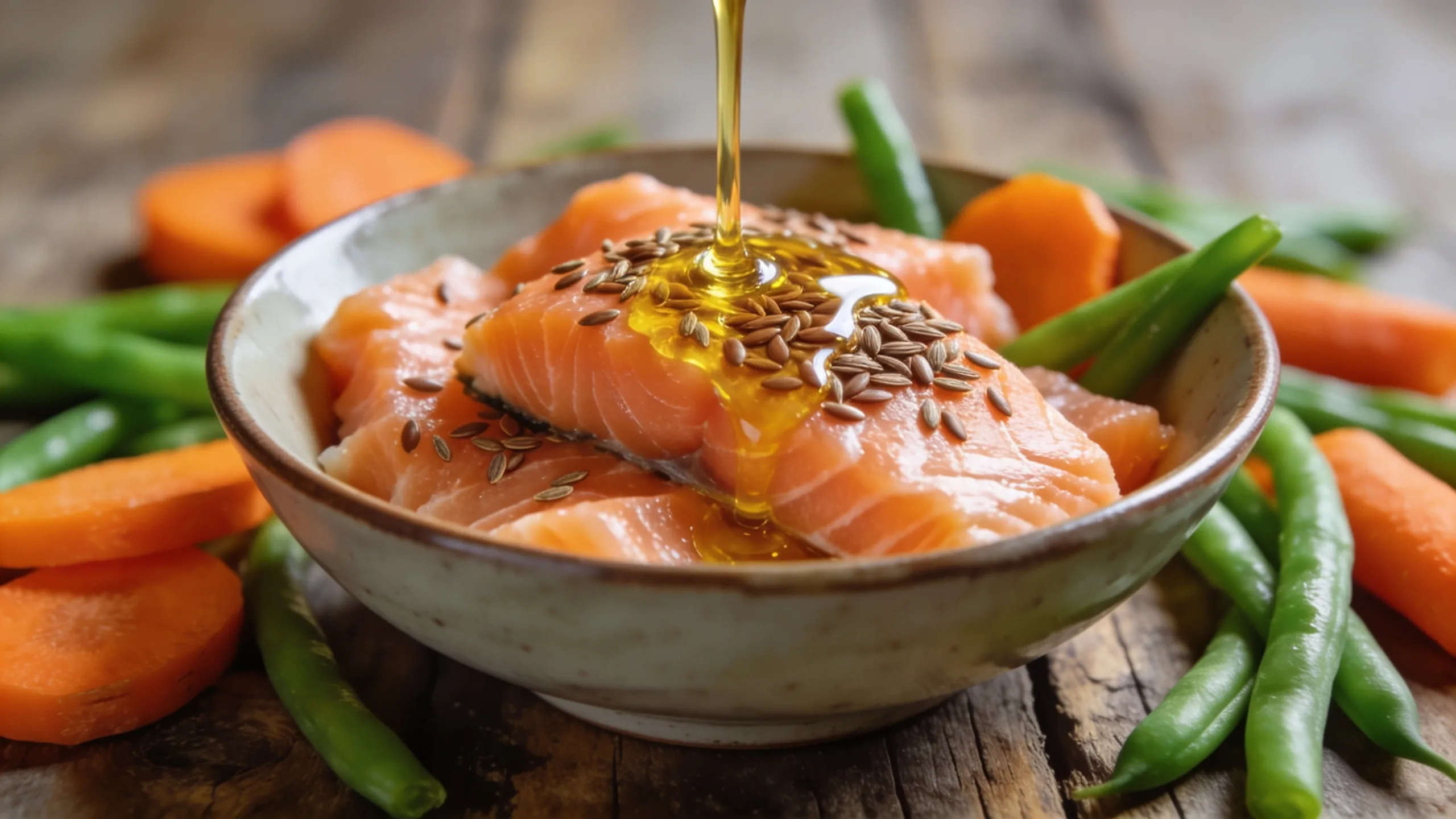
Incorporating superfoods into a dog’s diet also has implications for coat health. Ingredients like salmon and flaxseed oil, rich in omega-3 fatty acids, can improve skin hydration and reduce the incidence of dermatitis. Observing the luster and texture of the coat can serve as an immediate indicator of dietary effectiveness. Notably, if a dog exhibits dull fur or increased scratching, a dietary adjustment incorporating such fatty acid-rich superfoods may be warranted to address potential deficiencies.
It’s imperative, however, to introduce these nutrient-dense foods judiciously. Assessing the dog’s overall caloric intake and potential allergic reactions is critical, given that some canines may experience sensitivities that require prompt identification and management. Close attention to any abrupt changes in behavior or health status following the introduction of superfoods can guide future dietary decisions.
Incorporating superfoods into your dog’s diet
Incorporating superfoods into a dog’s diet requires a structured approach to ensure nutritional balance while maximizing the benefits of these nutrient-dense foods. Start by introducing superfoods gradually to prevent gastrointestinal disturbances. A common strategy involves mixing small amounts of superfoods into the dog’s regular food, progressively increasing the ratio over several days. This method not only eases the digestive transition but also allows for the owner to monitor the dog’s reaction to new ingredients.
For breeds like Greyhounds or Jack Russell Terriers, which have faster metabolism rates, incorporating lean protein superfoods like chicken or turkey can enhance muscle mass and energy levels. Conversely, larger breeds, particularly predisposed to obesity such as Beagles or Corgis, should integrate superfoods with lower calorie profiles, such as carrots or green beans, to mitigate weight gain while still providing essential nutrients. Observing changes in body condition score and performance during exercise will guide adjustments in superfood quantities.
Timing and frequency of superfood incorporation are also important. For example, including omega-3 rich foods after vigorous activity promotes recovery through reduced inflammation, particularly for working or sporting dogs. For dogs with chronic conditions, superfoods with anti-inflammatory properties, such as turmeric or ginger, should be administered consistently for cumulative effects on health. Monitor for flare-ups or reductions in symptoms, which can indicate optimal superfood inclusion.
Another critical factor is tailoring superfood selection to individual health profiles. Dogs with specific health concerns, such as pancreatitis, should avoid high-fat superfoods, whereas those recovering from surgery may benefit from protein-rich options coupled with digestible carbohydrates like sweet potatoes. When incorporating superfoods, weight, age, and physical activity levels should dictate portion sizes and frequency. Tracking body weight and overall activity can help measure the effectiveness of dietary changes.
When preparing superfood recipes, owners should ensure that any added ingredients are safe for canine consumption. Foods like garlic, onion, and grapes are toxic to dogs and must be avoided. Additionally, preparation methods matter; steaming vegetables often retains more nutrients compared to boiling. Superfoods can also be incorporated into homemade treats, offering a rewarding approach to encourage positive behaviors while enhancing nutritional intake.
Each dog is unique, and owners must observe variations in energy levels, coat quality, and overall demeanor to assess the dietary adjustments’ impacts accurately. Regular veterinary check-ups can facilitate ongoing evaluation of dietary strategies, especially for senior dogs where nutritional needs evolve with age. By adopting an individualized approach to incorporating superfoods, owners can effectively enhance their dogs’ health and quality of life.
Related Posts

How to Transition Your Dog to a New Diet Safely

Calming Dog Bed Mat