Border Terrier
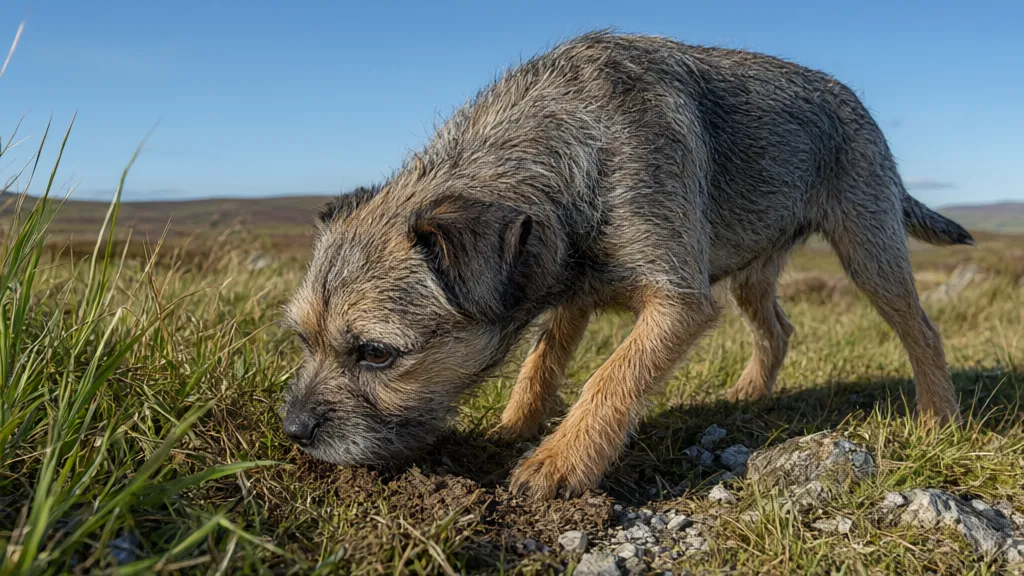
The Border Terrier’s lineage is deeply rooted in the rugged terrains of the border between England and Scotland, evolving primarily to assist in controlling vermin populations, especially foxes. They were bred for stamina, agility, and a keen sense of smell, traits that were essential for their original function as hunting companions. The breed exhibits a blend of ancestry from the now-extinct rough-coated terriers and regional working breeds. This selective breeding aimed to develop a small yet resilient dog capable of pursuing game into the dens, demonstrating both a rugged structure and energetic disposition.
An essential historical context surrounds the development of the Border Terrier; they were often a preferred choice among farmers and gamekeepers for their versatility in handling various pests. Their strong prey drive and tenacity are attributes that arise from centuries of natural selection, fostering behaviors customized for hunting and retrieving. The breed’s recognition can be traced back to the late 19th century when the Border Terrier gained formal acknowledgment, leading to the establishment of breed standards. The first recorded mention is found in the 1880s, while the Border Terrier Club was formed in 1920, reflecting growing interest and commitment to maintaining the breed’s unique characteristics.
The physical attributes of the Border Terrier were influenced by their working environment. They developed a dense, wiry coat that not only provides protection against the elements but also minimizes injury when navigating through rough underbrush. The compact size facilitates agility and maneuverability in diverse terrains, supporting their role as effective hunters. Genetic assessments indicate a significant relationship with various terriers, notably the Bedlington and the smooth-coated Fox Terrier, highlighting the importance of crossbreeding in developing endurance and resilience.
Historically, this breed has been shaped by environmental factors and human intervention, which directed its physical and behavioral traits toward specific functional competences. This duality—combining a fierce hunting instinct with a temperament suited for companionship—can be traced through detailed accounts of their roles within rural communities. As farming methods transitioned, so did the role of the Border Terrier; from being primarily a work dog to a cherished family pet, yet still retaining inherent behaviors that reflect its hunting lineage.

Now retrieving an image set.
C.E.T. Enzymatic Toothpaste for Dogs and Cats, Poultry, 2.5oz | Plaque and tartar control for fresh breath, pet dental care toothpaste, Dual enzyme system, poultry flavored toothpaste
$11.37 (as of September 20, 2026 04:12 GMT +00:00 - More infoProduct prices and availability are accurate as of the date/time indicated and are subject to change. Any price and availability information displayed on [relevant Amazon Site(s), as applicable] at the time of purchase will apply to the purchase of this product.)Understanding the history of the Border Terrier especially important for responsible ownership, particularly in creating an environment that satisfies their need for physical activity and mental stimulation. Owners can benefit from this historical insight by providing opportunities for tasks that simulate their original working roles, thereby enhancing overall behavioral health. This cultivated lineage fosters a breed characterized by loyalty, intelligence, and an undeniable zest for life, making the comprehension of their heritage vital for effectively meeting their needs.
Physical characteristics
The Border Terrier is characterized by its distinct physical attributes, which have evolved to support its historical role as a working dog. Typically measuring between 10 to 11 inches at the shoulder and weighing about 11.5 to 15.5 pounds, this breed’s sturdy build allows it to maneuver through challenging terrains while exhibiting agility and endurance. The compact conformation ensures that the dog remains swift and capable, essential traits for pursuing quarry through dens and underbrush.
One of the most notable features is the Border Terrier’s dense, wiry coat, which serves multiple purposes. This coat is approximately 1 to 1.5 inches long and water-resistant, offering protection from harsh weather and bramble while minimizing the risk of injury during pursuit. The coat colors vary, commonly seen in grizzle and tan, blue and tan, or red, each reflecting the breed’s heritage and providing effective camouflage in their natural environment. Regular maintenance of this coat is necessary to prevent matting and to preserve its insulating properties, which are crucial for temperature regulation and skin health.
The breed’s head is distinct, featuring a moderate width with a rounded skull and strong jaws, essential for grasping prey. The Border Terrier’s expressive dark eyes convey intelligence and alertness, indicative of its high cognitive function, which is a vital aspect of its behavior and training potential. The ears are V-shaped and fold over, further adding to their keen expression and providing an optimal auditory range to detect subtle changes in their surroundings, enhancing their ability to perform as working dogs.
The skeletal structure of the Border Terrier is robust and balanced, ensuring not only strength but also agility. With well-defined muscle tone, these dogs exhibit a physique capable of sustained activity, making them ideal for various canine sports and physically demanding tasks. This innate athleticism should be nurtured through structured exercise regimens that include both physical and mental challenges to prevent behavioral issues stemming from boredom or pent-up energy.
Genetic predisposition plays a role in the physical characteristics of the Border Terrier. Genetic health evaluations reveal a relatively low incidence of hereditary diseases, but certain conditions such as patellar luxation, hip dysplasia, and allergies can arise. Responsible breeding practices focusing on genetic diversity remain essential in preserving their health while maintaining the breed’s specific traits. Monitoring body condition and implementing appropriate nutritional strategies will help in managing their health, ensuring they remain active and free of obesity, which can compromise their mobility and energy levels.
Temperament and behavior
The temperament of the Border Terrier is a product of its working heritage, imparting qualities such as alertness, tenacity, and an inherent desire to chase. While typically described as affectionate and loyal to their families, these traits can be linked back to their historical role as companions in hunting and farm work. Socialization is crucial; early exposure to various people, animals, and environments allows them to develop a more rounded disposition, reducing the risk of fearfulness or overly aggressive tendencies. Owners should prioritize balanced interactions to cultivate confidence and discourage unwanted behaviors.

The breed exhibits a strong prey drive, manifesting in behaviors such as chasing small animals. This instinct stems from their ancestry as vermin hunters, which influences both training methods and the management of their day-to-day interactions. To mitigate potential conflicts, it is vital to supervise interactions with small pets and be aware of environmental cues that may trigger stalking or chasing behaviors. Providing regular exercise through activities like fetch or agility training can channel this energy positively, reducing the likelihood of destructive tendencies driven by boredom.
<p.Border Terriers display a notable level of intelligence, making them highly trainable when appropriate techniques are applied. Positive reinforcement strategies, such as clicker training, yield the best results, capitalizing on their eagerness to please. The use of high-value rewards strengthens learning during training sessions. However, owners must remain consistent and patient, as these dogs can demonstrate stubbornness—a trait that reflects their independent streak fostered during their hunting days. Training sessions should be short and engaging to prevent frustration and maintain their interest.
<p.In addition to physical exercise, mental stimulation is critical for this breed. Puzzle toys, scent work, and obedience challenges cater to their inquisitive nature and can prevent behavioral issues resulting from inadequate stimulation. Observing their responses to different activities can provide insight into individual preferences, allowing owners to tailor enrichment experiences. Recognizing their need for both physical and mental engagement fosters a more balanced and well-mannered dog.
<p.Another aspect of the Border Terrier's behavior is their adaptability to varied living environments, although they thrive in settings that provide ample outdoor space. A lack of engagement or exercise can lead to increased anxiety or hyperactivity, thus detracting from the qualities inherent to this breed. Daily routines should integrate opportunities for exploration and stimulation, reflecting their historical function as working dogs. Agility training or interactive play with other dogs can enhance their social skills while ensuring they maintain an appropriate outlet for their natural instincts.
<p.Owners should remain alert to observable changes in behavior, as these could indicate health issues or stressors in the environment. Sudden aggression, excessive barking, or withdrawal can be early signs of discomfort or illness. Regular veterinary check-ups emphasize both physical health and behavioral assessments, allowing for early intervention should issues arise. Prioritizing a well-structured training, socialization, and enrichment plan ultimately optimizes the Border Terrier’s temperament, aligning it with their advantageous traits rooted in their lineage.
Care and grooming
Maintaining the health and appearance of a Border Terrier involves a specialized approach to grooming and overall care, considering their unique physical attributes and energetic nature. Regular grooming sessions play a critical role in retaining the quality of their wiry coat, which requires brushing at least twice a week. Using a slicker brush or comb helps remove loose hair and debris while preventing matting. Consideration must also be given to the undercoat; although Border Terriers have minimal undercoat, seasonal shedding may require more frequent attention. During heavier shedding periods, using a deshedding tool can aid in managing the coat’s integrity.
The wiry texture of their fur is designed to repel water and bramble, but proper coat care is essential for skin health. Bathing should be minimized unless the dog is noticeably dirty or has an odor; over-bathing can strip essential natural oils, leading to skin irritation. When shampooing is necessary, select a mild, hypoallergenic product to prevent allergic reactions or dryness. Post-bath, ensure thorough drying to avoid skin issues associated with damp fur.
Ear health is important, as the folded V-shaped ears can trap moisture and debris, predisposing them to infections. Regular checks—ideally once a week—should be conducted, with gentle cleaning using a veterinarian-recommended ear cleaner to prevent wax buildup. Observing for signs of discomfort or unusual odors can help catch potential infections early.
Nail trimming is another important component of grooming, with a focus on maintaining a length that prevents discomfort during mobility. Monthly trimming is generally sufficient, although individual activity levels can necessitate more frequent trimming. Observing walking behavior will indicate if they require more regular attention to their nails.
Dental health is also a major consideration; brushing their teeth two to three times a week can prevent periodontal disease, which is common in small breeds. Incorporating dental chews or toys designed for tartar control can aid in maintaining oral hygiene, supporting overall health and longevity.
Nutrition must align with their active lifestyle. A high-quality, balanced diet tailored for small breeds is essential to meet their energy needs. The caloric content should be carefully managed to prevent obesity, a condition that can restrict mobility and exacerbate joint issues such as patellar luxation. Adjustments to their diet should also accommodate their life stage, with puppies requiring higher protein levels for growth and seniors benefiting from diets supportive of joint health.
Hydration is equally vital, with access to fresh water at all times. Monitoring water intake can be a significant health indicator; reduced consumption may suggest health issues requiring veterinary attention. Incorporating fresh fruits and vegetables as treats can provide additional nutrients while serving as a low-calorie alternative to high-fat snacks.
A comprehensive health care plan, including regular veterinary check-ups, vaccinations, and parasite control, will ensure early detection of potential health issues. Observations of behavioral changes, along with health screenings, form an integral part of proactive care. By adhering to a structured grooming and care regimen tailored specifically to the needs of the Border Terrier, owners can promote a thriving, healthy companion.
Related Posts

Certified Home Compostable Dog Poop Bags

The Link Between Diet and Canine Behavior