Black Russian Terrier
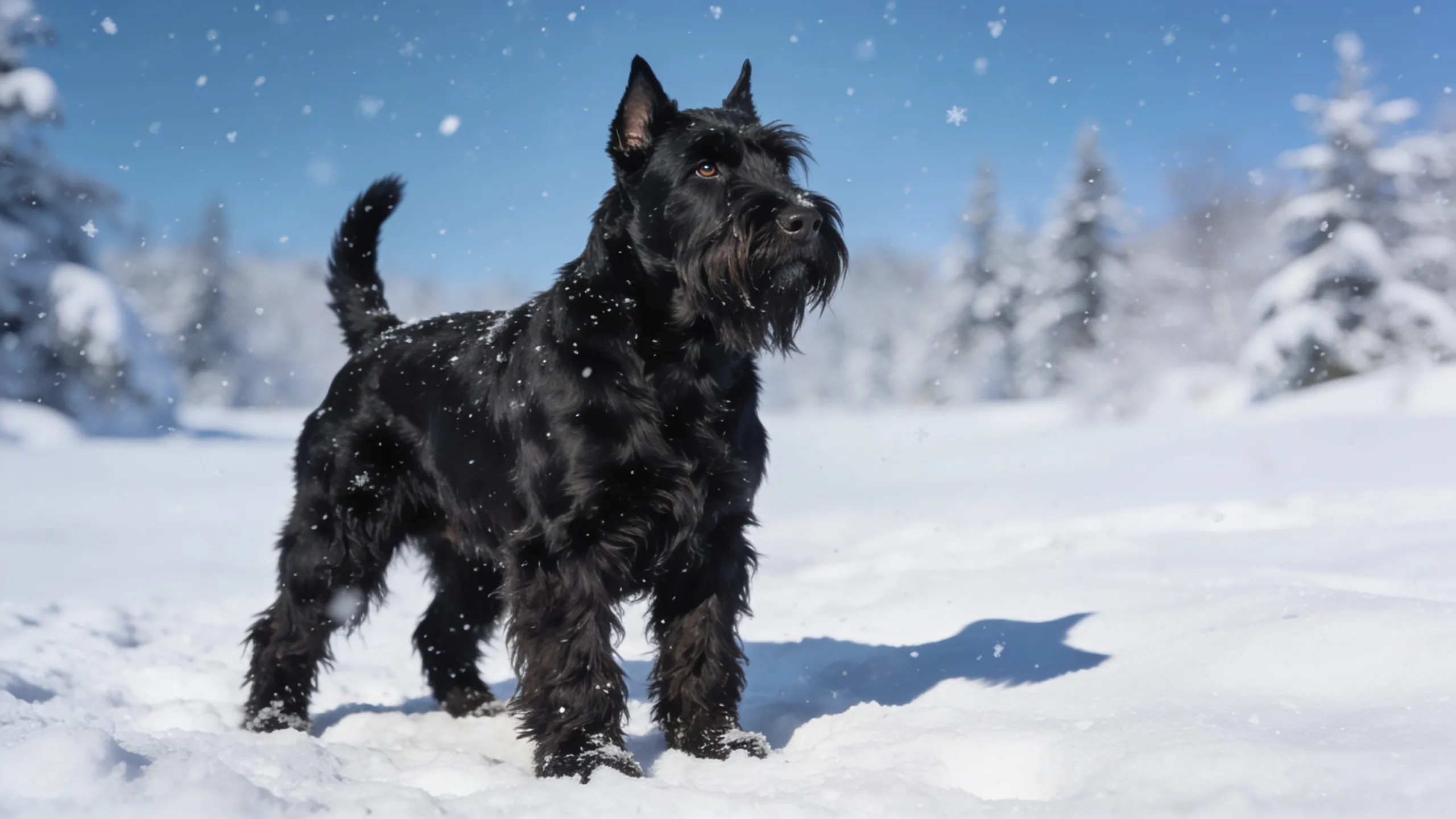
The Black Russian Terrier, developed in the 1940s by the Soviet Red Army, was bred primarily to serve as a versatile working dog within military and guard contexts. The breed emerged from a combination of breeds including the Airedale Terrier, Rottweiler, and various giant breeds, selected for their strength, intelligence, and trainability. This selective breeding aimed to create a dog adept in a variety of environmental conditions, thus enhancing the furry soldier’s resilience and reliability.
The breed’s formative purpose necessitated a strong, confident, and adaptable canine that could perform tasks such as guarding and herding, while also possessing a calm demeanor around civilians. The rigorous selection process focused on blending the distinct traits of each contributing breed, ensuring that the Black Russian Terrier exhibited an imposing stature coupled with the protective instincts needed for its roles. Genetic evaluations reveal that the breed’s foundational traits include assertiveness without aggression, a keen alertness to potential threats, and the ability to form strong bonds with handlers.
Historically, the Black Russian Terrier was used in various capacities, including patrolling military installations and providing companionship to soldiers. The strategic breeding program conducted by military canine specialists aimed to optimize the breed’s physical and behavioral attributes to suit specific operational needs, resulting in a robust working dog capable of performing in diverse environments. This military lineage directly impacts the breed’s current behavioral tendencies, namely their high drive for work, loyalty, and an intrinsic need for purpose-driven tasks.
The breed was recognized by the Soviet Union’s Ministry of Defense in 1957, marking its formal acceptance within canine registries. The breed’s emergence from a utilitarian background renders it more susceptible to certain inherited health conditions, primarily joint dysplasia and cardiac issues, which can stem from its large size and active lifestyle. Potential owners should be informed of these predispositions, as early screening and responsible breeding practices play an important role in the breed’s long-term health and viability.

Greenies Pill Pockets Large Size Dog Treats, Peanut Butter, 15.8 oz | Vet-recommended, masks pill smell & taste, moldable texture, capsule size, natural ingredients, no fillers, 15.8 oz. pouch
$19.96 (as of October 13, 2026 10:23 GMT +00:00 - More infoProduct prices and availability are accurate as of the date/time indicated and are subject to change. Any price and availability information displayed on [relevant Amazon Site(s), as applicable] at the time of purchase will apply to the purchase of this product.)As the breed entered civilian hands, it became popular among dog enthusiasts due to its unique blend of physical prowess and versatility. Breeders began to prioritize not only the working capabilities but also temperamental suitability for family environments, resulting in variations within temperament based on lineage. Ongoing efforts in breed improvement focus on maintaining the Moscow Working Dog characteristics while ensuring a manageable temperament for non-professional handlers, thus expanding the Black Russian Terrier’s appeal beyond military applications.
Physical characteristics
The Black Russian Terrier exhibits a robust and powerful physique, characterized by a dense double coat that provides protection against harsh weather conditions. The outer coat is coarse and wiry, while the undercoat is soft and insulating. This dual-layer coat serves a functional role in the breed’s historical environments, offering both warmth and a degree of water resistance. Proper grooming is vital to prevent matting and to maintain skin health; a thorough combing is required at least once a week, with additional attention during shedding periods.
Adult Black Russian Terriers typically stand between 26 to 30 inches at the shoulder, with males generally larger than females. Weighing between 80 to 140 pounds, their substantial size is complemented by a sturdy skeletal structure. The broad head is strong with a well-defined stop, contributing to an imposing appearance. This breed is particularly noted for its strong jaws, which are built for work, especially in guarding and protection scenarios. Owners should be aware that this structure supports their physical capabilities but necessitates balanced nutrition to prevent obesity, which can exacerbate joint issues, particularly hip and elbow dysplasia.
The breed’s movement is characterized by a powerful, flowing gait, indicative of their working dog heritage. Black Russian Terriers were developed to work efficiently over various terrains, making observation of stride and posture important indicators of their health status. Any visible limping or difficulty in movement could indicate underlying musculoskeletal concerns that warrant veterinary assessment. The breed’s ears are medium-sized, typically hanging close to the head, contributing to its alert expression, while the eyes are dark and oval-shaped, conveying intelligence and a strong bond with their human companions.
Coloration in Black Russian Terriers varies primarily within the black spectrum, from solid black to black with small white markings on the chest. This color predisposition can influence perceptions regarding heat absorption and visibility in outdoor environments. Furthermore, coat color may also affect the breed’s exposure to skin issues; regular dermatological checks are advisable to prevent and address potential skin allergies or irritations.
As the breed is relatively young in the canine evolutionary context, understanding the implications of their genetic makeup on health is important for owners. Consistent health monitoring, including elbow and hip scoring, cardiac evaluations, and regular veterinary checkups, are critical for managing potential inherited conditions. Overall, the Black Russian Terrier’s imposing physical characteristics and unique grooming needs require dedicated care, which is important for ensuring their health and longevity.
Temperament and personality
The Black Russian Terrier’s temperament is a direct manifestation of its historical roles as a working and guarding dog, which significantly influences its behavioral traits. This breed exhibits a strong, confident demeanor that fosters effective guarding instincts. While their inherent assertiveness can manifest as protectiveness, it is critical for owners to foster a balanced temperament through appropriate training and socialization. Early exposure to diverse environments and experiences is essential to mitigate potential anxiety or reserved behavior towards unfamiliar stimuli or individuals.
Distinct behavioral traits stem from the breed’s genetic background; they display a pronounced loyalty to their families and handlers. This loyalty can border on protectiveness, leading to suspicion of strangers and new situations. Owners should implement a structured socialization program to mitigate overly protective instincts, exposing the dog to various people, animals, and environments gradually from puppyhood. Observational cues, such as body posture and vocalization, can indicate discomfort or wariness, guiding handlers to intervene and foster positive interactions.
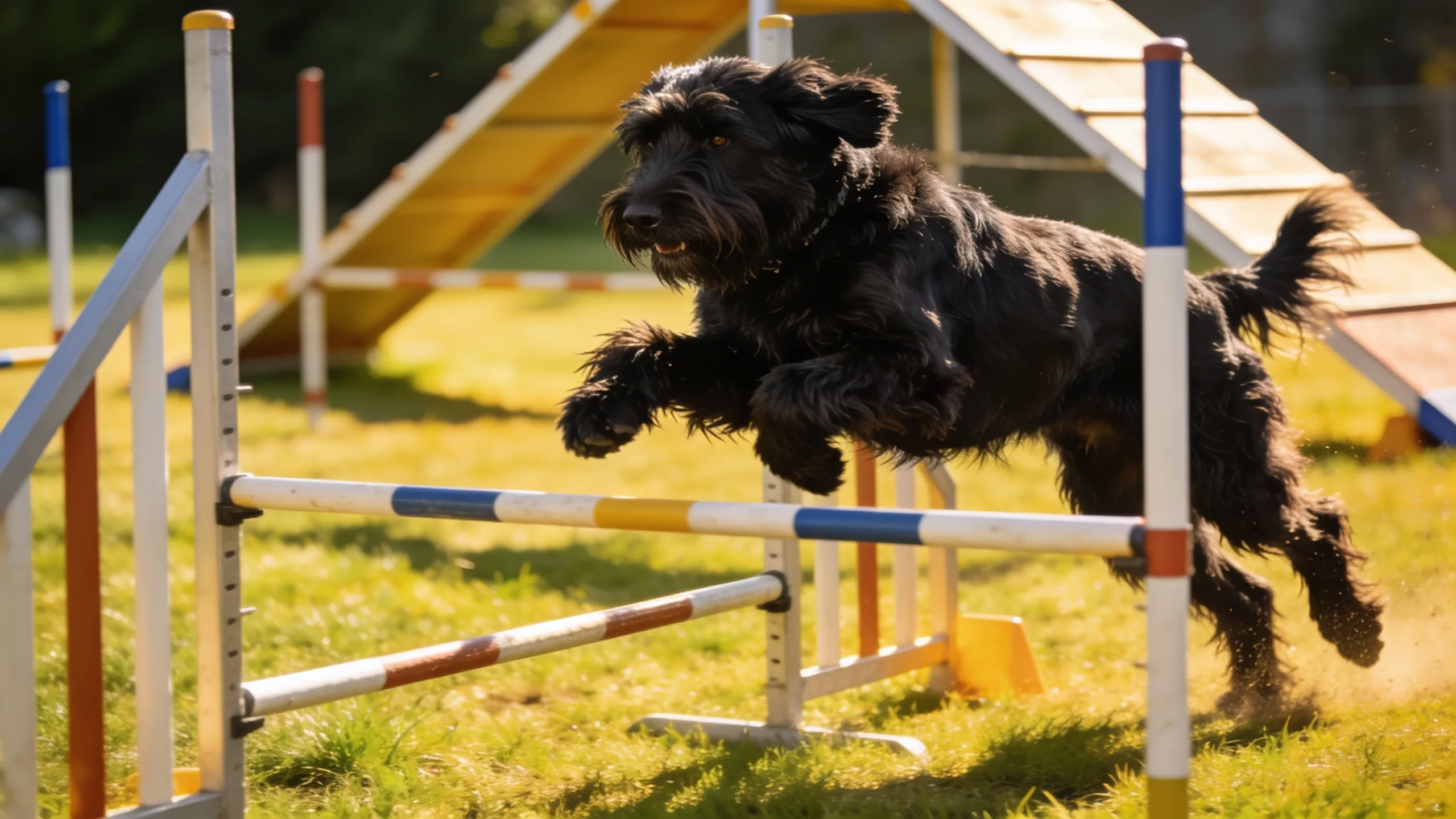
Intelligence is a hallmark of the Black Russian Terrier, which necessitates engagement in tasks that stimulate both mental and physical capacities. This breed thrives on challenges and may exhibit signs of boredom leading to undesirable behaviors if left unchecked. Providing structured training sessions that incorporate positive reinforcement techniques enhances the bond between the dog and handler, reinforcing desirable behaviors while addressing any tendencies towards stubbornness or independence. Activities such as obedience, agility, or scent work leverage their keen intelligence and provide the requisite mental stimulation.
The breed’s strong work ethic influences their behavior in domestic settings; they often seek purposeful engagement. Regular participation in canine sports or training exercises not only meets their physical demands but also channels their energy constructively, mitigating potential behavior problems associated with under-stimulation. Owners must recognize that neglecting this need can lead to destructive behaviors, anxiety, or increased vigilance in the absence of proper outlets for their energy.
While this breed generally displays an affectionate nature towards its family, their temperament requires consistent, firm, yet gentle handling. Inconsistent training methods can lead to confusion and reinforce undesirable behaviors. Clear boundaries and predictable routines are critical factors in establishing trust and respect. Awareness of stress triggers is paramount; signs of stress may include excessive barking, panting, or increased pacing, warranting immediate modification of the environment or situation to assist in maintaining the dog’s comfort level.
Understanding the breed’s specific temperament traits is essential for owners to cultivate a well-adjusted canine companion. This includes acknowledging their working heritage and addressing their social, emotional, and physical needs through balanced training and a structured lifestyle to ensure both the dog’s and owner’s satisfaction in their shared environment.
Care and training
The Black Russian Terrier requires a multifaceted approach to care and training that reflects its working dog heritage and behavioral tendencies. Early life socialization is crucial; from six weeks, exposure to a varied range of people, animals, and environments helps mitigate wariness toward strangers and new situations. A critical period for sociocultural acclimatization occurs between eight and twelve weeks, during which structured socialization can significantly shape lifelong reactions to potential stressors.
Training should incorporate both obedience and engagement, using positive reinforcement techniques to foster trust and minimize behavioral issues rooted in their strong-willed nature. Sessions must be frequent but not prolonged to avoid fatigue; workouts of approximately 5-10 minutes per month of age are effective. Incorporating mental challenges, like puzzle toys or scent detection tasks, addresses their high intelligence and need for stimulation, preventing boredom-driven behaviors.
Obedience training should be based on operant conditioning principles, recognizing that the breed may exhibit independent thinking and reluctance to comply with commands perceived as lacking a logical purpose. Reinforcing behaviors with treats, toys, or praise can facilitate a cooperative approach, and consistency in commands used by all family members is essential. Implementing a tiered command system that escalates from basic commands to more complex tasks not only nurtures discipline but also acknowledges and integrates their work-driven desire for responsibility.
Daily physical exercise is essential; the Black Russian Terrier should engage in at least one hour of vigorous activity, such as running or agility training, to manage energy levels effectively. Staff engagement in canine sports can provide both physical exertion and emotional fulfillment, ultimately reducing anxiety-related behaviors. Monitoring for hyper-vigilance or anxious pacing is necessary; these can be precursors to stress responses necessitating adjustment in their routine.
Health management underpinning care for the breed must include regular check-ups, focusing on monitoring for breed-specific conditions such as hip and elbow dysplasia. Nutrition is paramount, emphasizing a diet formulated for large, active dogs to maintain optimal body weight and prevent joint strain. Owners must recognize signs of obesity, which can develop stealthily; regular assessments of body condition score can aid in maintaining an ideal weight range.
Grooming requirements should not be overlooked; the Black Russian Terrier’s dense coat necessitates weekly brushing to prevent matting and skin irritations. Beyond aesthetic considerations, regular grooming ensures thorough skin checks to spot early signs of dermatological issues, which can arise due to allergies prevalent in canine populations. Adequate ear and dental care must be incorporated as well, as these breeds can be prone to ear infections and periodontal disease due to their large ear structures.
Ultimately, the proactive management of physical, behavioral, and emotional needs will lead to a well-balanced Black Russian Terrier. Owners must maintain a keen observational posture, recognizing early signs of stress or discomfort and adapting care and training approaches to optimize the breed’s qualities for both companionship and functionality.
Related Posts

LACRTOPE Pet Bowl Cleaner Tablets

Snuggle Puppy