Canine Paleo Diet: A Natural Approach to Feeding

When carefully formulated, a paleo-style diet can provide highly digestible animal protein and limit unnecessary calories from treats or highly refined ingredients. Its potential advantages come from the food’s composition and preparation—not from proof that dogs need to eat like ancestral wolves. Domestic dogs have adaptations for digesting starch, and a grain-free diet is not inherently more nutritious than a balanced diet containing grains.
Some dogs find moist, freshly prepared food more palatable than dry kibble, which may help maintain intake in selected cases. A diet built around clearly identified ingredients can also make food intake easier to monitor. If a veterinarian suspects an adverse food reaction, however, diagnosis requires a strictly controlled elimination diet followed by planned re-challenge; simply switching to a “paleo” label does not identify the trigger and may introduce several new proteins at once.
For dogs that need weight management, measured portions of a nutrient-complete diet can improve calorie control and preserve lean muscle when protein intake is adequate. The relevant measures are total calories, body-condition score, muscle condition, and weight trend—not whether the food is labeled ancestral, natural, or grain-free. Growing puppies, pregnant or nursing dogs, and dogs with kidney, liver, pancreatic, or other medical conditions need diets tailored to their life stage and clinical needs.
Home preparation may allow owners to adjust texture, moisture, and ingredient form for an individual dog, but those features do not guarantee nutritional adequacy. Unbalanced recipes can cause deficiencies or excesses in calcium, phosphorus, trace minerals, vitamins, essential fatty acids, or energy; puppies are particularly vulnerable because incorrect calcium and energy intake can disrupt skeletal development.
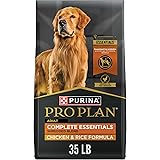
Purina Pro Plan Complete Essentials Chicken & Rice Dry Dog Food, 35 lb Bag | Shredded Blend crunchy kibble with tender pieces, real chicken as the first ingredient, live probiotics for digestive health
(as of November 7, 2026 21:12 GMT +00:00 - More infoProduct prices and availability are accurate as of the date/time indicated and are subject to change. Any price and availability information displayed on [relevant Amazon Site(s), as applicable] at the time of purchase will apply to the purchase of this product.)Raw versions carry additional risks without established health benefits over properly cooked, balanced food. Raw meat can expose dogs and household members to pathogens such as Salmonella and Campylobacter, and bones can cause tooth fractures, choking, obstruction, or intestinal injury. Extra caution is warranted in homes with young children, older adults, pregnant people, or immunocompromised individuals.

Select ingredients by nutrient contribution, digestibility, safety, and the dog’s medical needs—not by whether a food appears “ancestral.” A suitable recipe needs a defined source and amount of each nutrient; muscle meat, vegetables, and a small amount of organ meat do not automatically supply a complete diet.
Use a named animal-protein source, such as chicken, turkey, beef, or fish, in amounts specified by a formulated recipe. Muscle meat supplies protein and phosphorus but little calcium, so a boneless-meat recipe requires a precisely measured calcium source. The calcium-to-phosphorus balance is especially critical during growth; do not estimate it by adding eggshell or bone meal by eye. Liver provides vitamin A and copper, but excessive amounts can cause harmful nutrient excesses, while omitting organs without replacing their nutrients can leave gaps.
Include a measured source of essential fatty acids. The required amounts and balance of omega-6 and omega-3 fats depend on the full recipe; fish oil, for example, adds EPA and DHA but does not replace all required fats or vitamins. Oils contribute substantial calories, can become rancid after prolonged exposure to heat or air, and should be stored and dosed according to the recipe. Visible fat on meat is not a reliable substitute for a specified fat source.
Vegetables and other plant ingredients can provide fermentable fiber and specific micronutrients, but they cannot replace a complete canine vitamin-mineral formulation. Ingredient choice and preparation affect digestibility: cooking can soften some plant tissues, while excessive cooking or discarded cooking liquid can alter nutrient delivery. Record quantities in the units and preparation state required by the recipe; raw weights and cooked weights are not interchangeable.
For a home-prepared diet, use a recipe formulated for the dog’s life stage by a board-certified veterinary nutritionist, or follow a complete, nutritionally adequate formulation exactly, including its specified supplement. Substituting proteins, oils, vegetables, or supplements can change nutrient concentrations even when the replacement seems similar. Confirm that the diet meets recognized standards for the intended life stage, and reassess portions using body weight, body-condition score, and muscle condition.
Check every ingredient for hazards and individual intolerance. Avoid toxic foods such as grapes and raisins, onions, garlic, and products containing xylitol; account for flavored supplements and leftovers as well as the main ingredients. Dogs with pancreatitis, food-responsive disease, kidney disease, or other diagnosed conditions may require ingredient or nutrient restrictions that make a generic paleo recipe unsuitable.
Related Posts

Teaching Your Dog to Be Well-Behaved at the Vet

Briard