Teaching Your Dog to Be Well-Behaved at the Vet
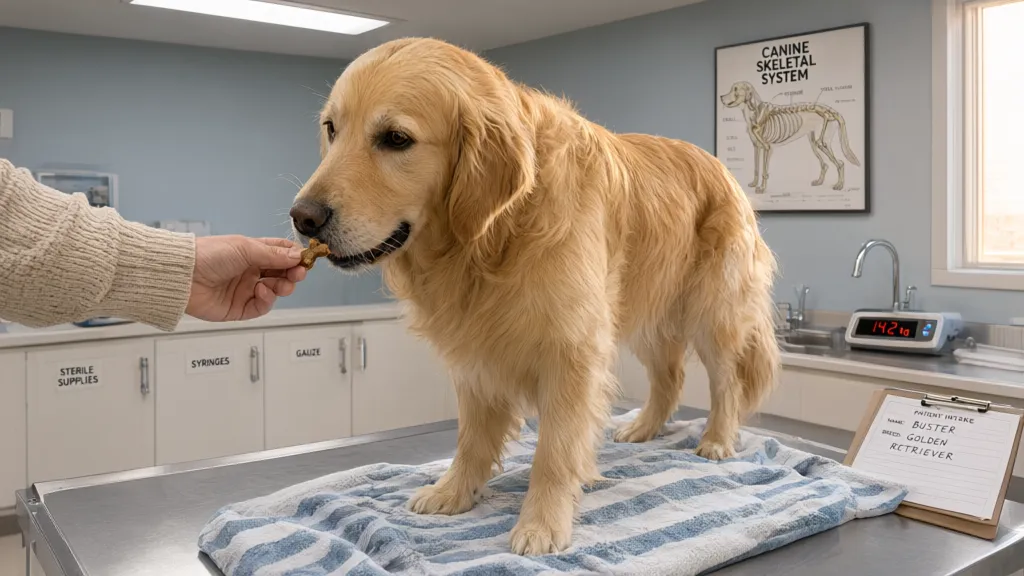
Preparation begins at home, where your dog can learn that the parts of a veterinary visit predict food, choice, and relief rather than restraint. Practise brief, gentle touches to the shoulders, paws, ears, and muzzle, pausing before your dog pulls away. Offer a small, high-value treat after each touch. Stop if you see turning away, lip-licking, a closed mouth, freezing, or attempts to leave; these are signs that the exercise is too difficult, not disobedience. Increase duration or handling only while your dog remains loose and able to eat.
Make the carrier, car, or travel harness familiar well before an appointment. Leave the carrier open at home with bedding and treats inside, and let your dog enter and leave freely. For car travel, begin with resting in the parked vehicle, then progress to short rides that end somewhere pleasant. If travel causes drooling, repeated yawning, vomiting, or frantic movement, tell the veterinarian; motion sickness and travel-related fear may need different treatment.
Practise useful handling in small steps: standing on a non-slip surface, having a leg lifted, feeling gentle pressure around the body, and resting the chin on a hand or towel. A chin rest can give your dog a clear way to pause an examination by lifting the chin. Do not hold the position or continue touching after the dog withdraws; forced practice can make future handling more frightening.
If your dog may need a basket muzzle, teach comfortable voluntary use before it is medically necessary. Let the dog place the nose inside to reach food, then gradually build duration and fasten the strap for brief periods. A well-fitted basket muzzle should allow panting and drinking. Never use it to push through an examination that can instead be made safer with a pause, more space, or veterinary-prescribed medication.
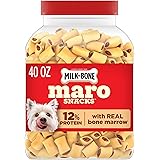
Milk-Bone MaroSnacks Small Dog Treats with Real Bone Marrow, 40 Oz. | Dog treats with 12% protein
(as of November 5, 2026 20:08 GMT +00:00 - More infoProduct prices and availability are accurate as of the date/time indicated and are subject to change. Any price and availability information displayed on [relevant Amazon Site(s), as applicable] at the time of purchase will apply to the purchase of this product.)Tell the clinic in advance about fear, previous snapping, pain, mobility limits, or difficulty being touched. Ask whether you can wait in the car, enter directly into an examination room, or schedule a quieter time. Bring familiar food unless the clinic has instructed you to withhold it for a procedure; fasting can be unsafe for some puppies and dogs with medical conditions. If your dog suddenly resists handling, investigate pain or illness rather than assuming the behavior is simply fear.
At the clinic, allow your dog time to notice the surroundings before asking for a behavior. A pause to sniff at a comfortable distance can help the dog gather information. Keep the lead loose; tension can restrict movement and add pressure when people approach. If the waiting area is crowded, wait outside or in the car and ask the clinic to call you when the room is ready.
Reward small choices that make the visit easier: stepping onto the scales, standing beside you, looking briefly toward a staff member, or returning attention to you. Give food low and close to your dog rather than reaching over the head. If the dog cannot eat, turns away repeatedly, freezes, pants when it isn’t warm, or tries to hide, increase distance or take a quiet break. These signs show that the present demand is too difficult.
A mat or familiar towel can offer a predictable place to stand or rest. Practise settling on it at home first, then bring it to the clinic. Reward relaxed posture and voluntary return to the mat; do not use it to keep the dog in place while people approach. Some dogs feel safer standing near an exit or beside their person than lying down.
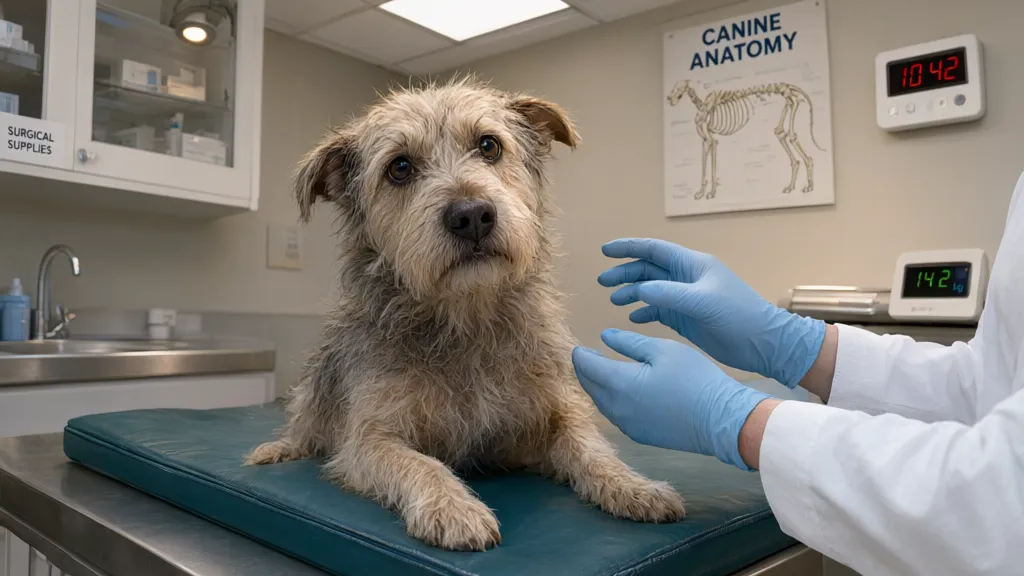
Ask staff to approach slowly, pause, and let the dog choose whether to move closer. Avoid crowding, reaching suddenly, leaning over the dog, or repeated greetings. A dog that turns the head, licks the nose, shifts weight away, or shows the whites of the eyes may be asking for more space. Respond early, before the dog has to growl, snap, or struggle to make the request clearer.
Keep each practice visit brief and end while the dog can still recover and take food. A short visit to weigh the dog or receive treats can build a useful history without adding an examination. If fear rises despite distance and food, leave rather than waiting for the dog to become overburdened. Arrange a quieter appointment or ask the veterinarian whether a pre-visit medication plan would make future learning possible.
Before the examination begins, agree with the veterinarian on a simple pause signal, such as your dog lifting the head from a chin rest or stepping off a mat. The signal is useful only if staff stop touching when it occurs. Resume with a smaller step, a different position, or a pause; continuing after the dog withdraws teaches that communication has no effect.
Ask the veterinarian to examine the least sensitive areas first and leave painful or frightening procedures until the dog is settled, when clinically appropriate. Use short handling intervals, with a pause between them so the dog can move, sniff, or take food. A dog that eats while tense is not necessarily comfortable; watch for a stiff body, held breath, flattened ears, a tucked tail, trembling, or a fixed gaze as well as food acceptance.
Position matters. Many dogs feel less trapped standing beside their person or facing an exit than being held tightly on a table. Non-slip footing reduces the fear of sliding, especially in older dogs, dogs with weak hind limbs, and breeds with long backs or joint disease. Tell staff about pain, arthritis, breathing difficulty, or limited mobility before they lift or reposition your dog. Pain can make a familiar touch suddenly threatening and may cause a defensive response without warning.
Ask that one person handle your dog while others remain quiet and out of reach. Repeated hands, voices, and changes in approach can increase vigilance. Avoid tightening the lead or holding the muzzle shut; pressure can prevent escape and intensify fear. If your dog stiffens, stops responding, attempts to flee, growls, or snaps, pause the procedure and create space. A growl is information about distress, not a behavior to punish.
Some examinations cannot be completed safely through gradual handling alone. For severe fear, a previous bite, or necessary painful procedures, discuss a veterinarian-directed plan that may include pre-visit medication, local anesthesia, or sedation. Medication can reduce panic enough for safer care and prevent repeated frightening experiences; it should not be used to force an examination while the dog remains distressed. Do not give human medicines or leftover prescriptions, since dose, interactions, and medical conditions affect safety.
After a difficult procedure, allow recovery in a quiet space and follow the clinic’s instructions about food, activity, and medication. Record what triggered distress, which handling steps were tolerated, and how long recovery took. That information helps the veterinary team adjust the next visit and recognize whether worsening resistance reflects pain, illness, or accumulating fear.
Related Posts
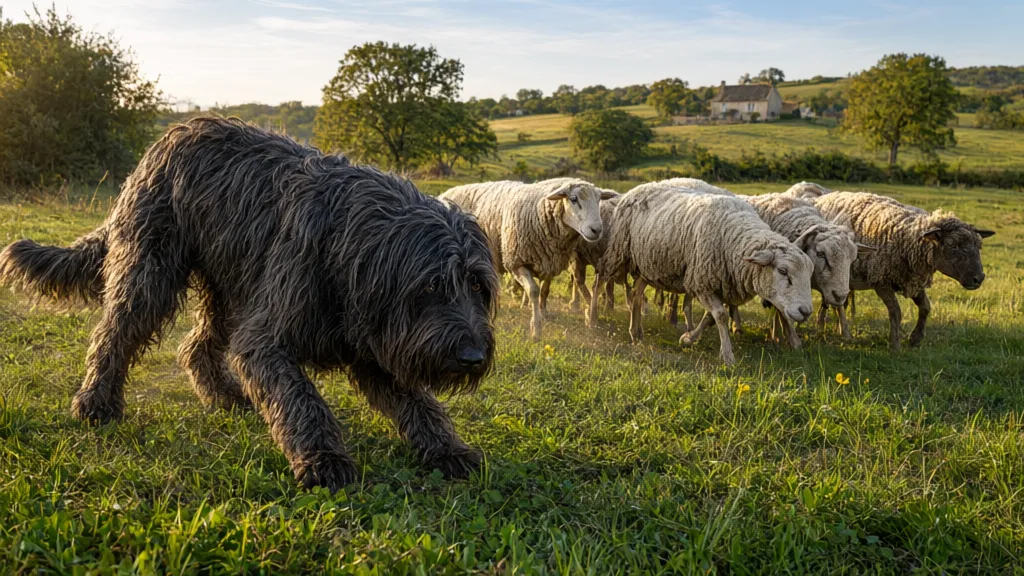
Briard
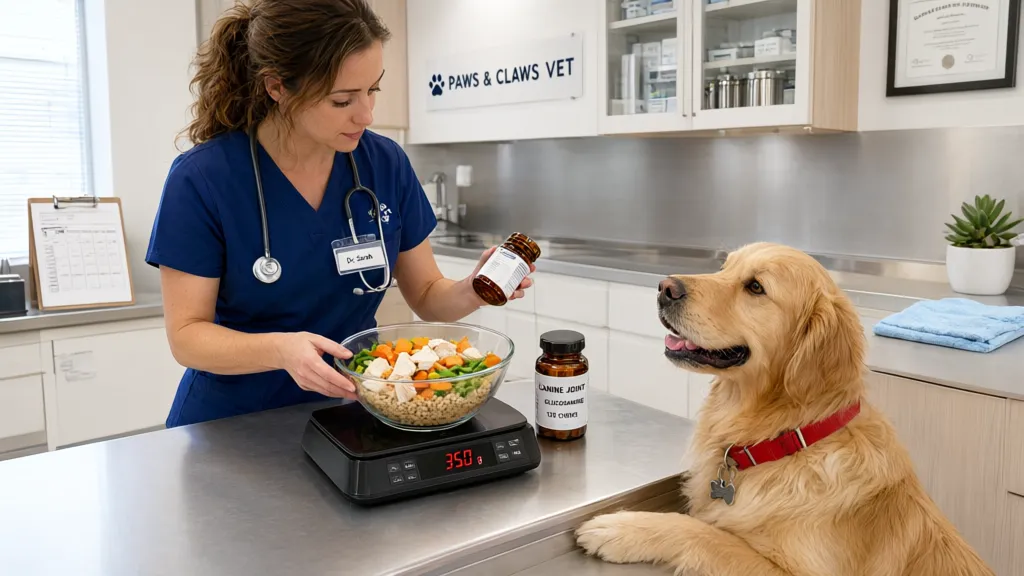
Homemade Dog Food – Recipes for a Healthier Pup