The Joys of Dog-Friendly Sailing Adventures
When selecting a boat suitable for canine companionship, understanding the physical and behavioral characteristics of your dog is paramount. Size is a fundamental factor; larger breeds may require more space to maneuver comfortably, as claustrophobia can induce anxiety. Conversely, smaller breeds can thrive in confined areas but may still require a secure environment due to their susceptibility to maritime risks, such as jumping overboard.
Stability is critical when considering a vessel. Dogs, particularly those unfamiliar with water, can be sensitive to the motion of a boat. A wider beam and lower center of gravity inherently increase vessel stability, reducing the likelihood of seasickness. Additionally, ensuring that the chosen boat provides gentle, gradual slopes for boarding and disembarking can mitigate stress for anxious dogs, as abrupt movements may provoke fear responses.
Cockpits and decks should be designed with non-slip surfaces to prevent accidents. Breeds with lower centers of gravity, such as bulldogs, often struggle with balance. Their heavy build can lead to falls that may cause injuries if the surfaces are slick. Likewise, older dogs may exhibit reduced agility; therefore, strategic placement of ramps or ladders will aid in safe access.
Consideration of breed-specific traits is essential; retrievers often exhibit strong swimming instincts, which may lead them to jump overboard if not adequately trained to stay within designated areas. Work on solid recall and command responses ensures that dogs can be called back before they make impulsive decisions. Implementing a designated “dog zone” on the boat, with visual barriers to demarcate areas where the dog is allowed, can facilitate obedience.

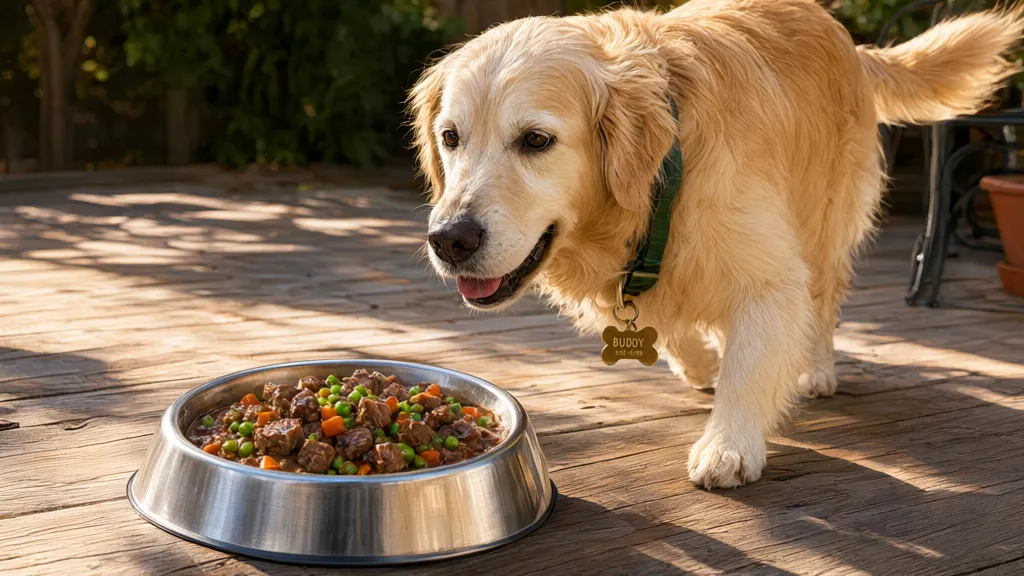
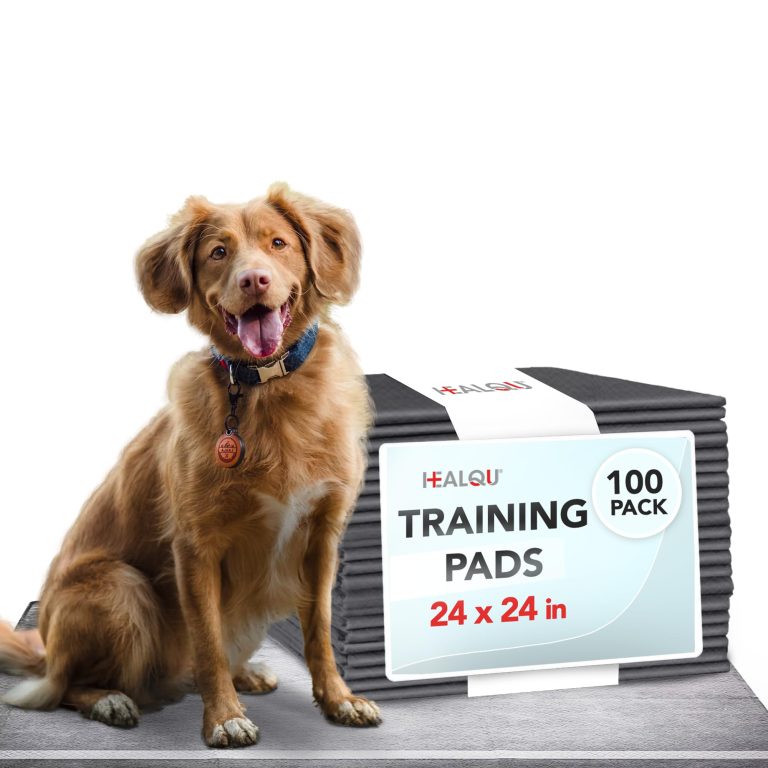
Purina ONE Lamb and Rice Formula Dry Dog Food for Digestive Support | Dog food with real lamb as first ingredient, Microbiome Balanced and prebiotic fiber, supports digestive health
$48.98 (as of October 21, 2026 11:52 GMT +00:00 - More infoProduct prices and availability are accurate as of the date/time indicated and are subject to change. Any price and availability information displayed on [relevant Amazon Site(s), as applicable] at the time of purchase will apply to the purchase of this product.)Ventilation and temperature control should not be overlooked. Dogs are susceptible to heat stress, especially in confined spaces like cabins. Ensure that the vessel has adequate ventilation or air conditioning capabilities. A temperature monitor can help track heat levels within the boat, guiding timely action to prevent heatstroke. In less ventilated cabins, dogs at risk of respiratory conditions may experience exacerbated symptoms in warm conditions.
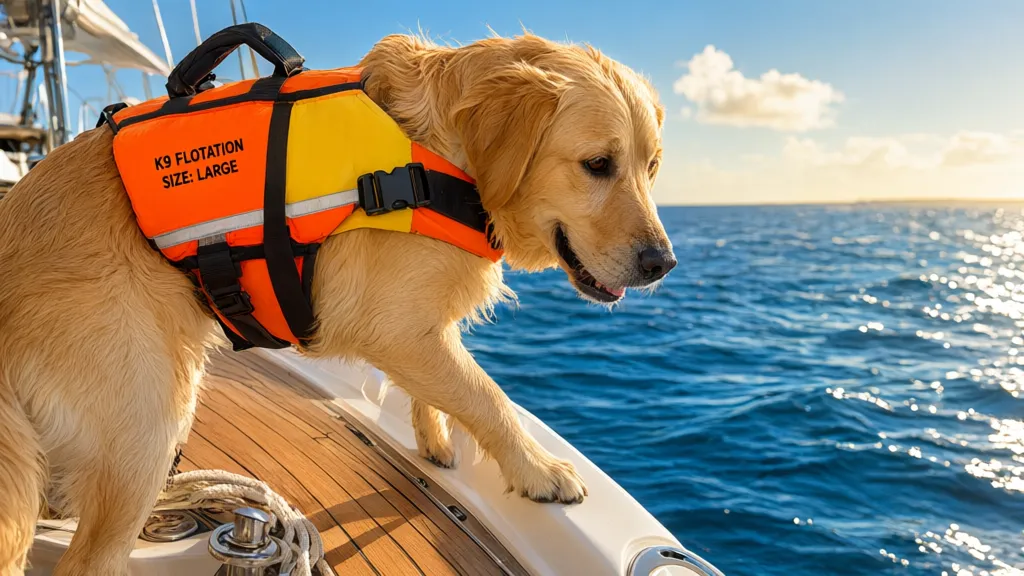
Safety gear must also be tailored to individual canine needs. Personal flotation devices (PFDs) should be fitted correctly; dogs should have them despite their ability to swim, especially in unforeseen circumstances like capsizing or sudden large waves. Select a PFD with reflective material, allowing for visibility during dusk or overcast conditions. Ensure it includes a sturdy handle, enabling easy retrieval of a dog from the water.
Ultimately, the right boat for your dog will balance safety, accessibility, and comfort tailored specifically to your dog’s unique physical and behavioral needs, fostering a successful, enjoyable sailing experience.
Tips for a safe and enjoyable sailing experience
The foundation of a safe and enjoyable sailing experience for dogs begins with acclimatization to the marine environment. Progressive exposure to motion and sounds characteristic of boating, ideally while docked, can significantly reduce anxiety. Start with short trips, allowing your dog to assess the surroundings, while observing their behavior for signs of stress, such as panting, pacing, or excessive whining.
Positively reinforcing calm behavior during these initial outings is essential. Use treats and praise in association with the boat’s environment to embed a sense of security. Canines may also benefit from the distraction of toys or food puzzles, helping to mitigate nervous energy. Monitor their reaction to boat movement by tracking how they respond when the engine starts or when the vessel begins to sway.
Establishing a routine can create predictability, which is comforting for dogs. This includes consistent feeding times, play sessions, and bathroom breaks. Be conscious of your dog’s dietary needs and avoid feeding them directly before sailing; motion sickness can be exacerbated by a full stomach. If your dog has a history of motion sickness, consult with a veterinarian for possible preventative medications or strategies tailored to their specific symptoms.
Active supervision is crucial; dogs should never be left unattended, particularly in an unfamiliar environment. Use a secure leash and harness while on deck, as this prevents overboard incidents. Teaching commands, such as “stay” or “leave it,” becomes indispensable, especially when near edges. Significantly, implementing a safety tether attached to your dog’s PFD can add an additional layer of security during gusty conditions or sudden movements.
Environmental factors must also be accounted for. Wind and water conditions can change rapidly, so monitoring your dog’s behavior for signs of distress will aid in making timely interventions. If dogs exhibit reluctance to approach the edge of the boat or display distressed body language, it may indicate an overwhelming experience. Providing shaded areas or cool spots can also combat heat-related stress during warmer conditions.
Be vigilant about other onboard activities that may pose risks, such as fishing or swimming sessions. Dogs should be familiarized with life vests before allowing them to explore water. Consider swimming only in clear, calm areas where the dog’s safety is assured. After swimming, always examine your dog for signs of fatigue, hypothermia, or any skin irritations that may arise from prolonged exposure to water or marine life.
Every experience on board is an opportunity for learning. Observing behavioral changes and adapting your approach according to your dog’s comfort level will enhance the overall sailing experience. Fostering a positive association with the boat can lead to a lifetime of adventures on the water.
Must-have gear for dog-friendly sailing
Essential gear for dog-friendly sailing transcends basic supplies, focusing on equipment designed to improve safety, comfort, and enjoyment on board. The cornerstone of this gear is a high-quality, well-fitted personal flotation device (PFD) specifically engineered for dogs. When selecting a PFD, prioritize buoyancy, fit, and visibility. The vest should allow unrestricted movement while ensuring that your dog remains buoyant in the water. A fitted harness style helps distribute buoyancy evenly, preventing the risk of slipping out during emergencies. Look for a PFD that features a sturdy handle on the back, which enables efficient retrieval if your dog unexpectedly falls overboard.
Leashes and tethers are vital for preventing overboard incidents or escapes during disembarkation. Opt for a heavy-duty, adjustable leash with a quick-release mechanism tailored to suit both your dog’s size and energy levels. In addition to a standard leash, consider using a safety tether that securely attaches your dog to the boat while allowing enough movement to lie down comfortably. This combination enhances safety, particularly in gusty conditions where sudden movements are possible.
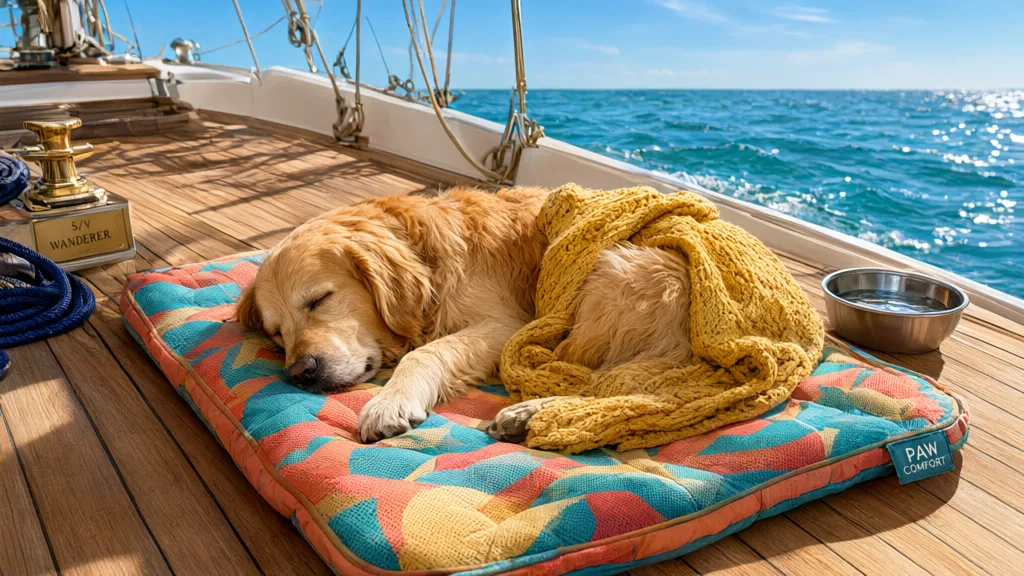
A dog-friendly mat or designated sleeping area onboard is important for providing comfort and a sense of territory. Mats should feature moisture-wicking, non-slip materials to reduce the risk of slips and falls. It can help in creating a familiar space that allows your dog to relax during sailing trips. Incorporating a familiar blanket or toy can further soothe anxiety, ensuring your dog feels grounded in an ever-changing environment.
Hydration and nutrition must be considered extensively. An ergonomic dog bowl that can be secured in place reduces spills during movement while encouraging regular water intake. Carry sufficient fresh water, especially during longer journeys, to combat dehydration. Additionally, portable food containers can aid in managing feeding schedules. Ensure these are sealed to prevent pests and maintain the integrity of the food, especially in warm weather.
Sun protection gear merits attention as well. Dog-specific sunglasses can shield your dog’s eyes from harmful UV rays, particularly for breeds with light-colored fur, while a dog sun hat can prevent sunburns on sensitive areas. Moreover, using a safe dog sunscreen should be considered for exposed areas, as some breeds are prone to skin sensitivities. Regularly monitor your dog for signs of heat stress, such as excessive drooling or lethargy, and provide them with shade or a cooling vest if exposure becomes too prolonged.
Lastly, maintaining a first-aid kit that includes canine-specific supplies is vital for any sailing adventure. This kit should contain antiseptic wipes, bandages, gauze, a digital thermometer, and any prescribed medications. Familiarize yourself with basic canine first-aid protocols, ensuring that you’re equipped to handle potential injuries or health issues that may arise during your travels.
Top dog-friendly sailing destinations
Top dog-friendly sailing destinations combine natural beauty with amenities that cater to canine needs, creating enriching environments for both dogs and their owners. Coastal locations with dog-friendly beaches, parks, and pet-centric events elevate the experience. For example, the Florida Keys offers a series of dog-friendly beaches and trails, allowing for varied exploration and exercise opportunities. Breeds that enjoy swimming, like Labrador Retrievers, can revel in the warm waters while less active breeds benefit from leisurely walks along the shore.
In California, destinations such as Carmel-by-the-Sea provide not only stunning coastal views but also a plethora of pet-friendly establishments. Restaurants with outdoor dining options and lodging that welcomes dogs turn sailing trips into comprehensive adventures. Here, the impulsivity of breeds prone to bolting can be mitigated with well-defined zones on the beach where dogs can roam freely under supervision.
The Pacific Northwest is another exceptional region, particularly the San Juan Islands in Washington State. The islands are characterized by calm waters and a high number of islands that allow for brief hops between locations, providing a perfect backdrop for exploration. Ensuring training is in place for recall with breeds such as Beagles, known to follow scents, becomes crucial when navigating these natural settings. Owners must observe wildlife regulations, as dogs can inadvertently disturb local fauna.
On the East Coast, Newport, Rhode Island presents a mixture of maritime culture and beauty. The city offers various dog-friendly sailing charters that accommodate pets. Observing local leash laws is essential, particularly in crowded areas. Breeds with social tendencies, like Golden Retrievers, may thrive in these settings; however, care must be taken to prevent overstimulation from large crowds or bustling environments.
Exploring the Gulf Coast also offers unique opportunities. Destin is renowned for its dog-friendly beaches and parks, making it an excellent spot for active breeds. However, owners should remain aware of the potential for heat stress, particularly in summer months. Monitoring water intake and providing frequent breaks in shaded areas prevent overheating, which is critical for brachycephalic breeds prone to respiratory distress in humid conditions.
For a more international experience, destinations like the British Virgin Islands provide accessible sailing routes with stunning scenery. Many islands here are welcoming to dogs, featuring sandy beaches where dogs can play and socialize. Owners should prioritize leash training, as the tropical environment often includes free-roaming wildlife that could provoke a chase instinct in various breeds.
Ultimately, dog-friendly sailing destinations enhance the adventure by offering both safety and enjoyment, enabling owners to experience diverse environments while ensuring their dogs’ needs are met. Adaptability in breed management, local regulations, and environmental conditions is vital to creating smooth and enjoyable excursions.
Related Posts
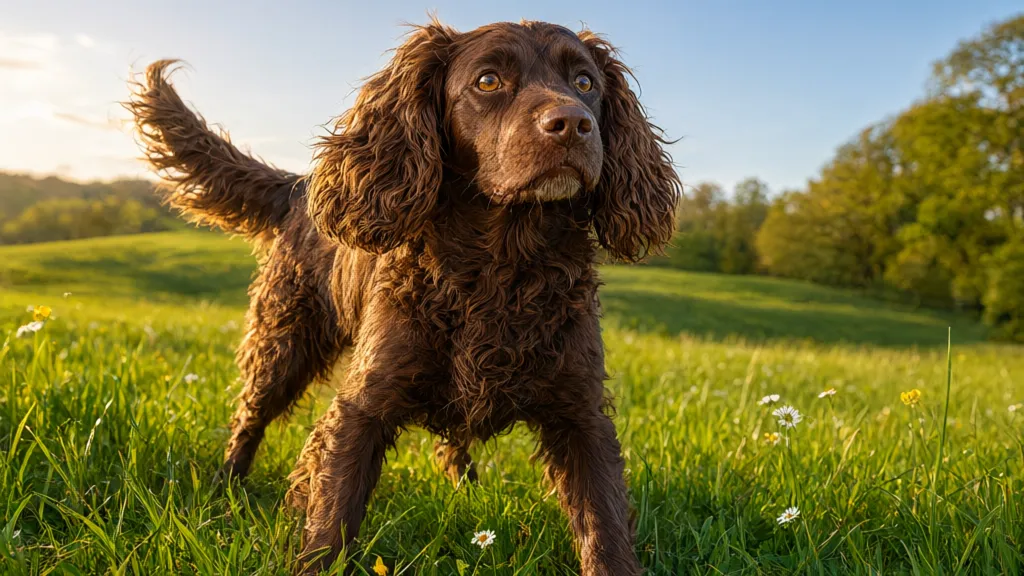
Boykin Spaniel
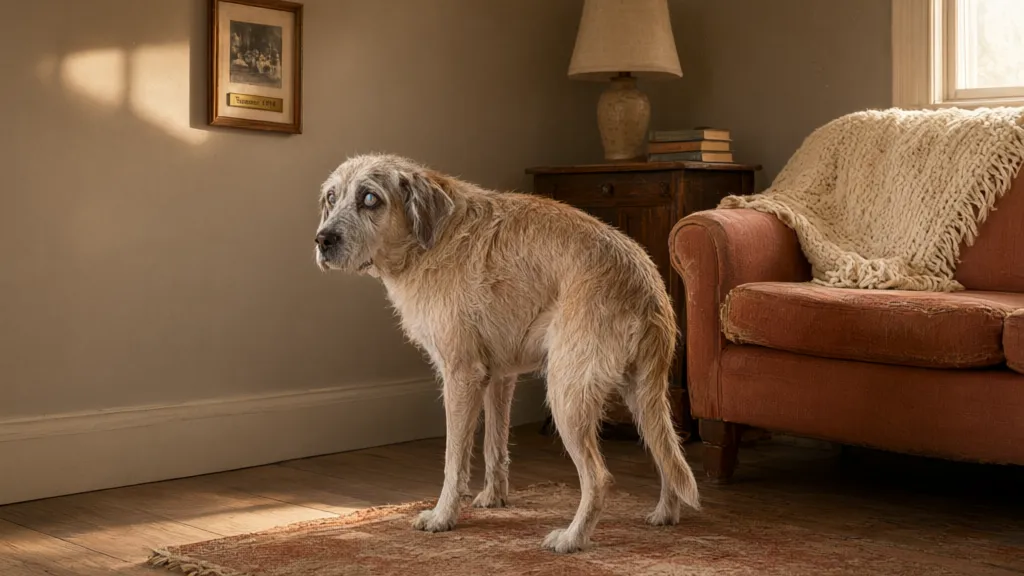
Understanding Canine Cognitive Dysfunction in Older Dogs