Boxer

The Boxer breed originated in Germany during the late 19th century, evolving from the Bullenbeisser, a bulldog-type dog used for hunting large game. The Bullenbeisser was crossed with the English Bulldog to produce a more agile and perceptive dog, leading to the establishment of the Boxer as a distinct breed. This selective breeding aimed at enhancing qualities such as bite inhibition, buoyancy, and sociability, while maintaining a strong and muscular physique. Early Boxers were employed as butcher’s dogs, tasked with holding cattle during herding and slaughter.
Initially recognized for their strength and utility, Boxers became increasingly popular as companions, benefiting from the emerging trend of using dogs as family pets. This breed was introduced to the United States around the 1900s and gained recognition from the American Kennel Club (AKC) in 1915. As they became established in America, the breed’s conformation began to shift towards a more refined appearance, reflecting not only aesthetics but also the increasing emphasis on temperament for family companionship.
The genetic foundation of the Boxer has profound implications for its behavior and health. Historically bred for combat and utility, Boxers developed distinct behavioral traits such as loyalty, protectiveness, and assertiveness, which are retained today. Their energy levels, strong prey drive, and intelligence necessitate rigorous exercise and mental stimulation. These traits can become problematic if not managed correctly, leading to destructive behaviors if energy is not expended adequately.
Boxers exhibit a notable affinity for human interaction, attributed to their breeding history as working and companion dogs. Their sociable nature underscores the need for early socialization and training. Negative experiences during critical developmental periods can result in fearfulness or aggression, thereby highlighting the importance of positive reinforcement techniques in training. Owners should focus on experiences that foster resilience and adaptability to various environments and situations.

Blue Buffalo Health Bars Pumpkin & Cinnamon Dog Biscuits, 16 oz | Oven-Baked, Crunchy Texture, No Chicken By-Product, Corn, Wheat, or Soy
$4.98 (as of October 13, 2026 10:23 GMT +00:00 - More infoProduct prices and availability are accurate as of the date/time indicated and are subject to change. Any price and availability information displayed on [relevant Amazon Site(s), as applicable] at the time of purchase will apply to the purchase of this product.)Health-wise, Boxers are predisposed to certain genetic conditions, including cardiomyopathy and various cancers, particularly hemangiosarcoma and mast cell tumors. Regular veterinary screenings and owner awareness can aid in early detection. Additionally, their brachycephalic structure can lead to complications in respiratory function, especially in warmer temperatures, necessitating careful monitoring during exercise or play. This breed is also prone to hip dysplasia and degenerative myelopathy, conditions linked to their physical dynamics and genetic predisposition.
Understanding the intricate history of the Boxer breed is essential for responsible ownership and effective advocacy in promoting optimal health and behavior. This knowledge enables owners to cater to their specific needs, further ensuring a fulfilling companion-animal dynamic.
Characteristics and Temperament
Boxers are characterized by their robust physiques, distinctive square jaws, and muscular build, typically weighing between 50 to 80 pounds. Their short coat, which ranges from fawn to brindle, contributes to their energetic appearance. This physical structure, coupled with their energetic demeanor, is a direct reflection of their historical purpose as utility dogs requiring agility and strength. Understanding the dynamics of these physical attributes is fundamental, as they influence susceptibility to specific health issues. For instance, the breed’s conformation can lead to conditions such as brachycephalic obstructive airway syndrome, where the compact facial structure affects breathing, particularly under stress or in hot weather.
In terms of temperament, Boxers are recognized for their exuberant and playful nature. This breed tends to have high energy levels, necessitating substantial physical activity to prevent boredom and associated behavioral issues such as destructiveness. Their need for engagement arises from their heritage as working dogs. Boxers typically excel in agility, obedience, and protection sports due to their intelligence and eagerness to please. However, this drive can manifest as stubbornness if not channeled appropriately. Consequently, early socialization is crucial; exposing Boxers to diverse environments, individuals, and other animals supports the development of balanced adult behavior, reducing tendencies toward aggression or anxiety.
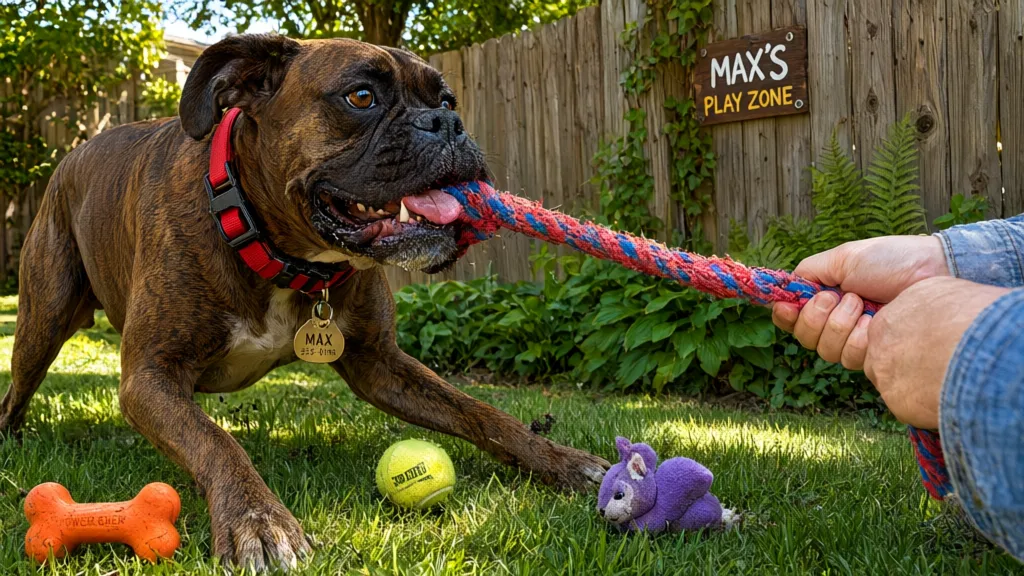
Boxers also exhibit strong loyalty and protective instincts towards their families, making them natural guardians. Their affectionate nature fosters a desire for companionship, which, if unmet, may lead to separation anxiety. Owners should implement training techniques that promote independence while ensuring regular interaction and mental stimulation. Effective management strategies include puzzle toys and obedience training, which tap into their cognitive abilities and satisfy their innate curiosity.
Observationally, Boxers often showcase a range of behaviors indicative of their emotional state. Signs such as excessive panting, barking, or destructive tendencies can signal boredom or distress. Owners should monitor these behaviors closely and adjust their engagement strategies accordingly. Providing structured activities, such as leash walking or interactive play sessions, is vital in maintaining their physical health and mental well-being.
Enhancing the bond between owner and Boxer can be achieved through consistent training and positive reinforcement methods. By recognizing and rewarding desirable behaviors, owners can foster a cooperative learning environment, essential for managing the breed’s strong-willed nature. Incorporating play into training sessions not only reinforces obedience but also aligns with the Boxer’s instinctual need for dynamism and exploration, thereby enriching their overall quality of life.
Care and Training Tips
Boxers require a structured training regimen that integrates physical exercise with mental stimulation to align with their energetic and intelligent nature. An effective approach is to combine short, intense training sessions with varied activities. This breed thrives on a routine that includes regular exercise, typically 60 to 90 minutes daily, which can consist of brisk walks, running, and engaging in agility or obedience exercises. The goal is to prevent pent-up energy that may lead to undesirable behaviors, such as excessive barking or destructive chewing.
Addressing behavioral issues is best approached through positive reinforcement, using rewards for desired actions rather than punishment for undesired ones. This training methodology aligns well with the breed’s temperament, as Boxers respond positively to motivation based on praise or treats. Consistency is crucial; commands should be standardized, and training sessions should be frequent to reinforce learning and prevent confusion. Owners may find clicker training particularly effective, as it provides immediate feedback that Boxers can associate with specific behaviors.
Socialization is vital for Boxers, particularly during their critical developmental windows from 3 to 14 weeks of age. Exposure to different environments, people, and other animals fosters well-adjusted adults. Failure to socialize adequately can exacerbate inherent aggressiveness or anxiety. Controlled playdates, supervised outings, and puppy classes can help cultivate confidence and reduce fear-related responses. These interactions not only aid in social skills but also provide opportunities for exercise and mental engagement.
Nutritional considerations play a significant role in the overall well-being and training effectiveness of Boxers. A high-quality, balanced diet that meets their specific energy needs is essential for sustaining their active lifestyle. Due to their muscular build and high activity levels, they require protein sources that support muscle maintenance and development. However, it’s imperative to manage their food intake to prevent obesity, which can lead to joint disorders and exacerbate their risk of developing cardiomyopathy.
Medical concerns, particularly prevalent in Boxers, necessitate routine veterinary visits to monitor health markers and discuss preventative care strategies, especially for conditions like hip dysplasia or cardiomyopathy. Owners should be vigilant for warning signs such as coughing, lethargy, or difficulty in physical activity, which may indicate underlying health issues that require immediate attention. Integrating supplements, such as omega fatty acids for skin and joint health, may also support their physical well-being.
Creating a stimulating environment is essential for maintaining the Boxer’s mental health. Providing an array of toys, engaging interactive games, and varying training activities can significantly reduce boredom and anxiety. Establishing a consistent yet flexible daily routine that includes exercise, social interaction, and mental challenges will greatly enhance the Boxer’s quality of life, allowing them to thrive as both companion animals and valuable members of the family.
Related Posts

LACRTOPE Pet Bowl Cleaner Tablets
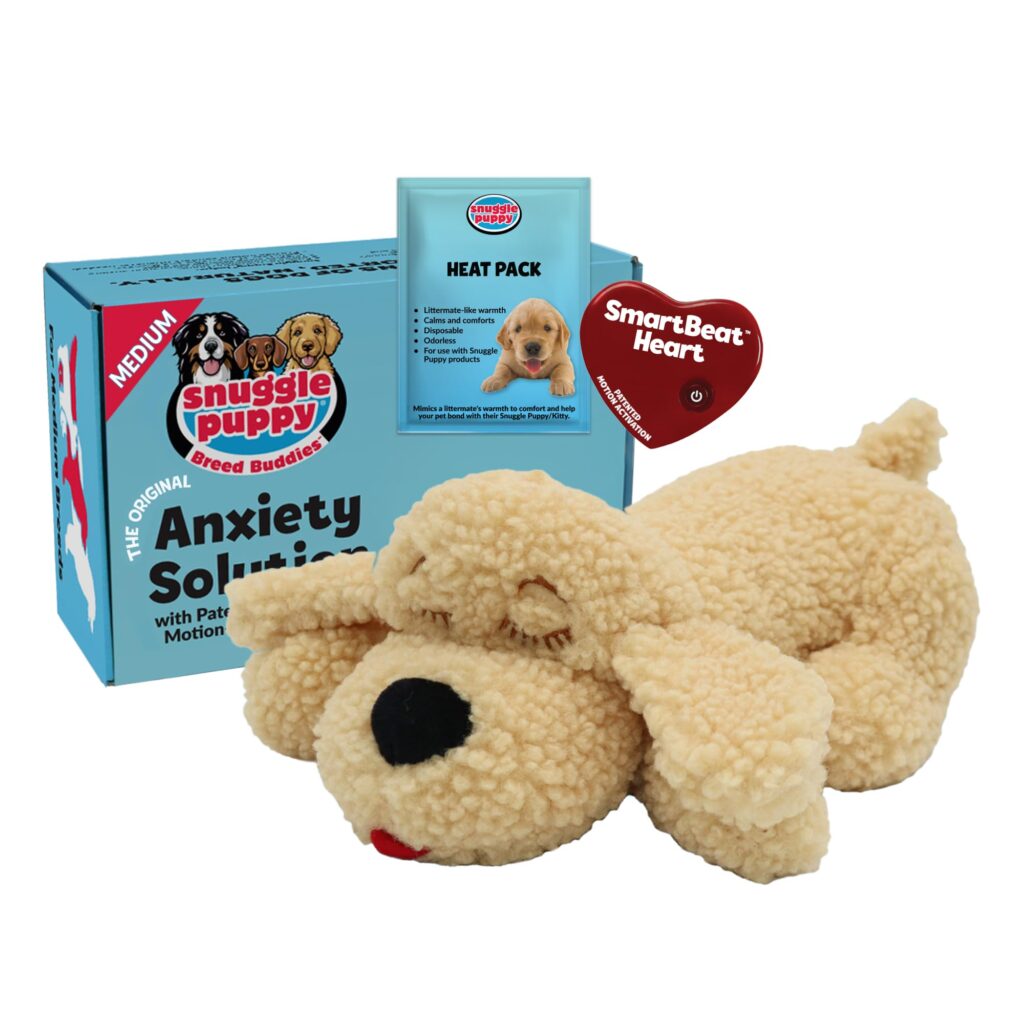
Snuggle Puppy