Senior Dog Care – Tips for a Happy and Healthy Old Age
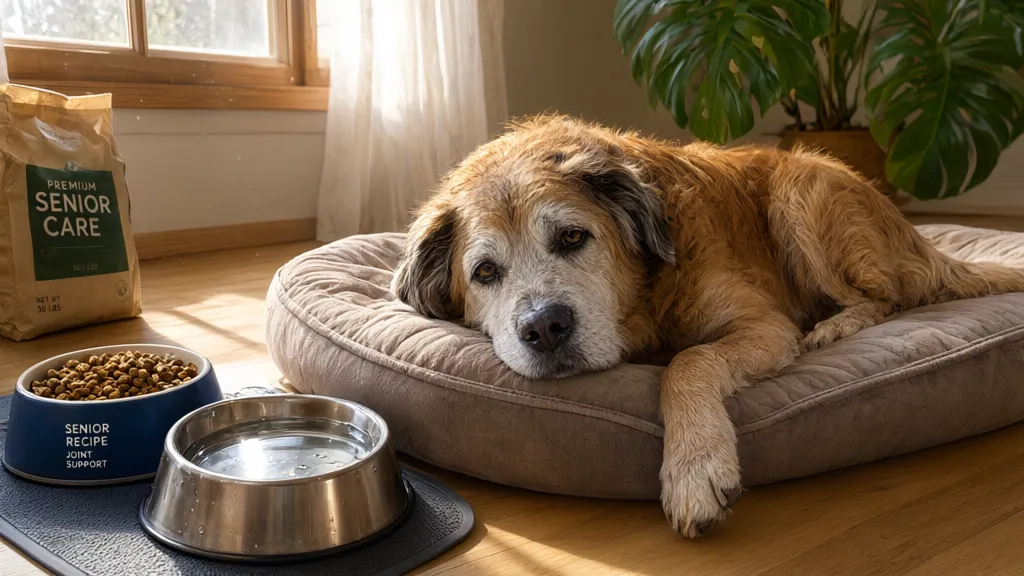
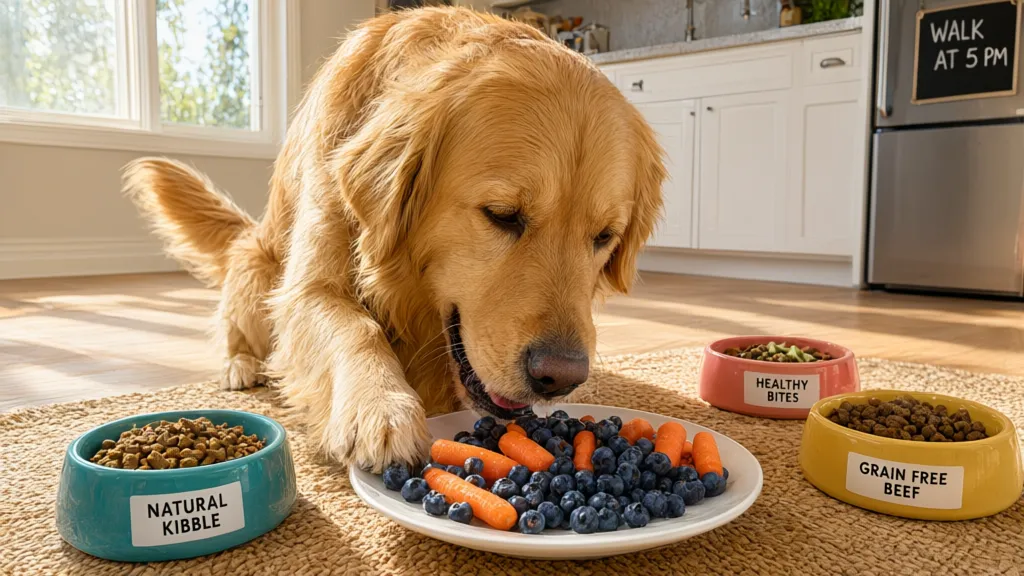
As dogs age, their metabolic rate declines, necessitating a reevaluation of their caloric intake. Senior dogs typically require fewer calories, which helps prevent obesity—a common issue that can exacerbate joint problems and diabetes. Caloric content should be adjusted based on the dog’s weight, breed, and activity level. Smaller breeds may retain a stable metabolic rate longer, while larger breeds often experience a more significant decrease in energy requirements.
The formulation of senior dog food often includes lower protein levels; however, high-quality protein is critical for preserving lean muscle mass as dogs age. Aim for protein sources that are easily digestible, such as chicken or fish. The digestibility of protein can be enhanced by the presence of specific amino acids, with L-carnitine being noteworthy for its role in fat metabolism and energy production. Protein percentage should ideally range between 18-25%, adjusted for individual dog needs and health conditions.
Increased fiber content is beneficial to aid digestion and manage weight. Soluble fibers, such as beet pulp or rice bran, can help regulate blood sugar levels and promote a healthy gut microbiome, thus preventing gastrointestinal issues common in older dogs. Added prebiotics and probiotics can support gut health and mitigate the onset of age-related digestive disorders.
Essential fatty acids, particularly Omega-3s, can provide anti-inflammatory benefits and support cognitive function, making them essential in senior dog diets. These can be found in fish oil or flaxseed oil. The inclusion of antioxidants, like Vitamin E and beta-carotene, can combat oxidative stress and support immune function, which typically wanes with age.

Purina Pro Plan Veterinary Supplements FortiFlora Dog Probiotic Supplement | FortiFlora Probiotic Supplement with strain of probiotics promotes intestinal health and can help management of diarrhea
$30.99 (as of October 8, 2026 10:09 GMT +00:00 - More infoProduct prices and availability are accurate as of the date/time indicated and are subject to change. Any price and availability information displayed on [relevant Amazon Site(s), as applicable] at the time of purchase will apply to the purchase of this product.)Hydration becomes increasingly crucial as dogs may drink less water due to age-related changes. Monitoring water intake is vital, and incorporating wet food can encourage higher fluid consumption. Additionally, when considering treats, opt for low-calorie, high-nutrient options, ensuring they do not lead to excessive weight gain.
Specific health issues may also dictate dietary needs. Dogs with renal issues may require lower protein and phosphorus, while those with heart disease may benefit from modified sodium levels. Always consult a veterinarian to tailor the nutritional profile, particularly focusing on individual health status, breed tendencies, and lifestyle to optimize their diet effectively.
Exercise recommendations for older dogs
Older dogs exhibit decreased physical stamina and altered joint function, necessitating a tailored exercise regimen. The primary goal is to maintain muscle mass, joint flexibility, and cardiovascular health, with recognition of each dog’s age and any pre-existing health conditions. Implementing low-impact exercises such as walking, swimming, and gentle play is important to reduce strain on aging joints while still promoting mobility.
Frequency and duration of exercise must be closely monitored. Shorter, more frequent exercise sessions are optimal—typically 10 to 20 minutes a few times a day—depending on the dog’s individual fitness level. It’s essential to observe the dog’s behavior during and after exercise. Signs of overexertion, such as excessive panting, staggering, or reluctance to engage, indicate the need for reduced intensity or duration.
Incorporating flexibility and strength-training exercises is beneficial. Controlled movements, like gentle stretches or controlled rise-and-sit commands, can enhance range of motion and stability. Balance exercises, such as standing on uneven surfaces or using a balance disk, can further strengthen core muscles essential for mobility, reducing the risk of falls.
Hydration plays an important role during exercise. Older dogs are more susceptible to heatstroke, especially if they have reduced thirst drive. Therefore, it’s vital to provide ample water during breaks and avoid strenuous activity during peak heat hours. Monitoring ambient temperature is important, aiming for early morning or late evening walks in warmer climates.
Consider the environment when exercising. Surfaces should be non-slip to prevent injuries. Avoid excessively rough terrain, which can challenge fragile joints. For dogs with arthritis or joint pain, joint-friendly surfaces such as grass or dirt paths are preferable. As some breeds are predisposed to joint issues, particularly larger dogs with hip dysplasia or smaller dogs with patellar luxation, modifications to the exercise type and intensity may be necessary.
Adaptive equipment, including supportive harnesses or dog-friendly ramps, can assist older pets in remaining active without overstressing their bodies. Monitoring for discomfort during movement is essential; any signs of limping or reluctance to move should prompt re-evaluation of the exercise routine.
Veterinary consultation is recommended to develop personalized exercise plans, especially for dogs with existing health conditions. Regular assessments can help adjust the regime, ensuring the balance between adequate exercise and the maintenance of their overall health and vitality is achieved.
Common health issues in senior dogs
Senior dogs are predisposed to a range of health issues influenced by age, genetics, and previous lifestyle factors. Osteoarthritis is frequently noted, stemming from degenerative joint disease wherein cartilage deteriorates, leading to inflammation and pain. Observable signs include limping, difficulty rising, or hesitance to engage in activities previously enjoyed. Weight management becomes critical, as excess weight exacerbates joint strain. Regular veterinary assessments are essential for managing pain and implementing anti-inflammatory interventions, such as non-steroidal anti-inflammatory drugs (NSAIDs) or glucosamine supplements.
Dental health issues are prevalent, with periodontal disease affecting more than 80% of dogs by age three. The accumulation of plaque and tartar can lead to gingivitis and tooth loss, affecting overall health through systemic infections. Regular dental checks and cleanings are necessary, along with supplemental dental chews or special diets designed to reduce plaque buildup. Owners should monitor for signs of dental discomfort, such as reluctance to chew or changes in eating habits.
Cognitive Dysfunction Syndrome (CDS) is a common concern in senior dogs, analogous to dementia in humans. Clinical signs include disorientation, disrupted sleep patterns, house-soiling, and altered interactions with family members. Early detection can facilitate management strategies like specific dietary formulations containing antioxidants and omega fatty acids, coupled with environmental enrichment to stimulate cognitive function. Behavioral therapies and potential pharmacological treatments can also be effective in managing symptoms.
Cardiovascular issues, including congestive heart failure, often arise as dogs age. This condition can be insidious, with fluid accumulation leading to coughing, lethargy, and exercise intolerance. Breeds genetically predisposed to heart disease, such as Cavalier King Charles Spaniels and Doberman Pinschers, should have regular echocardiograms and consultations with a veterinary cardiologist for early detection and management. Dietary modifications, such as sodium restrictions, and specific supplements may also be implemented to support heart health.
Endocrine disorders, particularly hypothyroidism and diabetes mellitus, present in aging dogs. Hypothyroidism may manifest as lethargy, weight gain, and fur loss, whereas diabetes symptoms include increased thirst and urination. Routine blood tests are crucial for diagnosis, as blood glucose levels and thyroid hormone levels can guide treatment decisions. Dietary management, insulin therapy, and weight control are vital components in managing these conditions effectively.
Cancer prevalence increases with age, with signs often including unexplained weight loss, abnormal growths, or changes in appetite. Breeds varying genetic predispositions to certain cancers necessitate vigilant monitoring. Regular veterinary checks and tests can facilitate early diagnosis and intervention, which very important for improving outcome projections.
Grooming and hygiene tips for elderly pets
Grooming for senior dogs goes beyond aesthetics; it directly impacts their health and comfort. Aging alters a dog’s skin and coat condition, often resulting in changes in fur texture and oil production. Regular brushing is essential to remove loose hair, dirt, and debris, which reduces the risk of matting and skin infections. For breeds prone to matting, such as long-haired terriers or poodles, maintaining a consistent grooming schedule is vital. Using tools designed for the specific coat type ensures effective grooming without causing discomfort.
Attention must be paid to a senior dog’s skin, which may become more sensitive and prone to irritation as oil production decreases. Using a gentle, hypoallergenic shampoo during baths helps manage dry skin and prevents adverse reactions from harsh chemicals. Frequent bathing should be avoided, as over-washing can strip essential oils. Instead, focus on spot cleaning and using moisturizing conditioners designed for older dogs, which can enhance skin hydration.
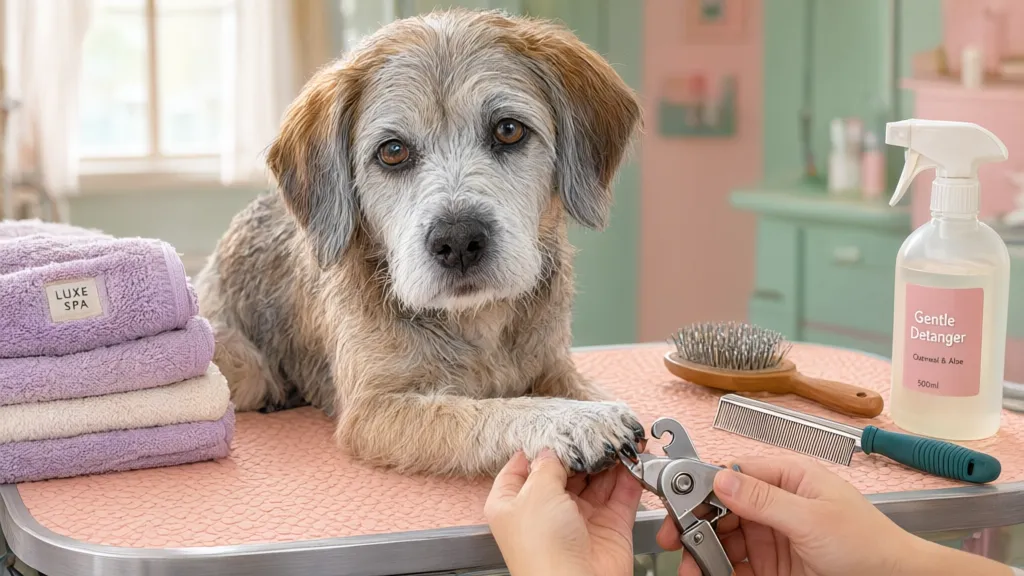
Trimming nails is a critical aspect of grooming that often goes overlooked. Overgrown nails can lead to discomfort, altered gait, and joint issues, particularly in senior dogs already coping with orthopedic problems. Regularly inspect nails and trim them every 4-6 weeks, ensuring they remain at an appropriate length. Consider using a dremel tool for gradual shortening and smoother edges, which can be less stressful than traditional clippers.
Ear hygiene is paramount, as older dogs may be more susceptible to ear infections due to impaired immune function or decreased grooming behavior. Regularly check ears for debris, moisture, or signs of infection such as odor or inflammation. Use veterinarian-recommended ear cleaners to safely maintain ear health, avoiding cotton swabs that can push debris further into the ear canal.
Dental health remains crucial; dental disease is prevalent in senior dogs, which can affect not only oral health but overall systemic health. Implement a routine dental care regimen that includes brushing with dog-specific toothpaste and regular veterinary dental cleanings. Supplements like dental chews can aid in maintaining oral hygiene between professional cleanings.
Monitoring for signs of discomfort during grooming is critical, as older dogs may become more sensitive to touch. Use calming techniques, gentle handling, and breaks during grooming sessions to ensure a positive experience. For dogs exhibiting anxiety, consider desensitization techniques or consult with a professional groomer familiar with senior dog needs.
Environment also plays a role in the grooming process. Ensure a comfortable, non-slip surface during grooming sessions to prevent accidents. Provide supportive assistance for mobility-challenged dogs, particularly when lifting them onto grooming tables or secure surfaces. Moreover, create a peaceful atmosphere to alleviate stress, using soothing music or familiar scents to make the experience more enjoyable.
Related Posts
Top Myths About Feeding Dogs Debunked

ChomChom Roller