Top Myths About Feeding Dogs Debunked
One prevalent myth is that dogs thrive on a meat-only diet, stemming from their ancestral lineage as carnivores. However, domestic dogs possess an omnivorous gastrointestinal system that efficiently digests carbohydrates, proteins, and fats. The presence of specific genes, such as AMY2B, signifies an evolutionary adaptation allowing for the breakdown of starches, indicating that a varied diet is beneficial for overall health. A exclusively meat-based diet can lead to nutrient deficiencies, particularly in calcium, vitamins E and D, and essential fatty acids.
Another common misconception is that commercial dog foods are inherently harmful due to additives and preservatives. In truth, regulations by organizations like the Association of American Feed Control Officials (AAFCO) ensure that commercial dog foods meet minimum nutritional standards. Many dog foods use preservatives that are recognized as safe, aiding in maintaining nutritional integrity. Evaluating ingredient quality and sourcing can be accomplished through understanding product disclosures and labels, as not all commercial foods are equivalent.
Some owners believe that raw diets are universally better. While proponents argue that raw diets mirror a dog’s ancestral diet, these feeding practices pose significant health risks, including bacterial contamination (such as Salmonella and E. coli) for both pets and their owners. Additionally, raw diets often lack essential nutrients or appropriate calcium-to-phosphorus ratios, particularly if not formulated by a veterinary nutritionist. The risks often outweigh the perceived benefits, especially in puppies or immunocompromised dogs.
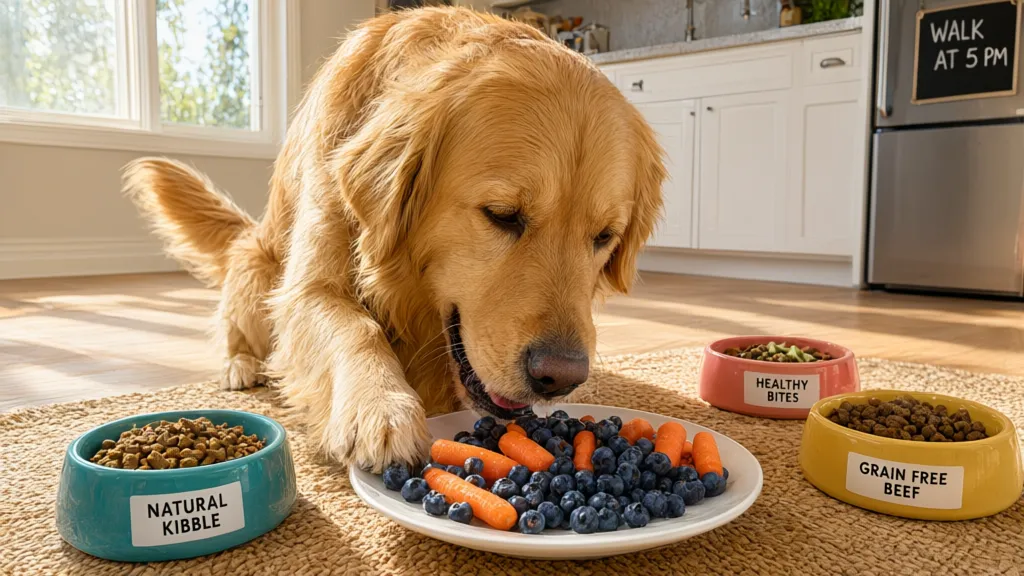
It’s frequently asserted that dogs should not eat fruits and vegetables, which is untrue. Many fruits and vegetables provide beneficial fibers, vitamins, and antioxidants. For example, blueberries can be beneficial for their antioxidant properties, while carrots contribute to dental health. However, the types and quantities must be moderated—some fruits like grapes and raisins are highly toxic, leading to acute kidney failure. Owners should familiarize themselves with safe feeding practices and portioning to avoid gastrointestinal distress.
WOOF Pupsicle Peanut Butter & Beef Refill Pops Dog Treats, Large, 7 Count | For large Pupsicles, peanut butter & beef flavor, long-lasting treats, pre-made Pops, wholesome ingredients, shelf stable
$14.99 (as of October 7, 2026 09:50 GMT +00:00 - More infoProduct prices and availability are accurate as of the date/time indicated and are subject to change. Any price and availability information displayed on [relevant Amazon Site(s), as applicable] at the time of purchase will apply to the purchase of this product.)Feeding practices often include the belief that “table scraps” are harmful; while certain human foods should be avoided, many scraps can be safely incorporated into a dog’s diet as treats or supplements. It’s crucial to understand individual tolerances and the caloric impact on total dietary intake. Foods high in fat or those that are highly seasoned can lead to pancreatitis or other gastrointestinal issues, necessitating specific knowledge about human food compatibility with canine digestion.
Misunderstandings about canine allergies and intolerances also proliferate. Many owners suspect food-related issues based solely on symptomatic behavior, such as itching or gastrointestinal upset. Accurate diagnosis requires veterinary intervention. Elimination diets supervised by veterinarians are necessary for identifying true food allergies versus environmental triggers, offering a more effective and scientifically grounded approach to managing canine health.
What Dogs Can and Cannot Eat
Dogs exhibit a variety of physiological responses to certain foods, with some items posing serious risks and others providing beneficial nutrients. Understanding the specific dietary composition and chemical properties of human foods is essential for making informed decisions. For example, chocolate contains theobromine, which dogs metabolize poorly, leading to potential toxicity. The severity of chocolate poisoning varies based on dog size, type of chocolate, and amount ingested, with dark chocolates being significantly more hazardous than milk chocolate due to higher theobromine concentrations.
Other seemingly innocuous foods can also impair canine health. Onions and garlic contain thiosulfate, which can cause oxidative damage to red blood cells, leading to hemolytic anemia. Symptoms may not manifest immediately; thus, swift identification and veterinary intervention are critical if these foods are consumed. Affected dogs may exhibit lethargy, weakness, or pallor within days after ingestion, making it vital for owners to recognize these signs early.
While fruits may offer nutritional benefits, not all are safe. For instance, avocados contain persin, which can lead to vomiting and diarrhea in sensitive dogs. Similarly, cherry pits, if ingested, can pose a choking hazard and contain cyanogenic compounds, harmful in substantial quantities. It’s advisable to focus on dog-safe produce such as apples (without seeds), blueberries, and pumpkin, which can provide essential vitamins and dietary fiber. Careful portion control is necessary to avoid gastrointestinal upset due to high sugar intake from fruits.
Certain nuts also warrant caution; macadamia nuts, for example, are particularly toxic, leading to ataxia, tremors, and hyperthermia even in small amounts. Conversely, peanut butter is generally safe in moderation, but unsalted and xylitol-free varieties should always be selected, as xylitol is highly toxic to dogs, triggering hypoglycemia and liver failure. Owners are advised to read labels meticulously to avoid these harmful additives.
Cooked bones are often believed to be safe treats; however, they can splinter and cause obstructions or perforations in the gastrointestinal tract. Raw bones, particularly those that are weight-bearing, may present fewer issues but should still be administered with caution to prevent dental harm or induce gastrointestinal upset. Regular observation during feeding is recommended to ensure safe consumption.

Lastly, it especially important for dog owners to be vigilant about potential hidden dangers in common foods. Items like dough or yeast can expand in the stomach, causing distress or torsion. Thus, a thorough understanding of canine dietary needs, along with individual monitoring and education about safe food practices, is essential for maintaining optimal canine health.
The Truth About Grain-Free Diets
Grain-free diets have gained popularity in recent years, often advocated under the belief that they’re more biologically appropriate for dogs, mirroring ancestral diets. However, this perspective overlooks the ability of dogs to digest grains effectively and the evolutionary changes that have occurred since domestic dogs were first bred. Canines possess enzymes, such as amylase, that facilitate the breakdown of carbohydrates, which include grains like rice and barley. These grains supply energy and essential nutrients, including B vitamins and fiber.
Despite the absence of grains, many owners opt for legume-based substitutes such as peas and lentils in their dogs’ diets. While legume-derived carbohydrates can be beneficial, the increasing use of these ingredients, particularly in grain-free formulations, correlates with the rising incidence of canine dilated cardiomyopathy (DCM). The FDA has reported cases of DCM associated with various grain-free diets, particularly those high in peas, lentils, and potatoes. This condition can lead to severe heart issues, notably in breeds that may have genetic predispositions, such as Golden Retrievers and Doberman Pinschers. Careful monitoring of diet composition and the inclusion of heart-healthy options is essential to mitigate risks.
Moreover, the perceived benefits of grain-free diets, which often include improved coat conditions and reduced gastrointestinal issues, can be misleading. In many cases, improvements in a dog’s health indicators may be correlated with other dietary changes made at the same time, such as overall protein quality or adjustments in fat content, rather than the absence of grains per se. Transitioning to a grain-free diet without professional guidance can inadvertently exacerbate nutritional deficiencies, particularly in minerals and fiber, critical for gut health and overall well-being.
Understanding the individual dog’s needs is paramount; factors such as breed, age, weight, and existing health conditions play a significant role in determining diet suitability. Not all dogs will thrive on grain-free diets, and some may experience adverse reactions due to a lack of dietary diversity. It’s important for owners to consult with veterinary nutritionists to design a balanced diet that encompasses all essential nutrients while considering any food sensitivities or health concerns the dog may have.
Lastly, a comprehensive evaluation of dog food labels is necessary when choosing commercial dog food. This includes scrutinizing not only the presence of grains but also the overall ingredient quality, sourcing practices, and the expression of protein/fat content, which can greatly affect diet efficacy. Increased awareness and knowledge surrounding these dietary concerns can lead to better health outcomes for dogs and reduce the risk associated with misperceptions regarding grain-free diets.
Understanding Portion Sizes and Feeding Guidelines
Accurate portion sizes tailored to a dog’s individual needs are critical to maintaining optimal health and preventing obesity, a growing concern in canine welfare. Factors such as age, breed, weight, activity level, and metabolic rate significantly influence the caloric requirements of each dog. For instance, high-energy breeds like Border Collies may require more calories to sustain their activity levels compared to lower-energy breeds like Bulldogs. As dogs age, their metabolic rates generally decrease, necessitating a recalibration of portion sizes to prevent weight gain.
Understanding proper serving sizes begins with referencing feeding guidelines provided by dog food manufacturers, which usually suggest a range based on the dog’s weight. However, these guidelines are generalizable and may not account for factors like individual activity levels or thermoregulation in different environments. For personalized assessments, measuring body condition score (BCS) is beneficial. This visual and tactile evaluation helps categorize a dog’s body condition on a scale from 1 to 9, allowing owners to fine-tune dietary intake according to specific needs. A BCS of 4-5 is ideal, indicating a healthy weight where ribs are easily felt but not visibly protruding.
Portions should be divided into multiple meals throughout the day, especially for puppies, due to their need for consistent nutrient availability for growth. Feeding adult dogs twice daily not only helps manage hunger but also minimizes potential gastrointestinal disorders, such as bloat, which can occur with single large meals. Additionally, using measuring cups or a kitchen scale ensures accurate serving sizes, preventing overfeeding that can occur when food is served in a free-choice manner.
Monitoring food intake is vital. Owners should maintain a feeding log, noting food type, quantities, and any treats administered. This practice aids in maintaining awareness of caloric intake and allows for adjustments as needed based on physical changes. Visual cues, like weight gain or loss, should prompt dietary reassessment along with consultations from veterinary professionals, particularly if significant shifts occur.
When considering various feeding methods, such as raw or home-cooked diets, it’s imperative to calculate portion sizes that ensure balanced nutrition. Consulting with a veterinary nutritionist is recommended to formulate these diets and sustain appropriate nutrient levels, including protein, fats, and critical micronutrients. For example, raw diets may necessitate careful balancing of calcium and phosphorus to avoid skeletal development issues in growing dogs.
As with all aspects of canine care, individual assessments will vary widely. Seasonal changes in activity levels should also dictate portion size adjustments. During colder months, dogs may expend more energy to maintain body heat, thereby requiring increased caloric intake. Regular veterinary check-ups and evaluations of overall health will provide opportunity for managing diet effectively as circumstances change.
Related Posts

ChomChom Roller

Choosing the Perfect Dog Bed – Comfort and Style