Choosing the Perfect Dog Bed – Comfort and Style
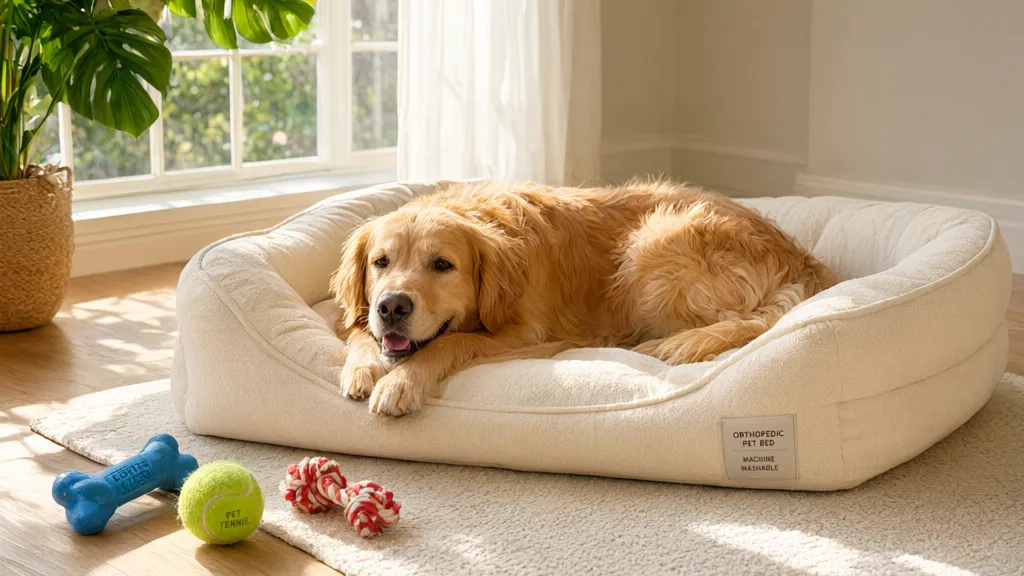
Comfort in a dog bed is contingent upon multiple interrelated factors, notably the dog’s size, weight, age, breed, and any pre-existing medical conditions. Larger breeds such as Great Danes and Mastiffs require beds designed for larger frames with adequate support to avoid musculoskeletal issues, which can arise from improper bedding. For instance, orthopedic foam beds provide essential joint support, particularly for aging dogs exhibiting signs of arthritis. These high-density foams conform to body contours, alleviating pressure points, crucial for dogs suffering from hip dysplasia or degenerative joint disease.
Temperature regulation tremendously affects comfort; certain breeds with thick coats, such as Huskies, may struggle with overheating in poorly ventilated or insulated beds. Conversely, short-haired breeds like Chihuahuas may benefit from beds that retain warmth. Consider elevated beds for good airflow in warmer climates, while beds with thermal insulation or protective covers are preferable for cold environments.
The sleeping posture of dogs can provide insight into their comfort. Dogs that curl up tightly often prefer a more enclosed bed, such as a nest-style design, which offers security and warmth. Conversely, dogs that stretch out may favor flat or rectangular beds. Observing your dog’s sleep patterns and behaviors, such as sighing in contentment or shifting positions, can inform decisions regarding ideal bed shape and structure.
Furthermore, the purpose of the sleep space is key; for example, if the bed will be used primarily for crate training or traveling, a portable, lightweight option might be necessary. Active dogs, particularly working breeds, could benefit from durable, chew-resistant materials to withstand wear from vigorous activity. Select materials resistant to stains and odors not only enhance longevity but also simplify maintenance and cleaning, an often overlooked aspect impacting comfort and hygiene.

Blue Buffalo Health Bars Pumpkin & Cinnamon Dog Biscuits, 16 oz | Oven-Baked, Crunchy Texture, No Chicken By-Product, Corn, Wheat, or Soy
$4.98 (as of October 6, 2026 09:39 GMT +00:00 - More infoProduct prices and availability are accurate as of the date/time indicated and are subject to change. Any price and availability information displayed on [relevant Amazon Site(s), as applicable] at the time of purchase will apply to the purchase of this product.)Specific attention should be given to a dog’s behavioral tendencies; anxious dogs might feel more at ease in a den-like bed that mimics a secure environment. Additionally, observing any adverse reactions, such as excessive scratching or reluctance to enter the bed, can indicate discomfort, prompting the need for materials that reduce allergens or irritants.
Consulting with veterinarians about individual health issues can further refine choices; for example, dogs recovering from surgery may need special beds that provide stability and prevent excessive movement. Adjustments that take into account the evolving needs of a dog—such as changing from a plush bedding to more supportive materials as they age—are critical in maintaining optimal comfort. A thorough understanding of these factors ensures that the chosen bed contributes positively to the dog’s overall well-being.
Exploring Different Dog Bed Styles
Different dog bed styles cater to diverse needs, influenced by behavioral traits, physical characteristics, and lifestyle complications. For example, bolster beds, with raised edges, offer a sense of security for puppies and anxious dogs by providing a boundary that mimics den-like environments. The psychological comfort these beds provide can alleviate stress responses and undesired behaviors, such as excessive barking or destruction during separation anxiety episodes.
Flat beds or mats serve well for larger breeds like Greyhounds and Great Danes that prefer to stretch fully when resting. Such beds maximize horizontal space, promoting freedom of movement, crucial for their joint and muscle health. Additionally, these beds can be beneficial for overweight dogs, as they distribute weight more evenly across a larger surface area, lowering the risk of pressure sores that can arise from prolonged lying in one position.
Thermal beds are designed to maintain temperature regulation and are particularly advantageous for senior dogs or those with arthritis. These beds retain body heat, easing muscle and joint stiffness during colder months. In contrast, cooling beds, often made with gel inserts or breathable mesh, are essential for breeds prone to overheating, such as Bulldogs and Pugs, providing much-needed relief in warm environments. The material configuration of these beds facilitates heat dissipation, promoting comfort over longer periods.
Another category includes raised dog beds, which elevate the sleeping surface off the ground. These beds not only enhance airflow, reducing the likelihood of heat buildup during warm seasons, but they also keep dogs off damp or cold surfaces, lowering the risk of hypothermia in outdoor settings. Raised beds can be invaluable for older dogs, providing ease of entry and exit while reducing strain on joints.
For dogs prone to destructive behaviors, chew-resistant beds made from durable, high-quality materials are crucial. Some brands use advanced fabrics engineered for enhanced longevity and resistance to wear. When selecting styles, also consider the ease of cleaning. Removable and washable covers can mitigate bacterial buildup while contributing to overall hygiene, impacting the dog’s health, especially for those with skin sensitivities.
It is critical that owners assess their dogs’ not only immediate needs but also future requirements as they age. Lifestyle factors, including travel habits, should influence style choices; portable and lightweight beds may suit active families, while specialized designs are essential for dogs with specific medical conditions or behavioral issues. Ultimately, understanding how various styles fulfill physiological and behavioral needs will lead to better choices, enhancing both comfort and mental well-being.
Materials and Durability: What to Look For
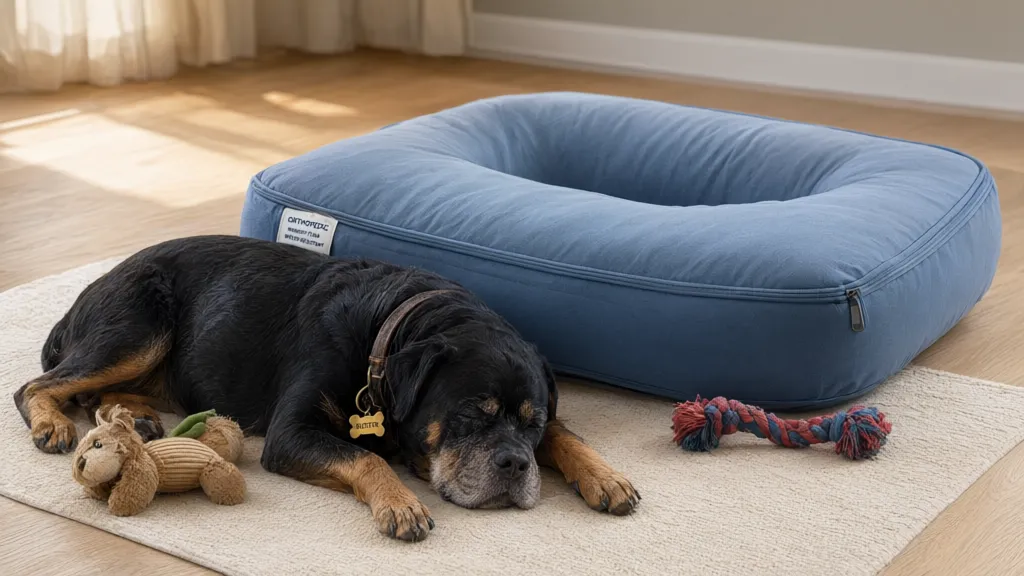
When choosing materials for dog beds, prioritize functionality in relation to the dog’s size and breed. High-density memory foam provides superior support, accommodating larger breeds and those with pre-existing orthopedic concerns. This material adapts to the dog’s body, offering critical pressure relief for breeds susceptible to joint issues, such as Rottweilers and German Shepherds. Ensure the foam is CertiPUR-US certified to avoid harmful chemicals that could pose health risks.
Consider waterproof covers for ease of maintenance, particularly for younger dogs prone to accidents or older dogs with incontinence issues. These covers can mitigate moisture damage and odors, maintaining the integrity of the bed over time. Fabrics like nylon or polyester with a waterproof barrier offer durability and stain resistance, which are crucial for high-activity breeds that may soil their bedding frequently.
For enhanced comfort, opt for materials with breathable properties, such as cotton or bamboo fiber. These fabrics help regulate temperature, reducing the risk of overheating in breeds like Bulldogs, who are particularly sensitive to heat due to their brachycephalic nature. Moreover, hypoallergenic materials can be beneficial for dogs with skin sensitivities or allergies, significantly lowering the risk of dermatitis and other skin-related issues.
Evaluate the durability of the bed’s exterior fabric carefully, especially for heavy chewers or diggers such as Pit Bulls and Labrador Retrievers. Materials labeled as “chew-resistant” or “ripstop” extend the lifespan of a bed despite rough treatment. Look for reinforced stitching and robust zippers that can endure the wear and tear from dogs engaging in instinctual digging or chewing behaviors.
Additionally, consider the environmental impact of dog bed materials. Options made from recycled or eco-friendly materials not only benefit the planet but can also appeal to conscious consumers. Brands increasingly offer beds using sustainable practices, such as organic cotton or recycled polyester, which may provide anecdotal benefits in terms of reduced exposure to harmful chemicals.
Abide by safety standards by checking for certifications that ensure the absence of harmful substances in dog bed materials. This is particularly crucial for items that will accompany puppies, who are prone to chewing and ingesting foreign materials. Identify any signs of wear or damage during periodic inspections to prevent accidental ingestion of bedding materials. Maintaining awareness of the specific materials used in a bed can enhance both hygiene and the overall health of the dog throughout its lifetime.
Maintaining and Cleaning Your Dog Bed
Cleaning and maintaining a dog bed is critical for the health and comfort of your pet. Regular maintenance prevents the buildup of allergens, bacteria, and unpleasant odors, which can all lead to health issues, especially in dogs with compromised immune systems or skin sensitivities. Begin by vacuuming the bed weekly to remove hair, dirt, and debris, focusing on seams and crevices where particles accumulate. This simple task helps mitigate the proliferation of dust mites and other allergens.
For removable covers, follow the manufacturer’s guidelines on washing temperatures and detergents. Generally, using a mild detergent without harsh chemicals ensures the fabric remains gentle on your dog’s skin. High-temperature washes can help eliminate parasites such as fleas and their eggs, which may reside in bedding. Ensure thorough drying, as dampness can lead to mold growth, posing significant respiratory risks. For waterproof covers, inspect the seals to confirm they retain their integrity post-wash—compromised waterproofing can result in absorbent moisture penetrating the inner materials.
Consider the use of enzymatic cleaners for removing organic stains, particularly for puppies or older dogs with incontinence issues. These cleaners break down biological material rather than merely masking odors, effectively managing persistent smells and hygiene. Ensure any cleaning agents are non-toxic, as dogs may chew their beds or lie on freshly cleaned surfaces. Pay attention to the frequency of deep cleaning based on the dog’s activities; outdoor dogs or those with excessive drooling may necessitate more frequent washes.
Monitor the bed for signs of wear, such as frayed edges, visible foam degradation, or unpleasant odors that persist despite cleaning. Worn beds not only compromise comfort but can also impact orthopedic health, as they no longer provide the necessary support. Replace beds every 1-2 years, depending on the material quality and your dog’s behavior. For dogs prone to chewing, consider beds with reinforced seams and materials designed for longevity, thus reducing the frequency of replacements.
Fleas, ticks, and mites manifest as skin irritations or obsessive scratching. If you observe such symptoms, check for infestations within the bed as a potential source and treat both the dog and the bedding with veterinarian-recommended options. Additionally, seasonal cleaning—such as disinfecting with veterinary-approved products during shedding seasons—can further safeguard against infestations and ensure maximum health benefits.
Incorporating a proactive approach to maintenance not only extends the lifespan of dog beds but also fosters a cleaner, healthier environment for your pet. Establishing a routine based on your dog’s lifestyle and cleanliness needs can ultimately enhance their quality of life, reducing stressors related to allergens or irritants within their primary resting space.
Related Posts

Bouvier des Flandres

Waterproof AirTag Holder for Dog Collar