Bouvier des Flandres
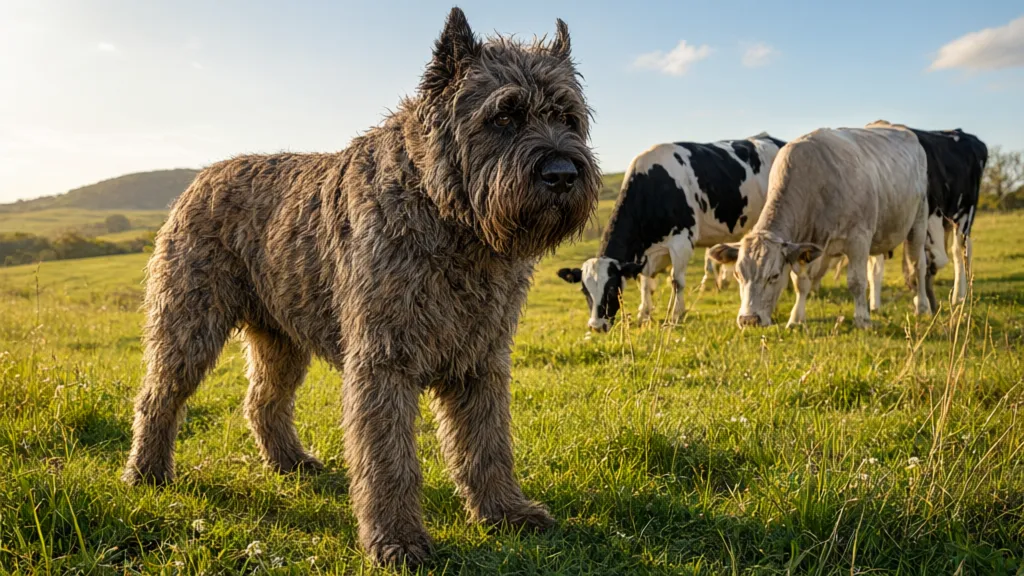
The Bouvier des Flandres, originally bred in the Flanders region of Belgium, traces its ancestry back to the medieval era, serving primarily as a herding and farm dog. This breed was developed through the selective mixing of various working dogs, including the now-extinct Bouvier. The goal was to create a versatile dog capable of herding cattle, pulling carts, and performing various farm duties, which required intelligence, strength, and adaptability. Historical functions influenced physical attributes, leading to its robust physique, dense double coat, and powerful limbs, which allowed it to withstand the harsh climates of its native region.
The breed’s working capability was essential during the 19th century, reflecting a societal reliance on agriculture and livestock. As mechanization evolved, the demand for such dogs diminished, and this breed faced near extinction. However, dedicated fanciers and kennel clubs, particularly during the early to mid-20th century, undertook efforts to preserve and promote the breed through careful breeding practices. These efforts were integral to enhancing its functional traits while establishing this breed standard recognized today, which includes a strong, compact build and distinctive facial whiskers.
The Bouvier des Flandres is known for achieving dual purpose in both herding and guarding. As a guardian, its presence in rural areas historically protected livestock from predators. This necessitated the development of specific behavioral characteristics such as wariness towards strangers and a protective demeanor, shaped by the dog’s role in safeguarding property and livestock. Fanciers recognized these attributes as beneficial, leading to selective breeding towards dogs with reliable guarding instincts without compromising socialization potential.
Modern breeding practices have emphasized genetic health alongside working capabilities. Canine health surveys have identified prevalent genetic conditions such as hip dysplasia and certain eye disorders. Thus, responsible breeding programs are crucial in managing these risks and promoting overall breed health. Monitoring lineage for genetic diversity helps in mitigating hereditary diseases, ensuring vigor and longevity in offspring.
Milk-Bone Original Biscuits Medium Dog Treats, 24 Oz.
$2.99 (as of October 5, 2026 09:32 GMT +00:00 - More infoProduct prices and availability are accurate as of the date/time indicated and are subject to change. Any price and availability information displayed on [relevant Amazon Site(s), as applicable] at the time of purchase will apply to the purchase of this product.)In contemporary settings, the Bouvier des Flandres exhibits a balance between its historical functions and companionable traits. Owners interested in this breed should appreciate its heritage and the responsibilities of ownership. Understanding the breed’s evolution provides insight into training methodologies; this dog requires structured guidance to harness its intelligence and strength effectively. Recognizing the roots of its temperament and behavior is essential for successful integration into family life, as training and socialization remain key to nurturing desired traits while mitigating potential guarding tendencies.
Physical characteristics
The Bouvier des Flandres boasts a robust, compact physique characterized by a muscular build, broad chest, and powerful limbs, which reflects its historical role as a working dog. Adult males typically weigh between 99 to 110 pounds and stand approximately 24 to 28 inches tall, while females range from 70 to 90 pounds and are about 23 to 26 inches at the shoulder. This size aids in mobility while enabling the breed to perform tasks requiring strength and endurance.
A distinctive feature of the breed is its dense, double coat, which consists of a harsh outer layer and a soft undercoat. The coat serves as insulation against harsh weather conditions, and the breed is often found in various shades, including brindle, fawn, and black. Regular grooming is essential not just for aesthetic purposes but to prevent matting and skin issues. Owners should note that the coat undergoes seasonal shedding, necessitating increased grooming frequency during these periods to maintain skin health and coat condition.
The Bouvier des Flandres exhibits unique facial characteristics, including a pronounced beard and eyebrows that frame the eyes, enhancing its keen expression. The breed’s ears are typically cropped, though some may remain natural. The combination of these features contributes to its alertness and attentiveness. The eyes, generally dark and round, provide a clear indication of the dog’s mood and focus; any signs of redness or discharge may signal underlying health issues requiring veterinary evaluation.
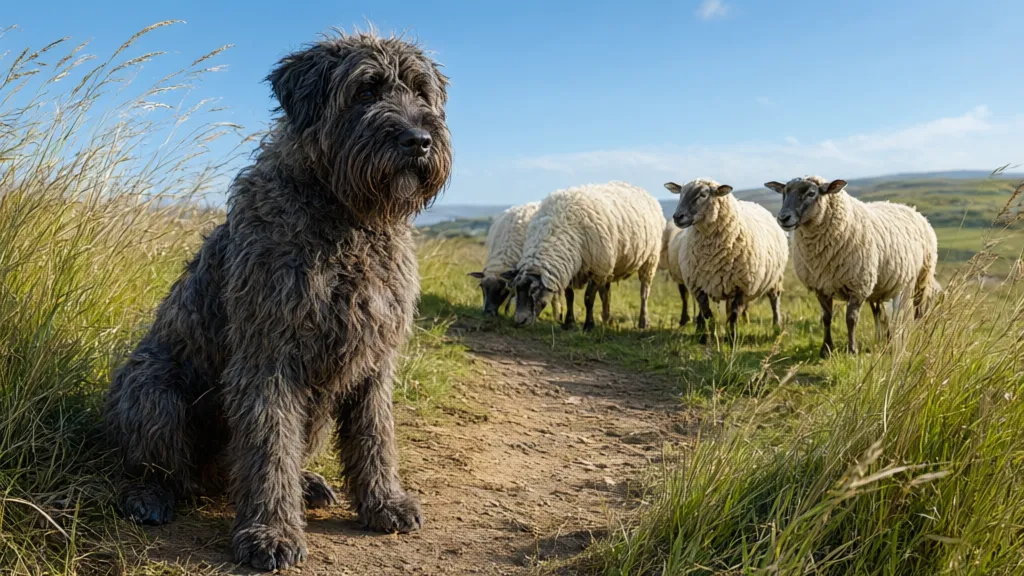
Apart from physical traits, the overall demeanor is strongly linked to its size and structure. Heavy-boned but agile, these dogs possess a natural athleticism that allows for versatility in work and play. This structural robustness predisposes them to certain musculoskeletal issues, such as hip and elbow dysplasia, particularly in lines that have been poorly bred. Observing weight management and providing appropriate exercise are crucial in preventing joint stress and promoting long-term mobility.
Moreover, the breed’s physical characteristics influence its behavior in training environments. The Bouvier des Flandres is highly intelligent and responsive to structured training protocols, requiring consistency and reinforcement. Socialization must begin early to mitigate any wariness towards newcomers, given the breed’s guarding instincts fostered through historical tasks. Understanding its physicality aids handlers in creating a training regimen tailored to the dog’s instinctual drives and physical capabilities.
Monitoring the Bouvier des Flandres for any observable physical changes, such as unusual weight fluctuations or alterations in gait, is essential. Such changes could indicate health concerns that may necessitate veterinary intervention, particularly as the breed matures past the age of five when various degenerative concerns may emerge. Structured health screenings across generations can mitigate risks associated with hereditary conditions, ensuring a financially and emotionally healthy lifecycle for the Bouvier des Flandres.
Temperament and care
The temperament of the Bouvier des Flandres is significantly influenced by its historical roles as a farm and herding dog, which imbues it with a natural work ethic, intelligence, and a protective nature. This breed exhibits strong loyalty and attachment to its family, often forming deep bonds with its owners and becoming wary of strangers. Early socialization is crucial; it helps mitigate potential wariness and aggression towards unfamiliar situations and individuals. Owners should expose their Bouviers to varied environments, people, and animals from a young age to promote positive interactions and adaptability.
Behaviorally, the Bouvier is known for its high intelligence and functional problem-solving abilities. This cognitive capacity necessitates structured training approaches that leverage positive reinforcement methods. Given their working heritage, Bouviers can thrive in engagement-focused activities, such as obedience training, agility courses, or herding trials, enhancing mental stimulation and physical exercise. A lack of stimulation can lead to boredom and subsequent behavioral issues, including excessive barking, chewing, or even more severe anxiety-related behaviors. Observing the dog’s energy levels and providing sufficient daily exercise is vital to prevent these issues.
Care for the Bouvier des Flandres also includes managing its physical and emotional well-being. Physical health monitoring should encompass regular veterinary check-ups to detect early indicators of conditions such as hip dysplasia and eye disorders common within this breed. Routine assessments of weight, coat condition, joint mobility, and behavior help identify underlying health concerns. Nutritionally, a high-quality, breed-specific diet that meets their energy needs and supports joint health is essential; it is recommended to factor in the potential for obesity due to their less active nature when not engaged in work or training.
Tempering their protective instincts is another consideration in care. Bouviers require a balance of leadership and social comfort, as poorly managed protective behaviors can escalate into aggression if not addressed adequately. Engaging professionals for behavior modification or training classes can provide an added advantage in developing their social skills. Furthermore, maintaining an environment enriched with tasks and exercises fosters a sense of purpose for the dog, which is instrumental for their psychological health.
During grooming, owners should dedicate time to brushing the dense double coat several times a week to prevent matting and skin issues, especially during shedding seasons when hairs can accumulate. Regularly inspecting the ears and trimming the nails especially important to prevent infections and discomfort, respectively. Monitoring oral health through regular dental care reduces the risk of periodontal disease, which is especially pertinent in larger breeds as they age. These comprehensive care strategies not only promote a healthy lifestyle but also enhance the bond between the Bouvier and their family through consistent, positive interactions.
Related Posts

Waterproof AirTag Holder for Dog Collar
Puppy Pads with Pheromones