A Guide to Holistic Dog Health Care
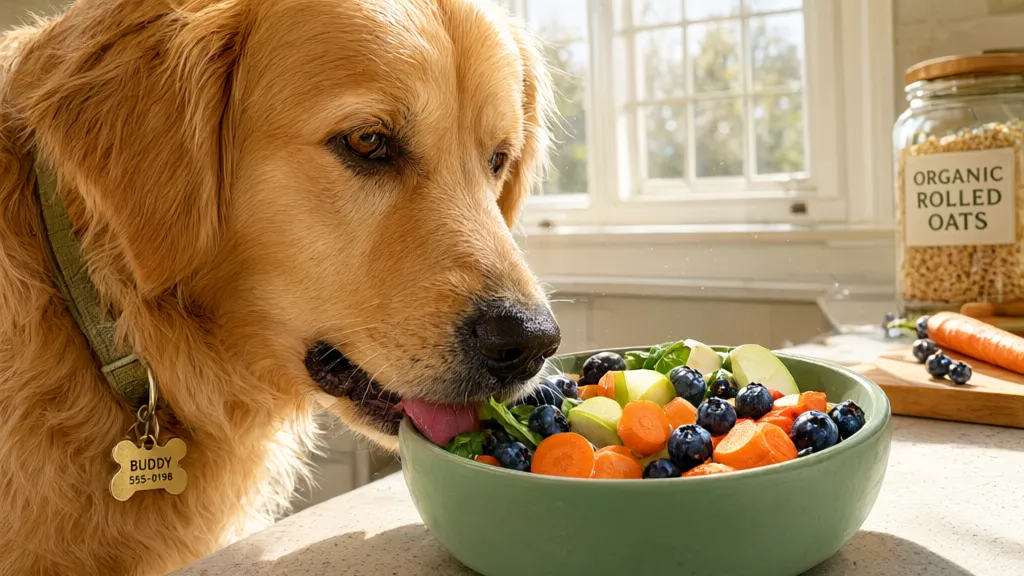
Holistic dog nutrition involves a comprehensive understanding of the dog’s physiological and psychological needs, ensuring that dietary choices align not only with health but also with lifestyle and behavior. Macronutrients—proteins, fats, and carbohydrates—must be carefully balanced, taking into account the dog’s breed, age, activity level, and any pre-existing health conditions. Puppies and younger dogs require higher protein levels for growth, while senior dogs often necessitate lower caloric intake to prevent obesity, which predisposes them to joint issues, diabetes, and heart disease.
Feeding practices should emphasize high-quality, species-appropriate ingredients. For example, breeds such as Bulldogs or Dachshunds, predisposed to obesity and joint problems, benefit from diets rich in omega-3 fatty acids that enhance joint health and reduce inflammation. Meanwhile, herding breeds like Border Collies require diets rich in lean proteins and complex carbohydrates to support their high energy demands and maintain cognitive function.
Introduce a variety of whole foods, including fruits and vegetables, to supply essential vitamins, minerals, and antioxidants. Carrots and blueberries are excellent choices for most dogs; however, introduce them cautiously to assess tolerance as some dogs may have gastro-intestinal sensitivity. Sweet potatoes offer beta-carotene, supporting immune function and healthy vision, particularly in breeds known for eye disorders such as Cocker Spaniels.
Consider the role of digestive health in nutrition. Dogs possess a unique gut microbiota which influences their overall wellness. Probiotics can enhance gut flora and improve digestion, particularly in breeds prone to gastrointestinal issues, such as German Shepherds. Moreover, prebiotic fibers from sources like chicory root support gut health by promoting beneficial bacteria. Observe signs of digestive distress, such as changes in stool consistency or frequency, and adjust dietary components accordingly.
Vetnique Glandex for Dogs Anal Gland Chews 60ct Pumpkin + Digestive Enzymes | Anal Gland Dog Treats, Boot the Scoot + Fishy Odor Support, Fiber, Probiotics, Quercetin + Apple Pectin, Peanut Butter
$34.99 (as of October 23, 2026 12:02 GMT +00:00 - More infoProduct prices and availability are accurate as of the date/time indicated and are subject to change. Any price and availability information displayed on [relevant Amazon Site(s), as applicable] at the time of purchase will apply to the purchase of this product.)Home-cooked and raw diets continue to grow in popularity but must be approached with caution. Nutritional imbalances can lead to deficiencies or excesses, impacting health. Consulting with a veterinary nutritionist ensures that diets meet the AAFCO nutrient profiles based on life stage. Particular attention should be paid to conditions requiring specialized diets, such as renal disease in older dogs, necessitating a protein-restricted formulation with controlled phosphorus levels.
Hydration is often overlooked in holistic nutritional approaches. Ensure fresh, clean water is always available, as dehydration can severely impact organ function. Additionally, feeding moist foods can aid in hydration and encourage intake among dogs that are less enthusiastic about drinking.
Monitoring body condition score and adjusting feeding regimens as needed are crucial practices. Use a scale of 1 to 9 to assess whether a dog is underweight, ideal, or overweight. Regular veterinary check-ups are essential for evaluating nutritional adequacy in the context of overall health status and to make necessary dietary modifications. Implementing a holistic approach to nutrition requires continuous assessment and a commitment to sharing decision-making with veterinary professionals.
Integrative Wellness Practices
Integrative wellness practices encompass a range of complementary approaches that enhance a dog’s health and well-being beyond conventional veterinary care. These practices include acupuncture, chiropractic care, herbal therapies, and massage, which can be beneficial for various physical and behavioral issues. Acupuncture, for instance, involves the insertion of needles at specific points to stimulate nerve endings, improving circulation and alleviating pain. Research indicates that acupuncture can provide relief for conditions such as arthritis in senior dogs and can be integrated into pain management protocols.
Chiropractic adjustments focus on the spinal alignment which directly impacts the nervous system. Misalignment can lead to pain, reduced mobility, and behavioral changes in dogs. Regular chiropractic assessments can be instrumental, especially for athletic breeds like Greyhounds or Working dogs that endure high physical stress. Early recognition of spinal issues through observation of gait changes or unwillingness to engage can cue timely interventions.

Herbal medicine presents another avenue for supporting canine health, offering a variety of natural remedies targeting specific ailments. For instance, turmeric can be employed as an anti-inflammatory agent, beneficial for older dogs suffering from joint discomfort. However, it’s crucial to formulate dosages correctly and use veterinary guidance to prevent adverse interactions with conventional medications.
Massage therapy can enhance circulation, reduce anxiety, and improve flexibility, specifically beneficial for dogs in rehabilitation following surgery or injury. Canines, particularly those genetically predisposed to musculoskeletal problems like Labradors or Bulldogs, exhibit noticeable benefits from regular massage sessions aimed at stress relief and relaxation. Owners should watch for signs of discomfort during massage, adjusting pressure and technique as required to create a positive experience.
Incorporating mindfulness and stress reduction techniques is essential. Dogs, like humans, can experience anxiety and stress, which exacerbate health issues. Techniques such as guided relaxation or music therapy can create a calming environment. Creating a safe space with ample physical enrichment—like toys and interactive games—reduces stress and promotes mental stimulation, crucial for breeds like Border Collies that require both physical and cognitive engagement.
Regular assessments of holistic practices’ effectiveness should be undertaken. Owners should document observable changes—both positive and negative—in their dog’s behavior or physical condition. Collaborating closely with veterinarians who understand both traditional and integrative methodologies ensures a tailored approach that aligns with the dog’s unique needs, ultimately fostering greater health outcomes. This synergy between conventional and alternative practices allows for a more comprehensive understanding and management of canine health, enhancing quality of life through a multifaceted approach.
Preventive Care and Maintenance
Preventive care and maintenance are critical components in promoting long-term health and addressing potential health issues before they escalate. Regular wellness examinations should be scheduled at least annually, or more frequently for senior dogs or those with chronic conditions. A thorough examination includes not only physical assessment but also a review of vaccination history, dental health, and parasite prevention. Canine dental disease is prevalent, affecting up to 80% of dogs by age three. This can lead to systemic issues such as heart and kidney disease due to bacteria entering the bloodstream. Implementing a dental care routine that includes daily brushing and dental chews can mitigate these risks.
Vaccination protocols must be tailored based on the dog’s lifestyle, breed predispositions, and geographical location. While core vaccines are vital for all dogs, non-core vaccines may provide additional protection against diseases prevalent in specific areas or that certain breeds are more susceptible to. Awareness of zoonotic diseases, such as Lyme disease transmitted by ticks—which can pose significant risks for certain breeds like Labrador Retrievers—is crucial. Owners must be vigilant about preventive treatments, including monthly flea, tick, and heartworm preventative measures, dependent on regional tick and mosquito populations.
Nutrition plays an integral role in preventive care. Maintaining an optimal body condition score through regular weight monitoring can prevent obesity-related disorders, which are rampant in sedentary breeds like Basset Hounds or Beagles. Routine physical activity, in alignment with the dog’s energy requirements and physical capabilities, enhances cardiovascular health, reduces behavioral problems, and improves cognitive function, particularly in older dogs. Adapting activities to the breed’s natural instincts can also aid in fulfilling their psychological needs—herding breeds may benefit from agility training, while scent hounds thrive on nose work activities.
Behavioral observations are paramount in the early detection of health issues. Changes in appetite, energy levels, or behavior can indicate underlying health problems. For example, excessive drinking or urination might be symptomatic of diabetes or kidney issues, particularly in predisposed breeds like Poodles and Dachshunds. Implementing a daily monitoring routine for any signs of distress and maintaining an open dialogue with veterinarians can facilitate early intervention.
Consideration of environmental factors is essential as well. Reducing exposure to pollutants and ensuring a safe living environment can significantly impact a dog’s quality of life. Regular exercise in non-toxic settings, provision of a secure outdoor area, and awareness of toxic plants common in the home can prevent accidental poisoning. Developing a comprehensive preventive care plan that integrates nutrition, behavior, dental health, vaccinations, and environmental safety will optimize canine wellness and longevity.
Related Posts

How to Transition Your Dog to a New Diet Safely

Calming Dog Bed Mat