Safe and Unsafe Human Foods for Dogs
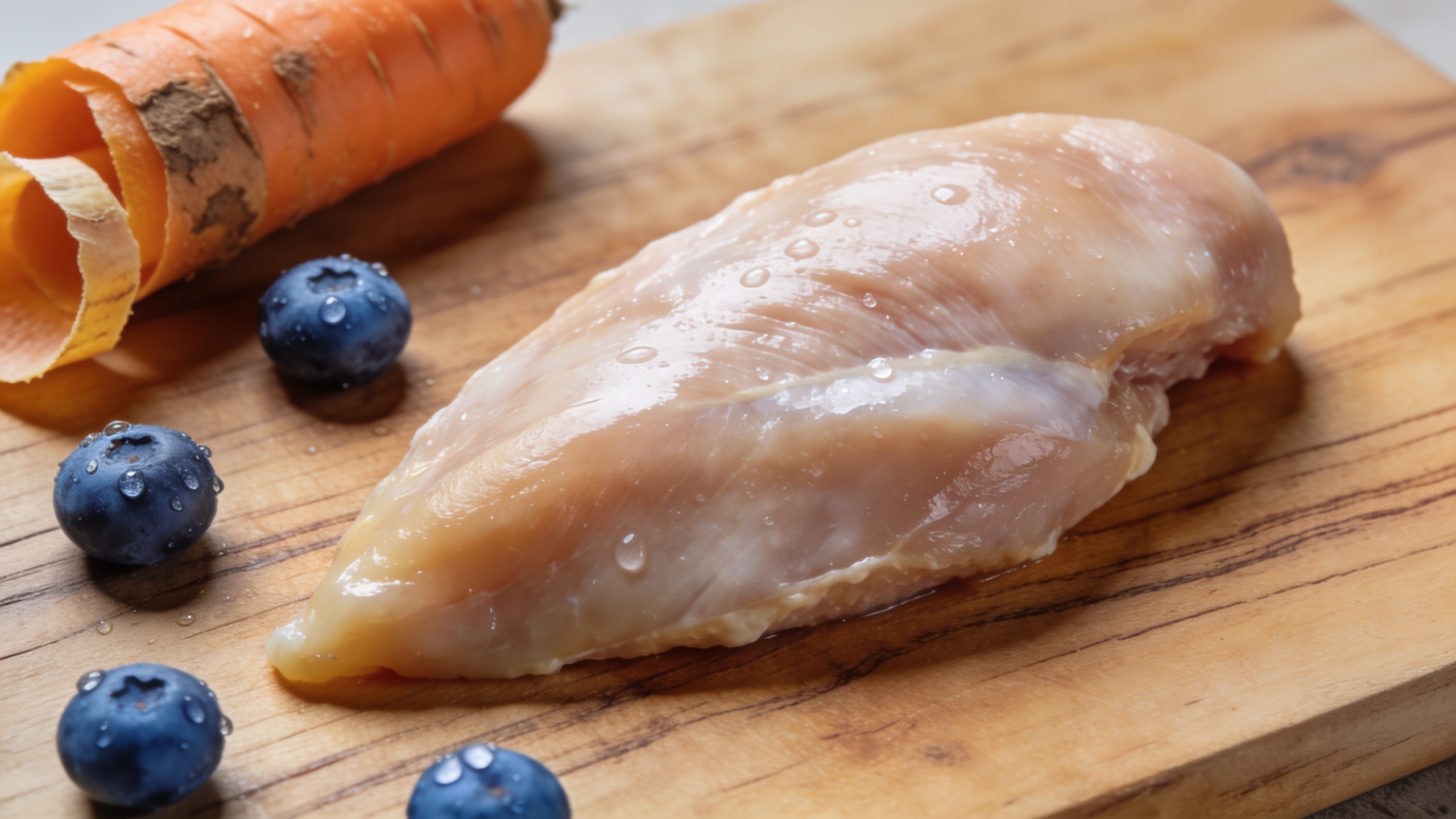
Certain human foods can contribute significantly to a dog’s diet, fostering not only caloric intake but also essential nutrients. Lean meats, such as chicken, turkey, and beef, are protein-rich options that support muscle development and overall health. However, it is critical to remove bones and excess fat, as these can pose choking hazards or lead to pancreatitis in predisposed breeds.
Fruits and vegetables are valuable for their vitamins and fiber content. Blueberries are low in calories and high in antioxidants, beneficial for immune function. Carrots, being crunchy, can aid dental health and are a low-calorie snack that supports vision due to their beta-carotene content. However, some dogs may have difficulty digesting raw vegetables, so cooking or mashing may enhance bioavailability. Avoid high-sugar fruits like grapes and raisins, which are toxic to dogs.
Whole grains like brown rice and oats offer energy and contribute to a balanced diet. These grains contain nutrients such as B vitamins, which are necessary for energy metabolism, and fiber that supports gastrointestinal health. It is vital to monitor portions, as excess carbohydrates can lead to obesity, especially in sedentary breeds.
Many dogs benefit from dairy products, such as plain yogurt and cottage cheese, which are good sources of probiotics and calcium. However, lactose intolerance can be common in certain breeds, leading to gastrointestinal disturbances. Always introduce any dairy slowly to gauge tolerance.
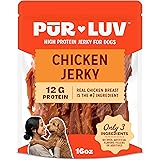
Pur Luv Dog Treats, Chicken Jerky Dog Treat with Real Chicken Breast, 16 oz | High protein and low fat, Limited ingredient recipe, No artificial flavors or preservatives, Satisfies instinct to chew
$14.09 (as of October 21, 2026 11:52 GMT +00:00 - More infoProduct prices and availability are accurate as of the date/time indicated and are subject to change. Any price and availability information displayed on [relevant Amazon Site(s), as applicable] at the time of purchase will apply to the purchase of this product.)Peanut butter is often well-received and can stimulate mental engagement when used in food puzzles. Select varieties that do not contain xylitol, an artificial sweetener this is highly toxic to dogs. Ensure moderation, as high-fat content can contribute to obesity and pancreatitis when consumed excessively.
Eggs are another acceptable option, providing high-quality protein and essential amino acids. Raw eggs should be avoided due to potential salmonella risk and biotin absorption interference, so cooking is recommended. Monitor your dog’s response to new foods, watching for signs of digestive upset or allergic reactions, which can be breed-specific or related to individual sensitivities.
When incorporating human foods into a dog’s diet, balance and moderation are essential. Consult with a veterinarian to tailor dietary changes based on individual health conditions, activity levels, and specific breed considerations. Any introduction of new foods should be gradual to allow for adjustment to avoid gastrointestinal distress.
Unsafe human foods for dogs
Many common human foods present significant risks to canine health, leading to acute or chronic illnesses that may require veterinary intervention. Chocolate, for example, contains theobromine, which dogs metabolize slowly, leading to potential toxicity. Symptoms can include increased heart rate, tremors, seizures, and even death, particularly in smaller breeds due to their lower body mass. The risk intensifies with darker chocolates, as they contain higher concentrations of theobromine.
Onions and garlic belong to the Allium family and can cause oxidative damage to red blood cells, resulting in hemolytic anemia. This condition often presents with lethargy, increased heart rate, and pallor of the gums. Even small quantities can be toxic, especially for breeds like Shiba Inus and Akitas, which are genetically predisposed to heightened sensitivity.
Grapes and raisins are notable for causing acute kidney failure in dogs, with the exact toxic compound still unidentified. Clinical signs may include vomiting, diarrhea, lethargy, and reduced urine production. Individual sensitivity varies widely; some dogs may ingest grapes without immediate issues while others will react severely, thereby necessitating immediate veterinary attention upon ingestion.
Alcohol poses severe risks, potentially leading to central nervous system depression, respiratory failure, and liver damage, even in small quantities. Signs of alcohol poisoning include disorientation, vomiting, tremors, and seizures. Certain holiday foods, particularly those containing alcohol like fruitcake or certain desserts, can inadvertently harm dogs.
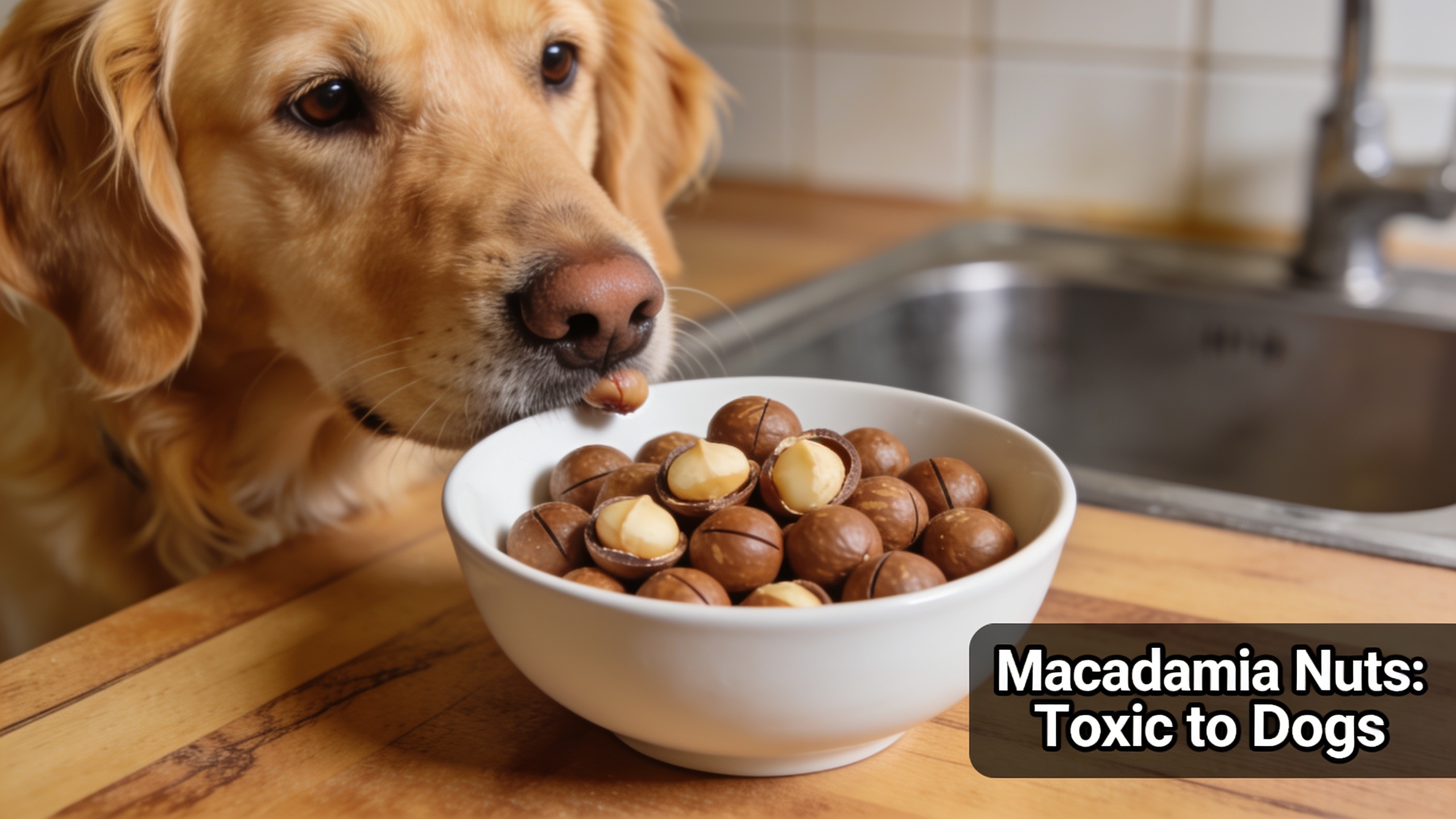
Nuts, particularly macadamia nuts, are known for inducing weakness, muscle tremors, and hyperthermia in dogs. The precise mechanism of toxicity remains unclear, but symptoms can develop rapidly and often require supportive care. Furthermore, other nuts can be problematic as well due to potential choking hazards and high-fat content, which can lead to pancreatitis in at-risk breeds.
Raw or undercooked meat, especially poultry, poses risks of bacterial infections like Salmonella and E. coli, which can lead to severe gastrointestinal distress in dogs, manifesting as vomiting, diarrhea, and abdominal pain. It is essential to avoid unpasteurized dairy products, which can harbor harmful bacteria and contribute to lactose intolerance complications, worsening gastrointestinal symptoms.
Foods high in sugar and artificial sweeteners, particularly xylitol, significantly elevate toxicity risks. Xylitol can cause hypoglycemia, leading to disorientation, seizures, and potential liver failure. It especially important for dog owners to be diligent about food labels and to prevent access to sugar-free human foods.
Monitoring for subtle behavioral changes, such as excessive drooling, restlessness, or altered appetite, can be crucial in the early identification of food-related health issues. Prompt veterinary response can mitigate long-term damage, underscoring the importance of education on canine dietary toxicity.
Tips for feeding dogs human food
To successfully incorporate human food into a canine diet, adherence to principles of balance, moderation, and specificity according to the dog’s needs is paramount. Start with small quantities of any new human food to assess for tolerance, as canine digestive systems can react unpredictably to dietary changes. Different breeds may possess unique tolerances; for example, a Labrador Retriever, with its predisposition to obesity, requires careful portion control even of healthy foods.
Consider the nutritional profile of the foods being added. For instance, when introducing vegetables like green beans or peas, ensure they are cut to size and cooked adequately to improve digestibility and nutrient availability. Steaming is a suitable method, as it preserves nutrients while rendering tougher fibers easier to digest. Monitor for signs of gastrointestinal upset, such as diarrhea or bloating, as these may indicate an intolerance or inappropriate food choice.
Use human foods as complementary nutrients rather than replacements for complete and balanced commercial dog food. High-quality commercial diets are formulated to meet the specific nutritional needs of different life stages and breeds, providing essential micronutrients that may not be adequately represented in human foods alone. Adding human foods should not exceed 10-15% of the overall caloric intake to maintain dietary balance and prevent nutritional imbalances.
Behavioral responses should also guide dietary practices. For example, dogs displaying resource guarding with food may benefit from strategies such as food puzzle toys, combining human food like peanut butter or pumpkin puree with mental stimulation, thereby enhancing their cognitive engagement while promoting healthy eating behaviors. Rewards for good behavior can also be developed through the careful selection of safe, dog-friendly human foods that reinforce training efforts.
Observe individual dogs’ reactions closely after introducing new foods. Allergic reactions may manifest through itching, skin irritations, or gastrointestinal symptoms; in such cases, immediate discontinuation of the new food is necessary. Document any changes, as they will provide useful information when consulting with a veterinarian.
Ensure that all human foods provided are free from additives or toxins. For example, choose plain, unseasoned boiled chicken over processed options, which may contain harmful spices or preservatives. The labelling of commercial human food should likewise be scrutinized to exclude unsafe ingredients. Remember that while sharing food can be a bonding experience, the canine digestive system is different from a human’s; caution is essential in what is offered to maintain their health and wellbeing.
Related Posts

The Joys of Dog-Friendly Sailing Adventures

Boykin Spaniel