Feeding a High-Protein Diet: Pros and Cons
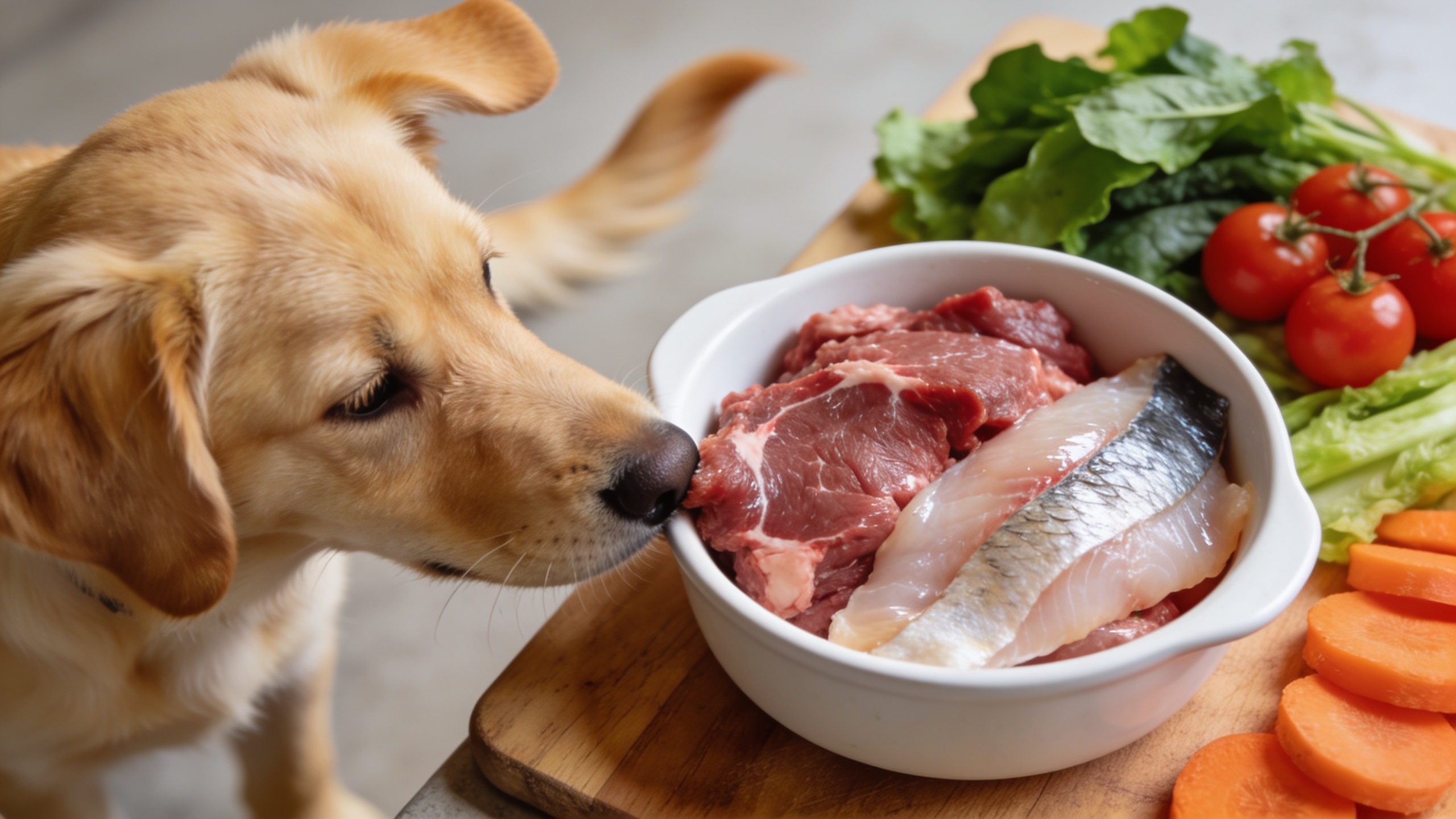
High-protein diets for dogs often include a higher proportion of meat, fish, eggs, and certain plant sources, with typical formulations comprising 30-50% protein by dry matter. This range typically exceeds the 18% minimum protein requirement established by the Association of American Feed Control Officials (AAFCO) for adult maintenance. Dietary protein consists of amino acids, which are essential for various physiological functions, including muscle growth, immune response, and enzymatic processes. Canine diets relying on animal proteins tend to provide a complete amino acid profile, as they contain all 10 essential amino acids dogs cannot synthesize.
Understanding a dog’s individual nutritional needs hinges on factors such as age, weight, activity level, and breed predispositions. Working breeds, such as Border Collies and Malinois, often require higher protein intake to sustain energy levels and support muscle recovery due to their demanding activities. Conversely, sedate breeds may not require elevated protein levels and can thrive on balanced diets lower in protein. Additionally, life stage significantly influences protein requirements; puppies and lactating females necessitate higher protein levels for growth and milk production owing to metabolic demands.
High-protein diets can alter metabolic pathways, leading to increased nitrogen excretion primarily through urine. This requires adequate hydration to prevent kidney strain. However, dogs with pre-existing kidney disease should have their protein intake carefully monitored, as excessive protein can exacerbate the condition. It is important to balance protein with moderately increased fat and carbohydrates to prevent excessive caloric intake, which can lead to obesity, particularly in less active dogs. The source of protein also plays an important role; meat byproducts and high-quality proteins deliver nutrients differently and may affect digestibility.
Common allergens such as beef and chicken can provoke adverse reactions in some dogs, making it important for owners to consider novel protein sources like venison or fish for those with sensitivities. Furthermore, high-protein diets can lead to changes in stool consistency, often resulting in firmer stools due to higher digestibility. Owners should evaluate their dog’s stool regularly, adjusting the diet if changes occur, which may signal intolerance or an insufficient balance of nutrients.
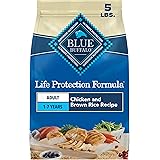
Now retrieving an image set.
Blue Buffalo Life Protection Formula Chicken Adult Dry Dog Food, 5 lb | Real Chicken #1 Ingredient, Supports Immunity with Antioxidant-Rich LifeSource Bits, Promotes Healthy Muscle Development
$14.97 (as of September 16, 2026 03:55 GMT +00:00 - More infoProduct prices and availability are accurate as of the date/time indicated and are subject to change. Any price and availability information displayed on [relevant Amazon Site(s), as applicable] at the time of purchase will apply to the purchase of this product.)In essence, incorporating a high-protein diet necessitates a comprehensive understanding of breed-specific requirements, potential health conditions, and metabolic processes, ensuring the diet is tailored to the individual dog’s needs while prioritizing overall health and wellbeing.
Benefits of High-Protein Diets
Increased protein intake can have several benefits that enhance overall canine health. First and foremost, an elevated protein level promotes muscle development and maintenance. That is particularly beneficial for active breeds and working dogs, where muscle integrity very important for performance. Adequate protein supports muscle recovery following strenuous activities, mitigating the risk of injuries and enhancing endurance during exercise.
In addition to muscular benefits, a high-protein diet significantly influences metabolic rate. Protein has a thermogenic effect, whereby the body expends more energy digesting and metabolizing proteins compared to fats or carbohydrates. This feature can facilitate weight management, particularly in overweight or inactive dogs. It’s essential to monitor body condition, as owners might need to adjust caloric intake to ensure that feeding aligns with energy expenditure.
Furthermore, dietary protein plays a pivotal role in immune function. Amino acids, derived from proteins, are foundational to synthesizing antibodies and other immune-boosting compounds. Enhanced immune response is particularly beneficial for dogs exposed to environmental stressors or those undergoing recovery from illness. Older dogs may also experience improved vitality and resistance to infections through a higher protein intake, addressing age-related declines in immune function.
Another critical aspect lies in satiety levels; high-protein diets tend to promote fullness more effectively than high-carbohydrate diets. A dog that feels satiated is less likely to beg for food or exhibit food-seeking behaviors, ultimately aiding in behavioral management. This characteristic is advantageous for training and creating consistent routines, particularly in dogs predisposed to overeating or those that have weight management issues.
The impact on skin and coat health is also noteworthy. Proteins contribute to the structural integrity of skin and coat, and deficiencies may manifest as dryness or excessive shedding. Dogs on high-protein diets often display shinier coats and improved skin health, as quality protein sources supply necessary nutrients like omega fatty acids when incorporated alongside protein.
High-protein diets can be tailored to meet specific breed requirements. For instance, large breeds may benefit from higher protein levels to support their larger muscle mass, while small breeds may maintain optimal health through carefully balanced protein intake. Understanding each breed’s genetic predisposition, alongside any relevant health conditions, enhances the ability to maximize the benefits of a high-protein diet tailored to individual needs.
Potential Drawbacks of High-Protein Diets
High-protein diets present several potential drawbacks that warrant attention, particularly concerning long-term health outcomes. While protein is essential for growth and maintenance, excessive consumption can lead to increased nitrogen waste, necessitating higher kidney workload for filtration. For dogs with pre-existing kidney conditions, a diet disproportionately high in protein can precipitate or exacerbate renal failure, marked by diminished appetite, increased thirst, lethargy, and alterations in urination patterns. Regular veterinary assessments and blood work are crucial for monitoring kidney function in these cases.
Moreover, while high-quality protein sources facilitate nutrient absorption, lower-quality sources, such as by-products or fillers, may yield amino acid imbalances and reduced digestibility. Dogs consuming these inferior proteins could suffer from deficiencies in essential nutrients, leading to suboptimal health outcomes like poor coat quality, skin issues, or developmental problems in growing puppies. Identifying and selecting high-quality protein sources—like those derived from named meats—can mitigate these risks.
The implications of elevated protein levels extend to potential gastrointestinal disturbances. Some dogs may exhibit sensitivity to high-protein diets, resulting in adverse reactions such as diarrhea or vomiting. These symptoms can indicate intolerances or the need for gradual dietary transitions; abrupt changes can compromise gut health. Monitoring gastrointestinal health, especially when introducing new protein sources, is essential for preventing escalation of such symptoms, which can lead to more severe digestive issues.
Caloric excess is another concern associated with high-protein diets, particularly if not balanced with appropriate fat and carbohydrate levels. An imbalanced energy intake can lead to weight gain, especially in less active dogs where sedentary lifestyles prevail. Obesity exacerbates various health conditions, ranging from joint disorders to metabolic syndromes. Owners should maintain an active management strategy for their dog’s body condition score, adjusting caloric intake and ensuring adequate exercise consistent with the dog’s energy output.
Additionally, the adjustment period for dogs transitioning to high-protein diets can pose challenges. Symptoms such as changes in stool consistency and lethargy may initially arise as the dog’s digestive system adapts. Monitoring stool quality—assessing firmness and frequency—during the transition especially important, as changes may indicate intolerance or insufficient dietary balance. Owners should consider gradual introduction over a week or more to minimize potential distress.
<pLastly, breed considerations play a vital role in the appropriateness of high-protein diets. Specific breeds, particularly those with known sensitivities (e.g., certain terriers), may experience pronounced adverse effects on digestive and immune health from high-protein formulations. Tailoring dietary approaches to individual breed characteristics, life stage, and health conditions is essential for optimizing benefits and minimizing drawbacks of high-protein diets.
Tips for Implementing a High-Protein Diet
To successfully implement a high-protein diet, begin with a detailed assessment of your dog’s current health status, including weight, activity level, and any pre-existing medical conditions. Engage with a veterinary professional to ensure that the transition aligns with specific health benchmarks, particularly if your dog has known sensitivities or health issues. Regular health checks and baseline blood work are advisable to ascertain kidney function and hepatic health before initiating significant dietary changes.
When introducing a high-protein diet, opt for gradual incorporation over 7-10 days. Start by mixing increasing proportions of the new high-protein food with the existing diet, monitoring for any signs of gastrointestinal upset, such as diarrhea or vomiting. If adverse reactions occur, revert to the original diet and consult your veterinarian for guidance. This slow transition allows the digestive microbiome to adapt and minimizes the risk of inflammatory responses.
Select high-quality protein sources, including fresh meats like chicken, fish, or beef, and prioritize those with minimal processing. Ensure that the protein source is appropriately categorized; for instance, named meats (e.g., “salmon” rather than “meat byproducts”) provide the most bioavailable nutrients. Include complementary nutrients such as omega fatty acids and natural antioxidants to enhance nutritional balance and promote skin and coat health, vital for overall wellbeing.
Monitor your dog’s body condition score consistently, adjusting food portions according to energy levels and activity engagement. Frequent weigh-ins and visual assessments should inform any necessary caloric modifications to avoid excessive weight gain. Be vigilant about caloric intake from treats or additional foods, ensuring that they fit within the dog’s total daily energy requirements. Implementing a controlled treat regime can enhance the diet while supporting weight management goals.
Observe any changes in behavior, energy levels, coat quality, and stool consistency. Firmer stools may indicate higher digestibility, but any drastic changes could reflect intolerance or an imbalance in dietary composition. Keep a dietary journal to track responses alongside dietary changes, providing valuable insights for ongoing management. Look for signs of increased hydration needs due to increased protein intake, ensuring fresh, clean water is accessible at all times.
Lastly, recognize that the individual response to high-protein diets can vary significantly based on hereditary factors, breed characteristics, and life stage. Working breeds may thrive on higher protein levels, whereas breeds prone to certain sensitivities may require careful monitoring. Regular communication with veterinary professionals about dietary progress and any observable symptoms will facilitate necessary adjustments over time, ensuring the dietary regimen meets your dog’s evolving needs.
Related Posts

The Link Between Diet and Canine Behavior

Special Diets for Working and Athletic Dogs