Debunking Myths: Raw vs. Cooked Diets for Dogs
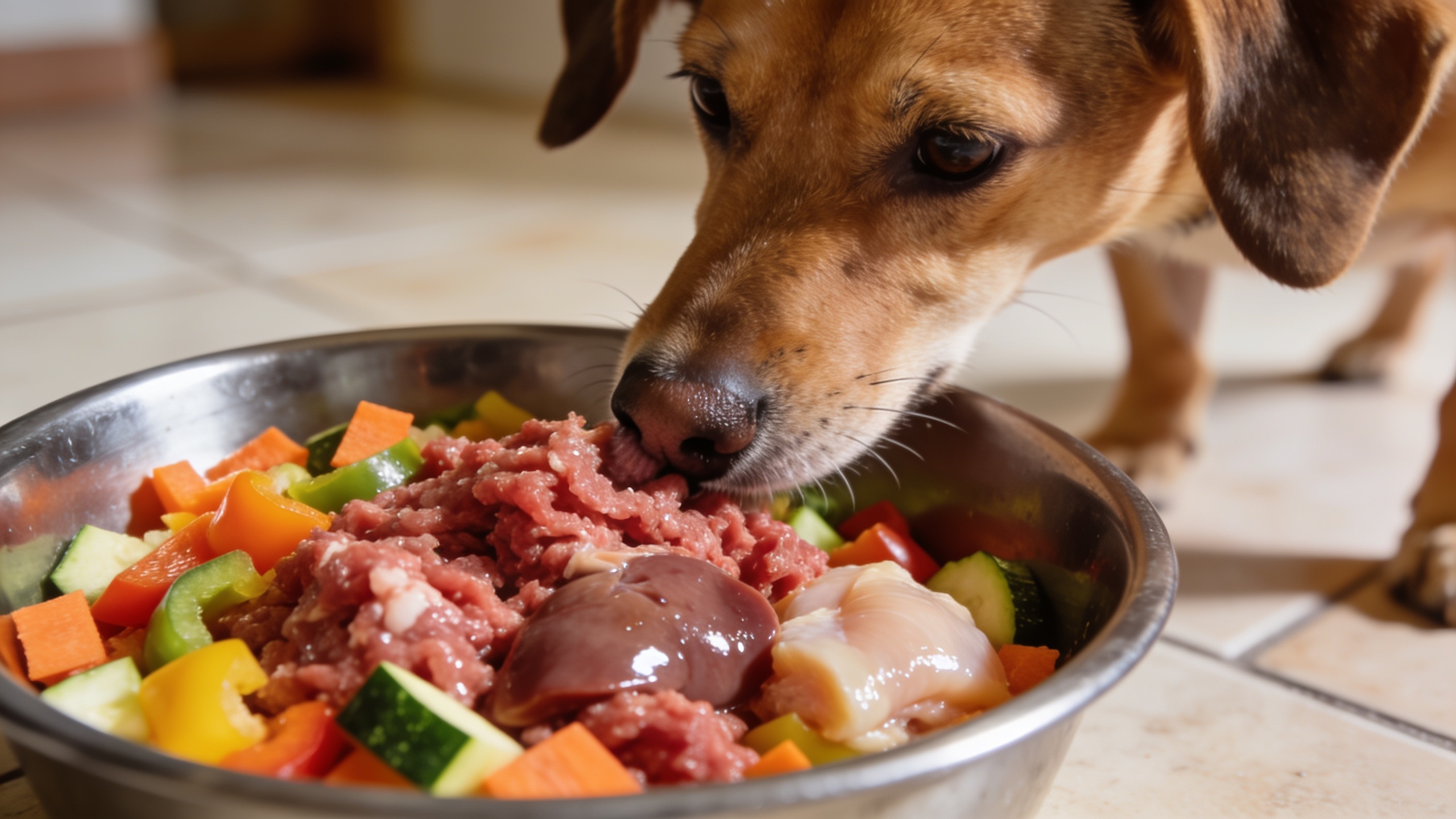
Raw and cooked diets can start with the same ingredients and still deliver different nutrient profiles because heat changes chemistry, not just texture. Cooking improves the digestibility of many starches by gelatinizing them, which is why cooked grains, potatoes, and legumes generally yield more usable glucose than their raw counterparts; this matters most for dogs on higher-carbohydrate formulations and for working or performance dogs with larger glycogen demands. Raw meat, on the other hand, preserves native proteins and heat-labile compounds, but “preserved” does not mean “better absorbed,” because protein digestibility is influenced by fat content, connective tissue, particle size, and gastric acidity as much as by cooking status.
Heat denatures proteins, which can increase enzymatic access and sometimes improve amino acid availability, but excessive heating can also reduce the biological value of certain amino acids through Maillard reactions, especially lysine. This becomes relevant in highly processed cooked diets, not in modest home-cooked food. In raw diets, the main nutritional claim often centers on intact enzymes and “natural” nutrients; in practice, canine pancreatic and intestinal enzymes do the relevant work, and most dietary enzymes are not needed for digestion because they are denatured in the stomach. The more meaningful difference is that raw feeding may retain slightly higher levels of some heat-sensitive vitamins, such as certain B vitamins and vitamin C, though dogs synthesize vitamin C endogenously and do not require it from food.
Fat behaves differently than protein. Raw diets can expose unsaturated fats to oxidation once handled, chopped, frozen, thawed, or stored, which can reduce palatability and increase rancidity risk. Cooked diets may lose some oxidative freshness during processing, but they’re often supplemented to meet nutrient targets more reliably. For dogs with pancreatitis risk, obesity, or hyperlipidemia, fat source and total fat content matter far more than whether the food is raw or cooked. Large-breed puppies require tightly controlled calcium, phosphorus, and energy density; raw homemade rations frequently oversupply calcium when meaty bones are used, while some cooked homemade rations undersupply it unless deliberately supplemented. Either error can distort skeletal development, with rapid-growth breeds such as Great Danes, German Shepherd Dogs, Labrador Retrievers, and Rottweilers being especially vulnerable to orthopedic consequences.
Minerals are not inherently “destroyed” by cooking, but their bioavailability can shift. Overcooking and boiling can leach water-soluble minerals and vitamins into discarded liquid, whereas steaming, baking, or lightly cooking preserves more. Raw diets may appear mineral-rich because bone is included, yet this can create an imbalanced calcium-to-phosphorus ratio and excessive ash content. Cats are not the subject here; in dogs, the key issue is precision. Home-prepared raw and cooked diets are both nutritionally fragile unless formulated to meet adult maintenance or growth requirements using validated nutrient targets rather than ingredient intuition.
Pedigree Dentastix Large Breed Dental Dog Treats, Variety, 51 Count | Original Chicken, Beef, and Fresh flavors, reduces plaque and tartar buildup, cleans teeth, freshens breath, for dogs 40+ lbs
$23.98 (as of October 2, 2026 09:08 GMT +00:00 - More infoProduct prices and availability are accurate as of the date/time indicated and are subject to change. Any price and availability information displayed on [relevant Amazon Site(s), as applicable] at the time of purchase will apply to the purchase of this product.)What owners can infer from the bowl:
- More stool volume often indicates less digestible carbohydrate or fiber, not necessarily poorer “quality.”
- Loose stools after switching to raw may reflect bacterial load, fat content, or abrupt dietary change rather than “detox.”
- Small, firm stools can indicate high digestibility, but excessively dry stools may point to low moisture intake or too much bone.
- Muscle loss despite adequate calories suggests amino acid imbalance, not simply insufficient food volume.
- Shinier coat or better body condition can result from higher fat intake or palatability, which is not proof of nutritional completeness.
Breed history matters here because selective breeding shaped metabolic tolerance and feeding behavior. Arctic and sled breeds often tolerate higher fat intake better than breeds selected for less strenuous work, while giant breeds and brachycephalic breeds can be more vulnerable to consequences of over- or under-mineralization because growth trajectories are unforgiving. Dogs bred for scavenging, persistent appetite, or food drive may overconsume raw meaty bones or calorie-dense cooked food if portions are not measured, creating a mismatch between perceived satiety and nutrient balance. The formulation question is not raw versus cooked in the abstract; it’s whether the diet delivers controlled amino acids, essential fatty acids, calcium, phosphorus, trace minerals, and vitamins in a form the individual dog can digest, absorb, and use without triggering pathology.
Several raw-food arguments persist because they sound biologically plausible, not because they’re supported by outcome data. “Dogs are wolves” is the most common one. Modern dogs are not behavioral or metabolic copies of gray wolves; domestication selected for increased starch digestion, altered social tolerance, and scavenging efficiency. Dogs carry higher copy numbers of amylase-related genes than wolves, which helps explain why many dogs handle cooked starches well. That does not make every dog a starch specialist, but it does make the claim that cooked carbohydrate is inherently unnatural scientifically weak.
“Raw is what nature intended” ignores two facts: wild diets are not clean, standardized, or balanced, and longevity is not optimized in nature. Free-living canids consume prey with parasites, variable mineral content, partially digested gut matter, and periodic famine. A naturalistic feeding model is not the same as a welfare model. Dogs in human homes need stable nutrient delivery, not evolutionary reenactment. Natural prey also includes high bone-to-meat variation; when owners copy only the visible carcass fragment without accounting for mineral ratios, they create a diet that can be skeletal-toxic for growing dogs and constipating or obstructive for adults.
“Raw cleans teeth” is overstated. Mechanical chewing can reduce soft plaque accumulation on some tooth surfaces, but it does not reliably prevent periodontal disease, which is driven by biofilm maturation below the gumline. Fragmented bones can chip premolars, especially the upper fourth premolar and lower first molar, and fractured teeth create pain that dogs often hide by chewing more slowly on one side, dropping food, or avoiding hard treats. A dog with “cleaner teeth” but gingival recession, fractured carnassials, or root infection is not healthier; oral pathology is often masked until advanced.
“Raw prevents allergies” confuses food allergy with ingredient marketing. True food allergy is an immune response to specific proteins, usually manifesting as pruritus, otitis, or chronic gastrointestinal signs. Whether the protein is raw or cooked rarely changes allergenicity enough to matter clinically; what matters is the antigen source. In elimination diets, the same protein cooked or raw remains the same protein from an immunologic standpoint. Similarly, “raw has more bioavailable nutrients” is only true for some heat-sensitive compounds, and even then the effect is usually small compared with the consequences of nutrient imbalance, poor storage, or contamination.
Owners should be skeptical of any claim that uses “ancestral,” “species-appropriate,” or “detox” as substitutes for digestibility studies, feeding trials, and formulation targets.
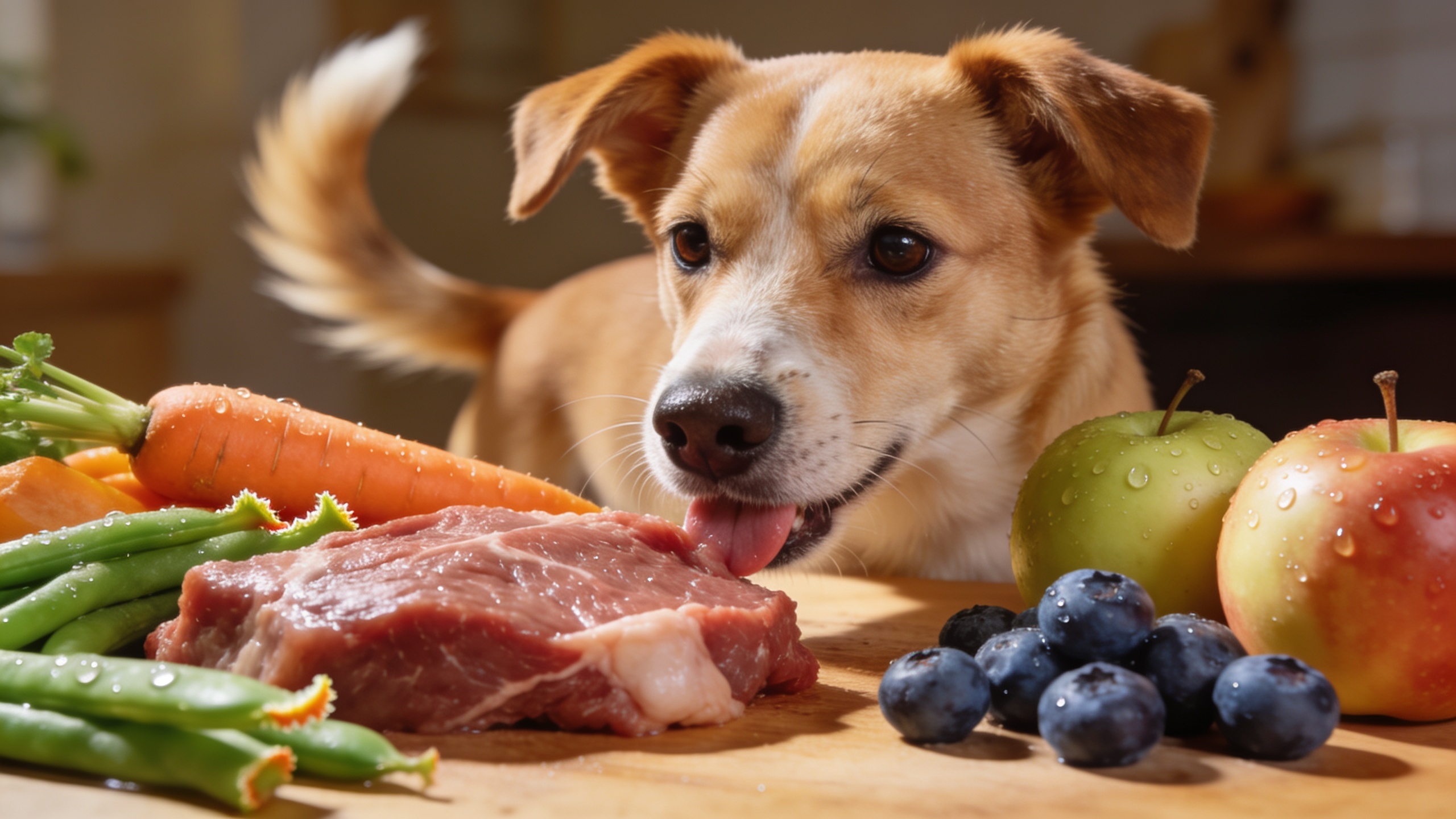
Another recurring myth is that “healthy dogs can handle bacteria.” Many can tolerate exposure without immediate illness, but tolerance is not the same as safety. Asymptomatic shedding of Salmonella, Campylobacter, and other organisms turns the dog into a household contamination vector, especially around children, immunocompromised people, and other pets. Raw-fed dogs may show no vomiting or diarrhea and still carry organisms in saliva and feces. The absence of clinical signs in the dog does not mean the feeding method is low risk.
“My dog does better on raw” also deserves scrutiny. Increased excitement at mealtime, stronger food seeking, and better coat gloss can reflect higher palatability, higher fat, or fewer artificial additives, not superior nutritional completeness. Dogs will often prefer richer, smellier foods even when those foods are not balanced. Observed improvement should be checked against body weight trajectory, stool quality, dental status, muscle condition, coat density, and itch scores, not appetite alone.
For working dogs, the relevant question is whether the ration supports predictable performance under load. If a diet is too fatty for a given dog, gastric emptying slows and training output can drop; if calcium is mismanaged in a growing prospect, orthopedic resilience suffers. Myth-driven feeding is expensive because the consequences are delayed: chronic GI instability, subtle micronutrient deficiency, dental fractures, or growth deformity may appear long after the feeding rationale felt persuasive.
Food safety failures in raw feeding are mechanistic, not abstract. Animal tissues provide a moist, protein-rich substrate that supports rapid bacterial multiplication when temperature control is imperfect. Thawing on the counter, dividing into portions with contaminated utensils, or storing mixed batches for several days increases exposure time in the bacterial “danger zone.” Freezing reduces replication but does not sterilize; viable pathogens can survive and resume growth after thawing. That’s why a bowl can look and smell normal while still containing organisms capable of causing enteritis in the dog or zoonotic infection in the household.
Raw-fed dogs are also exposed to variable parasite risk depending on ingredient source. Free-range wildlife meat, undercooked offal, and unverified commercial grinds carry different hazards than inspected muscle meat, but all share the problem of uncertain microbial load. The risk escalates in puppies, geriatric dogs, and immunocompromised animals because their mucosal defenses, gastric acidity, or immune surveillance may be less resilient. Dogs receiving acid-suppressing drugs, corticosteroids, chemotherapy, or immunomodulators are poor candidates for raw diets because normal barrier defenses are pharmacologically weakened.
Digestive tolerance is often misread. A dog may have formed stools on raw while still absorbing fewer nutrients, especially if the diet is high in bone or low in soluble carbohydrate and fermentable fiber. Excess bone raises stool pH and hardens feces, which can reduce defecation frequency but also increase straining, anal sac discomfort, and constipation risk. In contrast, abrupt transitions to cooked food often produce transient soft stool because colonic microbiota need time to shift substrate use; that is not pathology unless it persists, worsens, or is accompanied by vomiting, abdominal pain, or appetite loss.
Large-breed puppies require especially careful mineral handling. Free-feeding raw meaty bones is not a substitute for calcium formulation; it can overshoot requirements and distort endochondral ossification. Over-mineralization and unbalanced calcium-to-phosphorus ratios are linked to angular limb deformities, delayed cartilage maturation, and increased risk of developmental orthopedic disease. At the other extreme, under-supplemented home-cooked diets can create nutritional secondary hyperparathyroidism, where the body leaches calcium from bone to maintain blood levels. Both errors are preventable only through measured formulation, not visual assessment.
Practical decision points that matter clinically:
- Choose cooked or commercially complete diets when the household includes children, elderly people, pregnant individuals, or immunocompromised family members.
- Avoid raw feeding in dogs with pancreatitis history, chronic enteropathy, hypochlorhydria, or recurrent GI upset unless a board-certified nutritionist has designed the ration.
- Measure bone content in any raw plan; “some bones” is not a formulation strategy.
- Monitor stool firmness, frequency, and straining as early indicators of excess bone, inadequate fat, or poor digestibility.
- Track body condition and muscle condition separately; a lean outline can still hide sarcopenia or dietary imbalance.
- Use validated supplementation for home-cooked diets, especially calcium, trace minerals, iodine, and essential fatty acids.
Behavioral fallout also affects feeding choices. Highly food-motivated breeds and working-line dogs may gulp raw meaty bones or inhale calorie-dense cooked rations, increasing choking risk, regurgitation, and resource guarding around high-value foods. Brachycephalic dogs, because of airway anatomy, are less forgiving of rapid eating or large, dry boluses; dogs with megaesophagus, laryngeal dysfunction, or prior esophageal injury need texture and portion formats chosen for swallow safety. The safest diet is the one the individual dog can ingest, digest, and live with consistently without creating infectious, orthopedic, dental, or behavioral costs.
Digestibility without safety is a bad bargain; palatability without formulation is a trap.
For owners trying to compare feeding methods in real life, the useful markers are objective: stable body weight, normal stool quality, good muscle mass over the skull, shoulders, and thighs, intact teeth, absence of recurrent vomiting or diarrhea, and no household infectious events. A diet that improves enthusiasm but worsens stool, oral integrity, or growth parameters is not an upgrade. A diet that’s convenient but poorly balanced is also not an upgrade. The relevant endpoint is sustained physiologic function with minimal risk, not ideological purity.
Related Posts
Puppy Pads with Pheromones

Coping with Canine Diabetes – Managing Blood Sugar Levels