Traveling Safely with Your Dog – Tips for Road Trips
At the very heart of a successful road trip lies the meticulous orchestration of preparation, which not only serves the practical needs of the journey but also caters to the emotional welfare of your canine companion. Understanding the intricacies of your dog’s psyche, especially in the context of travel, extends far beyond merely packing supplies. It encompasses an awareness of how environmental changes impact your pet’s behavioral norms and emotional states, highlighting the necessity of establishing a sense of security amid the novel stimuli of a moving vehicle and varied landscapes.
Commence this preparatory phase by conjuring a mental landscape of your intended journey. Envision not just the physical route but the sensory overload that your dog may experience. Dogs, equipped with a keen sense of smell and acute hearing, may perceive the world differently than humans. The bustling sounds of highways, the shifting air currents, and the vibrant tapestry of unfamiliar scents can be both thrilling and overwhelming. To ease your pet’s adjustment, consider gradual exposure to travel-like environments in the weeks leading up to your trip. Short excursions in the car not only familiarize them with the sensation of motion but also condition their emotional responses through positive reinforcement, thereby establishing a relationship with travel this is filled with anticipation rather than anxiety.
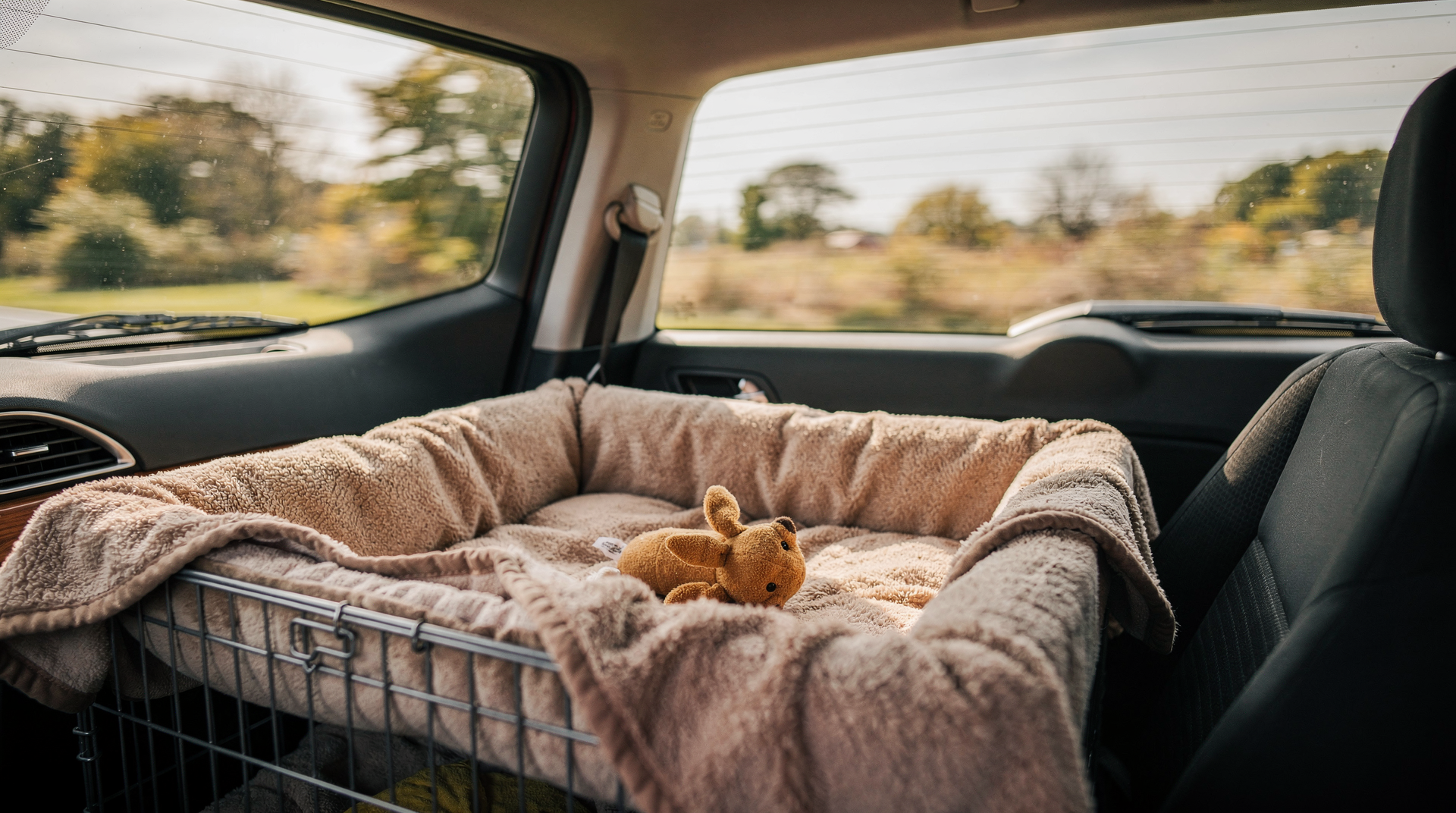
As the days inch closer to departure, attentively compile a list of essential items that align with your dog’s specific behavioral temperaments and needs. This stretches into realms beyond mere physical necessities; dietary considerations, for example, should reflect your dog’s regular feeding schedule, emphasizing consistency to mitigate gastrointestinal upset caused by travel. On the other hand, a secure, familiar blanket or toy can act as an anchor, grounding your dog’s comfort in moments of uncertainty. In this sense, you are not merely packing a car; you’re crafting a miniature haven, a mobile sanctuary tailored to nurture your pet’s emotional equilibrium amidst the influx of unfamiliar stimuli.
The psychological undercurrent of preparation also extends to the mental and communicative aspects of your relationship with your dog. Use this time to hone your communication skills, adapting your cues and body language to facilitate clarity and understanding. Training sessions in the weeks before your trip can enrich this bond, employing positive reinforcement techniques not only to polish commands but to fortify your dog’s trust in you as their primary source of reassurance. Engaging in cooperative activities fosters a profound understanding of each other’s signals and thresholds, creating a harmonious rapport that can significantly ease the potential stressors of travel.

Now retrieving an image set.
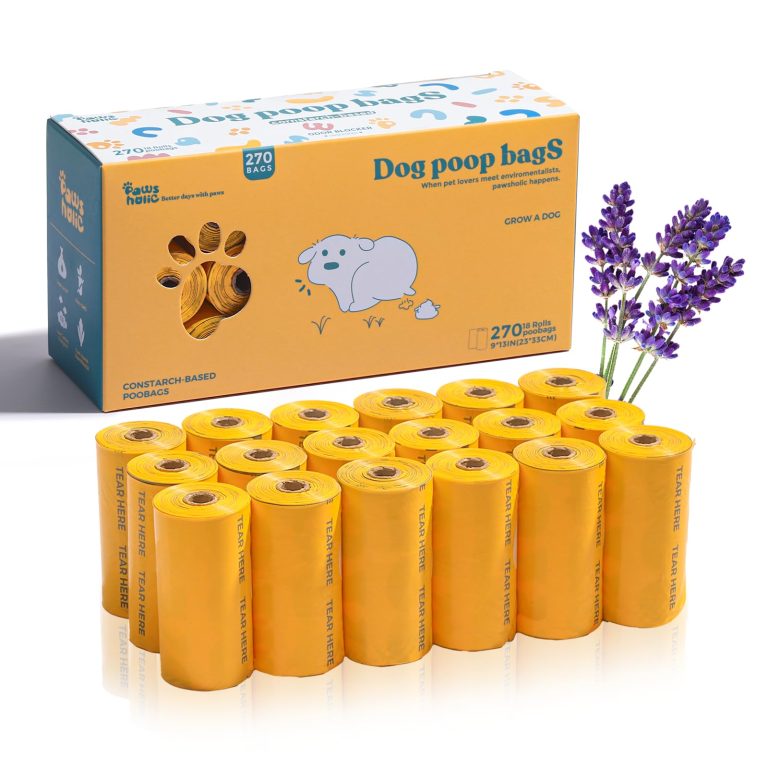
Earth Rated Dog Poop Bags on Refill Rolls, 270 Bags, Lavender | Guaranteed Leak Proof and Extra Thick Waste Bag Refill Rolls
$14.99 (as of September 17, 2026 03:55 GMT +00:00 - More infoProduct prices and availability are accurate as of the date/time indicated and are subject to change. Any price and availability information displayed on [relevant Amazon Site(s), as applicable] at the time of purchase will apply to the purchase of this product.)Lastly, take heed of the potential emotional landscapes your dog may traverse during this preparative period. Behavioral signs—such as changes in appetite, withdrawal, or agitation—may signal apprehension about the impending trip. Approach these indications with a gentle curiosity; they may illuminate your dog’s emotional state and invite constructive dialogue regarding their needs. In establishing a calm, reassuring atmosphere, you merely pave the road—not just in the literal sense, but in the emotional trajectory of your journey together, ensuring every paw print is met with kindness and understanding.
As you delineate the essentials for your canine companion, recognize that each item serves not merely a practical function but also plays a pivotal role in shaping the emotional context of your shared journey. Begin with the identification of necessary supplies, including adequate food and water provisions tailored to your dog’s specific dietary requirements. Ensuring continuity in their regular feeding schedule, as discussed, remains paramount; consider using portioned containers or travel-friendly bowls that facilitate routine while accommodating the natural rhythms of your trip. Hydration can pose a challenge during travel, so investing in a spill-proof water bottle can be a lifesaver, ensuring that your pet remains adequately hydrated despite the logistical hurdles of the journey.
Consider also the vital role of comfort. A travel crate or harness designed for safety should seamlessly mesh with the familiar qualities of home. This container not only ensures your dog’s physical security but also can create a sanctum—a psychological refuge where they can retreat as the outside world rushes by in a blur. Enveloping their crate in a cozy blanket or including their favorite items can foster a sense of intimacy reminiscent of their resting spot at home, anchoring them amidst the shifting landscapes and sounds. The act of creating this safe space becomes an exercise in empathy as you intuitively cater to their needs, reinforcing their intrinsic desire for safety during upheaval.
Beyond physical items, preparation demands a focus on mental stimulation. Travel can elicit a host of anxiety-inducing stimuli, from strangers at rest stops to new and vibrant environments. Therefore, including interactive toys or chews can provide distraction and an essential outlet for nervous energy. Engaging your dog with these items serves not just as entertainment but as a form of behavioral modification, allowing them to channel their excitement or anxiety into constructive behaviors. Consider tools that promote problem-solving, like puzzle feeders, which can also reiterate their connection to you as a source of comfort and engagement even amid chaotic surroundings.
Your journey will inevitably lead you to various destinations where understanding local regulations can further piece together the framework of a stress-free trip. Ensuring that your packing list includes proof of vaccination, ID tags, and health records not only prepares you for compliance with regulations but also provides a layer of security for yourself and your pet. In a landscape filled with unfamiliar faces and places, this minor attentiveness can ease the burden of uncertainty, cultivating an environment where both you and your dog can focus on creating joyful experiences rather than navigational challenges.
When elucidating the nuances of travel with your dog, it becomes apparent that each object packed resonates with the emotional dynamics of your shared relationship. Each bowl, each toy, each comforting item serves as a thread woven into the tapestry of your journey—a testament to your attentiveness to their unique psychological makeup. This thoughtful curation of packing goes beyond the checklist; it becomes a core narrative of care and consideration, reinforcing the bond between you and your canine companion as you embark on a shared adventure through the vast landscapes of the world.
As the rubber meets the road and the adventure unfolds, the safe travel of your dog transcends mere adherence to physical safety standards; it is an intricate dance of psychological insights and behavioral understanding. The core of safety during travel lies in recognizing that a dog’s perception of danger is intricately tied to their emotional state and instinctual responses. A well-being approach engenders a proactive stance where the dog’s emotional security mirrors its physical safety. Thus, the journey must be sculpted with an understanding of both situational awareness and the emotional intelligence of your canine counterpart.
Commencing with the importance of safety restraints, employing a harness or crate is not merely a precautionary measure; it creates a psychological barrier, allowing your dog to feel secure amidst chaos. The physical confines of a harness can provide a comforting embrace akin to a gentle hug, helping to mitigate stress. When selecting a travel crate, ensure it isn’t only sturdy but also well-ventilated and familiar, reducing the likelihood of distress during unexpected stops or while navigating through turbulent roadways. The crate can act as a sanctuary, a veritable fortress where your dog can retreat and observe the rippling landscape, absorbing new experiences while minimizing overwhelmed senses.
Moreover, an understanding of dog behavior indicates that many travel-related anxieties arise from the unpredictable nature of vehicular movement. Sudden stops or accelerations can trigger alert responses; therefore, acclimating your pet to these variations in motion especially important. Conditioning exercises, like maintaining a steady speed during practice runs, paired with verbal reassurances that affirm their safety, can reinforce a sense of predictability in otherwise erratic circumstances. Additionally, implementing scheduled breaks presents an opportunity to diffuse tension and allow your dog to recalibrate their sensory inputs, reducing the likelihood of anxiety-fueled behaviors.
Equally critical is the establishment of communication protocols during the journey. The subtle nuances of body language—particularly posture, tone, and eye contact—can either comfort or confuse your dog as they navigate the dynamic environment outside the vehicle. Use affirmative cues in a calm, measured voice, establishing a baseline for communication that enables your dog to understand their needs are being met. This reciprocal dialogue is enriched by consistent training signals that have previously been established, serving to guide your dog through this new experience with a sense of confidence and comprehension.
Identifying genuine signs of distress or discomfort during travel is imperative to nurture a safe journey for both of you. Monitor shifts in behavior such as excessive panting, attempts to escape, or an insistence on lying down instead of standing, as these may be indicators of anxiety. In these moments, gauging the emotional temperature of your dog demands immediate action. Implement counter-conditioning techniques, using treats or soothing sounds—perhaps a favorite playlist—designed to redirect their focus from their stressors back to the evocative familiarity of your nurturing presence. This not only alleviates their immediate fears but constructs a reservoir of resilience against the psychological turmoil of travel.
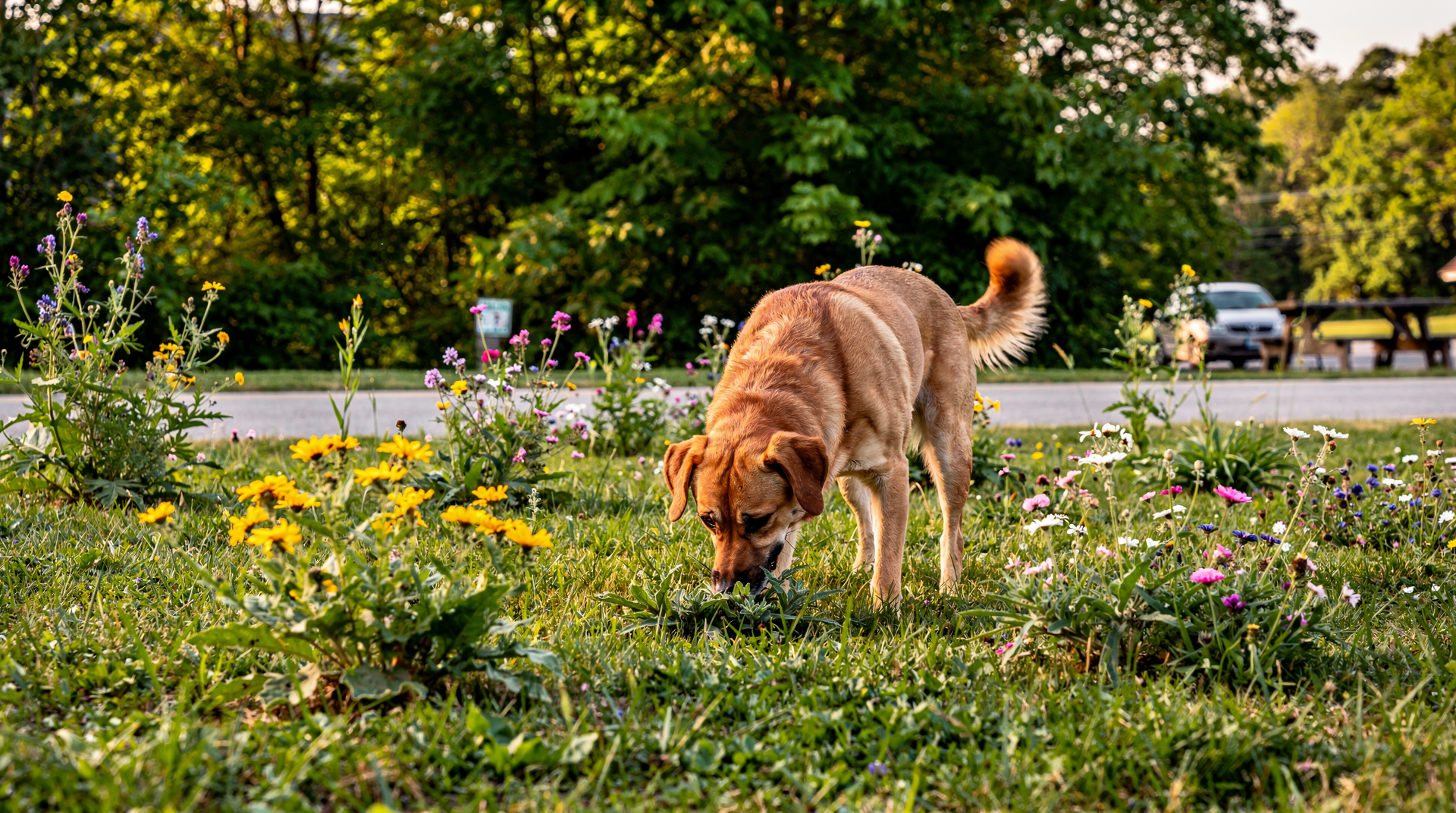
As you navigate highways and byways, it is essential to incorporate visual and olfactory engagement aspects that can enhance your dog’s experience, transforming moments of travel uncertainty into positive associations. If a rest stop presents itself, employ it as an opportunity for enrichment. Sniff walks, where you encourage your dog to engage in their natural investigative behaviors through using scents of the environment, empower them to re-establish control over their perceptions and emotions, accelerating their acclimatization to this diverse world.
Lastly, recognize that the ethos of safety cannot exist in isolation from the emotional realms you share. Your dog is not just a passenger; they’re a vital co-navigator in this shared journey. As you maneuver through the landscape of experiences, strive to cultivate an atmosphere rich in empathy and understanding. A harmonious travel experience emerges not solely through physical safeguards but through nurturing the emotional bond that reinforces trust. Each interaction serves as the brushstroke on the canvas of their travel experience, imbued with layers of care and acute awareness. Thus, you embrace each mile not only with provisions and protocols but with the unwavering commitment to uphold the emotional safety of your beloved companion.
Along each mile that unfolds, an intertwined fabric of experiences is created, one where the essence of enjoyment blossoms through intentional engagement and sensory stimulation. Fostering an atmosphere of excitement requires more than sporadic moments of play; it must be woven seamlessly into the daily cadence of your trip. Consider the simple yet profound joy that can be derived from engaging your dog’s senses, delicately balancing structure with spontaneity. The intricate interplay of their natural instincts and your curative touch makes each discovery an adventure waiting to be unwrapped.
In crafting these moments, leverage the inherent curiosity of your canine companion. The act of traveling itself can become a series of micro-adventures when paired with purposeful detours—perhaps a scenic overlook or a serene park. Use planned breaks not merely as a necessity for stretch or relief, but as opportunities to engage in interactive play. A quick game of fetch or an impromptu training session amidst a new backdrop can invigorate your dog’s spirits. This kind of dynamic interaction not only alleviates the stresses of travel but also deepens your bond, aligning joy with the routine beats of your journey.
Moreover, incorporate elements of mental stimulation that align with your dog’s unique behavioral profile. Activities that invite problem-solving, such as navigating through an obstacle course assembled from everyday items, yield not just entertainment but foster cognitive enrichment. While on pause, crafting simple yet challenging tasks for your dog to untangle becomes essential. Scavenger hunts where treats are hidden in nearby foliage encourage both physical exploration and the use of their innate foraging skills—a delightful alignment of instinct and enjoyment that honors their evolutionary heritage. The rush of dopamine that accompanies their success reinforces this positive engagement, creating a travel experience that transcends the mundane.
Your own emotional state will resonate deeply with your dog, forming an invisible thread of connection that’s essential to their enjoyment. Approach each moment of travel with enthusiasm, allowing your joy to ripple through the atmosphere, serving as a beacon for their own excitement. Engage in animated conversation, your voice a melody of warmth and assurance, signaling your shared adventure. This emotional reciprocity enriches their experience, synonymous with tales of wanderlust from human narrators like Paul Theroux, who illustrated that travel is not merely about the destination but the symbiotic relationships formed along the way.
In this journey of shared camaraderie, timing gains prominence. The rhythm of travel should vary, punctuated by leisurely exploration rather than the unyielding rush of destination-seeking. Recognizing when your dog may benefit from a quiet interlude is crucial—a moment to simply observe the majesty of a sunset or the gentle rustle of leaves can anchor their spirit in the present. This pause transforms potential chaos into serene companionship, establishing a fortuitous bond akin to the quietude of a well-loved novel with spaces between the words that allow reflection and connection to flourish.
The act of documenting your shared journey, perhaps through photographs or a journal, feeds not just nostalgia but cultivates a deeper appreciation for your experiences. Capture candid moments that reflect the essence of your travels together, realizing that these snapshots echo the laughter and challenges encountered. Recounting these adventures invites conversations around shared memories, fortifying your relationship while expanding on the narrative you both construct as life unfolds on the open road.
Ultimately, ensuring that your dog’s journey is enjoyable revolves around a profound understanding of the interplay between environment and emotion. Consider each stretch of road not merely as a path traversed but as a living tapestry woven with curiosity, joy, and partnership. By bringing intentionality to these moments, you illuminate the journey, crafting a travel odyssey that honors the complexity of your bond and opens up the world as a playground for both heart and mind. With each mile traveled, let your dog explore not just their surroundings but the depths of your shared adventure, forging memories that will echo long after the pavement fades into the horizon.
Related Posts
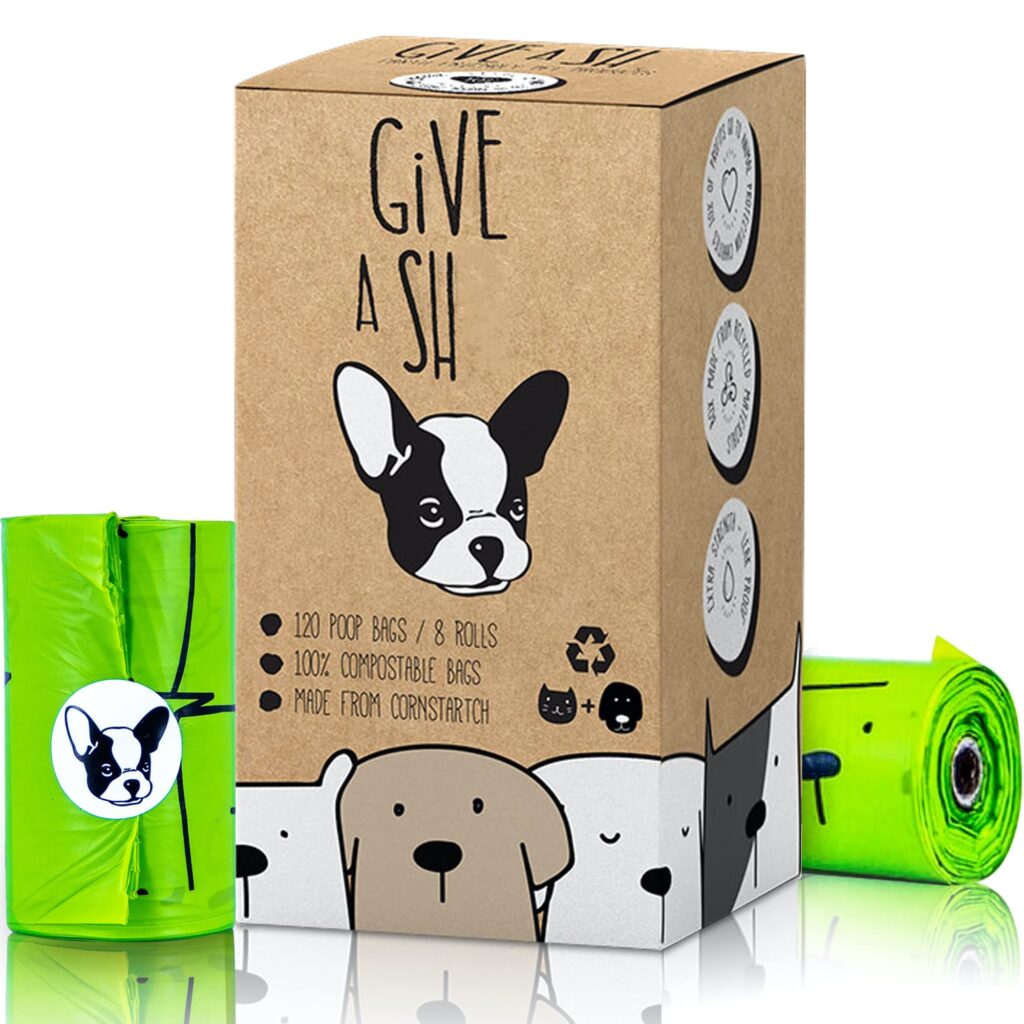
Certified Home Compostable Dog Poop Bags

The Link Between Diet and Canine Behavior