Exercise and Play – Keeping Your Dog Fit and Active
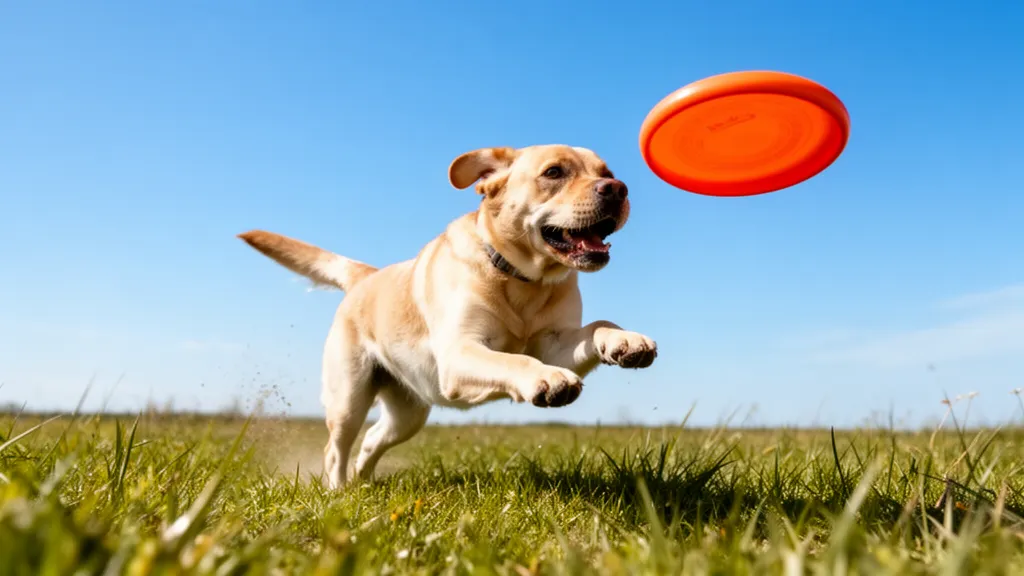
Regular canine exercise transcends mere physical activity; it’s a fundamental pillar of vibrant health intertwined with intricate neurobiological processes. Engaging a dog in structured, vigorous activity enhances not only physical fitness but also cultivates a rich environment for cerebral stimulation, markedly influencing cortisol levels, a hormone pivotal in the stress response. Elevated cortisol imposed by sedentary lifestyles can incite a cascade of detrimental effects, from obesity to behavioral disturbances, while tailored physical exertion stabilizes these hormonal dynamics, fostering resilience against stress and improving emotional well-being.
The interplay between physical exercise and the neurochemistry of dogs elucidates the profound benefits thereof. Activities that challenge both body and mind result in the release of endorphins, often referred to as ‘feel-good hormones,’ thereby bolstering mood and reducing the incidence of canine cognitive dysfunction syndrome. This phenomenon, akin to early-onset dementia in humans, afflicts our aging companions, leading to disorientation, anxiety, and impaired social interaction. Regular exercise effectively mitigates the onset of such degenerative changes, promoting neurogenesis—an evidence-based process wherein new neurons are formed, enhancing cognitive resilience throughout aging.
Physiological benefits are equally diverse, especially concerning musculoskeletal health. Exercise fosters synovial fluid production within joints, mitigating the onset of arthritis, while the weight-bearing activity strengthens muscle fibers and ensures optimal bone density. Consequences of disuse are insidious; weakened muscles and lax ligaments predispose dogs to injury and exacerbate the risk of osteoarthritis—one of the most common degenerative joint diseases seen in aging canines. Observing subtle cues, such as limited range of motion or sporadic limping post-activity, can alert owners to early signs of joint stress. Therefore, implementing a regimen that combines lower-impact activities, such as swimming or controlled leash walks, paired with higher-intensity play, ensures comprehensive joint preservation.
Cognitive and physiological enhancements converge into an intricate dance as exercise impacts cardiovascular health. Regular aerobic activity conditions the heart, promoting inefficient heart rates at rest and enhancing overall cardiac function. Ongoing studies reveal a stark correlation between obesity-related conditions—such as dilated cardiomyopathy—and insufficient exercise, necessitating vigilant monitoring of body condition scores and heart health in our canine companions. The latent signs of cardiac stress, including excessive panting, coughing, or lethargy post-exertion, beckon careful observation and proactive veterinary assessment.

Now retrieving an image set.
Vital Essentials Freeze Dried Dog Treats | Beef Liver, Single Ingredient | Premium Quality | Grain Free Training Treats for Dogs, 2.1 oz Bag
$5.99 (as of July 25, 2026 16:25 GMT +00:00 - More infoProduct prices and availability are accurate as of the date/time indicated and are subject to change. Any price and availability information displayed on [relevant Amazon Site(s), as applicable] at the time of purchase will apply to the purchase of this product.)Furthermore, embracing a diversification of exercise regimens can safeguard against behavioral deficiencies affiliated with a lack of stimulation. For instance, incorporating scent work or agility training not only harnesses a dog’s natural instincts but also strengthens their bond with us through cooperative tasks, ultimately fostering a fulfilling, shared experience. As we articulate our exercise frameworks, we must remain cognizant of our dog’s unique genetic predispositions and life stages, ensuring choices align with their innate abilities and medical histories.
To illustrate, a striking case emerged in my practice: a 10-year-old Labrador retriever, once vigorous, presented with significant lethargy and reluctance to engage during walks. Following a thorough examination revealing moderate obesity and early signs of arthritis, I prescribed a rehabilitative approach integrating structured interval training with targeted physiotherapy exercises. Within weeks, not only did the dog shed excess weight, but its vitality returned, along with an enthusiastic spark during play. Vivid instances like this underscore that while medical intervention holds significant weight, the crux of canine longevity often lies within the vibrant symphony of engaging, regular exercise.
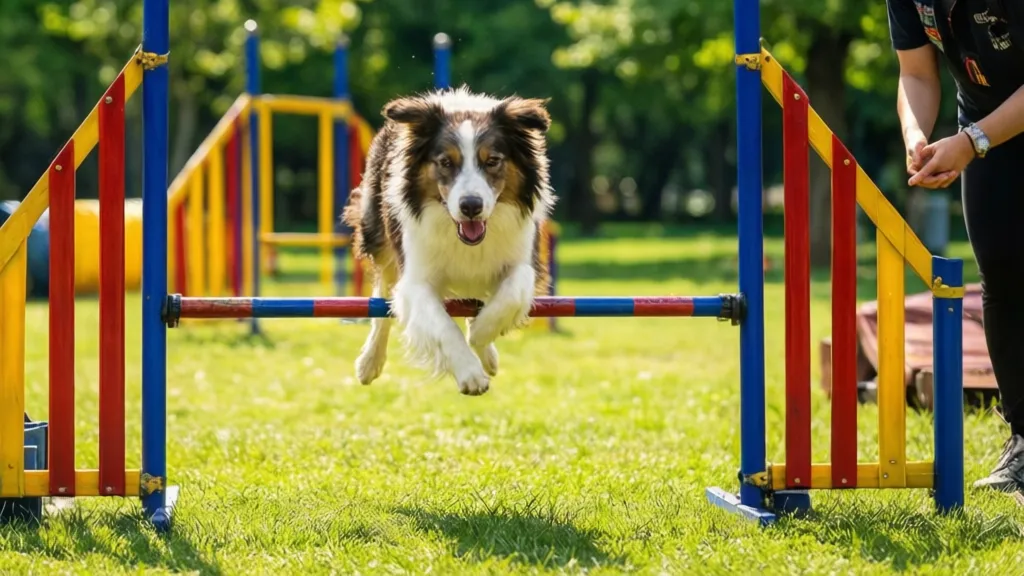
In the quest for optimal canine well-being, the realm of fun and engaging activities transcends mere amusement—it serves as a cornerstone for enriching the dog-human bond while simultaneously fostering health and vitality. Dogs, as pack animals, thrive in environments that promote social interaction, both with their human companions and fellow canines. Incorporating activities that harness their natural instincts not only satiates their psychic hunger for engagement but also enhances physical and cognitive capabilities.
Consider the ancient lineage of dogs, steeped in roles as hunters and guardians, a legacy that remains ingrained in their instincts. Activities such as fetch bloom into opportunities for natural behaviors to surface, stimulating both body and mind. Using toys that dispense treats or even engaging in hide-and-seek cultivates problem-solving skills, challenging your dog’s cognitive functions. Such endeavors instigate a release of dopamine, the neurotransmitter that not only regulates pleasure but also reinforces learning pathways, subsequently enhancing your dog’s ability to navigate complex tasks.
Movement-based games like frisbee or agility courses are particularly beneficial as they weave together physical exertion with game-like excitement, offering a dual advantage. Agility training, for instance, requires dogs to navigate obstacles that test their coordination and proprioception, fortifying muscular strength while enhancing mental acuity. This form of training can be especially therapeutic for dogs undergoing rehabilitation from injury; it aids in rebuilding confidence and physical capabilities, driving home the point that enjoyment is an integral part of healing.
Moreover, scent work—deemed an olfactory art—aligns perfectly with dogs’ evolutionary heritage. Engaging a dog in tracking activities not only harnesses their superb sense of smell but also promotes psychological enrichment. As dogs sniff out hidden items, they engage their brain in a manner that mimics natural hunting behaviors, which very important for suppressing anxiety and other stress-related disorders. The process is intrinsically rewarding, with the reward of discovering the hidden scent creating a positive feedback loop that nurtures a dog’s intrinsic motivation.
Seasonal variations also offer a canvas for creative play. In colder months, snow presents an opportunity for carting or winter hiking, fostering endurance while the cold air invigorates the respiratory system. Warmer months can be met with swimming, a low-impact exercise that at once builds muscle and provides relief to achy joints. Dogs, especially those predisposed to joint issues, often revel in the buoyancy of water, allowing them to exercise freely with reduced stress on their bodies. It is essential, however, to monitor performing bands of exercise in varied temperatures, ensuring hydration while adjusting exertion levels accordingly.
A poignant case from my clinical experiences involved a lively mixed-breed dog named Bella, once trapped in a cycle of frustration due to boredom and lack of appropriate activities. Noteworthy behavioral issues—a manifestation of her pent-up energy—prompted a tailored program involving interactive playdates with other dogs and scent-detection games. Over time, the transformation was staggering. Bella not only re-established her zest for life but also became a beacon of social engagement, illustrating the transformative power of fun and stimulating activities in bridging the gap between emotional and physical health.
Ultimately, the pursuit of fun and engaging activities should not be trifled with; they embody a language of their own that speaks to a dog’s core needs, addressing their psychobiological fabric. As stewards of our canine companions, integrating diverse, stimulating activities into their daily routines offers profound benefits, intertwining exercise with the art of living well—a harmonious ballet that fosters longevity and joy.
Related Posts
Coping with Canine Allergies – A Comprehensive Guide

The Impact of Diet on a Dog’s Mental Health