Vitamin Rich Foods for Your Dog’s Diet
In the intricate tapestry of canine nutrition, vitamins emerge as indispensable players, wielding profound influence over a dog’s physiological and metabolic landscapes. From the sun-drenched fields of D synthesis to the verdant canopies of leafy greens and the vibrant hues of fruit, the sources from which our canine companions extract these vital nutrients are diverse and fascinating. The biochemistry of vitamins is an odyssey into the depths of cellular metabolism, orchestrating events from enzyme activation to hormonal regulation.
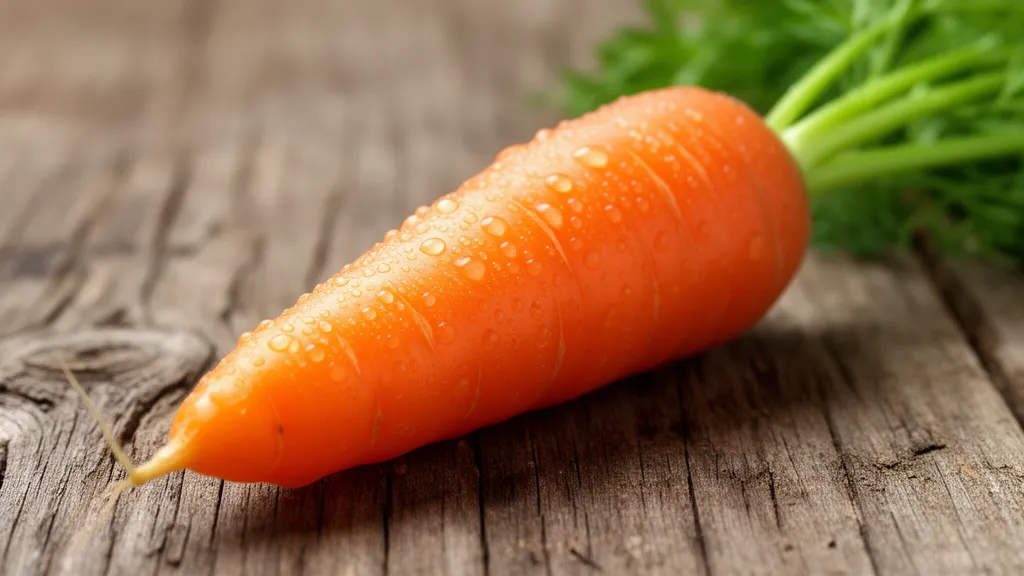
Fat-soluble vitamins, such as A, D, E, and K, are often synthesized in lipid-rich environments, enriched in omega fatty acids that support absorption. Consider the humble carrot, bursting with beta-carotene—a precursor to vitamin A—this vibrant vegetable plays an integral role in ocular health and immune function. Conversely, the vitamin D profiles found in fatty fish like salmon and sardines elevate bone integrity through their multifaceted relationship with calcium absorption; a relationship that echoes the symbiotic dance of photosynthesis and respiration in the plant kingdom. The exquisite collection of leafy greens, such as spinach and kale, offers a treasury of vitamin K, essential for optimal clotting mechanisms, weaving both nutrition and survival intricately together.
Moving to the realm of water-soluble vitamins, the B-complex group is a testament to evolutionary adaptation, compensating for energy demands synonymous with our dogs’ predatory past. These nutrients, chiefly found in protein-dense foods like organ meats and certain grains, govern enzymatic reactions that translate food consumption into energy, empowering cellular respiration and growth. Furthermore, the radiant spectrum of vitamin C—a powerful antioxidant—found abundantly in fruits such as blueberries and apples—enhances immune function and mitigates oxidative stress, illustrating the dog’s inherent capacity for scavenging in the wild.
The inclusion of whole food sources transcends mere supplementation; it encapsulates the essence of nutritional philosophy. In contrast to synthetic counterparts, naturally occurring vitamins possess a holistic bioactivity. The interdependence of phytochemicals and vitamins creates a synergistic effect that’s often unattainable through isolated supplementation. For instance, the pairing of vitamin E-rich oils, such as fish or flaxseed oil, with a diet laden in fruits offers not just storage but potent antioxidant properties, dissipating the free radicals that threaten cellular integrity.
Nutramax Proviable Probiotics for Dogs & Cats, Sprinkle Capsules, 30ct | Probiotics for Cats and Dogs, Plus Prebiotics, Daily Gut Health Support Supplement, Multiple Strains, Sprinkle on Food
(as of October 25, 2026 12:19 GMT +00:00 - More infoProduct prices and availability are accurate as of the date/time indicated and are subject to change. Any price and availability information displayed on [relevant Amazon Site(s), as applicable] at the time of purchase will apply to the purchase of this product.)Incorporating a diverse array of vitamin-rich foods into your dog’s diet may require a degree of intentionality, tackling the common pitfalls of nutritional deficits. Renowned for its anecdotal success, a blend of gently steamed vegetables, lean proteins, and fruits can provide a comprehensive array of vitamins while accommodating individual geometric growth rates and metabolic demands. Each breed, with their unique genetic tapestry, may reveal specific sensitivities or requirements; thus, fostering an adaptive feeding strategy becomes paramount.
Such understanding is not solely an intellectual pursuit; it evokes responsibility, urging guardians to navigate the rich landscape of natural offerings, ensuring their companions thrive, reflective of eons of evolution—a symbiotic relationship forged in the fires of ancestral necessity. The careful selection of fresh, nutrient-dense sources will not only satisfy the physiological cravings of dogs but also honor their biological legacy, offering wellness woven into the fabric of daily sustenance.
A diet replete with vitamins serves as a vital cornerstone in promoting optimal health and longevity in canines, functioning as a dynamic orchestra that harmonizes with their complex physiological processes. Each vitamin plays its distinct role, contributing not merely as a supplement but as an essential cog in the machinery of life that sustains energy metabolism, immunological resilience, and cellular repair. The impact of a vitamin-rich dietary regimen can be profound, harking back to the evolutionary journey of the domestic dog, a journey that has carved out specific metabolic pathways and health requirements through millennia.
First among the benefits is the profound enhancement of immune function. Vitamins, particularly A, C, and E, wield antioxidant properties that curtail oxidative stress—an insidious phenomenon that accelerates aging and contributes to a litany of chronic diseases. The intricate interplay of these vitamins facilitates the synthesis of immune cells, forging a resilient barrier against the onslaught of pathogens and toxins. A revered clinical case, for instance, involved a senior Labrador Retriever suffering from recurrent infections, whose health drastically improved upon the strategic reintroduction of vitamin-rich foods, underscoring the modulatory effects of nutrition on immune dynamics.
Furthermore, vitamins play a pivotal role in the maintenance of integumentary integrity—the skin and coat—reflecting not only the outward health of a dog but serving as vital indicators of internal biochemical balances. Water-soluble B vitamins, such as biotin and niacin, contribute to skin health indirectly through their facilitation of fatty acid metabolism, encouraging coherent keratin production and cellular repair mechanisms. The magnificent sheen of a well-nourished coat is not merely aesthetic; it is an emblem of systemic health, a language spoken without words, and a testament to the dietary ingredients that foster vitality.
Equally significant is the influence of vitamins on cognitive function and neurological health. B vitamins, particularly thiamine, riboflavin, and vitamin B12, are instrumental in neuroprotection and cognitive decline prevention. In a clinical instance, a middle-aged Collie exhibited signs of cognitive dysfunction syndrome; the integration of a vitamin-enriched diet, complete with omega-3 fatty acids, yielded marked improvements in cognitive clarity and responsiveness. This anecdote aligns with research elucidating the correlation between specific vitamins and neuronal regeneration, reinforcing the urgency of dietary vigilance in fostering an agile mind.
The metabolic propulsion that vitamins facilitate is equally crucial, serving as catalysts for enzymatic reactions that convert food into energy. Without adequate quantities of vitamin B12, for example, a host of metabolic dysfunctions ensue, conjuring a state of lethargy and poor nutrient absorption. By establishing proper vitamin balance, guardians can mitigate the risks of metabolic disorders that lead to obesity or failure to thrive, particularly in vulnerable populations such as puppies and seniors, whose unique requirements spiral with each progressive life stage.
In the burgeoning realm of chronic health conditions, the potential of vitamins to act as adjunctive therapies cannot be understated. In cases of chronic inflammatory ailments or joint disorders, such as arthritis, vitamins D and K take center stage. Vitamin D, either synthesized through sunlight exposure or sourced from dietary fats, assists in calcium homeostasis, influencing bone health and potential inflammation pathways. Coupled with vitamin K, which aids in calcium transport to bone tissues, the synergistic interaction of these vitamins can offer significant relief, attenuating the degenerative processes that plague aging canines.
Embracing a vitamin-rich diet thus transcends the mere act of feeding; it is an alignment of evolutionary principles with contemporary nutritional science. The meticulous incorporation of varied whole food sources into your dog’s meals does more than satisfy hunger—it ignites a symphony of biochemical processes that scaffold life itself. Armed with this knowledge, pet guardians can advocate for the well-being of their animals with informed conviction, crafting diets that are not just nourishing but transformative, fostering a deeper connection to both the continuity of canine health and the rhythmic choreography of their metabolic needs.
Incorporating vitamins into your dog’s diet necessitates an informed approach, one that transcends mere inclusion of diverse foodstuffs and embraces the sophisticated balance required for optimal nutrient synergy. The artistry of dietary formulation lies within the precise orchestration of whole food ingredients—each component a note in a grand composition meticulously designed to support the nuanced physiology of our canine companions.
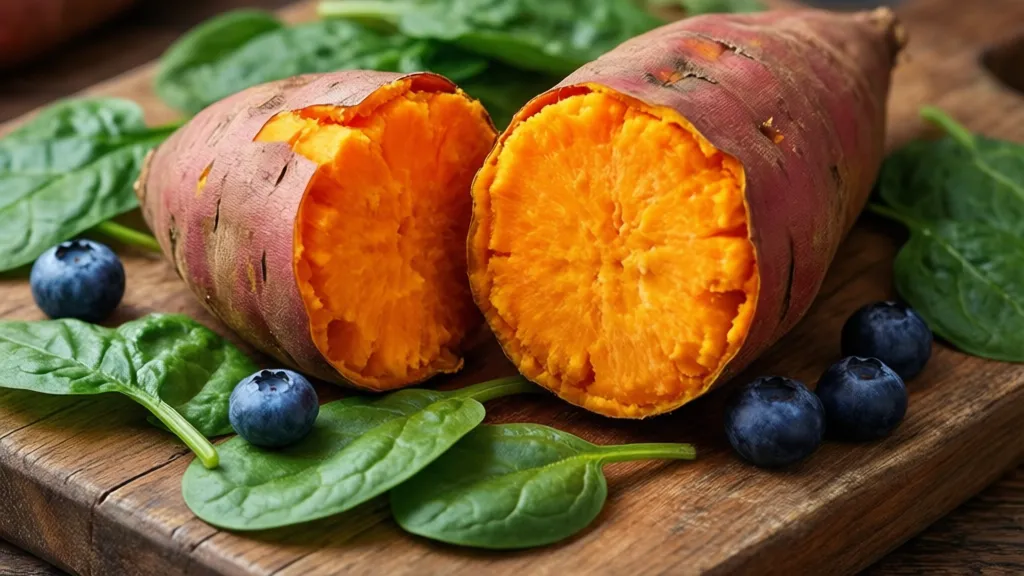
When contemplating a wholesome dietary framework, one must begin with the foundation of whole foods, judiciously selecting fruits, vegetables, and protein sources that offer a rich tapestry of vitamin profiles. The spectrum of food choices must be as varied as the evolutionary adaptability of the canine species itself. An array of colorful vegetables such as carrots, sweet potatoes, and spinach can infuse the diet with vital vitamins A, C, and K, while fruits like blueberries and apples present invaluable antioxidants along with additional phytochemicals. This coupling of nutrients goes beyond mere vitamin provision; it embodies a biochemical choreography that fosters optimal absorption and use.
Moreover, the culinary preparation of these foods is a critical aspect often underappreciated. Intentionally cooking or lightly steaming vegetables can enhance the bioavailability of certain vitamins while preserving their integrity. For example, the cooking process can mitigate the antinutritional factors in some raw ingredients, thereby elevating nutrient absorption. While raw feeding enthusiasts advocate for the inclusion of unprocessed foods, it is essential to recognize that certain vitamins are more effective when subjected to modest culinary applications that unlock their potential without obliterating their molecular structure.
Creating a balanced macronutrient profile is also paramount. The careful incorporation of proteins—lean meats, fish, and organs—ensures a complete amino acid profile that complements the vitamins present in plant-based ingredients. Organ meats such as liver are not merely nutrient-dense; they serve as a robust source of essential preformed vitamin A, alongside vital B vitamins, thereby embodying a holistic approach to canine nutrition. This strategic alignment fortifies the immune system and optimizes energy metabolism, addressing the complex demands of growth or maintenance throughout various life stages.
When considering sensitivity and intolerance, vigilance is necessary to tailor choices to individual dogs. Some breeds exhibit heightened sensitivity to certain proteins or carbohydrate sources, mandating a bespoke approach to ingredient selection. For instance, while sweet potatoes can be a stellar carbohydrate source, in dogs with specific starch sensitivities, alternative ingredients such as quinoa or lentils may provide a complementary nutrient profile without triggering adverse reactions. Thus, engaging in a methodical evaluation of dietary ingredients becomes critical in avoiding nutritional pitfalls.
Moreover, the subtle practice of supplementation can enhance the vitamin content of meals, but it must be approached with caution to avoid overdosing on certain nutrients. Not all supplements are created equal; understanding the bioavailability and actual physiological effectiveness of vitamins in synthetic forms versus whole food sources is essential. Careful attention should be paid to phosphorus and calcium levels, especially when introducing homemade diets, as imbalances can lead to serious health ramifications. Regular consultations with veterinary nutritionists can help refine and adjust formulations, ensuring they remain attuned to the biochemical nuances of the canine body.
Consider clinical instances where dietary fortification made significant differences. In one notable case, a Golden Retriever with a history of inflammatory bowel disease experienced profound recovery upon a transition to a vitamin-rich diet complemented with prebiotics and omega-3 fatty acids. The concurrent reduction of inflammatory markers served as a testament to the intricate convergence of vitamins and natural compounds enhancing immune function and gut health. This grain of experience emphasizes the necessity of continuing research and adaptation in the application of vitamin-based nutrition for dogs.
In essence, the journey of incorporating vitamins into the canine diet becomes a multifaceted expedition—a dance between nature and science where the essence of life is preserved in every bite. As guardians of these remarkable creatures, the commitment to understanding and implementing sophisticated dietary strategies not only cultivates health and vitality but honors the essence of the relationship formed through centuries of companionship. With each thoughtful meal, we nourish our dogs across the spectrum of their lives, embodying the delicate interplay of evolution and nutrition that fortifies both body and spirit.
Related Posts

Canine Cognitive Dysfunction – Navigating Cognitive Decline in Dogs

How to Transition Your Dog to a New Diet Safely